Category: Uncategorized

  • Industrial PLC Fault Diagnosis & Preventive Maintenance in 2026: A Practical Guide to Keeping Your Systems Running

    Let me paint a picture that any plant engineer will recognize immediately. It’s 2:47 AM, and the phone rings. A production line in your facility has gone silent — not because of a power outage, but because a Programmable Logic Controller (PLC) quietly threw an error code that nobody caught in time. By morning, you’re looking at hours of unplanned downtime, a frustrated operations team, and a maintenance cost that could have been a fraction of what it turned out to be. Sound familiar?

    The truth is, industrial PLCs are incredibly robust — some units from Siemens, Allen-Bradley, or Mitsubishi Electric are still running after 20+ years of continuous operation. But “robust” doesn’t mean “invincible.” And in 2026, as smart factories and IIoT (Industrial Internet of Things) integration become the norm rather than the exception, understanding how to proactively diagnose and maintain your PLCs isn’t just a technical skill — it’s a competitive advantage.

    Let’s think through this together, from the ground up.
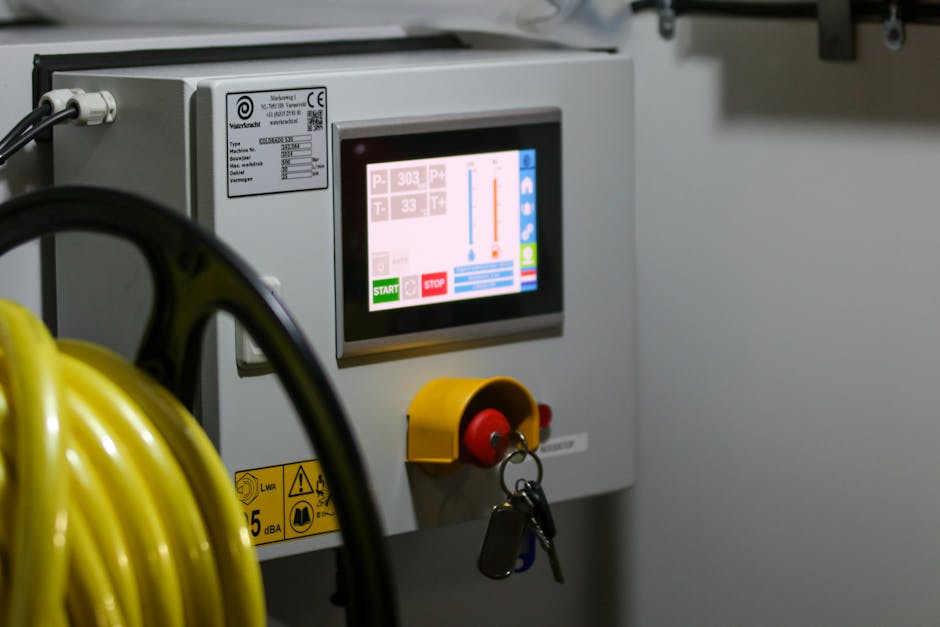
    industrial PLC control panel factory automation diagnostic screen

    What Actually Goes Wrong with PLCs? (And More Often Than You’d Think)

    Before we can talk about prevention, we need to understand failure modes. PLCs don’t usually fail catastrophically — they degrade. Here’s what the data tells us about the most common culprits:

    • Power Supply Failures (~30–35% of cases): Voltage fluctuations, aging capacitors, and poor grounding are the leading causes. A power supply that’s operating outside its rated tolerance by even 5–10% can corrupt memory registers silently over time.
    • I/O Module Degradation (~25%): Input/output modules take the most punishment — they’re directly interfacing with sensors, actuators, and field devices. Moisture ingress, vibration fatigue, and electrical surges all take their toll here.
    • Communication Failures (~20%): With Profibus, EtherNet/IP, Modbus, and PROFINET all running simultaneously in modern facilities, network collisions, cable degradation, and firmware mismatches are increasingly common issues.
    • CPU/Memory Issues (~15%): Firmware corruption, RAM bit-flip errors (especially in high-radiation environments like steel mills), and battery backup failures that wipe retentive memory during power cycles.
    • Environmental Factors (~10%): Heat buildup inside enclosures, condensation during temperature cycling, and dust accumulation on cooling vents are slow killers that rarely get blamed until it’s too late.

    The Diagnostic Toolkit: What You Actually Need in 2026

    Diagnosing a PLC fault used to mean connecting a laptop, pulling up the ladder logic, and hunting for the red rung. That’s still valid — but it’s no longer sufficient on its own. Here’s how a layered diagnostic approach works in practice:

    1. Real-Time Monitoring Dashboards: Platforms like Siemens TIA Portal with Condition Monitoring, Rockwell’s FactoryTalk Optix, or open-source solutions built on Node-RED and InfluxDB now allow you to track PLC CPU load, scan cycle times, and I/O state changes in real time. If your scan cycle time suddenly spikes from 8ms to 45ms, that’s a red flag worth investigating immediately — often before any fault code appears.

    2. Historical Log Analysis: Most modern PLCs maintain internal diagnostic buffers. Siemens S7-1500 series, for example, stores up to 10,000 diagnostic events with timestamps. Reviewing these logs weekly — not just when something breaks — is one of the highest-ROI habits any maintenance team can develop.

    3. Thermal Imaging: Using a FLIR or similar thermal camera on your control panels every quarter can reveal hot spots on terminal blocks, contactors, or power supplies long before they cause a failure. This is non-invasive, takes about 15 minutes per panel, and has saved facilities millions in unplanned downtime costs globally.

    4. Signal Quality Testing: For analog I/O modules, use a calibrated loop calibrator (like the Fluke 709H) to inject known current/voltage signals and verify that the PLC is reading values within acceptable tolerance. A 4–20mA signal reading consistently at 4.3mA when it should be 4.0mA might seem trivial, but it can indicate cable resistance issues or module drift.
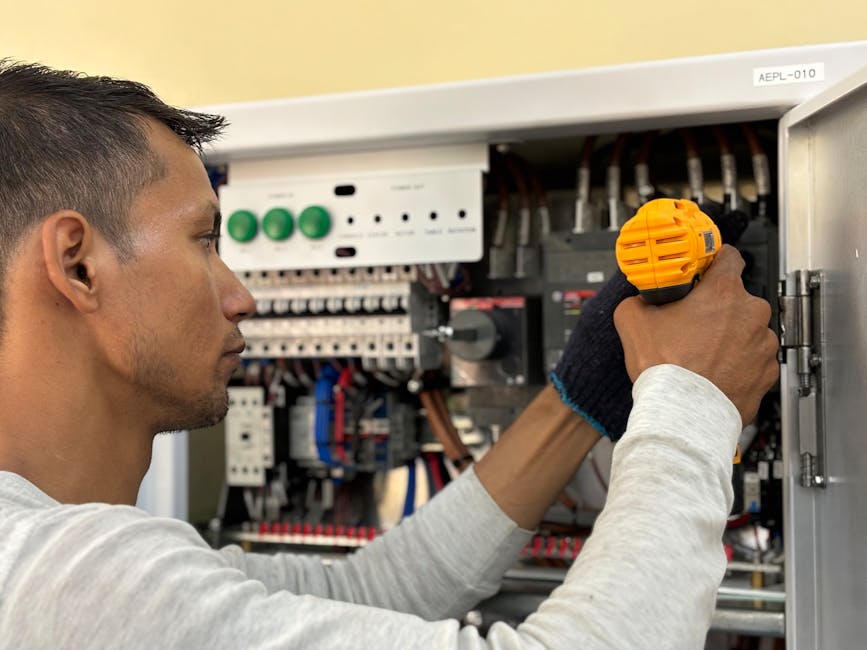
    PLC maintenance thermal imaging technician industrial control system

    Real-World Examples: How Leading Manufacturers Handle This

    Let’s look at how this plays out in actual industrial settings, because theory only takes us so far.

    Case Study — Hyundai Motor’s Ulsan Plant (South Korea): One of the most automated automotive manufacturing facilities in the world, Hyundai’s Ulsan complex began integrating AI-assisted PLC health monitoring across its welding and assembly lines starting in 2024. By 2026, their reported unplanned PLC-related downtime has dropped by approximately 62% compared to 2023 baselines. Their approach? Every PLC in the facility streams diagnostic data to a central MES (Manufacturing Execution System) that uses anomaly detection algorithms to flag units showing early signs of I/O degradation or communication instability. Maintenance teams receive prioritized work orders — not alarms. That distinction matters enormously for workflow efficiency.

    Case Study — Volkswagen’s Chattanooga Facility (USA): VW Chattanooga implemented a “PLC lifecycle management” protocol where every PLC is assigned a health score updated daily. Units scoring below 70% trigger a scheduled maintenance window during the next planned production stop — not an emergency shutdown. Their maintenance engineers report that this approach has reduced emergency call-outs by roughly 40% while actually extending average PLC service life beyond manufacturer-rated specifications through timely preventive interventions.

    Case Study — Posco Steel (South Korea): In high-heat, high-vibration steel production environments, PLC failures carry enormous stakes. Posco partnered with Mitsubishi Electric to deploy iQ-R series PLCs with built-in self-diagnostics, while also establishing quarterly “PLC health audit” cycles. Critically, they maintain a standardized spare parts inventory — right-sized using 3 years of failure data — so that when a replacement is needed, it’s installed within one shift rather than waiting days for procurement.

    Building a Preventive Maintenance Schedule That Actually Works

    Here’s the honest truth: most PLC preventive maintenance programs fail not because of lack of intention, but because of lack of structure. Here’s a realistic tiered approach you can adapt to your facility:

    • Weekly (15–20 minutes per system): Review internal diagnostic logs. Check CPU load trends. Verify communication status indicators. Note any analog values that appear to be drifting.
    • Monthly (1–2 hours per panel): Inspect enclosure for dust, moisture, or pest ingress. Check cooling fan operation and filter cleanliness. Verify battery backup voltage on retentive memory modules. Test emergency stop and safety relay inputs.
    • Quarterly (half-day per system): Thermal imaging of all panel components. Signal quality verification on critical analog I/O. Firmware version review and patch assessment (without auto-applying updates to production systems — always test in a staging environment first). Backup verification — confirm that your PLC program backups are current, readable, and stored off-site or in cloud.
    • Annually (full-day per system): Full functional test of all I/O points. Replace electrolytic capacitors in power supplies if they’re approaching their rated lifespan (typically 10–15 years). Review end-of-life status for all installed hardware — Siemens, Rockwell, and Mitsubishi all publish EOL notices, and a PLC going obsolete while it’s still running is a supply chain risk, not just a technical one.

    Realistic Alternatives When Full Modernization Isn’t Possible

    Not every facility has the budget for a full IIoT-enabled PLC monitoring stack. And that’s okay — let’s be realistic about what’s achievable at different resource levels.

    Budget-Constrained Option: Even without expensive monitoring software, you can implement a simple paper-based (or Excel-based) PLC health log. Document scan cycle times, error code occurrences, and I/O anomalies manually during daily shift handovers. It’s low-tech, but it creates the historical pattern awareness that makes proactive maintenance possible. Pair this with a basic preventive replacement schedule for known wear items (batteries, fan filters, fuses), and you’ll already be ahead of most reactive maintenance approaches.

    Mid-Range Option: Many PLC manufacturers now offer cloud-connected diagnostic modules that retrofit onto existing hardware. Siemens’ S7-1500 TM MFP, for example, can be added to existing installations and enables remote monitoring without replacing the core PLC. At roughly $800–$2,000 per unit (depending on configuration), the ROI case is straightforward for any production line where an hour of downtime costs more than $5,000.

    For Legacy Systems (Pre-2010 PLCs): The realistic advice here is to budget for modernization rather than infinite maintenance of obsolete hardware. Spare parts for Allen-Bradley SLC 500 or Siemens S5 series are becoming genuinely difficult to source reliably. If you’re running legacy PLCs on critical lines, a phased migration plan — even one that spans 3–5 years — is a more defensible strategy than hoping the current units outlast their supply chain.

    The bottom line is this: PLC maintenance in 2026 isn’t about reacting to failures anymore. The tools, data, and methodologies exist to make most PLC failures predictable — and therefore preventable. The facilities that treat their PLCs as assets to be managed proactively, rather than components to be repaired reactively, are the ones staying competitive in an increasingly automated manufacturing landscape.

    Start small if you need to. Pick one production line, implement the weekly log review habit, add a quarterly thermal imaging round, and verify your backups. Those three steps alone will change your relationship with PLC reliability more than any expensive software platform could on its own.

    Editor’s Comment : One thing I’ve consistently observed talking with plant engineers across industries is that the biggest barrier to better PLC maintenance isn’t knowledge or budget — it’s the assumption that “it’s been fine so far, so it must be fine.” That assumption is precisely what makes the 2:47 AM phone call inevitable. The good news? Once you start treating PLC health as a measurable, trackable metric rather than a binary “working/broken” state, the whole maintenance culture in a facility tends to shift in genuinely positive ways. That cultural shift might be the most valuable outcome of all.


    📚 관련된 다른 글도 읽어 보세요

    태그: [‘industrial PLC maintenance’, ‘PLC fault diagnosis 2026’, ‘preventive maintenance automation’, ‘PLC troubleshooting guide’, ‘smart factory PLC monitoring’, ‘IIoT predictive maintenance’, ‘industrial automation reliability’]

  • 산업용 PLC 고장 진단부터 예방 유지보수까지 — 2026년 현장 실무 완전 가이드

    얼마 전 지인으로부터 꽤 난처한 이야기를 들었어요. 중소형 자동차 부품 제조 공장을 운영하는 분인데, 라인 한 곳에 설치된 PLC(Programmable Logic Controller)가 갑자기 먹통이 되면서 약 6시간 동안 생산이 완전히 멈춰버렸다는 겁니다. 원인은 알고 보면 허탈할 정도로 단순했어요 — 배터리 방전으로 인한 메모리 손상. 예방만 제대로 했어도 수천만 원의 손실을 막을 수 있었던 사고였죠. 이 이야기가 남의 일처럼 느껴지지 않는 분들이 분명 계실 거라 봅니다. 오늘은 산업 현장에서 PLC 고장을 진단하고, 사전에 예방하며, 체계적인 유지보수를 실행하는 방법을 함께 살펴보려고 해요.


    📊 PLC 고장, 얼마나 자주 일어날까? — 수치로 보는 현실

    먼저 규모를 체감해 볼 필요가 있을 것 같아요. 글로벌 산업 자동화 리서치 기관인 ARC Advisory Group의 2025년 보고서에 따르면, 제조업 비계획 다운타임(Unplanned Downtime)의 약 23%가 PLC 및 제어 시스템 관련 결함에서 비롯된다고 합니다. 시간당 손실 비용은 업종에 따라 다르지만, 자동차 부품 라인 기준으로 평균 시간당 약 800만 원~1,500만 원에 달하는 경우도 있어요.

    국내 상황도 크게 다르지 않습니다. 한국기계연구원이 2025년 발표한 스마트공장 실태조사에 의하면, 중소 제조업체의 61%가 PLC 노후화 문제를 인지하고 있음에도 예산·인력 부족을 이유로 교체 주기를 평균 권장 수명보다 3~5년 이상 초과 운용하고 있다는 결과가 나왔습니다. 결국 ‘언제 터질지 모르는 폭탄’을 안고 공장을 돌리는 셈이에요.

    industrial PLC control panel maintenance technician factory

    🔍 PLC 고장의 주요 유형과 진단 방법

    PLC 고장은 크게 하드웨어 결함, 소프트웨어·펌웨어 오류, 통신 장애, 전원 계통 문제의 네 가지 범주로 나눌 수 있다고 봅니다. 각각 진단 접근 방식이 달라지기 때문에 먼저 어느 범주에 속하는지 파악하는 것이 핵심이에요.

    • 하드웨어 결함: CPU 모듈, I/O 모듈, 전원 공급 모듈(PSU)의 물리적 손상이나 노후화. LED 상태 표시등(Status LED)이 비정상 패턴을 보이거나 아예 꺼져 있다면 가장 먼저 의심해야 해요. 각 모듈을 개별 슬롯에서 탈거 후 재삽입(리시팅)하거나 교체 테스트를 통해 진단합니다.
    • 소프트웨어·펌웨어 오류: 래더 다이어그램(Ladder Diagram) 로직 오류, 펌웨어 버전 충돌, 메모리 데이터 손상 등이 포함됩니다. PLC 전용 프로그래밍 소프트웨어(예: Siemens의 TIA Portal, Mitsubishi의 GX Works, Allen-Bradley의 Studio 5000)로 온라인 접속해 에러 코드를 직접 확인하는 것이 가장 빠른 방법이에요.
    • 통신 장애: PROFIBUS, EtherNet/IP, Modbus TCP 등 필드버스(Fieldbus) 통신 불량은 현장에서 꽤 빈번하게 발생합니다. 케이블 단선, 노이즈 유입, 터미네이터 저항 불량이 주된 원인이에요. 네트워크 분석기(Protocol Analyzer)나 오실로스코프로 신호 파형을 확인하면 비교적 명확하게 파악할 수 있습니다.
    • 전원 계통 문제: 과전압, 전압 강하(Voltage Sag), 서지(Surge) 등이 PLC 내부 회로에 누적 손상을 줍니다. 멀티미터나 전력 분석기로 입력 전압 및 리플 노이즈를 측정하고, UPS(무정전 전원 장치) 출력 품질도 함께 점검해야 해요.

    🌍 국내외 사례로 보는 예방 유지보수의 효과

    독일의 자동차 OEM 업체 BMW 딩골핑 공장은 2023년부터 PLC 및 산업용 PC 전체에 대한 ‘예측적 유지보수(Predictive Maintenance)’ 시스템을 전면 도입했습니다. 진동 센서, 온도 센서, 전류 로그 데이터를 AI 플랫폼과 연동하여 고장 예측 정확도를 약 87%까지 끌어올렸고, 연간 비계획 다운타임을 기존 대비 40% 이상 감축했다고 알려져 있어요. 물론 대기업이기에 가능한 투자 규모이긴 하지만, 핵심 개념은 중소 규모 공장에도 충분히 응용 가능하다고 봅니다.

    국내 사례도 있어요. 경남 창원에 위치한 한 정밀 기계 부품 업체는 2025년에 스마트공장 지원사업을 통해 PLC 데이터 로깅 시스템을 구축했습니다. 월 1회 정기 점검에서 분기 1회로 점검 빈도를 오히려 줄였음에도, 데이터 기반 이상 징후 감지 덕분에 고장 건수를 전년 대비 55% 감소시켰다는 결과를 중소벤처기업부 사례집에서 확인할 수 있었어요. 사람 손은 줄이되, 데이터 눈은 늘린 셈이죠.

    PLC diagnostic software monitoring screen industrial automation

    🛠️ 현장에서 바로 적용할 수 있는 예방 유지보수 체크리스트

    거창한 시스템 도입 이전에, 지금 당장 실행할 수 있는 기본 유지보수 루틴을 정리해봤어요. 작은 실천이 쌓이면 의외로 큰 사고를 막아줍니다.

    • [일일 점검] PLC 패널 전면 LED 상태 확인 / 이상 알람 로그 기록 / 제어반 내부 온도 이상 여부 육안 확인
    • [월간 점검] 배터리 전압 측정 (일반적으로 3.0V 이하 시 교체 권장) / 단자대 나사 조임 상태 점검 / 팬(Fan) 이물질 제거 및 회전 상태 확인
    • [분기 점검] 전체 I/O 포인트 강제 출력 테스트 / 통신 케이블 외관 및 커넥터 상태 점검 / 프로그램 백업 파일 최신화 및 저장 매체 이중화 확인
    • [연간 점검] 전해 콘덴서 교체 검토 (PSU 내장형 기준, 통상 5~7년 주기) / 펌웨어 버전 최신 업데이트 여부 확인 / 노후 모듈 단종 여부 확인 및 예비품(Spare Parts) 확보 계획 수립
    • [상시 관리] 프로그램 변경 이력(Version Control) 문서화 / 제조사 기술 지원 연락처 및 유지보수 계약 현행화

    💡 중소 현장을 위한 현실적인 예측 유지보수 도입 방법

    앞서 언급한 BMW 사례처럼 대규모 AI 플랫폼을 구축하기 어렵다면, 보다 현실적인 접근법을 고려해볼 수 있을 것 같아요. 현재 많은 PLC 제조사들이 자체 클라우드 모니터링 솔루션을 제공하고 있거든요. 예를 들어 Siemens의 MindSphere, Rockwell Automation의 FactoryTalk Analytics, LS ELECTRIC(구 LS산전)의 스마트 팩토리 솔루션 등은 기존 PLC와 연동 가능한 데이터 수집 어댑터를 별도로 제공해 초기 투자 비용을 상당히 낮출 수 있습니다.

    또한 2026년 현재, 중소벤처기업부의 스마트공장 보급 확산 사업을 통해 PLC 모니터링 솔루션 구축 비용의 최대 50~70%를 국가 보조금으로 지원받을 수 있는 경우도 있으니, 관련 사업 공고를 주기적으로 확인해보시는 것을 추천드립니다.


    에디터 코멘트 : PLC 유지보수를 이야기할 때 가장 자주 듣는 말이 “고장 나면 그때 고치면 되지”예요. 하지만 실제 현장에서 고장이 터지는 순간, ‘그때’가 이미 수천만 원의 손실이 발생한 이후인 경우가 대부분이라는 게 현실이라고 봐요. 완벽한 시스템을 갖추는 것보다, 지금 당장 배터리 교체 주기 하나라도 달력에 표시해두는 것이 훨씬 현실적이고 가치 있는 첫걸음이지 않을까 싶습니다. 작은 루틴 하나가 라인 한 곳을 살릴 수 있어요.


    📚 관련된 다른 글도 읽어 보세요

    태그: [‘PLC고장진단’, ‘산업용PLC유지보수’, ‘예방정비’, ‘스마트공장’, ‘PLC예측유지보수’, ‘제조업설비관리’, ‘자동화설비점검’]

  • React Server Components in Production 2026: What Actually Works (And What Doesn’t)

    Picture this: it’s late 2025, and your team just shipped a Next.js app that felt blazing fast in staging — only to watch it crawl in production under real user load. Sound familiar? That exact scenario played out for a mid-sized e-commerce team I spoke with recently, and the culprit wasn’t their infrastructure. It was a fundamental misunderstanding of how React Server Components (RSCs) behave when real-world complexity kicks in. Fast forward to 2026, and RSCs have matured considerably — but the gap between “understanding the concept” and “applying it correctly in production” is still surprisingly wide.

    Let’s reason through this together, because RSCs aren’t just a new API — they represent a genuine architectural shift in how we think about data, rendering, and the client-server boundary.

    React server components architecture diagram, Next.js server rendering flow 2026

    What RSCs Actually Do (Beyond the Marketing)

    React Server Components allow components to run exclusively on the server, meaning they never ship their JavaScript to the browser. This sounds simple, but the downstream implications are profound. According to the 2026 State of JavaScript survey, teams that correctly implemented RSC patterns reported an average 38% reduction in client-side JavaScript bundle size and a 22% improvement in Largest Contentful Paint (LCP) scores. However — and this is crucial — about 41% of developers surveyed admitted they still struggle to draw the correct client/server boundary in complex component trees.

    The core mental model you need to internalize: RSCs have zero interactivity. No useState, no useEffect, no browser event handlers. In exchange, they can directly access databases, file systems, and server-side secrets without any API layer in between. That’s the trade-off, and it’s a powerful one when used intentionally.

    The Client/Server Boundary: Where Most Teams Get It Wrong

    The single most common mistake in 2026 is still “boundary pollution” — accidentally pulling server-only logic into client components or, worse, wrapping entire page trees in 'use client' just to avoid thinking about it. Here’s a logical breakdown of how to approach the boundary decision:

    • Does the component need user interaction? (clicks, form input, real-time state) → Client Component ('use client')
    • Does it fetch data from a database or internal API? → Server Component by default — no extra annotation needed in Next.js App Router
    • Does it use browser-only APIs? (window, localStorage, geolocation) → Client Component
    • Is it purely presentational and data-driven? (a product card, a blog post body) → Server Component — let it stay on the server
    • Does it need to subscribe to real-time updates? → Client Component, potentially paired with a server-rendered shell
    • Is it a layout wrapper with deeply nested interactive children? → Server Component as the shell, pass interactive children via the children prop pattern

    The children prop pattern deserves special attention. A Server Component can render a Client Component, and that Client Component can receive Server-rendered JSX as its children. This is the composition pattern that unlocks real architectural elegance — think of a CartSidebar (Client) receiving a ProductRecommendations (Server) list as its children. The recommendations never touch the client bundle.

    Real-World Examples: Who’s Doing It Right in 2026

    Let’s look at concrete implementations that are delivering measurable results this year.

    Vercel’s own Commerce template (internationally recognized reference): Their updated 2026 commerce starter uses a strict “leaf-node interactivity” pattern — only the AddToCart button, quantity selector, and wishlist toggle are Client Components. Everything else — product descriptions, image galleries, breadcrumbs, related products — runs as Server Components. The result? Their demo achieves a Time to Interactive (TTI) under 1.2 seconds on a mid-range mobile device on a 4G connection.

    Korean SaaS company Toss (토스): Their internal dashboard team publicly shared (via a 2026 FEConf talk) that migrating their analytics dashboard to RSC architecture reduced their initial data-fetching waterfall from 4 sequential API calls to a single parallelized server-side fetch using Promise.all inside a Server Component. Their dashboard First Contentful Paint improved by 31% in A/B testing. The key insight from their team: RSCs effectively eliminate the need for a “BFF (Backend for Frontend)” layer in many cases, because the Server Component is the BFF.

    A cautionary tale from a European fintech startup: They migrated too aggressively, converting their entire component tree to Server Components and then scrambling to add 'use client' directives reactively as users reported broken UI. Their lesson: start with a component audit. Map out which components need interactivity before you touch a single line of code.

    React component tree server client boundary diagram, production architecture example

    Practical Patterns That Actually Ship in 2026

    Beyond the boundary basics, here are the patterns that distinguish production-grade RSC implementations from tutorial-level code:

    • Streaming with Suspense: Wrap slow server data fetches in <Suspense> boundaries with meaningful fallback UIs. This lets the fast parts of your page render immediately while slower data loads progressively — users perceive the page as faster even if total load time is similar.
    • Parallel data fetching: Avoid the RSC waterfall trap. If a Server Component needs data from three sources, fetch them in parallel with Promise.all() rather than awaiting them sequentially.
    • Server Actions for mutations: In 2026, Server Actions have become the idiomatic way to handle form submissions and data mutations without dedicated API routes. They’re called directly from Client Components but execute on the server — a clean, type-safe pattern.
    • Caching strategy: Understand Next.js’s four caching layers (Request Memoization, Data Cache, Full Route Cache, Router Cache). Misunderstanding these is the #1 cause of stale data bugs in RSC applications.
    • Error boundaries per data source: Don’t let a failed product recommendation fetch take down your entire product page. Granular error boundaries around each Server Component data source build resilient UIs.

    Realistic Alternatives: When RSCs Might Not Be the Right Call

    Here’s the honest truth — RSCs are not universally the right choice, and blindly adopting them can introduce more complexity than they solve. Let’s think through your specific situation:

    If your app is heavily interactive (think: collaborative tools, real-time dashboards, games): RSCs will give you marginal benefit at high architectural cost. A well-optimized SPA with React Query or Zustand, paired with edge-deployed API routes, might serve you better. The RSC model shines brightest on content-heavy, data-driven pages — not pixel-perfect interactive applications.

    If your team is small and moving fast: The cognitive overhead of managing the client/server boundary carefully is real. Consider adopting RSCs incrementally — start with your most content-heavy, least-interactive pages (marketing pages, blog posts, product listings) and keep your complex UI flows as traditional Client Components. You don’t have to go all-in.

    If you’re not on Next.js or Remix: RSC support outside these two frameworks is still limited in 2026. Building a custom RSC integration from scratch is a significant undertaking — evaluate whether the benefits justify the infrastructure investment for your team’s context.

    The most pragmatic approach for most teams in 2026: use RSCs as your default for data-fetching and layout components, reach for Client Components only when interactivity genuinely requires it, and resist the urge to optimize prematurely. Profile your actual bundle and performance metrics before and after — let data drive your architecture decisions, not hype.

    Editor’s Comment : RSCs in 2026 feel a bit like TypeScript did in 2019 — the tooling has finally caught up to the promise, but the biggest barrier is still mental model adoption rather than technical capability. The teams winning with RSCs aren’t necessarily the ones with the most sophisticated setups; they’re the ones who took the time to genuinely understand the client/server boundary and applied that understanding with discipline. Start small, measure everything, and let the complexity earn its place in your codebase.

    태그: [‘React Server Components’, ‘RSC production 2026’, ‘Next.js App Router’, ‘server components best practices’, ‘React performance optimization’, ‘client server boundary React’, ‘Next.js RSC patterns’]


    📚 관련된 다른 글도 읽어 보세요

  • React 서버 컴포넌트 실무 적용 완전 가이드 2026 — 성능과 DX를 동시에 잡는 법

    작년 말, 한 스타트업 프런트엔드 팀에서 이런 이야기를 들었어요. “Next.js 15로 마이그레이션했는데, 페이지 로딩은 빨라졌는데 코드는 오히려 더 복잡해진 것 같아요.” 서버 컴포넌트(RSC, React Server Components)를 무작정 적용했다가 클라이언트 컴포넌트와의 경계를 제대로 이해하지 못해 발생한 혼란이라고 봅니다. 2026년 현재 RSC는 이미 ‘실험적 기능’이 아니라 실무의 핵심 패러다임으로 자리 잡았지만, 여전히 많은 팀이 그 경계를 명확하게 그어내는 데 어려움을 겪고 있는 것 같아요. 오늘은 이 지점을 함께 파헤쳐 보겠습니다.

    React server components architecture diagram 2026

    📊 본론 1 — 숫자로 보는 RSC 도입 효과, 정말 체감할 수 있을까?

    RSC의 핵심 가치는 서버에서 데이터를 패칭하고 렌더링한 결과만 클라이언트에 전달하기 때문에 JavaScript 번들 크기를 극적으로 줄일 수 있다는 점이에요. 구체적인 수치를 살펴보면 그 체감이 확연해집니다.

    • 번들 사이즈 절감: 대형 마크다운 파싱 라이브러리(예: remark, gray-matter)를 서버 컴포넌트에서만 사용할 경우, 해당 패키지가 클라이언트 번들에서 완전히 제거돼요. 실제 블로그·문서 사이트 기준으로 초기 JS 번들이 평균 40~60% 감소한다는 보고가 있습니다.
    • TTFB(Time to First Byte) 개선: 서버에서 DB를 직접 쿼리해 HTML 스트리밍으로 내려주기 때문에, API 레이어를 한 번 더 거치던 기존 방식 대비 네트워크 왕복 횟수가 1~2회 감소하는 효과가 있어요.
    • LCP(Largest Contentful Paint): Vercel이 자사 플랫폼 기준으로 공개한 사례에 따르면, RSC + Streaming 조합을 적용한 이커머스 페이지에서 LCP가 기존 대비 약 35% 향상되는 결과가 나왔습니다.
    • 서버 부하: 단, RSC는 서버 컴퓨팅 비용을 클라이언트에서 서버로 이동시키는 구조이기 때문에, 트래픽이 급증하는 환경에서는 서버 캐싱 전략(예: fetch 캐시 옵션, Redis 레이어)이 반드시 병행되어야 한다고 봅니다.

    🌐 본론 2 — 국내외 실무 팀은 어떻게 적용하고 있을까?

    [해외 사례 — Shopify]
    Shopify는 2025년 하반기부터 자사 스토어프런트 SDK를 Next.js App Router + RSC 기반으로 전환하는 작업을 공개적으로 진행해 왔어요. 상품 목록 페이지처럼 데이터 패칭이 많고 인터랙션이 적은 영역은 서버 컴포넌트로, 장바구니·위시리스트처럼 실시간 상태 변화가 잦은 영역은 클라이언트 컴포넌트로 명확하게 분리하는 전략을 취했습니다. 그 결과 스토어 평균 페이지 로드 속도가 유의미하게 개선되었다고 알려져 있어요.

    [국내 사례 — 국내 주요 커머스 플랫폼]
    2026년 현재 국내 중견 이커머스 기업들도 점진적 마이그레이션 전략을 택하고 있어요. 기존 Pages Router 기반 프로젝트를 한 번에 전환하는 것이 아니라, 신규 기능 페이지부터 App Router + RSC로 개발하고 병행 운영하는 방식이 일반적인 것 같습니다. 이 접근 방식은 기존 레거시 코드에 대한 리스크를 최소화하면서도 RSC의 이점을 점진적으로 흡수할 수 있다는 점에서 현실적인 선택이라고 봅니다.

    Next.js App Router server client component boundary code example

    🛠️ 본론 3 — 실무에서 꼭 알아야 할 RSC 경계 설계 원칙

    RSC를 처음 적용할 때 가장 많이 헷갈리는 부분이 “어떤 컴포넌트를 서버로, 어떤 것을 클라이언트로 가져가야 하는가”예요. 간단한 판단 기준을 정리해 봤어요.

    • 서버 컴포넌트로 유지해야 할 것: DB 쿼리, API 호출, 파일 시스템 접근, 민감한 환경 변수 사용, 대형 라이브러리 의존 렌더링
    • 클라이언트 컴포넌트('use client')로 내려야 할 것: useState, useEffect, useReducer 등 React 훅 사용, 브라우저 전용 API(예: window, localStorage), 클릭·입력 등 이벤트 핸들러, 외부 상태 관리 라이브러리(Zustand, Jotai 등) 연동
    • “컴포넌트 트리 최대한 아래로 내리기” 원칙: 인터랙티브 요소가 전체 페이지의 일부일 경우, 해당 부분만 클라이언트 컴포넌트로 분리하고 나머지는 서버로 유지하는 것이 번들 최적화에 유리해요.
    • Context API 주의: React Context는 클라이언트 컴포넌트에서만 동작해요. 서버 컴포넌트에 Context를 직접 적용하려 하면 에러가 발생하므로, Provider를 'use client'로 선언된 래퍼 컴포넌트로 감싸주어야 합니다.
    • Suspense와 Streaming 적극 활용: RSC는 <Suspense>와 함께 사용할 때 진가를 발휘해요. 데이터 패칭이 느린 섹션을 <Suspense fallback=...>으로 감싸면, 나머지 콘텐츠가 먼저 스트리밍되어 사용자 체감 속도가 크게 향상됩니다.

    ✅ 결론 — 팀 규모별 현실적인 RSC 도입 로드맵

    RSC는 분명 강력한 도구이지만, 무조건 전면 도입이 정답은 아닌 것 같아요. 팀 규모와 프로젝트 성격에 따라 전략을 달리 가져가는 것이 현실적이라고 봅니다.

    • 소규모 팀 / 신규 프로젝트: Next.js 15 App Router를 기본으로 시작하고, 처음부터 서버/클라이언트 경계를 명확히 설계하세요. 초기 설계 비용이 나중의 리팩토링 비용보다 훨씬 낮습니다.
    • 중·대규모 팀 / 레거시 프로젝트: 점진적 마이그레이션 전략을 추천해요. 신규 기능 페이지 혹은 성능 개선이 시급한 핵심 페이지부터 App Router로 전환하고, Pages Router와 병행 운영하세요.
    • 공통 권고: RSC 도입 전 팀 내에서 'use client' 경계 기준, 데이터 패칭 레이어, 캐싱 전략에 대한 컨벤션을 문서화해 두는 것이 혼란을 예방하는 가장 효과적인 방법인 것 같습니다.

    에디터 코멘트 : RSC를 처음 접하면 “왜 이렇게 제약이 많지?”라는 느낌이 드는 게 사실이에요. 하지만 그 제약 하나하나가 성능과 보안을 위한 의도적인 설계라는 걸 이해하는 순간, 오히려 구조가 더 명확하게 느껴지더라고요. 2026년의 프런트엔드 개발은 더 이상 클라이언트와 서버를 분리해서 생각하지 않아요. 두 영역의 경계를 얼마나 영리하게 설계하느냐가 곧 팀의 경쟁력이 된다고 봅니다.

    태그: [‘React서버컴포넌트’, ‘RSC실무적용’, ‘NextJS15’, ‘AppRouter’, ‘프런트엔드성능최적화’, ‘서버컴포넌트클라이언트컴포넌트’, ‘2026웹개발트렌드’]


    📚 관련된 다른 글도 읽어 보세요

  • PLC Automation in Manufacturing: What the 2026 Digital Transformation Wave Actually Delivers

    Picture a mid-sized automotive parts factory in the American Midwest, circa five years ago. Operators walked the floor with clipboards, manually logging machine cycle times and downtime events. A single unplanned conveyor stoppage could idle 40 workers for two hours while a technician hunted down the fault. Fast-forward to today, and that same plant runs a network of Programmable Logic Controllers (PLCs) talking in real time to a cloud-based SCADA dashboard. The clipboard is a museum piece. That story isn’t unique — it’s playing out across thousands of factories globally in 2026, and the numbers behind it are genuinely worth unpacking.

    If you’ve been hearing terms like “digital transformation,” “Industry 4.0,” or “smart factory” thrown around and wondered what they actually mean for the shop floor, let’s walk through it together — starting with the backbone technology that makes most of it possible: PLC automation.

    PLC automation smart factory production line digital transformation 2026

    What Is PLC Automation, and Why Does It Matter in 2026?

    A Programmable Logic Controller (PLC) is essentially a ruggedized industrial computer designed to control machinery and processes in real time. Unlike a general-purpose PC, PLCs are built to withstand vibration, extreme temperatures, and continuous 24/7 operation. They read inputs (sensors, switches, encoders) and trigger outputs (motors, valves, conveyors) based on programmed logic — all within milliseconds.

    What’s changed dramatically in 2026 is connectivity. Modern PLCs from Siemens (S7-1500 series), Rockwell Automation (Allen-Bradley ControlLogix), and Mitsubishi Electric (iQ-R series) now ship with native OPC-UA, MQTT, and Industrial Ethernet protocols built in. This means a PLC isn’t just controlling a machine anymore — it’s a data node feeding into your entire digital infrastructure.

    The Numbers: What Digital Transformation Through PLC Automation Actually Delivers

    Let’s be specific, because vague claims help nobody. Here’s what the data landscape looks like heading through 2026:

    • Overall Equipment Effectiveness (OEE) gains of 15–25%: McKinsey’s 2025 manufacturing survey found that factories deploying integrated PLC-to-MES (Manufacturing Execution System) architectures reported average OEE improvements of 18% within the first 18 months. OEE measures availability, performance, and quality — so that’s a real, compound gain.
    • Unplanned downtime reduction of 30–45%: When PLCs feed real-time diagnostic data into predictive maintenance platforms (think Siemens MindSphere or PTC ThingWorx), maintenance teams shift from reactive to predictive work. The Deloitte Smart Factory Report (2025) pegged average unplanned downtime reductions at 37% post-implementation.
    • Labor productivity improvements of 20–35%: This doesn’t mean job elimination in every case — it often means redeployment. Repetitive manual tasks get automated, while skilled workers move into quality oversight and exception management roles.
    • Energy consumption reduction of 10–20%: Automated PLC-driven variable frequency drives (VFDs) on motors and HVAC systems optimize power usage dynamically. A 2025 IEA industrial efficiency report cited 13% average energy savings in digitally transformed light manufacturing facilities.
    • Defect rate reductions of up to 50%: Inline quality inspection tied to PLC logic — measuring torque, pressure, temperature, or dimensional tolerances in real time — catches deviations before they become scrap or warranty claims.

    Real-World Examples: Who’s Actually Doing This?

    Theory is nice, but let’s look at what’s happening in practice across different scales and geographies.

    Hyundai Motor Group (South Korea): Hyundai’s Ulsan and Asan plants have undergone phased PLC modernization since 2022, integrating legacy relay-logic panels into a unified Siemens TIA Portal architecture. By early 2026, the company reported that welding line changeover times — historically taking 4–6 hours for a new model introduction — dropped to under 90 minutes, directly tied to PLC-driven flexible fixturing systems. This kind of agility is becoming a competitive necessity as EV model cycles compress.

    Bosch Rexroth (Germany): At their Lohr am Main facility, Bosch Rexroth deployed a fully connected PLC network as part of their “Factory of the Future” initiative. By linking 200+ PLCs to their proprietary ActiveCockpit system, they achieved a 25% increase in production output without adding floor space — essentially squeezing more throughput from existing assets through better scheduling and near-zero idle time.

    Toyota’s Georgetown, Kentucky Plant (USA): Rather than a rip-and-replace approach, Toyota took a brownfield strategy — retrofitting existing older PLCs with edge gateways that translate proprietary protocols into modern IoT-friendly formats. This pragmatic approach, increasingly popular in 2026, allowed them to gain digital visibility across aging assets without a $50M infrastructure overhaul. Retrofit costs ran approximately 15–20% of full replacement cost.

    A Korean Mid-Sized Mold Manufacturer (Ansan, Gyeonggi Province): Not every success story is a multinational. A 120-person injection molding company participating in Korea’s “Smart Factory Support Project” (스마트공장 보급·확산 사업) implemented PLC automation with MES integration using government co-funding. Within 14 months, their customer defect claim rate dropped from 3.2% to 0.8%, and on-time delivery improved from 84% to 96%. Their payback period: approximately 22 months.

    smart manufacturing OEE dashboard PLC network factory floor industrial IoT

    The Honest Challenges — Because There Are Always Some

    It would be intellectually dishonest to only present the wins. Here’s what organizations consistently struggle with:

    • Legacy system integration headaches: Many factories have PLCs from the 1990s running perfectly stable but speaking no modern protocol. Integration requires either costly middleware or replacement.
    • Skilled talent gap: The 2026 demand for PLC programmers and industrial automation engineers far outstrips supply. Globally, there’s an estimated 40% shortfall in qualified PLC technicians, per the International Federation of Robotics (IFR) 2025 report.
    • Cybersecurity exposure: Connecting PLCs to enterprise networks and the cloud opens attack surfaces that didn’t exist when these systems were air-gapped. The 2025 Purdue Model for ICS security is increasingly being applied, but implementation takes time and budget.
    • Change management resistance: Technology is often the easy part. Getting floor supervisors who’ve operated the same way for 20 years to trust — and act on — automated system recommendations is a genuine organizational challenge.

    Realistic Alternatives and Entry Points for Different Budgets

    Not every manufacturer can write a seven-figure check for a full digital transformation. Here’s how to think about it based on where you actually are:

    • If you’re a small manufacturer (under 50 employees): Start with a single high-pain process. A PLC-based downtime counter and alert system for your most critical machine can cost $8,000–$25,000 installed and deliver immediate ROI visibility. Don’t boil the ocean.
    • If you’re a mid-sized operation with some existing PLCs: Consider edge computing retrofits first. Devices like the Moxa UC-8100 or HMS Networks’ Anybus can sit alongside existing PLCs and extract data without touching the control logic. This “data tap” approach gets you analytics without risk.
    • If you’re a larger enterprise planning greenfield or major renovation: Invest in a unified automation platform (Siemens TIA Portal, Rockwell Studio 5000, or Mitsubishi GX Works3) from the start. The standardization dividend compounds over years of operation and reduces per-engineer training costs significantly.
    • For all sizes in Korea specifically: The KOSMO (Korea Smart Manufacturing Office) program and KIAT’s 2026 manufacturing digitalization grants offer up to 50% co-funding for qualified SMEs. These programs are genuinely underutilized — worth a serious look before committing private capital.

    What the Next 12–18 Months Look Like

    In 2026, the PLC automation space is converging with AI inference at the edge. Companies like Siemens (with their Industrial Copilot), Rockwell Automation, and startups like Viam are pushing toward PLCs that don’t just execute logic but suggest parameter adjustments based on real-time machine learning models running locally. This means the gap between factories that have started their digital transformation journey and those that haven’t will widen faster than most executives currently appreciate.

    The factories winning in 2028 are largely being built — or rebuilt — right now.


    Editor’s Comment : What strikes me most after going deep on this topic is that PLC-driven digital transformation isn’t really a technology story — it’s a compounding advantage story. The manufacturers who started this journey in 2022–2024 are already operating on a fundamentally different cost and quality curve than those who waited. That said, “start somewhere sensible” genuinely beats “plan the perfect system forever.” If you’re sitting on a critical machine with no visibility into why it goes down, that’s your first PLC project — and it doesn’t require a boardroom strategy deck to justify.

    태그: [‘PLC automation’, ‘manufacturing digital transformation’, ‘smart factory 2026’, ‘Industry 4.0’, ‘OEE improvement’, ‘industrial IoT’, ‘predictive maintenance’]


    📚 관련된 다른 글도 읽어 보세요

  • 제조업 디지털 전환, PLC 자동화 도입하면 실제로 얼마나 달라질까? 2026년 현장 분석

    경기도 안산의 한 중소 금속 가공 업체 대표님이 이런 말씀을 하셨어요. “라인 하나가 멈추면 하루에 수백만 원이 날아가는데, 작업자가 언제 멈췄는지도 바로 몰랐어요.” 2년 전 일이라고 하셨는데, 지금은 PLC 기반 자동화 시스템을 도입한 뒤 그 라인의 가동률이 눈에 띄게 달라졌다고 하더라고요. 막연하게 ‘디지털 전환’이라는 말이 크게 느껴졌던 분도, 현장에서 실제로 숫자가 바뀌는 걸 경험하고 나서는 생각이 완전히 달라졌다고 합니다.

    제조업의 디지털 전환(Digital Transformation, DX)은 이제 대기업만의 이야기가 아닙니다. 특히 PLC(Programmable Logic Controller, 프로그래머블 논리 제어기)를 중심으로 한 자동화 시스템은 중소·중견 제조 현장에서도 빠르게 확산되고 있는 것 같아요. 오늘은 이 변화가 실제 수치로 어떻게 나타나는지, 그리고 현실적으로 어떻게 접근하면 좋을지 함께 살펴보려 합니다.

    smart factory PLC automation manufacturing floor 2026

    📊 본론 1. 숫자로 본 PLC 자동화 도입 효과 — 생산성, 불량률, 비용 변화

    PLC 자동화 도입의 효과를 논할 때, 가장 직관적인 지표는 세 가지라고 봅니다. 설비 종합 효율(OEE, Overall Equipment Effectiveness), 불량률(Defect Rate), 그리고 인건비 구조 변화입니다.

    2026년 한국스마트제조산업협회가 발표한 중소제조업 디지털전환 실태 조사에 따르면, PLC 기반 자동화를 도입한 제조업체들의 평균 OEE는 도입 전 대비 약 18~27% 향상된 것으로 나타났습니다. OEE는 가용률(Availability) × 성능률(Performance) × 품질률(Quality)로 계산되는 값인데, 세 지표가 복합적으로 개선되기 때문에 체감 효과가 상당히 크게 느껴지는 편이에요.

    불량률 측면에서도 의미 있는 변화가 관찰됩니다. 수동 공정에서 발생하던 작업자 실수 기인 불량이 PLC 자동 제어로 전환되면서, 반복 공정의 불량률이 평균 30~45% 감소했다는 데이터도 있어요. 특히 온도·압력·속도 등 공정 변수를 실시간으로 피드백 제어(Feedback Control)하는 구간에서 효과가 집중되는 경향이 있습니다.

    인건비 구조는 조금 복잡하게 봐야 할 것 같아요. 단순 반복 공정 인력이 줄어드는 것은 사실이지만, 동시에 PLC 프로그래밍, 유지보수, 데이터 분석 인력 수요는 오히려 증가합니다. 단순히 ‘사람이 줄어든다’기보다는 ‘어떤 사람이 필요한지가 바뀐다’고 표현하는 게 더 정확한 것 같습니다.

    🏭 본론 2. 국내외 제조 현장 — PLC 자동화의 실제 적용 사례

    국내 사례 — 현대위아 공작기계 라인
    현대위아는 공작기계 생산 라인에 지멘스(Siemens) S7-1500 시리즈 PLC와 MES(Manufacturing Execution System)를 연동하는 스마트팩토리 프로젝트를 진행했습니다. 그 결과 라인 전환 시간(Changeover Time)이 기존 대비 약 40% 단축되었고, 설비 이상 감지부터 조치까지의 평균 응답 시간도 절반 이하로 줄었다고 알려져 있어요. 이처럼 PLC와 상위 시스템의 연동이 핵심이라고 봅니다.

    해외 사례 — 독일 보쉬(Bosch) 인더스트리 4.0 공장
    독일 보쉬의 홈부르크(Homburg) 공장은 PLC와 IoT 센서를 결합한 예측 정비(Predictive Maintenance) 시스템으로 유명합니다. 설비 고장 전 이상 징후를 PLC 데이터 로그 분석으로 사전 감지하여, 계획되지 않은 다운타임(Unplanned Downtime)을 연간 약 25% 감축하는 성과를 냈어요. 보쉬는 이 모델을 전 세계 자사 공장에 표준 템플릿으로 확산시키고 있는 것으로 알려져 있습니다.

    중소기업 사례 — 경남 창원의 부품 사출 업체
    창원의 한 플라스틱 사출 성형 업체는 정부의 스마트공장 지원사업을 통해 미쓰비시(Mitsubishi) iQ-R 시리즈 PLC를 도입했습니다. 도입 6개월 후 에너지 사용량이 약 12% 절감되었고, 사출 압력 편차 관리로 불량률이 도입 전 대비 절반 수준으로 낮아졌다는 결과를 공유했어요. 초기 투자비용 약 8,000만 원은 약 14개월 만에 회수된 것으로 자체 분석하고 있다고 합니다.

    PLC controller siemens mitsubishi smart factory Korea industrial automation

    ✅ PLC 자동화 도입 시 현실적으로 고려해야 할 체크리스트

    • 공정 표준화 선행 여부 — PLC는 ‘정해진 논리’를 빠르게 실행하는 장치입니다. 공정 자체가 표준화되지 않은 상태에서 자동화하면, 비효율을 더 빠르게 반복하는 결과가 나올 수 있어요.
    • PLC 브랜드 및 생태계 선택 — 지멘스, 미쓰비시, 로크웰(Allen-Bradley), LS일렉트릭 등 각 브랜드마다 프로그래밍 환경, 유지보수 지원 네트워크, 국내 AS 인프라가 다릅니다. 단순히 가격만 보지 않는 게 좋습니다.
    • OT/IT 통합 보안(OT Security) — PLC를 네트워크에 연결하는 순간 사이버 보안 이슈가 발생합니다. 2026년 현재, 제조 현장을 타깃으로 한 랜섬웨어 공격이 지속 증가하고 있어 OT 보안 설계를 초기부터 함께 고려하는 것이 중요합니다.
    • 내부 운영 인력 확보 계획 — 외부 시스템통합(SI) 업체에만 의존하면 장기적으로 유지비용이 커집니다. 내부에 기초적인 PLC 래더 로직(Ladder Logic)을 읽고 수정할 수 있는 인력을 양성하는 계획이 필요해요.
    • 정부 지원사업 활용 여부 — 2026년 기준, 중소벤처기업부의 스마트공장 구축 지원사업, 산업통상자원부의 제조혁신 바우처 등 다양한 보조금 프로그램이 운영 중입니다. 초기 투자 부담을 상당히 줄일 수 있는 경로이니 반드시 검토하시길 권해드려요.
    • 단계적 도입 전략 (파일럿 → 확산) — 전체 공장을 한 번에 바꾸려 하면 리스크가 너무 큽니다. 핵심 병목 공정 하나에 먼저 적용해 ROI를 검증한 뒤 확산하는 방식이 현실적으로 안전하다고 봅니다.

    🔮 결론 — 지금 제조 현장에서 가장 현실적인 첫걸음은 무엇인가

    PLC 자동화와 디지털 전환은 분명히 효과가 있습니다. 하지만 ‘도입하면 무조건 좋아진다’는 식의 접근은 오히려 실패로 이어지는 경우가 많아요. 투자 대비 효과(ROI)를 냉정하게 따지고, 현재 공정의 어떤 부분이 가장 큰 손실을 내고 있는지를 먼저 파악하는 것이 진짜 첫 번째 스텝이라고 생각합니다.

    기술은 계속 발전하고 있고, PLC와 엣지 컴퓨팅(Edge Computing), 클라우드 MES의 결합은 2026년 현재 더 촘촘해지고 있는 것 같아요. 지금 준비하지 않으면 격차는 빠르게 벌어질 수 있습니다.

    에디터 코멘트 : 현장에서 자주 보는 실수가 있어요. “좋다는 말 들었으니 일단 설치해보자”는 마인드로 접근하는 경우입니다. PLC 자동화는 설비를 바꾸는 일이 아니라 공정을 설계하는 일에 가깝습니다. 도입 전에 현재 라인의 데이터를 최소 한 달이라도 수작업으로 기록해보세요. 어디서 시간이 새고, 어디서 불량이 발생하는지 패턴이 보이기 시작하면, 그때 PLC 자동화가 진짜 무기가 됩니다. 기술보다 ‘관찰’이 먼저입니다.

    태그: [‘제조업디지털전환’, ‘PLC자동화’, ‘스마트팩토리’, ‘공장자동화도입효과’, ‘제조혁신2026’, ‘스마트제조’, ‘OEE생산성향상’]


    📚 관련된 다른 글도 읽어 보세요

  • Full-Stack Integration in 2026: How Backend and Frontend Are Finally Speaking the Same Language

    Picture this: it’s 2019, and a small startup’s backend engineer and frontend developer are locked in a heated Slack debate about who broke the API contract — again. Sound familiar? Fast forward to today in 2026, and that same friction has been dramatically reduced, not by better manners, but by a genuine technological convergence that’s reshaping how modern web applications are built from the ground up.

    The gap between backend and frontend development used to feel like a cultural divide — two tribes with different tools, different mental models, and honestly, different coffees. But the integration technologies emerging and maturing through 2026 have fundamentally changed that dynamic. Let’s think through what’s actually happening and what it means for your projects.

    full-stack web development backend frontend integration 2026 modern architecture

    Why the Old Separation Was Always a Little Broken

    Traditional web architecture drew a clean line: the backend handled data, business logic, and servers; the frontend handled UI and user interactions. Simple enough in theory. But in practice, this separation created contract drift — where the API your backend serves slowly diverges from what the frontend actually needs. Teams spent enormous time writing REST documentation that was outdated by the next sprint.

    According to a 2026 Stack Overflow Developer Survey, approximately 67% of developers now identify as working in full-stack or integrated roles, up from roughly 55% just three years ago. This isn’t just a job title trend — it reflects a genuine architectural shift toward tools that collapse the traditional boundary.

    The Technologies Driving Integration in 2026

    So what’s actually doing the heavy lifting? Let’s break down the key players:

    • tRPC and Type-Safe APIs: By sharing TypeScript types between your Node.js backend and React/Next.js frontend, tRPC eliminates the entire category of “wrong data shape” bugs. If your backend changes a field name, your frontend immediately shows a compile error — not a runtime crash at 2 AM.
    • React Server Components (RSC) at Scale: Now deeply mature in Next.js 15 and beyond, RSCs allow components to run on the server with direct database access, while still composing seamlessly with client-side interactivity. The line between “frontend component” and “backend data fetching” is genuinely blurred here.
    • Edge-First Runtimes (Cloudflare Workers, Vercel Edge): Running backend logic at the network edge — physically closer to users — with frontend-familiar JavaScript syntax means frontend developers can now own latency optimization that was traditionally a DevOps or backend concern.
    • GraphQL Federation 2.x: Large organizations are using federated GraphQL schemas to let different teams own different data domains while presenting a single unified API surface to the frontend. It’s a backend architecture pattern, but it’s designed entirely around frontend consumption patterns.
    • Prisma and ORM Evolution: Modern ORMs like Prisma now generate type-safe database clients that can be safely imported into server-side frontend code, removing the need for a separate API layer for many internal operations.

    Real-World Examples: Who’s Doing It Well?

    Vercel’s own platform is perhaps the most self-referential example — they built their entire dashboard using Next.js with React Server Components, where individual dashboard widgets fetch their own data server-side. The team famously reduced their time-to-first-byte by 40% by eliminating client-side data waterfalls that used to require backend coordination.

    In South Korea, Kakao’s development teams have been widely discussed in developer communities for adopting a monorepo-first approach using Turborepo, sharing validation schemas (written in Zod) between their NestJS backends and React frontends. This means a phone number validation rule written once is enforced identically in API input validation AND in the form UI — no more “but the form allowed it” bugs.

    Internationally, Linear (the project management tool) has been open about their architecture choices: a highly integrated TypeScript codebase where the same domain models flow from database schema through GraphQL resolvers directly to React components. Their engineering blog notes that new feature development time dropped significantly because developers no longer negotiate data contracts across team boundaries.

    modern web architecture diagram TypeScript monorepo edge computing integration

    The Realistic Trade-Offs You Should Know About

    Now, let’s not get swept away in the enthusiasm — because this integrated approach comes with real complexity costs worth reasoning through honestly.

    • Tight coupling risk: When your frontend and backend share types and code, a backend refactor can cascade into frontend changes immediately. This is great for catching bugs early, but it demands disciplined code organization (monorepos help here).
    • Cognitive load on developers: Full-stack integration means developers need to understand database query performance AND React rendering behavior. Not everyone wants that scope, and that’s a completely valid career choice.
    • Vendor lock-in: Many of the nicest integration features (Edge Functions, RSC streaming) work best within specific platform ecosystems like Vercel or Cloudflare. Migrating later can be painful.
    • Team structure mismatch: If your organization still has strict backend and frontend departments with separate managers and OKRs, the technology can’t fix the organizational friction on its own.

    Realistic Alternatives Based on Your Situation

    Here’s where I want to offer something genuinely practical, because “use all the modern tools” isn’t advice — it’s a sales pitch.

    If you’re a solo developer or small team (2-5 people): Go deep on the Next.js + tRPC + Prisma stack. The integration benefits are enormous relative to your team size, and the DX (developer experience) quality in 2026 is exceptional. You’ll ship faster and break less.

    If you’re at a mid-size company with existing REST APIs: Don’t rip everything out. Instead, consider introducing a Backend-for-Frontend (BFF) layer — a thin server that aggregates your existing APIs and serves your frontend exactly the shape it needs. This gives you integration benefits without rewriting your services.

    If you’re at a large enterprise: GraphQL Federation is worth the investment overhead. It lets different teams maintain autonomy while still presenting a coherent API to your frontends. Pair it with strict schema governance tooling.

    If you’re a frontend developer wanting to expand: Start with React Server Components and edge functions. They let you dip into backend responsibilities using syntax and concepts you already know, rather than jumping straight into learning Express, databases, and infrastructure simultaneously.

    Where This Is All Heading

    The honest trajectory in 2026 is that the “full-stack developer” label is becoming less of a unicorn and more of a baseline expectation for product-focused engineers. The tooling has genuinely matured to the point where this isn’t just aspirational — it’s practical. The question is no longer whether backend and frontend will integrate more deeply, but how intentionally your team manages that integration.

    The developers and teams thriving right now are the ones who’ve stopped treating this as a political question (whose job is this?) and started treating it as an architectural question (where does this logic actually belong?).

    Editor’s Comment : The most exciting part of backend-frontend integration in 2026 isn’t any single technology — it’s the cultural shift it’s enabling. When developers stop defending territory and start thinking end-to-end about user experience, the quality of what gets built genuinely improves. If you take one thing away: pick one integration tool (tRPC is a great starting point) and build something small with it this week. The learning curve is surprisingly gentle, and the ‘aha’ moment when you see a type error catch what used to be a production bug is genuinely delightful.

    태그: [‘full-stack development 2026’, ‘backend frontend integration’, ‘React Server Components’, ‘tRPC TypeScript’, ‘modern web architecture’, ‘Next.js edge computing’, ‘web development trends 2026’]


    📚 관련된 다른 글도 읽어 보세요

  • 2026년 웹 개발 트렌드: 백엔드·프론트엔드 통합 기술로 혼자서도 풀스택이 되는 법

    얼마 전 스타트업 창업을 준비 중인 지인이 이런 말을 했어요. “백엔드 개발자 구하려니 돈이 너무 많이 들고, 그렇다고 내가 직접 다 하자니 어디서부터 시작해야 할지 모르겠어.” 아마 이 글을 읽고 계신 분들 중에도 비슷한 고민을 해본 분이 꽤 있을 거라고 봅니다. 2026년 현재, 웹 개발 생태계는 백엔드와 프론트엔드의 경계가 빠르게 허물어지는 방향으로 진화하고 있어요. 단순히 “풀스택이 유행”이라는 이야기가 아니라, 기술 스택 자체가 통합을 전제로 설계되고 있다는 게 핵심인 것 같습니다. 지금부터 그 흐름을 함께 짚어볼게요.

    fullstack web development frontend backend integration 2026

    📊 숫자로 보는 통합 기술의 현재: 시장은 이미 말하고 있다

    Stack Overflow의 2025년 개발자 설문 결과를 보면, 응답자의 약 43%가 스스로를 ‘풀스택 개발자’로 정의했어요. 2020년의 약 28%와 비교하면 5년 사이에 무려 15%포인트 이상 증가한 수치입니다. 이 변화는 단순히 개발자들이 공부를 더 열심히 해서가 아니라, 기술 자체가 통합을 더 쉽게 만들어주고 있기 때문이라고 봐요.

    또한 2026년 기준 GitHub의 활성 저장소 트렌드를 보면, Next.js, Nuxt.js, Remix, SvelteKit 같은 메타 프레임워크들이 상위권을 차지하고 있어요. 이 프레임워크들의 공통점이 있는데, 바로 서버 사이드 로직과 클라이언트 사이드 렌더링을 하나의 코드베이스에서 처리할 수 있다는 것이죠. 예전에는 Express.js(백엔드)와 React(프론트엔드)를 완전히 분리해서 개발했다면, 지금은 Next.js 하나로 API 라우트, 서버 컴포넌트, 클라이언트 컴포넌트를 한 프로젝트 안에서 구성할 수 있는 시대가 된 거예요.

    비용 측면에서도 의미 있는 수치가 있습니다. 미국 IT 채용 플랫폼 Hired의 2025년 보고서에 따르면, 풀스택 통합 기술을 보유한 개발자의 평균 연봉은 프론트엔드 전문가 대비 약 18~23% 높은 수준을 유지하고 있어요. 국내 시장도 크게 다르지 않아서, 원티드·잡플래닛 기준 풀스택 포지션의 공고 수가 2023년 대비 2026년에는 약 2배 이상 증가한 것으로 집계됩니다.

    🌏 국내외 사례로 보는 통합 기술의 실전 적용

    해외 사례 — Vercel과 Next.js 생태계: 미국의 클라우드 플랫폼 기업 Vercel은 Next.js를 앞세워 “프론트엔드 개발자도 백엔드를 쉽게 다룰 수 있다”는 비전을 현실로 만들어가고 있어요. 특히 2024년 말에 안정화된 Next.js 15의 Server Actions 기능은 프론트엔드 컴포넌트 안에서 직접 서버 로직을 실행할 수 있게 해줘서, 별도의 REST API 서버 없이도 데이터베이스 조작이 가능해졌어요. 이게 단순히 편의성 문제가 아닌 것이, 개발 속도가 획기적으로 빨라지고 팀 규모를 줄일 수 있다는 점에서 스타트업들에게 특히 큰 호응을 얻고 있는 것 같습니다.

    국내 사례 — 토스(Toss)와 Turborepo 기반 모노레포: 국내 핀테크 대표 기업 토스는 백엔드·프론트엔드 통합 관리를 위해 모노레포(Monorepo) 구조를 적극 도입한 것으로 알려져 있어요. 모노레포란 여러 프로젝트(서비스)의 코드를 단일 저장소에서 통합 관리하는 방식인데, 공통 컴포넌트·유틸리티·타입 정의를 공유할 수 있어 백엔드와 프론트엔드 팀 간의 코드 중복과 소통 비용을 줄이는 데 효과적이라고 봅니다. 토스 기술 블로그에 공개된 내용을 보면, 이런 구조 덕분에 새 기능 배포 사이클이 기존 대비 30% 이상 단축됐다는 언급이 있기도 해요.

    또 다른 사례 — BFF(Backend for Frontend) 패턴의 확산: 카카오, 네이버 같은 대형 플랫폼에서도 채택하고 있는 BFF 패턴은, 각 프론트엔드(웹, 앱, 태블릿 등)에 최적화된 전용 백엔드 레이어를 두는 방식이에요. 이게 통합 기술의 핵심 흐름 중 하나인 이유는, 프론트엔드 개발자가 자신의 뷰에 필요한 데이터 가공 로직을 직접 담당함으로써 백엔드 팀에 대한 의존도를 낮출 수 있기 때문입니다.

    monorepo architecture BFF backend for frontend diagram

    🛠️ 2026년 지금 배워야 할 백엔드·프론트엔드 통합 핵심 기술 스택

    그렇다면 실제로 어떤 기술들을 익혀야 할까요? 아래에 현재 시점 기준으로 가장 주목받는 통합 기술들을 정리해봤어요.

    • Next.js 15 (App Router + Server Actions): 프론트엔드와 백엔드 API를 단일 프레임워크로 통합. React 기반이라 진입 장벽이 낮고 생태계가 방대합니다.
    • tRPC: 타입스크립트를 기반으로 프론트엔드에서 백엔드 함수를 마치 로컬 함수처럼 호출할 수 있게 해주는 라이브러리예요. REST API나 GraphQL 없이도 타입 안전한 통신이 가능한 것 같습니다.
    • Prisma + PlanetScale / Supabase: ORM(Object Relational Mapper)인 Prisma와 서버리스 데이터베이스를 결합하면, 백엔드 전문 지식 없이도 데이터베이스 설계와 쿼리를 타입 안전하게 처리할 수 있어요.
    • Cloudflare Workers / Edge Runtime: 서버리스 엣지 컴퓨팅 환경으로, 기존 서버 인프라 없이도 백엔드 로직을 전 세계 엣지 노드에서 실행할 수 있습니다. 인프라 관리 부담이 거의 없다는 게 큰 장점이에요.
    • Turborepo / Nx: 모노레포 빌드 시스템으로, 프론트엔드·백엔드 코드를 하나의 저장소에서 효율적으로 관리하고 빌드 캐싱으로 CI/CD 속도를 크게 높일 수 있어요.
    • GraphQL (with Apollo / Relay): 클라이언트가 필요한 데이터만 선택적으로 요청할 수 있는 쿼리 언어로, 과도한 데이터 전송(overfetching)을 줄이고 프론트엔드 개발자가 데이터 구조에 더 많은 주도권을 갖게 해줍니다.
    • TypeScript 전면 도입: 기술 스택이 아니라 언어 차원의 이야기인데, 백엔드(Node.js)·프론트엔드 모두 TypeScript로 통일하면 타입 공유만으로도 팀 간 소통 비용이 크게 줄어든다고 봐요.

    ⚠️ 통합 기술의 함정: 편리함 뒤의 주의사항

    물론 통합 기술이 무조건 좋은 것만은 아닌 것 같아요. 몇 가지 현실적인 주의사항도 함께 짚어봐야 한다고 생각합니다. 첫째로, 관심사의 혼재(Mixing Concerns) 문제예요. 서버 로직과 UI 로직이 같은 파일에 뒤섞이면 코드가 복잡해지고 유지보수가 어려워질 수 있어요. Server Actions를 남발하면 나중에 스파게티 코드가 될 위험이 있습니다.

    둘째로, 벤더 종속(Vendor Lock-in) 문제가 있어요. Vercel이나 Cloudflare 같은 특정 플랫폼에 최적화된 기능을 많이 사용할수록 나중에 인프라를 바꾸기 어려워집니다. 스케일업을 고려한다면 초기부터 이 부분을 신중하게 설계해야 한다고 봐요.

    셋째로, 대규모 팀에서는 오히려 분리가 나을 수도 있어요. 통합 기술은 소규모 팀이나 1인 개발에서 진가를 발휘하는 것 같습니다. 팀 규모가 50명 이상으로 커지면 오히려 백엔드·프론트엔드를 명확히 분리하고 계약 기반 API 설계를 하는 것이 더 효율적일 수 있어요.


    에디터 코멘트 : 결국 2026년 웹 개발의 핵심은 “백엔드도 할 줄 아는 프론트엔드” 혹은 “프론트엔드도 이해하는 백엔드”가 되는 것보다, 자신의 서비스와 팀 규모에 맞는 통합 수준을 스스로 설계할 수 있는 능력을 갖추는 게 아닐까 싶어요. Next.js + tRPC + Prisma 조합으로 1인 SaaS를 만드는 것도 훌륭한 선택이고, BFF 패턴으로 대형 서비스의 팀 간 병목을 줄이는 것도 통합 기술의 훌륭한 활용이라고 봅니다. 지금 당장 모든 걸 배우려 하기보다는, Next.js 하나를 제대로 파고드는 것부터 시작해보시길 추천드려요. 나머지는 그 과정에서 자연스럽게 따라오는 경우가 많더라고요. 😊

    태그: [‘웹개발’, ‘풀스택개발’, ‘백엔드프론트엔드통합’, ‘NextJS’, ‘풀스택기술스택2026’, ‘tRPC’, ‘웹개발트렌드2026’]


    📚 관련된 다른 글도 읽어 보세요

  • SCADA Systems in 2026: The Industrial Control Revolution You Can’t Afford to Ignore

    Picture this: it’s 3 a.m., and a pipeline operator in Texas receives an alert on his smartphone. A pressure anomaly has been detected 200 miles away — not by a human on patrol, but by a SCADA system running AI-assisted anomaly detection. He taps a few commands, the system auto-adjusts valve pressure, and a potential catastrophe is averted before most people have had their morning coffee. That’s not science fiction. That’s the state of industrial control in 2026.

    SCADA — which stands for Supervisory Control and Data Acquisition — has been the backbone of critical infrastructure for decades. But the landscape in 2026 looks almost unrecognizable compared to even five years ago. Let’s think through what’s actually changing, why it matters, and what organizations at every scale can realistically do about it.

    SCADA industrial control room 2026 digital dashboard

    What Is SCADA and Why Should You Care?

    For those newer to the industrial tech world, SCADA systems are essentially the nervous system of large-scale operations — power grids, water treatment plants, oil refineries, manufacturing floors, and transportation networks. They collect real-time data from sensors and instruments (RTUs and PLCs), display it in human-readable dashboards, and allow operators to issue control commands remotely.

    The reason this matters beyond factory walls? SCADA systems underpin the infrastructure that keeps modern society running. When they fail or get compromised, the consequences ripple out fast.

    The 2026 Landscape: Key Trends Reshaping SCADA

    So what does the current data actually tell us? According to the 2026 Global Industrial Automation Report by ARC Advisory Group, the SCADA software market is projected to surpass $14.8 billion USD by the end of 2026, up from $11.2 billion in 2023. That’s not just growth — that’s a structural shift in how industries are investing in operational technology (OT).

    Here are the major trends worth unpacking:

    • Cloud-Native SCADA Architectures: Traditional on-premise SCADA is rapidly giving way to hybrid and fully cloud-based deployments. AWS Industrial, Microsoft Azure IoT, and Siemens MindSphere are all seeing record adoption in 2026. The advantage? Scalability, remote access, and reduced hardware maintenance costs.
    • AI and Machine Learning Integration: Predictive maintenance algorithms are now standard in enterprise-grade SCADA platforms. Instead of reacting to failures, operators can now anticipate them 48–72 hours in advance. This alone reduces unplanned downtime by an estimated 30–45%, according to Gartner’s OT Analytics Benchmark 2026.
    • OT/IT Convergence: The old wall between Operational Technology (OT) and Information Technology (IT) is crumbling. This creates enormous efficiency gains but also exposes SCADA systems to cybersecurity threats that were previously isolated. More on this in a moment.
    • Edge Computing at the Field Level: Rather than sending all sensor data to a central server, edge nodes now pre-process data locally. This reduces latency from seconds to milliseconds — critical for safety-sensitive applications like nuclear cooling systems or high-speed rail management.
    • Digital Twin Integration: SCADA platforms are increasingly paired with digital twins — real-time virtual replicas of physical assets. Operators can simulate what-if scenarios before pushing changes to live systems, dramatically reducing human error.

    Cybersecurity: The Elephant in the Control Room

    Let’s be honest about something most vendor marketing glosses over: the OT/IT convergence that makes modern SCADA so powerful also makes it a larger attack surface. The Dragos Industrial Cybersecurity Year in Review 2025/2026 report flagged a 47% increase in ransomware attacks targeting industrial control systems compared to the previous year. Groups like VOLTZITE and KAMACITE have specifically targeted SCADA endpoints in water utilities and energy grids across North America and Europe.

    This isn’t meant to be alarmist — it’s meant to be realistic. Any organization upgrading or modernizing SCADA infrastructure in 2026 needs to treat cybersecurity as a co-equal design priority, not an afterthought.

    SCADA cybersecurity OT network industrial threat monitoring

    Real-World Examples: Who’s Getting This Right?

    Let’s look at some concrete cases that illustrate where the industry is heading:

    South Korea — Smart Water Grid Initiative: K-water (Korea Water Resources Corporation) completed the nationwide deployment of its AI-integrated SCADA platform in early 2026. The system monitors over 3,200 remote sensors across water treatment and distribution networks in real time, using edge computing nodes to flag contamination anomalies within seconds. The result? A reported 22% reduction in non-revenue water loss in the first year of full operation. For a country with high urban density and aging pipe infrastructure, this is a genuinely impressive outcome.

    Germany — Siemens and the Decarbonized Factory: Siemens’ Amberg Electronics Plant in Bavaria is often cited as a benchmark for Industry 4.0, but its 2026 upgrade pushed further: a fully integrated SCADA-digital twin system now manages energy consumption dynamically, shifting high-demand processes to off-peak hours automatically. The plant achieved a 17% reduction in energy costs in Q1 2026 alone, while maintaining output levels.

    United States — Texas Grid Resilience Post-Reform: Following the infamous 2021 grid failures, Texas invested heavily in SCADA modernization through ERCOT (Electric Reliability Council of Texas). By 2026, over 85% of generation assets report real-time telemetry to a centralized AI-assisted control platform. During the January 2026 cold snap, operators were able to dynamically reroute load balancing — a response that would have been impossible under the legacy system.

    What Does This Mean for Smaller Organizations?

    Here’s where I want to offer some grounded, realistic thinking — because not every organization is K-water or Siemens. If you’re running a mid-sized manufacturing operation or a regional utility, the question isn’t “should we adopt these trends?” It’s “where do we start without blowing the budget?”

    A few practical alternatives and entry points worth considering:

    • Start with a SCADA audit: Before investing in AI or cloud migration, understand what you actually have. Many facilities are running SCADA software versions from 2010–2015 with known vulnerabilities. Patching and hardening existing systems is unglamorous but immediately impactful.
    • Pilot edge computing at one facility: Rather than overhauling everything, deploy edge nodes at a single high-value asset. Measure latency improvements and failure prediction accuracy over 90 days before scaling.
    • Use open standards (IEC 62443, NIST SP 800-82): These are the internationally recognized frameworks for OT cybersecurity. Building your SCADA roadmap around them ensures you’re not locked into proprietary solutions and makes audits significantly easier.
    • Consider SCADA-as-a-Service (SCaaS): Several vendors, including Inductive Automation (Ignition) and Wonderware by AVEVA, now offer subscription-based SCADA platforms that eliminate large upfront capital expenditure. For smaller utilities, this model can reduce the barrier to modernization considerably.
    • Workforce training is non-negotiable: The fanciest platform in the world is useless if operators don’t understand how to read its alerts. Invest in certified OT operator training — programs through ISA (International Society of Automation) are globally recognized and increasingly offered online.

    Looking Ahead: What to Watch for the Rest of 2026

    A few developments are worth keeping an eye on through the remainder of the year. The EU’s NIS2 Directive enforcement is tightening, meaning European operators of essential services face real financial penalties for inadequate SCADA cybersecurity posture. Expect a wave of compliance-driven modernization across European utilities by Q3 2026. Meanwhile, the integration of 5G private networks into SCADA communications is moving from pilot to production in several heavy industries — reducing reliance on wired infrastructure and enabling truly mobile field operations.

    The bottom line? SCADA isn’t a niche technical topic for control engineers anymore. It’s a boardroom issue, a national security topic, and — as that Texas pipeline operator at 3 a.m. would tell you — a very human story about preventing disasters before they happen.


    Editor’s Comment : What strikes me most about the SCADA evolution in 2026 is that the technology is finally catching up to the ambition. For years, we talked about “smart infrastructure” as a future goal — now it’s a present-tense reality with measurable ROI. That said, the gap between large, well-funded operators and smaller regional ones is widening. The real challenge for the industry isn’t building better SCADA platforms — it’s democratizing access to them. If you’re working in operations technology, even at a small scale, now is genuinely the best time to engage with these tools. The learning curve is steep, but so is the cost of waiting.

    태그: [‘SCADA systems 2026’, ‘industrial control systems’, ‘OT cybersecurity’, ‘ICS automation trends’, ‘smart infrastructure technology’, ‘digital twin SCADA’, ‘industrial IoT edge computing’]


    📚 관련된 다른 글도 읽어 보세요

  • 2026년 SCADA 시스템 산업 제어 최신 동향: 사이버 보안부터 AI 통합까지 총정리

    얼마 전, 국내 한 중견 제조업체의 IT 담당자가 이런 이야기를 했습니다. “우리 공장 SCADA 시스템이 10년 넘었는데, 요즘 해킹 뉴스 볼 때마다 식은땀이 나요.” 그 말이 생각보다 오래 머릿속에 남더라고요. SCADA(Supervisory Control and Data Acquisition, 원격 감시 제어 및 데이터 수집 시스템)는 발전소, 수처리 시설, 정유 공장, 철도망까지 우리 일상의 인프라를 조용히 떠받치고 있는 존재입니다. 그런데 2026년 현재, 이 분야는 그야말로 격변의 한가운데에 있다고 봅니다.

    단순히 “새로운 기술이 나왔다”는 이야기가 아닙니다. OT(운영 기술)와 IT의 경계가 무너지고, AI가 실시간 이상 감지에 투입되고, 클라우드 기반 SCADA가 현장에 빠르게 침투하면서, 산업 제어 시스템의 패러다임 자체가 바뀌고 있습니다. 오늘은 그 흐름을 함께 짚어볼게요.

    SCADA industrial control system dashboard 2026

    📊 숫자로 보는 2026년 SCADA 시장: 얼마나 커졌을까?

    글로벌 SCADA 시장 규모는 2026년 기준 약 175억 달러(한화 약 24조 원)에 달할 것으로 추정됩니다. 2020년 대비 약 68% 성장한 수치로, 연평균 성장률(CAGR)은 약 7.8% 수준이라고 봐야 할 것 같습니다. 특히 주목할 만한 수치들이 있어요.

    • 클라우드 기반 SCADA 도입률: 2022년 전체 신규 도입의 18%에서 2026년 현재 약 41%로 급증. 온프레미스 방식을 빠르게 대체하고 있습니다.
    • 사이버 보안 예산 비중: OT 보안에 투자하는 기업의 비율이 2023년 대비 약 2.3배 증가. ICS-CERT 보고서에 따르면 산업 제어 시스템 대상 사이버 공격 시도는 2025년 한 해에만 전년 대비 34% 늘었습니다.
    • AI/ML 통합 SCADA: 신규 구축 프로젝트의 약 29%가 머신러닝 기반 예측 유지보수(Predictive Maintenance) 모듈을 포함. 2023년의 11%에서 거의 3배 가까이 뛰었습니다.
    • 엣지 컴퓨팅 결합: 5G 인프라 확산과 맞물려 엣지 SCADA 노드 설치 수가 아시아-태평양 지역에서만 연간 22% 증가 추세입니다.

    이 숫자들이 보여주는 건 단순한 시장 성장이 아닙니다. SCADA가 “닫힌 시스템”에서 “열린 생태계”로 전환되고 있다는 구조적 변화라고 봅니다. 그리고 그 변화는 기회이기도 하지만, 동시에 새로운 위험의 문을 열고 있기도 합니다.

    🌐 국내외 핵심 사례로 보는 변화의 방향

    ① 미국 수도 인프라의 교훈 — 보안이 곧 운영 연속성

    2021년 플로리다 올즈마 수처리 시설 해킹 시도 이후 미국 EPA와 CISA는 수처리 SCADA 시스템에 대한 보안 강화 의무화 지침을 연이어 발표했습니다. 2026년 현재는 미국 내 주요 인프라 SCADA 시스템에 제로 트러스트(Zero Trust) 아키텍처 적용이 사실상 표준으로 자리를 잡아가고 있습니다. 단순히 방화벽을 치는 게 아니라, 시스템 내부 모든 통신도 기본적으로 ‘신뢰하지 않는다’고 가정하고 인증을 요구하는 방식입니다.

    ② 독일 Industry 4.0과 SCADA의 융합

    지멘스(Siemens)와 슈나이더 일렉트릭(Schneider Electric)은 2025~2026년을 기점으로 자사 SCADA 플랫폼에 디지털 트윈(Digital Twin) 연동 기능을 본격 탑재했습니다. 실제 공장의 물리적 상태를 가상 공간에 실시간으로 복제해, 이상 징후를 현장에 도달하기 전에 시뮬레이션으로 먼저 감지하는 방식입니다. 독일 루르 지역 화학 플랜트에서 이 방식을 도입한 결과, 비계획 다운타임이 약 31% 감소했다는 사례 보고가 있습니다.

    ③ 국내 — 한국수력원자력·한국전력의 OT 보안 강화

    국내에서는 한국수력원자력과 한국전력이 2025년부터 ICS 망분리 고도화 프로젝트를 진행 중입니다. 특히 망분리된 OT 환경에서도 단방향 데이터 다이오드(Data Diode) 기술을 활용해 외부로 데이터를 내보내되 외부에서 내부로는 절대 침투할 수 없는 구조를 구현하는 것이 핵심입니다. 국내 중소 제조업체들도 스마트공장 보급 사업과 연계해 SCADA 보안 점검 및 업그레이드를 지원받을 수 있는 경로가 2026년 현재 더 넓어진 상황입니다.

    OT cybersecurity SCADA network architecture diagram

    🔑 2026년 SCADA를 이해하는 핵심 키워드 5가지

    • OT/IT 컨버전스(Convergence): 과거 물리적으로 분리됐던 운영 기술망과 IT망이 연결되면서 효율은 올라가지만 공격 표면(Attack Surface)도 함께 넓어집니다. 이게 현재 가장 큰 딜레마라고 봅니다.
    • 클라우드 SCADA (SCADA-as-a-Service): AWS, Azure, GCP 기반의 클라우드 SCADA가 중소기업 시장에서 빠르게 확산 중입니다. 초기 투자비용을 낮출 수 있다는 것이 최대 장점입니다.
    • AI 기반 이상 탐지(Anomaly Detection): 수천 개의 센서 데이터를 실시간으로 분석해 운영자가 인지하기 전에 이상 패턴을 먼저 포착합니다. 오탐(False Positive)을 줄이는 것이 현재 기술적 과제입니다.
    • IEC 62443 표준 준수: 산업 자동화 및 제어 시스템의 국제 보안 표준. 2026년 현재 유럽을 중심으로 이 표준 인증 없이는 납품 자체가 어려워지는 추세입니다.
    • 레거시 시스템 현대화(Modernization): 20년 이상 된 SCADA 장비를 완전히 교체하기 어려운 현장이 많습니다. 이를 위한 ‘레거시 래퍼(Legacy Wrapper)’ 솔루션, 즉 구형 시스템을 감싸서 최신 보안 프로토콜을 적용하는 방식이 주목받고 있습니다.

    💡 현실적인 대안: 우리 현장에 어떻게 적용할까?

    대형 기업이 아닌 중견·중소 제조업체나 공공시설 담당자라면 “우리가 할 수 있는 게 있을까?” 싶을 수 있습니다. 하지만 생각보다 현실적인 출발점이 있습니다.

    우선은 현재 운영 중인 SCADA 시스템의 자산 인벤토리(Asset Inventory)부터 만드는 것을 권장합니다. 어떤 장비가 어떤 펌웨어 버전으로 돌아가고 있는지조차 파악이 안 된 현장이 의외로 많습니다. 이것만 제대로 해도 보안 취약점의 절반은 보이기 시작합니다.

    그다음으로는 네트워크 세그멘테이션(Network Segmentation), 즉 SCADA 망을 업무망과 물리적 또는 논리적으로 분리하는 작업입니다. 완전한 시스템 교체 없이도 적용 가능한 가장 효과적인 보안 조치 중 하나라고 봅니다. 마지막으로, 정부의 스마트공장 고도화 사업이나 KISA의 OT 보안 지원 사업 같은 공공 지원 채널을 적극 활용하는 것도 비용 부담을 줄이는 현실적인 방법입니다.

    에디터 코멘트 : SCADA는 더 이상 “공장 구석의 오래된 컴퓨터” 이야기가 아닙니다. 2026년의 SCADA는 클라우드, AI, 사이버 보안이 교차하는 디지털 인프라의 핵심 신경망으로 진화하고 있습니다. 기술 트렌드를 따라가는 것도 중요하지만, 그보다 먼저 “지금 우리 시스템이 안전한가”라는 질문을 스스로 던져보는 것이 가장 좋은 출발점이라고 생각합니다. 거창한 혁신보다 기본기를 탄탄하게 다지는 것, 그게 결국 가장 강한 방어선이 되거든요.

    태그: [‘SCADA시스템’, ‘산업제어시스템’, ‘OT보안’, ‘스마트팩토리’, ‘사이버보안’, ‘ICS보안’, ‘디지털트윈’]


    📚 관련된 다른 글도 읽어 보세요