Picture a massive steel mill in South Korea — the kind of place where molten metal flows at temperatures hot enough to melt titanium. For decades, the engineers there relied on analog gauges, manual log sheets, and gut instinct honed over 30 years. Then one day, a single miscalibrated pressure valve caused a cascading shutdown that cost the facility over $2 million in lost production. That incident became the turning point. The plant manager told me, “We didn’t digitize because it was trendy. We digitized because we had no choice left.” That story, repeated in factories, power grids, and water treatment plants worldwide, is exactly what the digital transformation of Industrial Control Systems (ICS) looks like at ground level.
So let’s dig into what’s actually happening out there — not the boardroom PowerPoints, but the real, messy, fascinating journey of turning legacy OT (Operational Technology) infrastructure into intelligent, connected systems.
What Exactly Is ICS Digital Transformation — And Why Does It Matter Now?
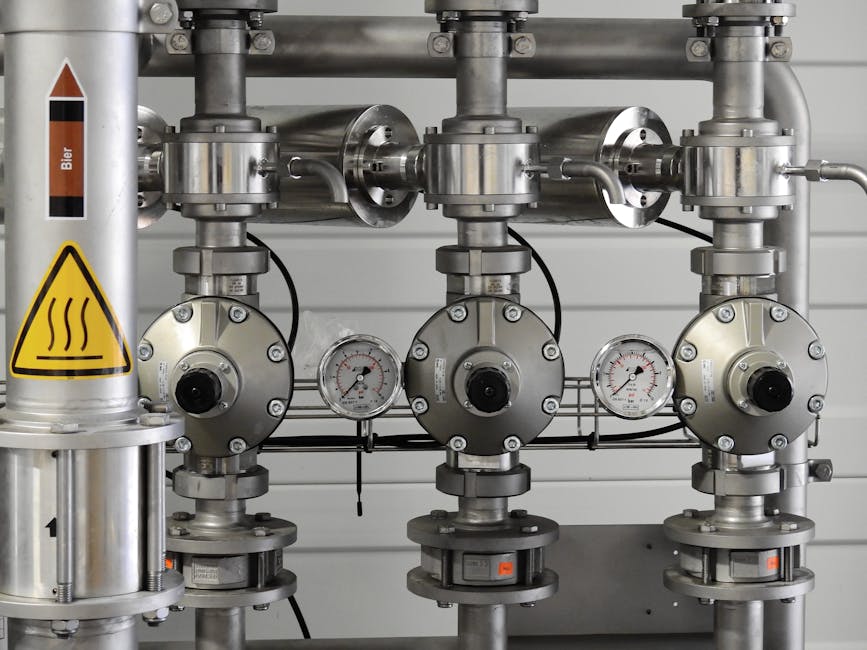
An Industrial Control System is essentially the nervous system of any manufacturing or utility operation. We’re talking about SCADA (Supervisory Control and Data Acquisition) systems, PLCs (Programmable Logic Controllers), DCS (Distributed Control Systems), and HMIs (Human-Machine Interfaces). These systems have traditionally been siloed, air-gapped, and built to run for 20–30 years without major updates.
Digital transformation in this context means bridging the gap between OT and IT — connecting these legacy systems to cloud platforms, AI analytics engines, and real-time dashboards without disrupting the physical processes they control. It’s a delicate balancing act. As of early 2026, a McKinsey report estimates that over 68% of global manufacturers have begun some form of ICS digitalization initiative, yet only 22% report achieving full-scale operational integration. The gap between starting and succeeding is enormous — and that’s where the real lessons live.
The Data Behind the Drive: Why Companies Are Making the Move
Let’s talk numbers, because this is where the logic really clicks into place:
- Downtime reduction: Companies that implemented predictive maintenance via digitized ICS reported a 35–45% decrease in unplanned downtime within the first 18 months (Gartner, 2026 OT Intelligence Report).
- Energy efficiency gains: Smart sensor integration in manufacturing plants has shown an average 18–25% reduction in energy consumption — a critical metric given 2026’s carbon compliance pressures in the EU and South Korea.
- Labor optimization: Automated anomaly detection in SCADA systems has reduced the need for round-the-clock manual monitoring shifts by up to 40% in pilot facilities across Germany and Japan.
- Cybersecurity improvements: Paradoxically, while digitization introduces new attack surfaces, companies using purpose-built OT security platforms (like Claroty or Dragos) report 60% faster threat detection compared to legacy isolated systems.
- ROI timeline: The average payback period for ICS digital transformation investments in mid-to-large industrial facilities now sits at 2.8 years, down from 4.5 years just five years ago — largely due to cheaper edge computing hardware and maturing cloud OT platforms.
Global Success Stories Worth Studying Closely
Let’s move from statistics to stories, because that’s where the strategy really comes alive.
🇩🇪 Siemens Amberg Electronics Plant, Germany: Often called the world’s most digital factory, Siemens’ Amberg facility completed its Phase 3 ICS integration in late 2025. Their SIMATIC PLC network now communicates directly with their MES (Manufacturing Execution System) and Azure-hosted AI analytics layer. The result? A product defect rate of just 0.0011% — roughly 11 defects per million components — which is practically science fiction by traditional manufacturing standards. The key insight here: they didn’t replace their legacy PLCs overnight. Instead, they added an OPC-UA (OPC Unified Architecture) middleware layer that allowed old and new systems to speak the same language. Incremental, smart, and respectful of what already worked.
🇰🇷 POSCO Steel, South Korea: Following an incident very similar to the one I mentioned in the intro, POSCO partnered with KT (Korea Telecom) and AWS to build a private 5G-enabled ICS backbone across their Pohang and Gwangyang plants. Real-time vibration sensors on blast furnace components now feed into a digital twin — a virtual replica of the physical plant — that predicts equipment failure up to 72 hours in advance. Since full deployment in mid-2025, they’ve reported zero major unplanned furnace shutdowns. Zero. That’s genuinely remarkable for a facility operating at those temperatures and pressures.
🇺🇸 Duke Energy, United States: In the utilities sector, Duke Energy has been rolling out their Intelligent Grid initiative across the Carolinas. Their SCADA modernization program integrated AI-driven load forecasting with their existing DCS infrastructure. During the 2025 summer heat wave — one of the most intense on record — their system autonomously rerouted power loads across substations with zero human intervention, preventing an estimated 3 regional blackouts. The lesson here is about trusting the system once it’s been properly trained and validated. That’s a cultural shift as much as a technical one.
🇯🇵 Fanuc Corporation, Japan: Fanuc’s FIELD (FANUC Intelligent Edge Link & Drive) system is a masterclass in ecosystem thinking. Rather than creating a closed platform, Fanuc opened their ICS data layer to third-party AI developers. By 2026, over 350 partner applications have been developed on the FIELD platform, turning their factory floors into app-enabled environments. Small and mid-sized manufacturers in Asia that couldn’t afford full digital transformation now access Fanuc’s intelligence as a service. This is a hugely important model for smaller players to watch.
The Pitfalls That Don’t Make It Into the Brochures
I’d be doing you a disservice if I only shared the wins. Let’s be honest about where digital ICS transformation gets complicated:
- Legacy protocol fragmentation: Many factories run a mix of Modbus, DNP3, and proprietary protocols from the 1990s. Getting these to communicate reliably with modern platforms often requires custom middleware that’s expensive and brittle.
- Cybersecurity exposure during transition: The hybrid phase — when old and new systems coexist — is the most vulnerable period. The 2024 Volt Typhoon incidents in US water utilities were a stark reminder of this.
- Workforce resistance: Operators who have spent decades reading analog dials often distrust digital dashboards. Change management is frequently underbudgeted and underestimated.
- Vendor lock-in risk: Several early adopters who went all-in on a single cloud OT platform found themselves paying steep premium fees once their contracts renewed. Open standards like OPC-UA and MQTT are your friends here.
Realistic Alternatives for Different Starting Points
Not every company is POSCO or Siemens. So let’s think through some tiered, practical approaches:
If you’re a small manufacturer with tight budgets: Start with a focused IIoT (Industrial Internet of Things) pilot on your single most failure-prone piece of equipment. Deploy edge sensors, connect them to a low-cost MQTT broker, and visualize data on an open-source platform like Grafana. You don’t need a full digital twin on day one. One machine, one insight, one win — then scale.
If you’re a mid-sized facility with some IT/OT staff: Consider a phased SCADA modernization. Upgrade your HMI layer first (the screens your operators use), then work backward to integrate PLCs via OPC-UA adapters. This preserves your existing field device investments while modernizing the decision-making layer. Budget realistically for 18–24 months of transition time.
If you’re a large enterprise with complex multi-site operations: The digital twin approach is worth the investment. Partner with vendors who offer open architecture (Aveva, Honeywell Forge, or Siemens Xcelerator are worth evaluating in 2026). Prioritize OT-specific cybersecurity from day one — don’t bolt it on later. And budget 15–20% of your transformation cost for change management and operator training. That number will save you from implementation failure.
Strong Editor’s Comment : What strikes me most about the ICS digital transformation stories succeeding in 2026 is that the technology, while impressive, is almost never the hardest part. The hardest part is the bridge-building — between IT and OT teams who speak different languages, between cautious operators and eager data scientists, between the urgency of innovation and the non-negotiable need for operational stability. The companies getting this right aren’t the ones with the biggest budgets. They’re the ones who treat their experienced floor engineers as co-designers rather than obstacles to change. If you take one thing from these case studies, let it be this: your best digital transformation consultants are probably already working your night shift.
태그: [‘industrial control system digital transformation’, ‘ICS SCADA modernization 2026’, ‘smart manufacturing success stories’, ‘OT IT convergence’, ‘digital twin factory’, ‘IIoT predictive maintenance’, ‘industrial cybersecurity OT’]
Leave a Reply