Category: Uncategorized

  • Siemens vs Allen-Bradley PLC: The Ultimate 2026 Comparison Review You Actually Need

    Picture this: It’s 2019, and a mid-sized automotive parts manufacturer in Ohio is in the middle of a major line upgrade. Their engineering team is split right down the middle — half swear by Siemens S7 series, the other half won’t touch anything but Allen-Bradley ControlLogix. The debate gets so heated that the project manager eventually has to flip a coin. Sound familiar? If you’ve spent any time on a factory floor or in a controls engineering office, you’ve probably lived some version of this story.

    Fast forward to 2026, and the Siemens vs. Allen-Bradley (Rockwell Automation) rivalry is still very much alive — but the landscape has shifted significantly. With the rise of IIoT (Industrial Internet of Things), edge computing integration, and increasingly stringent cybersecurity requirements, choosing the right PLC platform is no longer just about ladder logic and scan times. It’s a strategic decision that ripples across your entire operation for the next decade.

    So let’s think through this together, carefully and honestly, because the “right” answer genuinely depends on your situation.
    Siemens S7-1500 Allen-Bradley ControlLogix PLC side by side industrial automation 2026

    1. The Core Platforms: What Are We Actually Comparing?

    Before diving into specs, let’s get clear on what we’re talking about. Both companies offer tiered product lines, so a fair comparison means aligning the right tiers.

    • Siemens SIMATIC S7-1200 / S7-1500: The S7-1200 is Siemens’ compact workhorse for small-to-mid-scale applications, while the S7-1500 is their flagship for complex, high-speed, and safety-critical systems. As of 2026, the S7-1500 TM series now includes native OPC UA over TSN (Time-Sensitive Networking) support out of the box.
    • Allen-Bradley MicroLogix / CompactLogix / ControlLogix: Rockwell’s lineup mirrors this structure. MicroLogix for small tasks, CompactLogix for mid-range, and ControlLogix for mission-critical applications. The 2026 ControlLogix 5580 series now ships with enhanced cybersecurity firmware (v35+) as a response to CISA industrial advisory updates.

    2. Programming Environment: TIA Portal vs. Studio 5000

    This is where opinions get really passionate. Let’s break it down objectively.

    Siemens TIA Portal (v20, as of 2026): TIA Portal is genuinely impressive in terms of vertical integration. You can program your PLC, configure your HMI, set up your drives, and manage your network diagnostics — all within a single environment. The learning curve is steeper for those coming from a North American background, but the payoff in cross-platform consistency is real. Version 20 introduced AI-assisted function block suggestions, which has been a genuine productivity boost for experienced engineers.

    Rockwell Studio 5000 Logix Designer (v36, as of 2026): Studio 5000 remains the gold standard for ladder logic clarity and tag-based programming. For North American engineers especially, it feels intuitive. The Add-On Instruction (AOI) library ecosystem is vast, and the integration with FactoryTalk View and FactoryTalk Optix for HMI/SCADA is tightly coupled. Version 36 added native digital twin linking with Emulate3D, which is a significant workflow upgrade.

    Honestly? If your team is primarily North American-trained, Studio 5000 will get you to productivity faster. If you’re operating globally or integrating heavily with European supply chains and machinery, TIA Portal’s standardization advantage is hard to ignore.

    3. Hardware Performance & Specifications (2026 Benchmarks)

    Let’s look at some concrete numbers for the flagship models:

    • Siemens S7-1516F (S7-1500 series): 10 ns bit instruction time, up to 5 MB work memory for program, integrated PROFINET IRT, safety-rated up to SIL 3 / PLe. Typical list price range: $1,800–$2,400 USD (CPU only, 2026 pricing).
    • Allen-Bradley ControlLogix 5580 (1756-L85EP): 2 ns bit instruction time (impressive), 40 MB user memory, EtherNet/IP with DLR (Device Level Ring) topology support, safety integration via GuardLogix. Typical list price range: $2,200–$3,100 USD (CPU only, 2026 pricing).

    The ControlLogix wins on raw processing speed for the CPU comparison, but Siemens closes the gap significantly at the system level when you factor in the lower cost of Siemens I/O modules and distributed ET 200 systems. A full panel build-out often ends up being 15–25% less expensive on the Siemens side, depending on I/O count and communication requirements.

    4. Networking & IIoT Connectivity in 2026

    This category has become arguably the most important differentiator as factories accelerate their Industry 4.0 journeys.

    Siemens: PROFINET remains dominant in Europe and is gaining ground globally. The S7-1500’s native OPC UA server capability (no additional gateway needed) is a significant advantage for direct cloud connectivity. Siemens MindSphere cloud integration, now rebranded under the Siemens Xcelerator ecosystem, allows direct PLC-to-cloud data pipelines with minimal middleware.

    Allen-Bradley: EtherNet/IP is the backbone, and in North America, it’s ubiquitous. Rockwell’s integration with PTC ThingWorx (a long-standing partnership) and their own FactoryTalk Analytics platform gives them a strong IIoT story. The 2026 addition of native MQTT broker support in the ControlLogix firmware was a genuinely smart move that closed a previous gap.

    5. Real-World Examples: Who’s Using What in 2026?

    Let’s ground this in reality with some representative cases.

    BMW’s Leipzig Plant (Germany): Predominantly Siemens SIMATIC infrastructure, deeply integrated with their Digital Twin initiative via TIA Portal and Siemens NX. Their recent EV battery production line expansion in 2025–2026 doubled down on S7-1500 with PROFISAFE for collaborative robot cells. The consistency across their European facilities was a primary driver.

    General Motors’ Spring Hill Assembly (Tennessee, USA): A classic Allen-Bradley shop. Their ControlLogix-based systems are tightly integrated with GM’s proprietary MES, and the North American service network — dense with certified Rockwell technicians — makes downtime management predictable. When a module fails at 2 AM, a replacement can often be sourced within hours domestically.

    Samsung SDI Battery Manufacturing (South Korea & Hungary): Interestingly, a hybrid approach. Korean domestic lines lean Siemens (reflecting European partnership standards), while their Alabama and Indiana US facilities use Allen-Bradley to align with local workforce skills and supply chain. This is a growing trend in 2026 — multinational manufacturers maintaining platform diversity by region rather than standardizing globally.

    6. Support, Ecosystem & Total Cost of Ownership

    Hardware price is just the entry fee. Let’s think about the full picture:

    • Technical Support: Rockwell’s TechConnect support program is well-regarded in North America, with strong 24/7 phone support. Siemens’ Industry Online Support portal is genuinely excellent for self-service, with an enormous knowledge base — but regional support responsiveness varies more widely outside Germany and key markets.
    • Spare Parts Availability: In North America, Allen-Bradley wins on distribution density. Globally, Siemens has fewer geographic gaps. For facilities in Southeast Asia, South America, or Eastern Europe, Siemens often has the edge in parts availability.
    • Training & Workforce: North American community colleges and trade schools heavily favor Allen-Bradley curricula. If you’re hiring locally in the US or Canada, finding Studio 5000-proficient technicians is easier. Globally, the balance is more even.
    • Licensing Costs: TIA Portal licensing has historically been more affordable than Studio 5000 + associated FactoryTalk licenses. This gap has narrowed somewhat in 2026, but Siemens still holds a modest advantage here for smaller shops.
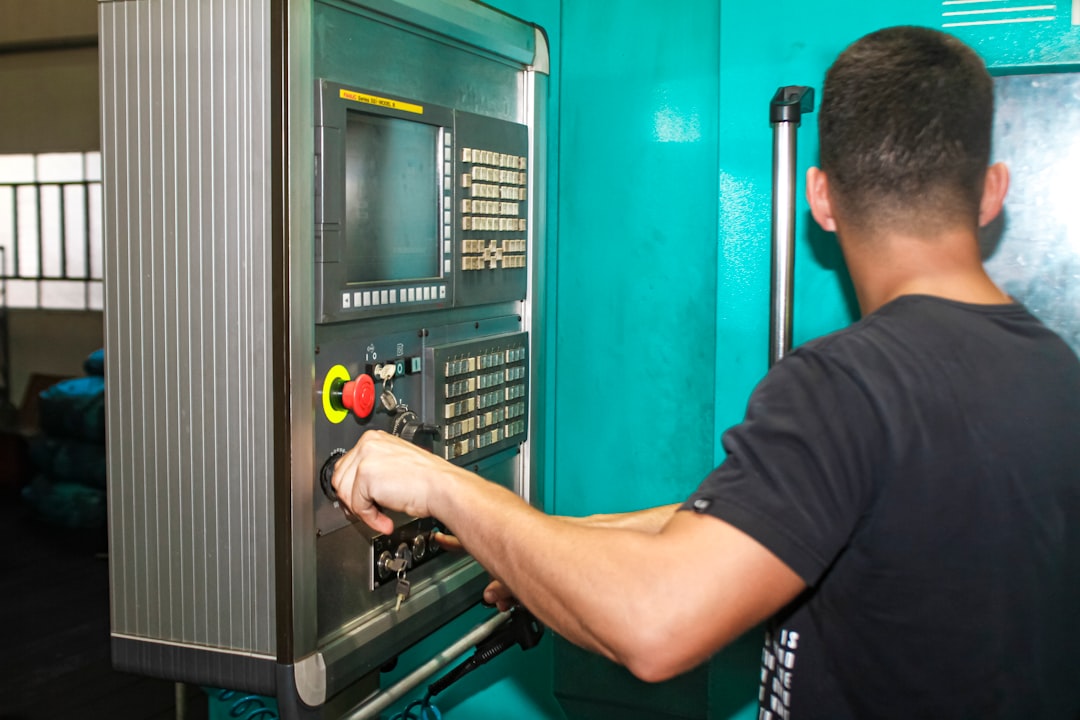
    industrial PLC control panel factory automation engineer programming 2026

    7. Cybersecurity: An Increasingly Critical Factor in 2026

    With ransomware attacks on industrial infrastructure hitting record levels in 2024 and 2025, both vendors have stepped up — but with different approaches.

    Siemens S7-1500 now ships with Integrity Monitoring (detecting unauthorized firmware changes) and TLS 1.3 encrypted communication as standard. Their Security Integrated concept embeds protection at the CPU level rather than relying solely on network perimeter defenses.

    Rockwell’s response has been equally serious. The 2026 ControlLogix firmware enforces digitally signed user programs and integrates with Claroty and Dragos industrial security platforms more seamlessly than any previous generation. Their partnership with Cisco for industrial network security (OT/IT convergence) remains one of the most mature in the industry.

    Conclusion: So Which One Should You Actually Choose?

    Here’s the honest, practical breakdown for 2026:

    • Choose Siemens if: You operate in Europe or have significant European supply chain integration, you want lower total cost of ownership on large I/O-count systems, your team is comfortable with structured text and IEC 61131-3 programming, or you’re deeply invested in the Siemens Xcelerator digital ecosystem.
    • Choose Allen-Bradley if: Your facility is in North America and local workforce skills and service density matter, you need the absolute fastest raw CPU processing for complex motion or high-speed applications, your MES/SCADA stack is already built on FactoryTalk, or you work in industries where ControlLogix is the de facto standard (automotive OEM lines, CPG, many process industries).
    • Consider a hybrid approach if: You’re a multinational manufacturer. Standardizing by region (AB in Americas, Siemens in Europe/Asia) is a legitimately smart strategy that many global manufacturers are formalizing in 2026.

    And don’t overlook the realistic alternatives: Mitsubishi Electric MELSEC iQ-R series has made serious inroads in Asia-Pacific and offers excellent price-performance, while Beckhoff TwinCAT 3 is winning converts in high-precision manufacturing and robotics where PC-based control makes more sense than traditional PLC architecture. For smaller operations with tighter budgets, Schneider Electric Modicon M580 offers solid IIoT capabilities at a more accessible price point.

    The bottom line: neither platform is universally superior in 2026. The “best” PLC is the one that aligns with your geography, your team’s skills, your ecosystem integrations, and your total cost picture. Don’t let brand loyalty — or a coin flip — make this decision for you.

    Editor’s Comment : After a decade of covering industrial automation, the most expensive mistake I see manufacturers make isn’t choosing the “wrong” platform — it’s choosing a platform without a clear 10-year support and skills roadmap. Whichever direction you go in 2026, make sure your choice comes with a talent pipeline plan. The hardware is only as good as the engineers who maintain it.


    📚 관련된 다른 글도 읽어 보세요

    태그: [‘Siemens vs Allen-Bradley 2026’, ‘PLC comparison review’, ‘industrial automation 2026’, ‘ControlLogix vs S7-1500’, ‘SIMATIC TIA Portal’, ‘Rockwell Automation PLC’, ‘IIoT PLC selection guide’]

  • 지멘스 vs 앨런브래들리 PLC 비교 리뷰 2026 – 현장 엔지니어가 알아야 할 진짜 차이점

    몇 해 전, 국내 중견 자동차 부품 제조사에서 신규 라인 구축을 앞두고 PLC 선정 회의를 한 적이 있었어요. 팀장은 “우리 협력사가 다 지멘스 쓰니까 그냥 지멘스로 가자”고 했고, 설비 담당 엔지니어는 “본사 글로벌 스탠더드가 앨런브래들리(Allen-Bradley)라서 바꾸면 유지보수가 난리난다”며 팽팽히 맞섰습니다. 결국 그 회의는 두 시간 넘게 이어졌고, 결론은 ‘일단 보류’였다고 하더군요. 웃픈 이야기지만, 현장에서 이 두 브랜드 사이의 선택은 생각보다 훨씬 무거운 의사결정이라는 걸 잘 보여주는 사례라고 봅니다.

    2026년 현재, 스마트 팩토리와 IIoT(산업용 사물인터넷) 확산이 가속화되면서 PLC 선택 기준도 단순한 “신뢰도”나 “가격” 이상으로 복잡해졌어요. 오늘은 독일의 지멘스(Siemens)와 미국의 로크웰 오토메이션(Rockwell Automation) 산하 앨런브래들리(Allen-Bradley), 이 두 거인을 여러 기준으로 함께 비교해 보겠습니다.

    Siemens S7 vs Allen Bradley ControlLogix PLC industrial comparison 2026

    1. 브랜드 포지션과 글로벌 시장 점유율

    2026년 기준 글로벌 PLC 시장은 약 190억 달러(한화 약 26조 원) 규모로 성장했습니다. 이 중 지멘스는 약 22~24%, 로크웰 오토메이션(앨런브래들리)은 약 18~20%의 점유율을 차지하고 있는 것으로 추정됩니다. 두 기업이 합산 40% 이상을 장악하고 있는 셈이죠.

    • 지멘스 SIMATIC S7 시리즈 – 유럽, 아시아, 중동에서 압도적인 점유율. 특히 독일 제조업 기반의 협력사 네트워크가 강점.
    • 앨런브래들리 ControlLogix / CompactLogix – 북미 시장에서 사실상 표준. 자동차, 식음료, 제약 등 미국 글로벌 기업들이 공장 스탠더드로 채택.
    • 국내 시장 – 현대·기아차 라인은 앨런브래들리 비중이 높고, 중공업·화학·반도체 장비 쪽은 지멘스 비중이 높은 경향이 있어요.

    2. 하드웨어 스펙 및 라인업 비교

    두 브랜드 모두 소형부터 대형까지 폭넓은 라인업을 보유하고 있지만, 구체적인 포지셔닝에서 차이가 납니다.

    • 지멘스 S7-1200 / S7-1500 – S7-1200은 소형 장비·OEM 시장용, S7-1500은 중대형 공정 자동화용. TIA Portal(토탈리 인터그레이티드 오토메이션 포털)을 통해 드라이브·HMI·안전 시스템을 단일 소프트웨어에서 통합 관리 가능. S7-1500T 모델은 모션 제어에 특화되어 있어요.
    • 앨런브래들리 CompactLogix / ControlLogix – CompactLogix는 중소형, ControlLogix는 대형 시스템용. Studio 5000 Logix Designer로 프로그래밍하며, Kinetix 서보 드라이브와의 통합이 매우 매끄럽습니다.
    • 사이클 타임 – 고성능 모델 기준, 지멘스 S7-1500의 비트 연산 처리 속도는 최대 1ns 수준, 앨런브래들리 ControlLogix L8x 시리즈도 이와 유사한 고속 처리 성능을 제공합니다.

    3. 소프트웨어 및 프로그래밍 환경

    현장 엔지니어들 사이에서 이 부분이 실제로 가장 많이 갈리는 포인트라고 봐요.

    • 지멘스 TIA Portal – Step 7 시절부터 이어온 강력한 통합 환경. 처음 배울 때 진입 장벽이 다소 높다는 평이 많지만, 익히고 나면 드라이브·HMI·안전 PLC까지 단일 플랫폼에서 구성할 수 있어서 대형 프로젝트에서 진가를 발휘합니다.
    • 앨런브래들리 Studio 5000 – 직관적인 인터페이스로 초보자 진입 장벽이 낮다는 평. Add-On Instruction(AOI) 기능은 재사용 가능한 코드 블록 관리에 탁월해서 표준화 작업이 잦은 라인에서 특히 유리합니다.
    • IIoT 연동 – 2026년 기준, 지멘스는 MindSphere 후속 플랫폼인 Siemens Xcelerator를 중심으로 클라우드 연동을 강화했고, 로크웰은 FactoryTalk Hub와 AWS/Azure 파트너십을 통해 데이터 분석 생태계를 넓혔습니다.

    4. 네트워크 및 통신 프로토콜

    스마트 팩토리 환경에서는 PLC의 성능만큼이나 “어떻게 연결되느냐”가 중요해졌어요.

    • 지멘스 – PROFINET, PROFIBUS, OPC UA를 기본 지원. 특히 OPC UA 서버 기능이 S7-1500에 내장되어 있어 별도 게이트웨이 없이 상위 시스템과 통신 가능.
    • 앨런브래들리 – EtherNet/IP가 핵심. ODVA 표준 기반으로 Cisco 등 IT 인프라와의 융합이 자연스러워, IT/OT 컨버전스 측면에서 강점을 가집니다.

    5. 가격 및 TCO(총 소유 비용)

    단순 구매가만 보면 판단이 왜곡될 수 있어서, TCO 관점으로 보는 게 중요합니다.

    • 초기 하드웨어 비용 – 동급 스펙 비교 시 두 브랜드 간 가격 차이는 크지 않으나, 지멘스가 소형 라인업(S7-1200)에서 소폭 저렴한 경우가 많아요.
    • 소프트웨어 라이선스 – Studio 5000은 라이선스 비용이 상대적으로 높다는 현장 의견이 많습니다. TIA Portal도 고급 기능은 유상이지만 기본 패키지 진입 비용은 다소 낮은 편.
    • 유지보수 및 부품 수급 – 국내 기준, 두 브랜드 모두 공식 대리점 및 AS망이 잘 갖춰져 있어요. 다만 지역에 따라 지멘스 부품 수급이 더 빠른 경우도 있고, 반대인 경우도 있으니 현지 서비스망 확인이 필수입니다.
    smart factory IIoT PLC network diagram industrial automation 2026

    6. 국내외 도입 사례

    이론이 아니라 실제 현장에서 어떻게 쓰이고 있는지를 보면 선택의 힌트가 보인다고 봐요.

    • 현대차 그룹 해외 공장 – 앨런브래들리 ControlLogix를 글로벌 라인 스탠더드로 적용 중인 것으로 알려져 있으며, Studio 5000 기반의 코드 표준화를 통해 공장 간 유지보수 효율을 높이고 있습니다.
    • 국내 반도체 장비 업체 – 일본·독일 협력사와의 연동이 잦은 특성상 PROFINET 호환성이 좋은 지멘스 S7-1500을 채택하는 사례가 많아요.
    • 유럽 식음료 라인 – 독일·이탈리아의 OEM 장비 제조사들은 TIA Portal 기반 지멘스 솔루션을 사실상 표준처럼 쓰고 있으며, 이를 그대로 납품받는 국내 기업들도 지멘스 환경을 유지하는 경향이 있습니다.
    • 북미 자동차 OEM 협력사 – GM, Ford 같은 미국 완성차 업체 납품 라인에서는 앨런브래들리 채택을 납품 조건으로 요구하는 경우도 있어요.

    7. 결론 – 어떤 PLC를 선택해야 할까?

    솔직히 말하면, “지멘스가 무조건 낫다” 혹은 “앨런브래들리가 최고다”라는 결론은 내리기 어렵다고 봐요. 두 브랜드 모두 2026년 기준 최고 수준의 신뢰성과 기술 완성도를 갖추고 있습니다. 결국 선택의 핵심은 아래 세 가지 질문으로 귀결된다고 봅니다.

    • 협력사·고객사 생태계는 어디에 맞춰져 있는가? – 같은 프로토콜, 같은 소프트웨어 환경이 유지보수 비용을 줄여줍니다.
    • 내 팀의 기술 베이스는 어느 쪽인가? – 재교육 비용과 러닝커브를 무시하면 안 돼요.
    • IIoT·클라우드 연동 로드맵이 있는가? – 있다면 각 브랜드의 디지털 전환 플랫폼 성숙도를 함께 검토해야 합니다.

    에디터 코멘트 : 새 라인 구축이라면 “현재 팀이 더 잘 다루는 쪽”을 기본값으로 두되, 협력사 요구사항과 글로벌 스탠더드를 함께 검토하는 것이 가장 현실적인 접근이라고 봅니다. 만약 두 환경이 혼재한다면, OPC UA나 EtherNet/IP 게이트웨이를 활용한 이종 PLC 통합 구성도 충분히 실현 가능한 대안이에요. 브랜드 선택보다 “유지보수 생태계 전체를 누가 책임지는가”를 먼저 따지는 것이 2026년 스마트 팩토리 시대의 현명한 판단 기준이 될 것 같습니다.


    📚 관련된 다른 글도 읽어 보세요

    태그: []

  • Best Full-Stack Frameworks to Use in 2026: A Developer’s Honest Guide to Choosing the Right One

    A friend of mine — a self-taught developer who’d been grinding through tutorials for about eight months — called me last week in a mild panic. “I’ve been learning React and Node for months,” he said, “but now everyone’s telling me I should’ve started with something different. Is it too late?” Sound familiar? If you’ve spent any time in developer communities recently, you’ve probably felt that same creeping anxiety about whether you’re betting on the right stack.

    Here’s the thing: in 2026, the full-stack landscape has genuinely matured in fascinating ways. It’s less about “which framework is best” and more about “which framework is best for your specific situation.” Let’s think through this together.

    full stack web development framework comparison 2026 developer workspace

    Why 2026 Is a Pivotal Year for Full-Stack Development

    The full-stack conversation has shifted dramatically. Server components have gone from experimental to mainstream. Edge computing has become a real deployment consideration, not just a buzzword. And AI-assisted coding tools have changed what a solo developer or small team can realistically build and maintain. All of this means the framework you choose isn’t just a technical decision — it’s a strategic one that affects your velocity, your hiring pool, and your product’s long-term scalability.

    According to the Stack Overflow Developer Survey data trends carried into 2026, JavaScript-based ecosystems still dominate adoption rates, but there’s been a noticeable surge in developers reaching for more opinionated, batteries-included frameworks rather than assembling their own tech stack from scratch. Developer fatigue from “framework assembly” is real, and the industry is responding.

    The Top Full-Stack Frameworks Worth Your Attention in 2026

    Let’s break down the leading contenders with honest assessments of who they’re actually for:

    • Next.js 15+ (React-based): Still the reigning champion for teams already invested in the React ecosystem. The App Router is now well-documented and stable, server components are genuinely production-ready, and Vercel’s edge deployment story is compelling. Best for: SaaS products, content-heavy apps, teams with existing React knowledge. Watch out for: the learning curve around server vs. client component boundaries can still trip up newer developers.
    • Nuxt 4 (Vue-based): Nuxt has quietly become one of the most developer-friendly full-stack frameworks available. Its file-based routing, auto-imports, and Nitro server engine make it genuinely enjoyable to work in. Best for: European startups (Vue has strong adoption there), agencies building client sites, developers who find React’s mental model exhausting.
    • SvelteKit 2.x: If you want to talk about pure developer joy, SvelteKit is hard to beat. Svelte’s compiled approach means less JavaScript shipped to the browser, and the framework’s simplicity means smaller teams can move fast. Best for: performance-critical applications, indie developers, projects where bundle size really matters.
    • Remix (now part of React Router v7): The merger of Remix into React Router was a big story heading into 2026. The web-fundamentals-first philosophy — leaning on native browser behavior rather than fighting it — has attracted a passionate community. Best for: teams who want to really understand how the web works, apps with complex data loading patterns.
    • Django + HTMX / Django + Inertia.js: Don’t sleep on this one. Python-based Django with modern hypermedia approaches has seen a genuine renaissance. With AI and data science workflows increasingly central to web apps, having your backend in Python is a serious advantage. Best for: data-driven applications, teams with Python expertise, rapid MVP development.
    • Laravel 12 (PHP-based): Yes, PHP. Laravel remains one of the most complete and pragmatic full-stack frameworks in existence. With Livewire and Volt pushing interactivity without heavy JavaScript overhead, and a genuinely excellent developer experience, Laravel is a serious contender — especially for bootstrapped founders. Best for: e-commerce, SaaS, teams who want everything in one place.
    • T3 Stack (Next.js + tRPC + Prisma + Tailwind): More of an opinionated stack than a framework, but worth mentioning because it’s become a go-to for TypeScript-first teams who want end-to-end type safety without fighting their tooling. Best for: TypeScript-heavy teams, teams building APIs consumed by multiple clients.

    Real-World Examples: What Teams Are Actually Using

    Let’s ground this in reality. Vercel’s own ecosystem data shows that Next.js powers a significant portion of new production deployments in North America and Western Europe — companies like Notion, Loom, and numerous fintech startups continue to build on it. In South Korea’s startup scene (which has one of the world’s most active developer communities), there’s been notable adoption of Nuxt among agencies and NestJS-backed full-stack setups for enterprise clients. Japan’s developer community has shown strong interest in SvelteKit for its performance characteristics, particularly for mobile-first web experiences.

    Meanwhile, Laravel’s continued dominance in Southeast Asian markets — particularly in Indonesia and the Philippines — speaks to how pragmatic, well-documented frameworks win in markets where developer resources are scaling rapidly. The “boring” choice is often the right business choice.

    modern web framework selection decision tree developer laptop 2026

    How to Actually Choose: A Logic-First Approach

    Instead of chasing trends, here’s a thinking framework I genuinely use when advising people:

    • Start with your team’s existing knowledge. Retraining has a real cost. If your team knows Vue, Nuxt will make them immediately productive. Don’t pivot to React just because the job postings look attractive.
    • Consider your deployment environment. Are you targeting edge networks? Next.js and Remix have strong stories here. Staying on traditional servers? Django and Laravel shine.
    • Think about your data layer. If your app is data-science-adjacent, Python’s ecosystem is unbeatable. If you want type-safe database queries out of the box, Prisma with T3 or similar TypeScript setups are compelling.
    • Assess your long-term hiring needs. React/Next.js has the largest talent pool by a significant margin. That matters at scale.
    • Prototype honestly. Pick two candidates, build the same small feature in each. Your visceral reaction after a day of coding is valuable data.

    Realistic Alternatives for Different Situations

    Not everyone is building the next VC-backed unicorn. Here’s my honest take on alternatives based on where you actually are:

    If you’re a solo developer building an MVP: SvelteKit or Laravel gives you the best productivity-to-complexity ratio. You can ship something real without a team of five.

    If you’re joining an existing codebase: Learn what they’re using. Framework debates are largely irrelevant when there’s existing code to maintain and business logic to understand.

    If you’re a bootcamp grad trying to land your first job: Next.js fluency will open the most doors in 2026. It’s not the most exciting advice, but it’s the most pragmatic.

    If you’re an agency building client sites: Nuxt or Laravel gives you the component reuse and CMS integration options that make client projects sustainable over time.

    If performance is your primary concern: SvelteKit’s compiled output and HTMX-based approaches consistently deliver smaller payloads. For global audiences on variable connections, that matters.

    The good news? There’s genuinely no catastrophically wrong answer among the frameworks we’ve discussed. They’re all maintained, all production-proven, and all have active communities. The “perfect framework” anxiety that my friend was experiencing is largely unfounded — what matters far more is depth of understanding over breadth of framework-hopping.

    Editor’s Comment : The most dangerous thing in 2026’s full-stack landscape isn’t choosing the “wrong” framework — it’s choosing a new one every six months because of Twitter discourse. Pick something from this list that matches your situation, go deep on it, and build something real. The developers who are winning right now aren’t the ones with the most framework diversity on their resume. They’re the ones who understand their chosen stack well enough to make it sing.


    📚 관련된 다른 글도 읽어 보세요

    태그: [‘full stack framework 2026’, ‘Next.js vs SvelteKit’, ‘best web framework 2026’, ‘full stack development guide’, ‘React framework comparison’, ‘Laravel vs Django 2026’, ‘web development stack recommendation’]

  • 풀스택 프레임워크 추천 2026: 지금 당장 배워야 할 최강의 선택지 5가지

    얼마 전 사이드 프로젝트를 막 시작한 친구에게서 연락이 왔어요. “프론트엔드랑 백엔드 따로 배우려니 너무 벅차고, 그냥 하나로 다 되는 거 없냐”는 거였죠. 사실 이 고민, 개발 입문자뿐만 아니라 1~3년 차 개발자들도 굉장히 많이 하는 것 같아요. 기술 스택이 워낙 빠르게 변하는 업계다 보니, 2026년 기준으로 어떤 풀스택 프레임워크를 선택하느냐가 생산성은 물론 커리어 방향성까지 바꿔놓을 수 있거든요.

    그래서 오늘은 2026년 현재 가장 주목받고 있는 풀스택 프레임워크들을 하나하나 살펴보면서, 어떤 상황의 개발자에게 어떤 선택이 맞는지 같이 고민해 보려 합니다.

    fullstack framework developer coding 2026

    풀스택 프레임워크, 왜 지금 다시 주목받는가?

    몇 년 전만 해도 “프론트는 React, 백엔드는 Node.js나 Django”처럼 조합을 직접 구성하는 방식이 대세였죠. 그런데 2026년에 들어서면서 분위기가 조금 달라졌어요. 개발자 한 명이 풀스택을 커버해야 하는 스타트업 환경이 늘어나고, AI 코딩 어시스턴트의 도움으로 프로젝트 속도 자체가 빨라지다 보니, “통합된 하나의 프레임워크”가 주는 생산성 이점이 훨씬 커진 거라고 봅니다.

    Stack Overflow의 2025년 개발자 설문에서도 풀스택 개발자 비율이 전체 응답자의 약 55%를 넘어섰고, GitHub의 오픈소스 프로젝트 트렌드에서도 풀스택 메타프레임워크 관련 레포지토리의 스타 증가율이 전년 대비 30% 이상 높아졌다는 집계가 있었어요. 수요가 그만큼 폭발적으로 늘고 있다는 뜻이라고 볼 수 있겠죠.

    ① Next.js 15 — 여전히 가장 넓은 생태계

    Next.js는 2026년에도 여전히 풀스택 프레임워크 중 가장 큰 생태계를 자랑합니다. Vercel이 꾸준히 업데이트를 밀어주고 있고, Next.js 15에서는 React Server Components(RSC)가 더욱 안정화되어 서버 사이드 로직과 클라이언트 UI를 하나의 파일 안에서 훨씬 자연스럽게 다룰 수 있게 됐어요.

    • 장점: npm 생태계 최대 규모, Vercel 배포와의 완벽한 통합, 레퍼런스 풍부
    • 단점: App Router 학습 곡선이 초보자에게는 여전히 가파른 편
    • 추천 대상: React에 이미 익숙하고, 빠르게 프로덕션 수준의 서비스를 만들고 싶은 개발자
    • 주요 사용 기업: Vercel, TikTok, Twitch, 국내 토스·카카오 일부 프로젝트

    ② Remix v3 — 웹 표준에 가장 충실한 선택

    Remix는 “웹 플랫폼의 기본 원칙으로 돌아가자”는 철학을 가진 프레임워크예요. 2026년 현재 v3가 출시되면서 Vite 기반 빌드 시스템이 완전히 자리 잡았고, 페이지 단위 데이터 로딩과 에러 핸들링 구조가 Next.js보다 훨씬 직관적이라는 평가가 많아요. 특히 폼 처리나 뮤테이션 로직이 간결하다는 점에서 백오피스, 관리자 페이지 개발에 강점을 보입니다.

    • 장점: 웹 표준(Fetch, FormData 등) 기반이라 이식성 높음, 데이터 로딩 패턴이 명확
    • 단점: Next.js 대비 커뮤니티 규모가 작아 레퍼런스 탐색에 시간이 더 걸릴 수 있음
    • 추천 대상: 웹 표준을 깊이 이해하고 싶거나, 복잡한 폼·뮤테이션 로직이 많은 앱을 개발하는 팀

    ③ SvelteKit 2 — 번들 크기와 성능의 새 기준

    SvelteKit은 “가상 DOM 없이도 이렇게 빠를 수 있다”는 걸 증명해 온 프레임워크죠. 2026년 기준 SvelteKit 2는 Runes 문법이 완전히 자리를 잡으면서 상태 관리 코드가 눈에 띄게 단순해졌어요. Svelte 5에서 도입된 Runes 덕분에 기존 스토어 방식보다 훨씬 선언적으로 반응형 상태를 다룰 수 있게 됐습니다.

    • 장점: 번들 크기 최소화, 높은 런타임 성능, 문법이 직관적이어서 학습 속도 빠름
    • 단점: 대형 프로젝트 레퍼런스 부족, 서드파티 라이브러리 호환성 체크 필요
    • 추천 대상: 퍼포먼스에 민감한 콘텐츠 중심 서비스, 번들 크기를 줄여야 하는 모바일 웹 프로젝트

    ④ Nuxt 4 — Vue 생태계의 풀스택 완성형

    Vue를 쓰는 팀이라면 Nuxt 4는 사실상 기본 선택지라고 볼 수 있어요. 2026년 Nuxt 4에서는 Nitro 서버 엔진의 성능이 크게 개선됐고, 국내 SI·에이전시 업계에서도 Vue + Nuxt 조합의 수요가 여전히 탄탄한 편이에요. 특히 공공기관이나 중견기업 프로젝트에서 Vue 기반 레거시를 유지하면서 SSR을 도입해야 하는 경우에 Nuxt 4가 현실적인 답이 되는 경우가 많다고 봅니다.

    • 장점: Vue 3 Composition API와 완벽한 통합, 자동 라우팅 및 레이아웃 관리 편리
    • 단점: React 중심 생태계에 비해 플러그인 선택지가 좁을 수 있음
    • 추천 대상: Vue에 익숙한 팀, 국내 SI·에이전시 환경에서 SSR이 필요한 프로젝트

    ⑤ TanStack Start — 새로운 도전자의 등장

    2025년 말 정식 출시 이후 2026년에 빠르게 주목받고 있는 프레임워크가 바로 TanStack Start예요. TanStack Query(구 React Query)로 유명한 Tanner Linsley가 만든 이 프레임워크는 타입 안전성을 최우선으로 설계됐어요. 서버 함수부터 라우팅까지 전체 스택에서 end-to-end 타입 안전성을 보장한다는 점이 TypeScript 헤비 유저들에게 큰 호응을 얻고 있습니다.

    • 장점: TypeScript 퍼스트 설계, TanStack Query와의 자연스러운 통합, 유연한 라우팅
    • 단점: 출시 초기 단계인 만큼 프로덕션 레퍼런스가 아직 쌓이는 중
    • 추천 대상: TypeScript를 깊이 활용하는 팀, 새로운 기술을 선도적으로 도입하는 것에 거부감이 없는 스타트업
    web development framework comparison chart modern stack

    국내외 실제 사례로 보는 프레임워크 선택의 기준

    해외에서는 Shopify가 Remix를 적극 도입해 자사 상점 관리 UI를 리빌딩한 사례가 잘 알려져 있어요. 폼 처리와 서버 뮤테이션이 잦은 이커머스 어드민 환경에서 Remix의 구조가 잘 맞아떨어진 케이스라고 볼 수 있겠죠.

    국내에서는 토스(Toss)가 Next.js App Router를 프로덕션에 적극 도입하면서 관련 기술 블로그를 꾸준히 공유하고 있는 게 업계에서 화제가 됐어요. 또 여러 국내 스타트업들이 SvelteKit을 랜딩 페이지나 마케팅 사이트에 활용하는 사례도 2026년 들어 부쩍 늘어난 것 같습니다. 성능과 개발 속도 두 가지를 모두 잡아야 하는 소규모 팀에게 매력적인 선택지이기 때문인 것 같아요.

    결론: 나에게 맞는 프레임워크를 고르는 현실적인 기준

    솔직히 말하면, 2026년에도 “이게 무조건 최고”인 프레임워크는 없어요. 팀의 기존 기술 스택, 프로젝트 성격, 배포 환경, 그리고 팀원들의 학습 여력에 따라 최선의 선택이 달라지기 때문이에요. 다만 아래 기준으로 좁혀보면 선택이 한결 수월해진다고 봅니다.

    • React 팀 + 빠른 출시 + 풍부한 레퍼런스 필요 → Next.js 15
    • 폼·뮤테이션 로직이 복잡한 어드민/백오피스 → Remix v3
    • 퍼포먼스 우선 + 번들 크기 최소화 + 빠른 학습 → SvelteKit 2
    • Vue 팀 + SSR 필요 + 국내 SI/에이전시 환경 → Nuxt 4
    • TypeScript 헤비 유저 + 최신 기술 선도 → TanStack Start

    새로운 프레임워크를 배우는 데 드는 시간과 비용도 분명히 고려해야 할 요소예요. “가장 핫한 것”을 쫓기보다는, 지금 내 팀이 가장 빠르게 익힐 수 있고 유지보수가 수월한 것을 고르는 게 장기적으로 더 나은 선택이 될 가능성이 높다고 봅니다.

    에디터 코멘트 : 2026년의 풀스택 프레임워크 판도는


    📚 관련된 다른 글도 읽어 보세요

    태그: []

  • Siemens PLC vs Mitsubishi PLC: The Ultimate 2026 Comparison Guide for Engineers and Buyers

    Picture this: you’re standing in the middle of a factory floor in 2026, surrounded by humming conveyor belts and robotic arms, and your plant manager just handed you the task of selecting a new PLC system for a major automation upgrade. You’ve narrowed it down to two giants — Siemens and Mitsubishi — and suddenly the decision feels a lot heavier than it should. Sound familiar? You’re not alone. This is one of the most debated choices in industrial automation, and honestly, there’s no single ‘right’ answer. Let’s think through this together.

    Siemens SIMATIC PLC panel industrial automation factory floor

    What Is a PLC, and Why Does Brand Matter?

    A Programmable Logic Controller (PLC) is essentially the brain of an automated system. It monitors inputs (sensors, switches), processes logic, and controls outputs (motors, valves, actuators). Think of it like a very fast, very reliable industrial computer that never calls in sick. Brand matters because PLCs are deeply integrated into your infrastructure — the programming environment, communication protocols, spare parts ecosystem, and local technical support all flow from your brand choice. Switching brands mid-lifecycle is painful and expensive.

    Brand Backgrounds: Two Very Different Philosophies

    Siemens (Germany) is the old guard of European industrial automation. Their flagship PLC line, SIMATIC S7 (covering S7-1200, S7-1500, and the legacy S7-300/400 series), is known for robustness, deep integration with TIA Portal software, and dominance in European and Middle Eastern markets. As of 2026, Siemens has been aggressively pushing their Industrial Edge and cloud-connected solutions, making their PLCs part of a broader Industry 4.0 ecosystem.

    Mitsubishi Electric (Japan) brings a different engineering philosophy — precision, compactness, and exceptional price-to-performance ratios. Their MELSEC iQ-R and MELSEC iQ-F series are the current flagship lines, celebrated for their high-speed processing and seamless integration with Mitsubishi’s servo systems and HMIs. They dominate in Asia-Pacific and are gaining serious ground in North America.

    Head-to-Head: Core Technical Specifications (2026 Data)

    Let’s get into the numbers that actually matter on a spec sheet:

    • Processing Speed: Mitsubishi’s iQ-R series boasts a scan cycle time as low as 0.98 ns per basic instruction, which is genuinely jaw-dropping for high-speed motion control. Siemens S7-1500 clocks in at around 1 ns per bit instruction — essentially neck-and-neck, though real-world performance varies by application.
    • Memory: Siemens S7-1500 offers up to 30 MB of work memory on high-end models. Mitsubishi iQ-R matches this with scalable memory options, typically up to 32 MB program memory depending on the CPU module.
    • Communication Protocols: Siemens natively supports PROFINET, PROFIBUS, Modbus TCP, and OPC UA. Mitsubishi supports CC-Link IE (their proprietary industrial Ethernet), SLMP, Modbus, and OPC UA. PROFINET is more universally adopted globally; CC-Link IE is faster in throughput but requires compatible devices.
    • Programming Software: Siemens uses TIA Portal (Totally Integrated Automation Portal) — a unified engineering framework that’s powerful but has a steep learning curve. Mitsubishi uses GX Works3 — widely regarded as more intuitive, especially for beginners, and it supports all IEC 61131-3 languages.
    • I/O Expansion: Both systems offer excellent modular I/O. Siemens ET 200 distributed I/O is industry-leading. Mitsubishi’s remote I/O via CC-Link IE is equally capable in Asian-centric networks.
    • Cybersecurity Features: As of 2026, both brands have upgraded significantly. Siemens integrates with their Sinema Remote Connect and Industrial Security Suite. Mitsubishi has partnered with MELSOFT to offer encrypted communication and role-based access control — a critical update post the global OT security mandates of 2024-2025.
    • Price Range (Entry-Level Systems): Mitsubishi iQ-F FX5U starter kits typically run $400–$800 USD. Siemens S7-1200 starter configurations range from $600–$1,200 USD. Mitsubishi consistently wins on initial cost.

    Real-World Applications: Who’s Using What?

    Let’s look at how these platforms perform outside the spec sheet, because that’s where the real story lives.

    Domestic (South Korea): South Korea’s manufacturing backbone — from Hyundai’s automotive assembly lines in Ulsan to Samsung’s semiconductor fab auxiliary systems — has historically leaned toward Mitsubishi for mid-range automation due to strong local distributor networks and competitive pricing. However, large chemical plants and utilities (especially those aligned with European engineering firms) have standardized on Siemens SIMATIC. In 2026, Korean system integrators report a roughly 55% Mitsubishi / 45% Siemens split in new mid-size factory projects.

    International Examples: Germany’s automotive giants — Volkswagen Group, BMW — have Siemens deeply embedded in their production lines, largely because Siemens’ TIA Portal integrates seamlessly with their broader digital twin and MES (Manufacturing Execution System) architectures. In contrast, Toyota’s global plants overwhelmingly use Mitsubishi PLCs, which makes perfect sense given the cultural and supply-chain alignment. In the U.S., a 2026 survey by Control Engineering Magazine found Siemens holding a 28% market share in large-scale process industries, while Mitsubishi leads in food & beverage and packaging automation with nearly 31% adoption.

    Mitsubishi MELSEC iQ-R PLC control cabinet manufacturing

    Ecosystem and Support: The Long Game

    Here’s something buyers often overlook: the PLC itself is only part of the investment. Consider the full ecosystem:

    • Training & Talent Pool: Siemens TIA Portal training is more widely available globally, and certified engineers command premium salaries. Mitsubishi GX Works3 is easier to self-learn, which is great for smaller teams.
    • Spare Parts Availability: Both brands are excellent in their respective strongholds. If you’re in rural Southeast Asia, Mitsubishi parts arrive faster. If you’re in Central Europe, Siemens wins hands-down.
    • Software Updates & Longevity: Siemens officially supports older S7-300/400 hardware through 2033 with extended lifecycle programs. Mitsubishi has committed to iQ-R series support well past 2035.
    • Integration with SCADA/HMI: Siemens WinCC is a powerhouse SCADA that integrates deeply with SIMATIC. Mitsubishi’s GOT series HMIs are plug-and-play with MELSEC PLCs — fewer headaches for smaller projects.

    Weaknesses — Let’s Be Honest

    Siemens weaknesses: TIA Portal licensing costs are substantial — a full professional license can exceed $3,000–$5,000 USD. The software is also resource-hungry and has a famously steep learning curve that can slow down smaller teams. Siemens hardware is premium-priced, which can price them out of budget-sensitive projects.

    Mitsubishi weaknesses: CC-Link IE, while technically excellent, is a proprietary protocol that can create vendor lock-in headaches in multi-vendor environments. Mitsubishi’s global support network outside Asia can be inconsistent — finding a certified Mitsubishi engineer in, say, Eastern Europe or Latin America is harder than finding a Siemens expert. Their cloud integration story, while improving, still lags behind Siemens’ Industrial Edge platform in maturity.

    Realistic Alternatives to Consider in 2026

    Here’s where I want to give you something genuinely useful — because sometimes the best answer isn’t either of these two giants:

    • Allen-Bradley (Rockwell Automation): If you’re in North America and your team already knows RSLogix 5000 / Studio 5000, staying in the Rockwell ecosystem may be the most cost-effective long-term decision. Their FactoryTalk suite is excellent for large, integrated facilities.
    • Beckhoff TwinCAT: For edge-computing-heavy applications or when you need PC-based control flexibility, Beckhoff’s software PLC approach is increasingly compelling in 2026, especially for R&D or highly customized automation.
    • Omron Sysmac: Often overlooked, Omron’s NX/NJ series offers a unified controller approach (PLC + motion + vision + safety) that can dramatically simplify architecture in medium-complexity systems. Very strong in food & pharma.
    • Hybrid Approach: Some integrators in 2026 are running Mitsubishi PLCs for machine-level control with Siemens SCADA/MES layers on top — leveraging cost efficiency at the device level while using Siemens’ stronger enterprise integration tools at the system level. Worth exploring if your budget allows it.

    So, Which Should YOU Choose?

    Here’s an honest framework: Choose Siemens if you’re working on large-scale process automation, your team has TIA Portal experience, you operate in Europe or the Middle East, and you need deep Industry 4.0 / cloud integration today. Choose Mitsubishi if you’re optimizing for cost-efficiency, you operate in Asia-Pacific, your application is motion-heavy (servo systems, high-speed packaging), or you need something your team can learn quickly without expensive training programs. Neither is categorically ‘better’ — they’re optimized for different contexts, and that nuance is what makes this decision worth thinking through carefully.

    Editor’s Comment : After years of watching engineers wrestle with this decision, here’s my honest take — the PLC wars between Siemens and Mitsubishi are less about raw specs and more about ecosystem fit. The best PLC is the one your team can actually maintain, that your supply chain can support, and that integrates cleanly with the rest of your plant architecture. Don’t let brand loyalty or marketing glossies make this call for you. Pilot both if the project allows it, and always — always — factor in 10-year total cost of ownership, not just the purchase price sticker. Your future self on the 2 AM maintenance call will thank you.


    📚 관련된 다른 글도 읽어 보세요

    태그: [‘Siemens PLC vs Mitsubishi PLC’, ‘SIMATIC S7-1500 review 2026’, ‘MELSEC iQ-R comparison’, ‘industrial automation PLC guide’, ‘TIA Portal vs GX Works3’, ‘PLC selection guide for engineers’, ‘factory automation 2026’]

  • 지멘스 PLC vs 미쓰비시 PLC 비교 리뷰 2026 — 현장 엔지니어가 실제로 느끼는 차이

    얼마 전 한 제조업 현장의 자동화 담당 엔지니어분이 이런 말을 했어요. “처음엔 그냥 유명한 거 쓰면 된다고 생각했는데, 막상 라인 구축하고 나니까 브랜드마다 철학이 완전히 다르더라고요.” 단순히 스펙 시트 숫자 하나로 결정하기엔 PLC(Programmable Logic Controller)는 너무 ‘생태계’가 깊은 제품이에요. 지멘스(Siemens)와 미쓰비시(Mitsubishi Electric), 이 두 브랜드는 글로벌 PLC 시장에서 수십 년간 나란히 정상권을 유지해 온 양강 구도라고 봅니다. 오늘은 이 두 브랜드를 여러 각도에서 함께 뜯어보고, 여러분의 현장에 어느 쪽이 더 맞는지 현실적인 힌트를 드려볼게요.

    ※ 본 리뷰는 2026년 현재 시점의 제품 라인업과 국내외 현장 사례를 바탕으로 작성되었습니다.

    Siemens PLC SIMATIC S7 Mitsubishi MELSEC industrial automation comparison

    🔧 먼저, 두 브랜드를 한 줄로 정리하면

    지멘스 PLC는 SIMATIC S7 시리즈(S7-1200, S7-1500 등)로 대표되며, 독일식 엔지니어링 철학인 ‘표준화와 통합’에 강점을 둔 라인이에요. 반면 미쓰비시 PLC는 MELSEC 시리즈(iQ-R, iQ-F 등)로 대표되며, 일본식 ‘현장 밀착형 고속 처리’에 특화된 느낌이라고 봅니다. 어느 쪽이 절대적으로 낫다기보다, 둘 다 자신만의 뚜렷한 아이덴티티가 있어요.


    📊 본론 1 — 스펙과 수치로 본 성능 비교

    ① 처리 속도 (스캔 타임)

    PLC의 기본기는 얼마나 빠르게 입출력 신호를 처리하느냐, 즉 스캔 타임(Scan Time)이에요. 2026년 현재 라인업 기준으로 살펴보면:

    • 지멘스 S7-1500 (CPU 1516-3 PN/DP 기준): 비트 명령어 처리 약 1ns 수준, OB(Organization Block) 최소 주기 1ms 설정 가능. 고성능 모션 제어 시 최대 125μs 주기 지원.
    • 미쓰비시 MELSEC iQ-R (R120CPU 기준): 기본 명령어 처리 0.98ns, 고속 I/O 응답 최소 0.2ms 수준으로 초고속 시퀀스 처리에서 미세하게 우위를 보이는 편이에요.

    수치만 보면 초고속 처리 측면에서는 미쓰비시 iQ-R 상위 모델이 약간 앞서는 인상이에요. 다만 실제 현장에서 이 차이가 체감되는 경우는 수십 축 이상의 멀티 모션 제어처럼 극한 상황에서라고 봐야 할 것 같아요.

    ② 프로그래밍 환경

    • 지멘스: TIA Portal(Totally Integrated Automation Portal) — STEP 7 기반의 통합 개발환경으로, HMI·드라이브·PLC를 하나의 소프트웨어에서 관리해요. 학습 곡선이 다소 가파르지만, 익숙해지면 강력한 통합성이 장점이에요. 버전 관리, 시뮬레이션(S7-PLCSIM) 기능이 특히 잘 되어 있어요.
    • 미쓰비시: GX Works3 — 직관적인 래더(Ladder) 다이어그램 중심이에요. 일본식 FA(Factory Automation) 현장에서 오랫동안 다듬어진 UI라 국내 중소 제조 현장에서도 진입 장벽이 낮다는 평가를 많이 받아요. IEC 61131-3 지원은 두 브랜드 모두 해요.

    ③ 네트워크 및 통신

    • 지멘스: PROFINET, PROFIBUS, OPC UA 네이티브 지원. 스마트 팩토리·IIoT 연동 측면에서 2026년 기준 업계 최강 수준이라 봐도 무방해요. MindSphere(현 Siemens Industrial Operations X) 같은 클라우드 플랫폼과의 연동이 탄탄해요.
    • 미쓰비시: CC-Link IE(기가비트 산업 이더넷), SLMP 프로토콜 지원. CC-Link IE Field Basic은 일반 이더넷 인프라 위에서도 구현 가능해 비용 효율이 높아요. e-F@ctory 개념으로 스마트 팩토리 솔루션도 제공 중이에요.

    ④ 가격 및 유지보수 비용

    국내 유통가 기준(2026년 1분기 견적 참고)으로 중급 CPU 모듈 하나만 비교해도 지멘스 S7-1500 중급형이 미쓰비시 iQ-R 동급 대비 약 10~25% 정도 높게 형성되는 경향이 있어요. 물론 환율·물류 상황에 따라 달라질 수 있어 절대적인 수치는 아니에요. 소모품(배터리, 메모리 카드 등) 단가도 지멘스 쪽이 소폭 높다는 현장 의견이 많아요.


    🏭 본론 2 — 국내외 실제 도입 사례

    🇩🇪 해외 — 독일·유럽 자동차 부품 공장

    독일 남부의 자동차 부품 1차 공급업체(Tier-1) 다수는 지멘스 SIMATIC S7-1500 + PROFINET 구성을 표준으로 채택하고 있어요. 이유는 간단한 것 같아요. 독일 내 지멘스 AS(After Service) 네트워크가 촘촘하고, 지멘스 본사와 기술 협력 채널이 열려 있어 신규 라인 도입 시 엔지니어링 지원이 빠르기 때문이라고 봅니다. 또한 BMW, 폭스바겐 등 완성차 OEM이 PROFINET 기반 공급망 표준을 요구하는 경우가 많다는 점도 작용해요.

    🇯🇵 해외 — 일본 반도체·FPD 장비 메이커

    일본 반도체 장비 및 FPD(Flat Panel Display) 제조사들은 미쓰비시 MELSEC iQ-R + CC-Link IE 조합을 선호하는 경향이 뚜렷해요. 초정밀 서보 제어와 PLC 타이밍 동기화가 중요한 환경에서, 미쓰비시의 모션 컨트롤러(Motion CPU)와 서보 앰프(MR-J5 시리즈)가 하나의 CC-Link IE 버스로 긴밀하게 연동되는 구조가 높이 평가받고 있는 것 같아요.

    🇰🇷 국내 — 이차전지·디스플레이 라인

    국내 이차전지 셀 제조라인(극판·조립 공정 등)에서는 두 브랜드 모두 혼용되는 경우를 자주 볼 수 있어요. 대형 EPC(설계·조달·시공) 업체가 라인 전체를 구성할 때는 지멘스 기반으로 통합하는 경우가 많고, 전용 장비(스팟 용접기, 노칭 머신 등) 단위에서는 미쓰비시 iQ-F 소형 모델이 탑재되는 패턴이 자주 관찰돼요. 설비 표준을 한 브랜드로 통일하고 싶다면 이 혼용 구조가 나중에 유지보수 부담으로 돌아올 수 있다는 점도 감안해야 할 것 같아요.

    smart factory PLC control panel automation production line Korea

    ✅ 한눈에 보는 선택 기준 요약

    • 🏗️ 스마트 팩토리·IIoT·클라우드 연동이 중심이라면 → 지멘스 SIMATIC S7-1500
    • 초고속 모션 제어·서보 동기화가 핵심이라면 → 미쓰비시 MELSEC iQ-R
    • 💰 중소 규모 현장, 비용 효율이 우선이라면 → 미쓰비시 iQ-F 또는 FX5U 시리즈
    • 🌍 글로벌 표준(유럽계 고객사 납품)이 요구된다면 → 지멘스 + PROFINET
    • 🔧 국내 중견 이하 유지보수 인력 확보가 고민이라면 → 두 브랜드 모두 국내 AS망은 양호하나, 미쓰비시 GX Works3 학습 진입장벽이 소폭 낮은 편
    • 🤝 완성차·반도체 장비 OEM 납품이 목표라면 → 발주처 표준 사양 먼저 확인 필수

    🎯 결론 — 어느 PLC를 선택해야 할까?

    “어느 브랜드가 더 좋냐”는 질문은 사실 “현장의 요구 사항이 무엇이냐


    📚 관련된 다른 글도 읽어 보세요

    태그: []

  • Edge Computing in Web Development: Real-World Use Cases Reshaping the Internet in 2026

    Picture this: you’re streaming a live sports match from halfway across the world, and not a single frame drops. Or imagine an e-commerce checkout page that loads in under 200 milliseconds regardless of whether you’re in Tokyo, Lagos, or São Paulo. A few years ago, these felt like wishful thinking. Today, in 2026, they’re increasingly the baseline expectation — and edge computing is the quiet engine making it happen.

    I’ve been deep in conversations with web architects and DevOps engineers lately, and one phrase keeps coming up: “We moved it to the edge.” So let’s unpack what that actually means, look at real examples, and figure out whether edge computing deserves a place in your next web project.

    edge computing network nodes global map servers

    What Exactly Is Edge Computing in the Web Context?

    Before we dive into use cases, let’s get grounded. Traditional web architecture routes every request to a centralized server (or data center). Edge computing, by contrast, pushes computation closer to the user — literally to the “edge” of the network. Think of CDN (Content Delivery Network) nodes, but smarter: instead of just caching static files, edge nodes can now run actual code.

    Platforms like Cloudflare Workers, Vercel Edge Functions, AWS Lambda@Edge, and Fastly Compute have commoditized this capability. In 2026, deploying a JavaScript/WebAssembly function to 300+ global edge locations takes minutes, not weeks.

    The Numbers Don’t Lie: Why Edge Matters for Web Performance

    Let’s talk data, because the performance argument for edge computing is genuinely compelling:

    • Latency reduction: Average round-trip time from a user in Southeast Asia to a US-East data center is ~180ms. With an edge node in Singapore, that drops to ~8ms. That’s a 95%+ reduction.
    • Core Web Vitals impact: Google’s 2026 ranking algorithms still heavily weight LCP (Largest Contentful Paint) and INP (Interaction to Next Paint). Edge-rendered pages consistently score 20–40% better on these metrics.
    • Server load distribution: Distributed edge execution means your origin server handles a fraction of requests — some teams report 70–80% reduction in origin traffic after edge adoption.
    • Global uptime resilience: With no single point of failure, edge-distributed apps naturally achieve 99.99%+ availability.

    Real-World Use Case #1 — Personalized Content at Scale (Netflix & Streaming Platforms)

    Streaming giants have been quiet pioneers here. Netflix’s edge layer in 2026 doesn’t just serve video chunks — it dynamically personalizes metadata, thumbnail variations, and even A/B test variants at the edge, before the response ever reaches the user’s browser. Previously, personalization logic lived on origin servers, adding 80–120ms per request. Moved to edge workers? That overhead is essentially eliminated.

    Smaller streaming startups are replicating this using Cloudflare Workers KV (a distributed key-value store) to store user preference flags and serve personalized landing pages without touching the origin at all.

    Real-World Use Case #2 — E-Commerce: Lightning-Fast Checkouts (Shopify & Boutique Brands)

    Shopify’s Oxygen hosting platform (their edge-native solution) became mainstream in 2025–2026, and the results for merchants are striking. Boutique brands running Hydrogen (Shopify’s React framework) on edge report cart abandonment rate drops of 12–18% — directly correlated with sub-300ms page loads globally.

    Here’s what’s actually happening at the edge for these stores:

    • Geo-based currency and pricing logic runs at the edge node — no origin round-trip needed
    • Inventory availability checks are cached at edge with smart invalidation
    • Auth tokens are validated at edge, reducing backend auth server load significantly
    • A/B testing (product page layouts, CTA button variations) is handled entirely by edge middleware

    Real-World Use Case #3 — South Korean & Asian Market Leaders Going Edge-Native

    This is where it gets interesting from a domestic perspective. South Korea’s major platforms — including Kakao and Naver — have been aggressively adopting edge strategies since late 2024. Naver’s Shopping vertical, dealing with flash sale traffic spikes of 50x normal load during events like their annual “Naver Shopping Live” broadcasts, migrated product listing pages to an edge-rendered architecture in early 2026. The result? Zero downtime during peak events that previously caused partial outages.

    In Japan, Rakuten Ichiba implemented edge-based geo-fencing for promotional content — users in specific prefectures see regionally relevant deals served entirely from edge nodes without any centralized routing. Response time for these personalized pages improved by 62% compared to their previous setup.

    Real-World Use Case #4 — Security & Bot Mitigation at the Edge

    Web security is perhaps the most underrated edge computing application. Traditional DDoS mitigation and bot detection required traffic to reach origin (or a specialized scrubbing center) before analysis. Edge-native security flips this:

    • Rate limiting is enforced at the edge node closest to the attacker — malicious traffic is stopped before it ever travels far across the network
    • Web Application Firewall (WAF) rules run as edge functions with sub-millisecond evaluation
    • Bot fingerprinting using browser challenge/response happens at the edge, protecting APIs without burdening origin servers
    • JWT validation at edge means unauthenticated requests are rejected before consuming any backend resources

    Cloudflare reported in their 2026 threat intelligence summary that customers using edge-native security configurations mitigated 94% of attack traffic before it reached origin infrastructure.

    edge computing security web firewall nodes distributed architecture

    Is Edge Computing Right for Your Web Project? Let’s Think Realistically

    Here’s where I want to reason through this with you honestly, because edge computing isn’t a universal silver bullet.

    Edge works brilliantly when:

    • Your user base is geographically distributed across multiple continents
    • Your workload involves stateless operations (auth checks, redirects, A/B logic, personalization headers)
    • You’re running compute-light functions that execute in under 50ms
    • Cold start latency is a concern (edge functions have near-zero cold starts vs. traditional serverless)

    Edge has real limitations when:

    • Your logic requires heavy database reads with complex joins — most edge runtimes have restricted database connectivity
    • You need Node.js-specific APIs (edge runtimes are often a subset of the full Node environment)
    • Your team is small and the operational complexity of managing edge deployments outweighs the performance gains
    • Your audience is highly localized (single country/region) — a well-optimized origin server in the right region may be sufficient

    Realistic alternatives by project size:

    • Solo developers / small projects: Start with Vercel’s Edge Middleware for basic geo-redirects and A/B testing. No infrastructure overhead.
    • Mid-size teams: Adopt a hybrid model — keep business logic on origin, push auth, caching, and personalization to edge workers.
    • Enterprise: Evaluate a full edge-native framework (Next.js App Router on Vercel, or Remix on Cloudflare Pages) with a distributed data layer like Turso or Cloudflare D1.

    Editor’s Comment : Edge computing in 2026 has crossed from “emerging trend” to “production standard” for teams that care about global performance and resilience. The most exciting part? The tooling has matured to the point where a two-person startup can deploy edge-native infrastructure that rivals what Fortune 500 companies were building with massive DevOps teams just three years ago. The question isn’t really whether to use edge computing anymore — it’s how much of your stack to push there, and that answer depends entirely on your users, your data complexity, and your team’s capacity. Start small, measure obsessively, and let the latency numbers guide you.


    📚 관련된 다른 글도 읽어 보세요

    태그: [‘edge computing web development’, ‘edge functions 2026’, ‘web performance optimization’, ‘Cloudflare Workers use cases’, ‘serverless edge architecture’, ‘e-commerce edge computing’, ‘web development trends 2026’]

  • 엣지 컴퓨팅, 웹 개발의 판을 바꾸다 – 2026년 실전 적용 사례 총정리

    얼마 전 지인 개발자 한 분이 이런 말을 하더라고요. “API 응답 속도 문제로 밤새 서버 붙잡고 씨름했는데, 엣지 함수 하나 올렸더니 레이턴시가 절반으로 뚝 떨어졌어.” 처음엔 과장인가 싶었는데, 직접 수치를 보고 나서 생각이 완전히 바뀌었습니다. 엣지 컴퓨팅(Edge Computing)이 더 이상 대기업 인프라 팀만의 이야기가 아니라는 걸 그날 체감했어요.

    2026년 현재, 엣지 컴퓨팅은 웹 개발 생태계 깊숙이 파고들었습니다. Vercel의 Edge Functions, Cloudflare Workers, AWS Lambda@Edge 같은 서비스들이 프론트엔드 개발자도 쉽게 엣지 런타임을 다룰 수 있도록 진입 장벽을 확 낮춘 덕분이라고 봅니다. 이번 글에서는 엣지 컴퓨팅이 실제 웹 개발 현장에서 어떻게 쓰이는지, 구체적인 수치와 사례를 중심으로 같이 들여다볼게요.

    edge computing web development architecture diagram 2026

    📊 숫자로 보는 엣지 컴퓨팅의 성능 임팩트

    엣지 컴퓨팅의 핵심 개념은 간단합니다. 데이터 처리를 중앙 클라우드 서버가 아니라, 사용자와 가장 가까운 네트워크 엣지 노드에서 수행한다는 거예요. 이게 왜 중요하냐면, 물리적 거리가 곧 레이턴시(Latency, 응답 지연 시간)로 직결되기 때문입니다.

    • 평균 레이턴시 감소: Cloudflare 2025년 연간 보고서에 따르면, 기존 오리진 서버 방식 대비 엣지 처리 방식으로 전환했을 때 평균 TTFB(Time To First Byte)가 40~70% 감소하는 사례가 확인됐습니다.
    • Core Web Vitals 개선: LCP(Largest Contentful Paint) 수치가 엣지 캐싱 적용 후 평균 1.8초 → 0.9초로 개선된 e-커머스 사례가 보고되었어요. 구글 SEO 랭킹에도 직접적인 영향을 미치는 지표입니다.
    • 서버 비용 절감: 오리진 서버로 향하는 트래픽 자체가 줄어들기 때문에, 컴퓨팅 비용이 최대 35% 절감된다는 분석도 있습니다.
    • 글로벌 시장 규모: 시장조사기관 Gartner의 2026년 전망에 따르면, 엣지 컴퓨팅 글로벌 시장은 약 870억 달러 규모로 성장할 것으로 예측됩니다. 이 중 웹·앱 서비스 관련 엣지 워크로드가 전체의 약 38%를 차지할 것으로 보여요.

    단순히 빠르다는 게 아니라, 속도가 곧 비즈니스 지표에 영향을 미친다는 점에서 웹 개발자라면 흘려들을 수 없는 숫자들인 것 같습니다.


    🌍 국내외 실전 적용 사례들

    이론은 충분히 매력적이지만, 역시 실제 적용 사례를 봐야 피부에 와닿죠. 몇 가지 주목할 만한 케이스를 소개할게요.

    ① Shopify – 개인화된 쇼핑 경험을 엣지에서 처리하다

    글로벌 e-커머스 플랫폼 Shopify는 수백만 개의 쇼핑몰을 운영하는데, 사용자마다 다른 언어, 통화, 추천 상품을 보여줘야 합니다. 기존에는 이 개인화 로직을 중앙 서버에서 처리했는데, 2025년부터 Cloudflare Workers 기반 엣지 로직으로 전환하면서 동남아 및 남미 지역 사용자의 페이지 로드 시간이 평균 55% 단축됐다고 밝혔어요. 특히 인터넷 인프라가 상대적으로 취약한 지역일수록 엣지 효과가 극적으로 나타난다는 점이 흥미롭습니다.

    ② 국내 스트리밍 플랫폼 – 실시간 자막 및 콘텐츠 필터링

    국내 한 OTT 서비스(공개 사례 기준)는 실시간 스트리밍 중 AI 기반 자막 생성과 연령 제한 콘텐츠 필터링을 엣지 노드에서 처리하는 구조를 도입했습니다. 모든 요청이 중앙 서버를 거치던 기존 방식에서는 필터링 딜레이가 평균 200ms 이상이었는데, 엣지 처리 후 30ms 이하로 줄었다고 해요. 라이브 방송 환경에서 200ms는 체감상 꽤 큰 차이입니다.

    ③ Next.js + Vercel Edge Middleware – 인증 처리의 혁신

    많은 웹 개발 팀이 Next.js 미들웨어를 엣지 런타임에서 실행하는 방식으로 사용자 인증 및 A/B 테스트 라우팅을 처리하고 있습니다. JWT 토큰 검증이나 지역별 리다이렉트 같은 작업을 오리진 서버 대신 엣지에서 처리하면, 불필요한 서버 왕복을 없앨 수 있어요. 특히 콜드 스타트 문제가 없는 V8 기반 엣지 런타임의 특성상, 서버리스 함수의 고질적인 단점을 극복할 수 있다는 점에서 주목받고 있습니다.

    edge function real-time web application latency comparison

    ④ 금융·핀테크 – 사기 탐지를 엣지에서 실시간으로

    해외 핀테크 기업 Stripe는 결제 요청이 들어올 때 사기 패턴 분석의 첫 번째 레이어를 엣지 노드에서 실행하는 아키텍처를 적용하고 있다고 봅니다. 민감한 금융 데이터를 불필요하게 중앙 서버까지 전송하지 않고 1차 필터링을 엣지에서 마치는 방식인데, 이는 GDPR·개인정보보호 관점에서도 유리한 구조예요. 데이터가 사용자 근처에서 처리되고 최소한만 중앙으로 전달되니까요.


    🛠️ 엣지 컴퓨팅, 어떤 상황에서 쓰면 좋을까?

    물론 엣지 컴퓨팅이 모든 상황의 만능 해법은 아닌 것 같아요. 적합한 유즈케이스와 그렇지 않은 경우를 함께 정리해 보면 이렇습니다.

    • 엣지에 적합한 케이스: 인증/인가 처리, A/B 테스트 라우팅, 지역별 콘텐츠 분기, 정적 자산 캐싱, 봇 탐지 및 차단, 실시간 개인화 헤더 삽입
    • 엣지에 부적합한 케이스: 복잡한 DB 트랜잭션, 대용량 파일 처리, 상태(State)를 유지해야 하는 복잡한 비즈니스 로직, Node.js 전용 라이브러리에 의존하는 코드 (엣지 런타임은 Web API 기반이라 Node API 일부를 지원하지 않아요)
    • ⚠️ 주의해야 할 케이스: 엣지 함수의 실행 시간 제한(Cloudflare Workers는 CPU 시간 기준 최대 50ms, Vercel은 요청당 25초 등 플랫폼별 상이)을 반드시 고려해야 합니다.

    2026년의 웹 개발 환경은 ‘어디서 코드를 실행하는가’를 적극적으로 고민해야 하는 시대로 접어들었습니다. 엣지 컴퓨팅은 그 고민에 대한 하나의 강력한 답안인 것 같아요. 다만, 새로운 패러다임인 만큼 런타임 제약, 디버깅 환경의 복잡성, 벤더 락인(Vendor Lock-in) 리스크도 함께 고려하는 균형 잡힌 시각이 필요하다고 봅니다.

    엣지를 무조건 도입하려는 것보다, 현재 서비스의 병목이 어디에 있는지를 먼저 파악하고 그 지점에 엣지를 적용해 보는 접근이 현실적으로 훨씬 효과적인 것 같아요.

    에디터 코멘트 : 엣지 컴퓨팅에 처음 입문한다면, Cloudflare Workers의 무료 플랜이나 Vercel의 Edge Middleware를 Next.js 프로젝트에 적용해 보는 것부터 시작해 보세요. 코드 몇 줄로 인증 로직을 엣지로 옮기는 실험만으로도, 레이턴시 개선을 직접 체감할 수 있을 겁니다. 이론보다 손이 먼저 움직이는 게 이 분야에서는 가장 빠른 학습법인 것 같습니다.


    📚 관련된 다른 글도 읽어 보세요

    태그: [‘엣지컴퓨팅’, ‘웹개발트렌드2026’, ‘CloudflareWorkers’, ‘NextJS엣지함수’, ‘레이턴시최적화’, ‘서버리스아키텍처’, ‘CoreWebVitals’]

  • Building a React & Node.js Full-Stack Project in 2026: A Practical Roadmap That Actually Works

    Picture this: it’s 2 AM, your coffee’s gone cold, and you’re staring at a blank terminal window wondering why your React frontend refuses to talk to your Node.js backend. Sound familiar? I’ve been there — and honestly, most developers building their first full-stack project hit exactly this wall. The good news? In 2026, the tooling, the community resources, and the architectural patterns have matured enormously, making this journey less painful and — dare I say — genuinely exciting.

    Let’s think through this together, step by step, from project scaffolding all the way to a working, deployable application.

    React Node.js full-stack architecture diagram 2026

    Why React + Node.js Still Dominates in 2026

    You might wonder — with frameworks like Next.js, Remix, and Bun pushing boundaries — why focus specifically on a decoupled React + Node.js setup? The answer lies in flexibility and market demand. According to the Stack Overflow Developer Survey data trending into 2026, JavaScript remains the most widely used language for the 14th consecutive year, and Node.js powers approximately 43% of backend services among full-stack developers. React, meanwhile, holds a commanding presence in frontend frameworks at roughly 40% adoption.

    A decoupled architecture — where your React app lives separately from your Node.js API — gives you the freedom to scale each layer independently, swap out either layer if business needs change, and deploy to different infrastructure optimized for each concern. That’s a real-world advantage worth understanding deeply.

    Setting Up Your Project Structure: Monorepo vs. Separate Repos

    Before writing a single line of code, the biggest architectural decision is how to organize your codebase. In 2026, monorepos managed by tools like Turborepo or pnpm workspaces have become the go-to choice for professional teams. Here’s a realistic project structure to consider:

    • /apps/client — Your React application (built with Vite for blazing-fast HMR)
    • /apps/server — Your Node.js + Express (or Fastify) REST or GraphQL API
    • /packages/shared — Shared TypeScript types, utility functions, and validation schemas (Zod is gold here)
    • /packages/ui — Optional shared component library if you’re building multiple frontends
    • /infra — Docker Compose files, environment configs, CI/CD scripts

    The shared packages folder is the underrated hero of this setup. Defining your API response types once and importing them in both your frontend and backend eliminates an entire category of bugs — the dreaded “the API sends a string but the UI expects a number” class of errors.

    The Node.js Backend: Express vs. Fastify in 2026

    Express has been the default for a decade, but by 2026, Fastify has become a serious contender worth your attention. Fastify offers schema-based request validation out of the box (using JSON Schema), significantly lower overhead (~35,000 req/sec vs Express’s ~15,000 in typical benchmarks), and first-class TypeScript support. If you’re starting fresh today, consider Fastify — though Express remains perfectly valid for simpler projects or teams already familiar with it.

    A typical Node.js backend for a full-stack project should include:

    • Authentication layer — JWT tokens or session-based auth using libraries like passport.js or the more modern lucia-auth
    • Database ORM — Prisma continues to lead in developer experience, with Drizzle ORM emerging as a lighter, more performant alternative
    • Input validation — Zod schemas shared with the frontend (this is where your /packages/shared folder pays dividends)
    • Error handling middleware — A centralized error handler that returns consistent JSON error shapes to the client
    • Rate limiting and security headershelmet.js and express-rate-limit are non-negotiable in production

    The React Frontend: State Management Isn’t One-Size-Fits-All

    One of the most common mistakes beginners make is reaching for Redux the moment they need shared state. Let’s reason through this more carefully. In 2026, the React ecosystem has converged around a layered state management approach:

    • Server state — Use TanStack Query (formerly React Query). It handles caching, background refetching, optimistic updates, and loading/error states so elegantly that you’ll wonder how you survived without it.
    • Client UI state — useState and useReducer cover 80% of cases. For truly global UI state (theme, sidebar open/closed), Zustand is lightweight and intuitive.
    • URL state — Don’t underestimate how much state belongs in the URL. Libraries like nuqs make syncing URL search params with React state painless.
    • Form state — React Hook Form paired with Zod validation is the 2026 standard, full stop.

    Real-World Examples: How Teams Are Doing This

    Let’s ground this in reality. Shopify’s internal tooling team famously uses a React + Node.js architecture for many of their merchant-facing dashboards, leveraging the shared type approach we discussed to keep their large distributed team aligned. On the startup side, Korean SaaS companies like Channel.io (a customer messaging platform) have published engineering blog posts describing how their React frontend and Node.js microservices communicate through a well-defined API contract — a model that’s directly applicable to your project.

    For indie developers and small teams, the T3 Stack (TypeScript, tRPC, Tailwind, Prisma) deserves mention as a prescriptive but highly practical opinionated stack that combines a React-based frontend with a Node.js backend — offering end-to-end type safety without a separate REST or GraphQL layer. It’s gained enormous traction in the developer community through 2025 and into 2026.

    full-stack developer workflow React Node.js deployment pipeline

    Deployment: Where Your Project Becomes Real

    A full-stack project that only runs on localhost is a hobby project. Let’s talk deployment. The most pragmatic path in 2026 for a React + Node.js project:

    • React frontend — Deploy to Vercel or Cloudflare Pages. Both offer generous free tiers and global CDN distribution.
    • Node.js backend — Railway, Render, or Fly.io all support Node.js servers with minimal configuration. Railway in particular has become a developer favorite for its simplicity.
    • Database — Neon (serverless PostgreSQL) or PlanetScale-alternatives like Turso for SQLite-based setups have made managed databases accessible even for solo developers.
    • Environment variables — Use .env files locally and your platform’s secret management in production. Never commit secrets to Git — this sounds obvious but remains a top security mistake.

    Realistic Alternatives Based on Your Situation

    Not every project needs the full decoupled React + Node.js setup. Let’s be honest about when alternatives might serve you better:

    • If you’re solo and moving fast — Consider Next.js, which collapses the frontend/backend boundary into a single framework with API routes. You lose some architectural purity but gain massive development velocity.
    • If your team is backend-heavy — Look at HTMX paired with Node.js. It returns HTML fragments from the server and requires minimal JavaScript knowledge on the frontend side.
    • If you need real-time features heavily — Evaluate whether adding Socket.io to Node.js is sufficient, or whether a dedicated platform like Supabase Realtime might reduce your infrastructure complexity.
    • If performance is a top concern — Consider replacing Node.js with Bun as your runtime. Bun’s compatibility with the Node.js ecosystem has improved dramatically, and its raw performance numbers are compelling.

    The architecture that works best is the one your team can actually maintain and iterate on. A “perfect” architecture that slows your team down is worse than a “good enough” one that lets you ship.

    Building a React and Node.js full-stack project in 2026 is genuinely one of the most empowering things a developer can do — it gives you end-to-end ownership of a product, sharpens your understanding of how the web works at every layer, and opens doors to both freelance and full-time opportunities. Start with a simple project (a task manager, a recipe app, anything that solves a real problem for you), apply these patterns incrementally, and resist the urge to add complexity before you need it. The journey is the learning.

    Editor’s Comment : What I love about the React + Node.js stack is that it rewards curiosity. Every time you trace a bug from the UI all the way down to a database query, you’re building an intuition that no tutorial can fully teach. Start messy, refactor with intention, and don’t let perfect be the enemy of shipped. The best full-stack project is the one you actually finish — even if it has rough edges.


    📚 관련된 다른 글도 읽어 보세요

    태그: [‘React Node.js full-stack 2026’, ‘full-stack web development’, ‘Node.js backend setup’, ‘React frontend architecture’, ‘JavaScript full-stack project’, ‘monorepo React Node’, ‘full-stack deployment guide’]

  • 2026년 React와 Node.js 풀스택 프로젝트 구축 완전 가이드 | 입문부터 배포까지

    지난해 말, 한 스타트업 팀의 CTO가 이런 고민을 털어놓았어요. “프론트엔드는 React로 잘 돌아가는데, 백엔드를 Python으로 따로 운영하다 보니 팀 안에서 컨텍스트 전환 비용이 너무 크다”고요. 결국 그 팀은 백엔드를 Node.js로 마이그레이션하면서 개발 속도가 눈에 띄게 빨라졌다고 합니다. JavaScript 하나로 프론트와 백을 모두 커버할 수 있다는 게 단순한 편의가 아니라, 실제 비즈니스 임팩트로 이어진 사례라고 봅니다.

    2026년 현재, React + Node.js 풀스택 조합은 전 세계 개발자 커뮤니티에서 가장 활발하게 채택되는 스택 중 하나예요. 이 글에서는 왜 이 조합이 강력한지, 그리고 실제로 프로젝트를 어떻게 구조화하면 좋은지 함께 살펴볼게요.

    React Node.js fullstack project architecture diagram

    📊 본론 1 | 숫자로 보는 React + Node.js의 위상

    Stack Overflow Developer Survey 2026 기준으로 보면, JavaScript는 14년 연속 가장 많이 사용되는 언어로 자리를 지키고 있어요. 그리고 그 생태계의 핵심에 React와 Node.js가 있다고 봅니다.

    • 🌐 React 사용률: 전체 프론트엔드 프레임워크 중 약 42.6%로 1위 유지 (2026 기준)
    • ⚙️ Node.js 사용률: 백엔드 런타임 중 약 40.8%로 압도적 1위
    • 💼 풀스택 JavaScript 개발자 연봉: 국내 평균 5,800만 원~8,500만 원 수준 (2026년 잡코리아·원티드 데이터 참조)
    • 🚀 npm 패키지 수: 2026년 기준 250만 개 이상으로, 어떤 기능이든 빠르게 붙일 수 있는 생태계 구축
    • Node.js의 비동기 처리 성능: 동일 요청 처리 시 PHP 대비 약 3~5배 빠른 응답 속도 (벤치마크 환경에 따라 다름)

    이 수치들이 의미하는 건, 단순히 인기 있다는 것 이상이에요. 생태계가 크다는 건 곧 레퍼런스가 많고, 문제가 생겼을 때 해결책을 찾기 쉽다는 뜻이기도 하거든요. 특히 팀 규모가 작은 스타트업이나 사이드 프로젝트를 진행하는 개발자에게 이 부분은 결정적인 강점이라고 봅니다.

    🏢 본론 2 | 국내외 실제 사례로 보는 풀스택 전략

    해외 사례 — Netflix: 넷플릭스는 UI 렌더링 레이어를 React로, 일부 마이크로서비스를 Node.js로 운영하는 구조를 오래전부터 유지해왔어요. 특히 서버사이드 렌더링(SSR)을 통해 초기 로딩 속도를 줄이고, 사용자 이탈률을 의미 있게 낮춘 사례로 자주 인용됩니다.

    국내 사례 — 토스(Toss): 비바리퍼블리카의 토스팀은 React 기반의 컴포넌트 디자인 시스템(Toss Design System)을 공개하며 국내 프론트엔드 생태계에 큰 영향을 미쳤어요. 백엔드 일부 API 서버에서도 Node.js 기반 BFF(Backend for Frontend) 패턴을 적극 활용하고 있다고 알려져 있습니다.

    스타트업 관점 — 빠른 MVP 구축: 국내 여러 초기 스타트업들이 React + Express(Node.js 기반) 조합으로 3~4주 안에 MVP를 출시한 사례가 늘고 있어요. 별도의 언어 전환 없이 풀스택을 한 명이 커버할 수 있다는 점에서, 인력이 부족한 초기 단계에 특히 유리한 것 같습니다.

    fullstack JavaScript developer coding React Node.js project setup

    🛠️ 실전 프로젝트 구조 — 어떻게 세팅하면 좋을까요?

    아래는 2026년 기준 많이 채택되는 모노레포(Monorepo) 방식의 기본 폴더 구조 예시예요. Turborepo 또는 Nx를 활용하면 프론트와 백 코드베이스를 하나의 저장소에서 효율적으로 관리할 수 있다고 봅니다.

    • 📁 /apps/client — React (Vite 또는 Next.js 기반 프론트엔드)
    • 📁 /apps/server — Node.js + Express 또는 Fastify 기반 REST/GraphQL API
    • 📁 /packages/shared — 타입 정의, 유틸 함수 등 공통 모듈 (TypeScript 활용 시 특히 강력)
    • 📄 turbo.json — 빌드 파이프라인 설정
    • 📄 docker-compose.yml — 로컬 개발 환경 컨테이너 구성

    여기서 핵심은 TypeScript를 프론트와 백 모두에 적용하는 거예요. 같은 타입 정의를 shared 패키지에서 공유하면, API 응답 타입이 바뀔 때 프론트에서도 즉시 오류를 잡아낼 수 있거든요. 이게 생산성에서 체감 차이가 꽤 크다고 봅니다.

    ☁️ 배포 전략 — 2026년의 현실적인 선택지

    • Vercel + Railway 조합: React 프론트는 Vercel에, Node.js 백엔드는 Railway에 배포하는 방식. 소규모 프로젝트에 가장 빠르고 비용 효율적인 것 같아요.
    • AWS EC2 + S3 + CloudFront: 트래픽이 늘어나는 시점에 고려할 수 있는 클래식한 구성. 제어권이 높지만 DevOps 리소스가 필요합니다.
    • Docker + Kubernetes (EKS/GKE): 팀 규모가 커지고 마이크로서비스 전환을 고려한다면 이 방향이 맞다고 봐요.
    • Next.js 단독 풀스택: API Routes 또는 Server Actions를 활용하면 별도 Node 서버 없이 Vercel 하나로 풀스택을 커버할 수도 있어요. 단, 복잡한 비즈니스 로직엔 한계가 있습니다.

    ✍️ 결론 | 지금 시작하는 분들께 드리는 현실적인 제안

    React와 Node.js를 함께 배운다는 건, 처음엔 두 가지를 동시에 익혀야 한다는 부담이 있어요. 하지만 둘 다 JavaScript 기반이기 때문에, 하나를 잘 이해하면 다른 하나로 넘어가는 데 드는 학습 곡선이 눈에 띄게 완만해진다고 봅니다.

    만약 지금 막 시작하는 분이라면, 먼저 React로 간단한 Todo 앱을 만들고, 그 다음에 같은 앱의 데이터를 Node.js + Express로 저장하는 실습을 해보시길 추천해요. 이론보다 이렇게 직접 연결되는 경험을 한 번 해보는 게 전체 그림을 이해하는 데 훨씬 빠른 것 같습니다.

    에디터 코멘트 : 풀스택을 너무 거창하게 생각할 필요는 없다고 봐요. 결국 프론트는 “보여주는 것”, 백은 “저장하고 처리하는 것”이고, React와 Node.js는 그 둘을 같은 언어로 연결해주는 다리예요. 2026년 현재, 이 조합을 다룰 줄 아는 개발자의 수요는 여전히 공급을 앞지르고 있습니다. 완벽한 준비를 기다리기보다, 작은 프로젝트 하나를 끝까지 배포해보는 경험이 그 어떤 강의보다 값진 것 같아요. 🚀


    📚 관련된 다른 글도 읽어 보세요

    태그: [‘React풀스택’, ‘Nodejs개발’, ‘풀스택프로젝트’, ‘JavaScript풀스택’, ‘React프로젝트구축’, ‘웹개발2026’, ‘풀스택개발자로드맵’]