A buddy of mine called me a few months back, genuinely frustrated. He’d spent nearly $4,000 on a solar panel array for his cabin, followed every YouTube tutorial he could find, and still couldn’t keep his refrigerator running through the night. His charge controller was throwing fault codes he didn’t understand, and his battery bank was sitting at 40% by sunrise. Sound familiar? I’ve been there too — and honestly, that phone call is exactly why I wanted to dig into this properly.
Solar energy setups, whether you’re going fully off-grid or just trying to shave down your utility bill, have a reputation for being simpler than they actually are. The math looks clean on paper: panels collect sun, batteries store it, inverter converts it, you run your stuff. But in practice, there are a dozen places where that chain can break down — and most guides skip right over them.
Let’s actually walk through this together.
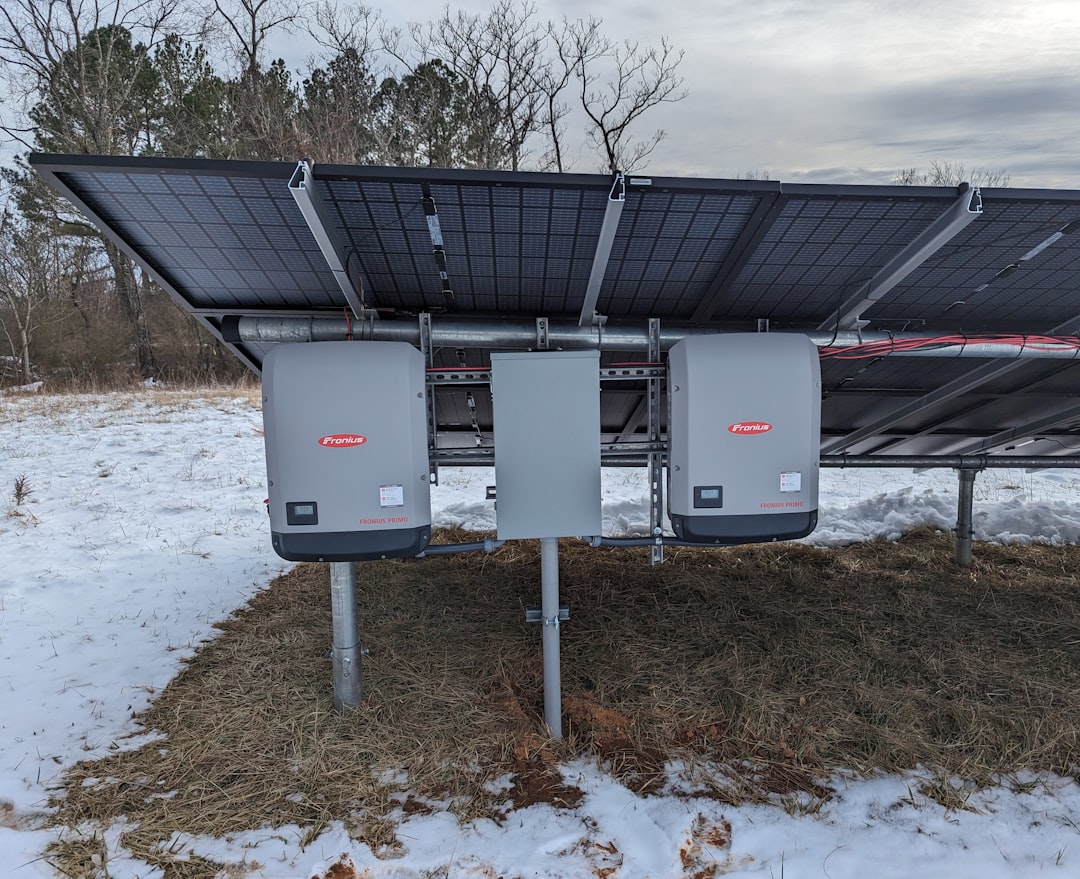
The Real Numbers Behind a Functional Solar System
Before anything else, let’s talk sizing — because this is where most DIY setups go wrong. The most common mistake is calculating peak wattage without accounting for real-world inefficiency losses.
Here’s a baseline framework that actually holds up:
- Panel output derating: Manufacturers rate panels at STC (Standard Test Conditions — 25°C, 1000 W/m²). In real deployment, expect 75–85% of rated output on a good day. A “300W” panel typically delivers 225–255W under actual sky conditions.
- Battery round-trip efficiency: Lead-acid batteries sit around 80–85% round-trip efficiency. LiFePO4 (lithium iron phosphate) comes in at 95–98%. This difference matters enormously over a full day’s cycle.
- Inverter standby draw: A cheap 2000W inverter might pull 15–25W just sitting idle. Over 24 hours, that’s 360–600Wh vanished before you’ve run a single appliance.
- Charge controller MPPT vs PWM: MPPT controllers extract 10–30% more energy from the same panels compared to PWM, especially in cold weather or partial shading. For any system above 400W, MPPT is essentially mandatory.
- Wire gauge and voltage drop: Running 12V systems over long cable runs (more than 3 meters from battery to inverter) with undersized wire can cause 5–10% losses and heat buildup. Jump to 24V or 48V bus voltage wherever possible.
My friend’s specific issue? He had a 400Ah lead-acid bank but was regularly discharging it below 50% state of charge (SOC). Lead-acid batteries that are cycled below 50% SOC lose capacity fast — we’re talking a measurable drop in usable amp-hours within 6 months of that abuse. His charge controller fault code (a Renogy Rover showing Error 07) was actually a low-voltage disconnect triggered because his resting voltage had degraded to the point the controller thought the bank was failing. It wasn’t failing. It was just deeply cycled and sulfated.
LiFePO4 vs Lead-Acid: The 2025 Cost-Benefit Picture
This debate has essentially been settled in 2025, but let me give you the conditional breakdown rather than just declaring a winner:
If your budget is under $800 for storage and this is a seasonal cabin: A quality AGM lead-acid bank (Trojan T-105 RE or Battle Born’s entry AGM line) still makes sense. Just never discharge below 50%, use a temperature-compensating charge controller, and budget for replacement every 3–5 years.
If you’re building a permanent residence system or full-time vehicle build: LiFePO4 is the clear choice. Brands like Battle Born Batteries, Epoch Batteries, and Ampere Time have brought 100Ah LiFePO4 cells down to $180–$250 range in 2025. With a rated 2000–3000 cycle life at 80% DoD (depth of discharge), the cost per cycle is dramatically lower over a 10-year horizon.
Here’s the math that convinced me: A 200Ah LiFePO4 bank at $450 total, cycled 2,000 times, costs $0.225 per cycle. A comparable 200Ah AGM bank at $280, cycled 500 times (realistic with 50% DoD discipline), costs $0.56 per cycle. The lithium bank wins on total cost of ownership by roughly 60% — even ignoring the weight savings and the fact you can actually use 160Ah of that 200Ah rating.
Charge Controllers: Where the Fault Codes Actually Come From
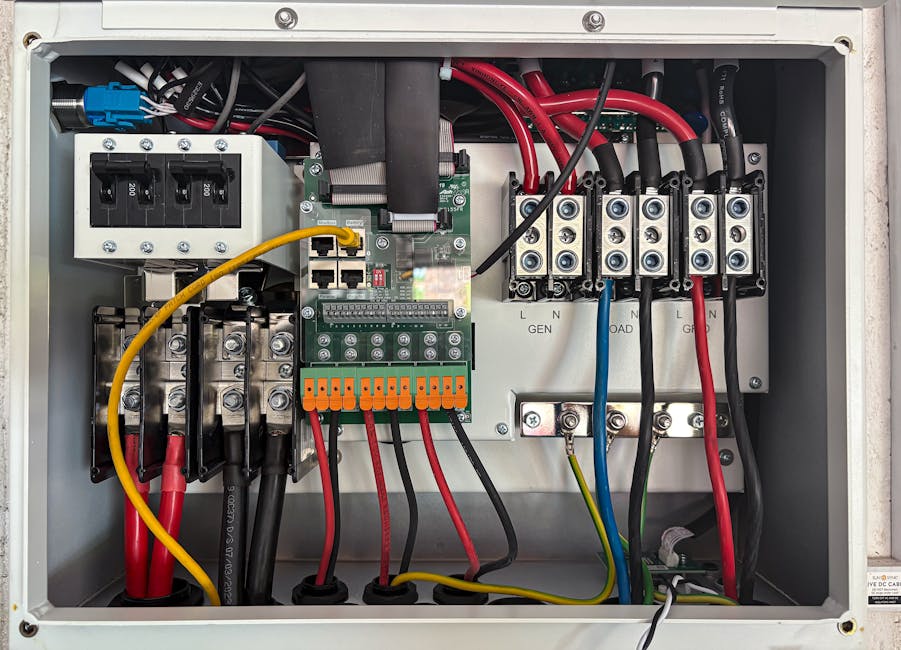
Most solar troubleshooting guides treat charge controllers like a black box. Let’s open it up a bit. The three most common fault scenarios I see:
- PV Over-Voltage (e.g., Victron MPPT Error Code #33, Renogy Error 01): Your panel Voc (open circuit voltage) exceeds the controller’s input limit. This almost always happens when people series-connect panels without checking specs. Always verify that Voc × number of panels in series stays below your controller’s rated max PV input voltage — with a 10% safety margin for cold-weather Voc spike.
- Battery Over-Temperature: Common with LiFePO4 in hot climates or poorly ventilated enclosures. Most quality BMS units will disconnect at 45°C cell temperature. Solution: shade your battery enclosure and ensure 2–3 inches of air gap around cells.
- Reverse Polarity on PV Input: Sounds obvious, but MC4 connectors can be wired backwards at the panel end. Some controllers survive this with an internal fuse blow; cheaper units die outright. Always verify polarity with a multimeter before connecting.
The Victron SmartSolar MPPT line (particularly the 100/30 and 150/35 models) has become something of an industry standard for serious off-grid builds in 2025 — largely because the VictronConnect Bluetooth app gives you detailed fault logs, historical graphs, and real-time SOC data that makes troubleshooting genuinely tractable. EPEver’s Tracer series is a credible budget alternative if you’re comfortable with the PC software interface instead.
Real-World Case Studies Worth Looking At
Two setups I’ve followed closely this past year:
Will Prowse’s ongoing van and cabin build documentation (willprowse.com) remains one of the most data-dense resources for real measured output numbers vs. theoretical. His side-by-side LiFePO4 chemistry comparisons with actual discharge curves are worth an afternoon of your time.
The Off-Grid Permaculture community’s solar thread on their forums has a particularly good multi-year case study from a homestead in New Mexico running a 3kW array with a Schneider Electric XW+ inverter-charger. Their documented battery degradation curves over 5 years with proper LiFePO4 maintenance are genuinely reassuring — they measured only 4.2% capacity loss after 1,800 cycles.
For grid-tie context, EnergySage’s 2025 installer marketplace data shows average residential solar system payback periods sitting at 7.2 years in the US (down from 8.1 years in 2023), with California, Massachusetts, and Texas showing the strongest net metering economics. If you’re not fully off-grid and have net metering available, the hybrid approach — grid-tied with battery backup — often delivers better ROI than a pure off-grid build.
The Parts That Kill Most Beginner Builds
Let me be blunt about the failure points nobody wants to mention in a product review:
- Cheap fuse holders and bus bars: A $4 fuse block that corrodes or develops resistance causes voltage drop, heat, and in worst cases, fire. Use Blue Sea Systems or Victron bus bars. Not negotiable.
- Undersized fusing between battery and inverter: This cable run should be fused within 18 inches of the battery positive terminal. The fuse should be sized for the cable ampacity, not the load. A 4AWG cable is rated ~95A; fuse it at 100A or 125A max.
- No shunt-based battery monitor: If you don’t know your actual SOC in real time, you’re flying blind. A Victron BMV-712 or Renogy 500A shunt monitor is a $60–$80 investment that dramatically extends battery life by preventing accidental over-discharge.
So What Should You Actually Build?
Here’s my honest conditional recommendation for 2025:
Weekend cabin / light seasonal use: 400–600W panels, 30–40A MPPT controller (EPEver Tracer 4215BN), 200Ah AGM bank, 1000W pure sine inverter. Budget: $900–$1,400 all-in. Don’t over-invest here.
Full-time off-grid residence: 2–4kW panels, Victron SmartSolar 150/60 or 150/85, 400–600Ah LiFePO4 (Epoch or Battle Born), Victron Multiplus 24V/3000W inverter-charger. Budget: $5,000–$9,000 depending on panel brand. This is where quality components pay back over time.
Grid-tied with backup: Use a certified installer, target a Enphase IQ8 microinverter system with IQ Battery 5P for storage. Check your state’s specific net metering rules before committing — they vary significantly in 2025.
The system my friend ultimately rebuilt — after we diagnosed the sulfated battery bank issue, replaced the lead-acid with a 200Ah LiFePO4, added a Victron BMV-712 monitor, and upgraded his wire runs to 2AWG — has been running smoothly for three months now. His refrigerator stays powered, his battery sits above 70% at dawn, and he’s stopped calling me in frustrated panic. That’s the benchmark.
💡 Bottom line: Solar isn’t complicated — but it is unforgiving of shortcuts. Get the monitoring right first, size your wire and fusing properly, and let the battery chemistry choice follow your actual use pattern rather than marketing hype. If you’re mid-build and hitting a wall, start by pulling your charge controller’s fault log — nine times out of ten, it’s already telling you exactly what’s wrong.
📚 관련된 다른 글도 읽어 보세요
- Why I Stopped Relying on Default Settings — Real 2025 Guide to Optimizing Your Workflow
- 어릴때 이것 키워주지 않으면 후회해도 소용없어요. — 2026년 수학 사고력, 지금 시작 안 하면 진짜 늦습니다
- Why I Almost Gave Up on Pickleball — And What Actually Made Me Stay in 2025
태그: solar energy setup, off-grid solar system, LiFePO4 battery, MPPT charge controller, solar troubleshooting, DIY solar installation, battery storage 2025