A friend of mine — seasoned hiker, gear nerd, the whole package — told me last spring that he spent an entire weekend driving between trailheads only to find every designated campsite packed, poorly marked, or just… disappointing. He’d followed a popular blog post to the letter. The blog was from several years ago, the sites had changed, and nobody had updated the info. Sound familiar? That’s exactly why I wanted to dig into what camping actually looks like right now, with fresh eyes and real data behind it.
The Camping Boom Is Real — And the Numbers Prove It
Outdoor recreation has seen a sustained surge in participation since the early 2020s, and it hasn’t slowed down. According to the Outdoor Industry Association’s most recent data, over 57 million Americans camped at least once in the past year, with first-time campers accounting for roughly 30% of that figure. KOA (Kampgrounds of America) reported in their 2025 North American Camping Report that urban campers and millennials are now the fastest-growing demographic, with 62% of new campers citing “digital detox” as their primary motivation.
What this means practically: prime spots at popular destinations like Yosemite Valley, Acadia, and the Boundary Waters fill up months in advance. Recreation.gov reservations for peak summer weekends routinely open 6 months out and sell out within hours. If you’re walking in hoping for a first-come-first-served spot on a Saturday in July, you’re rolling some very long odds.
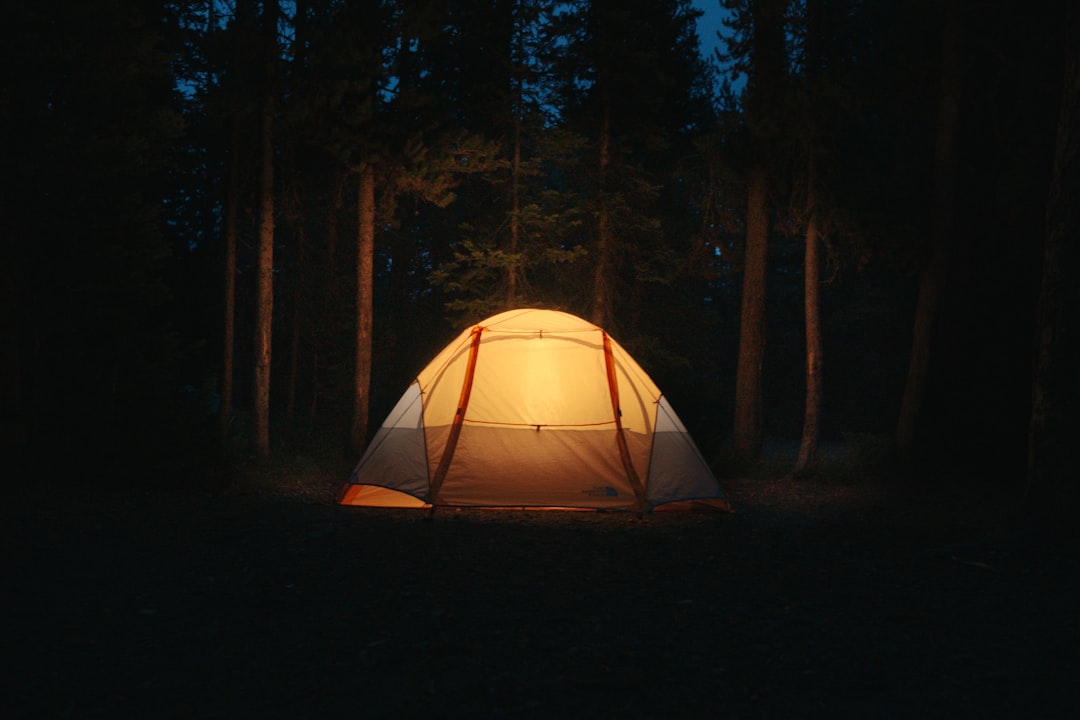
The Three Biggest Planning Mistakes (And How to Sidestep Them)
Let me break down what actually trips people up, because it’s almost never gear-related:
- Relying on outdated reservation windows: Many national forests shifted their booking windows from 180 days to 120 days in 2024, then some reversed course in 2025. Always check the specific park’s Recreation.gov or Reserve America page directly — don’t trust a third-party roundup.
- Ignoring dispersed camping options: Most USFS (U.S. Forest Service) land allows free dispersed camping — no permit, no fee, often no crowds. Apps like the Gaia GPS overlay USFS boundaries so you can pinpoint legal zones. This is genuinely the best-kept secret for flexible campers.
- Underestimating shoulder season: Late September through early November, and late April through early June, offer 40–60% fewer visitors at most destinations, with temps that are often more comfortable than peak summer. The trade-off is weather unpredictability — pack a four-season tent if you’re going high elevation.
- Forgetting Leave No Trace (LNT) compliance at dispersed sites: There’s a 200-foot rule from water sources, trails, and roads. Violations can result in fines up to $5,000 in some wilderness areas.
- Overlooking state parks: State parks are dramatically underutilized relative to national parks. Hipcamp and The Dyrt both aggregate state park availability and often show openings when federal sites are fully booked months out.
Gear Reality Check: What’s Actually Worth Buying in 2025
Let’s talk honest gear math. The “best” gear is highly situational, so here’s a conditional framework:
If you camp 2–3 times per year on established sites: A mid-range 3-season tent like the REI Co-op Passage 2 (~$149) and a 20°F synthetic sleeping bag (~$80–120) cover 90% of scenarios. Don’t let gear paralysis stop you from going.
If you’re doing backcountry or winter camping: This changes the math significantly. A 4-season tent (Big Agnes Copper Spur HV UL or similar, $400–600), a down sleeping bag rated to 0°F, and a proper layering system become non-negotiable. The cost of hypothermia treatment makes quality gear look cheap by comparison.
If you’re car camping with family: Comfort over weight savings. A canvas bell tent (Elk Mountain Gear offers solid options at $350–500) lasts a decade with proper care, and a cot dramatically improves sleep quality for adults.
One tool worth knowing: GearJunkie and OutdoorGearLab run annual round-up tests with real-world field data, not just spec sheet comparisons. Their 2025 tent and sleeping bag rankings are genuinely useful benchmarks before you spend.
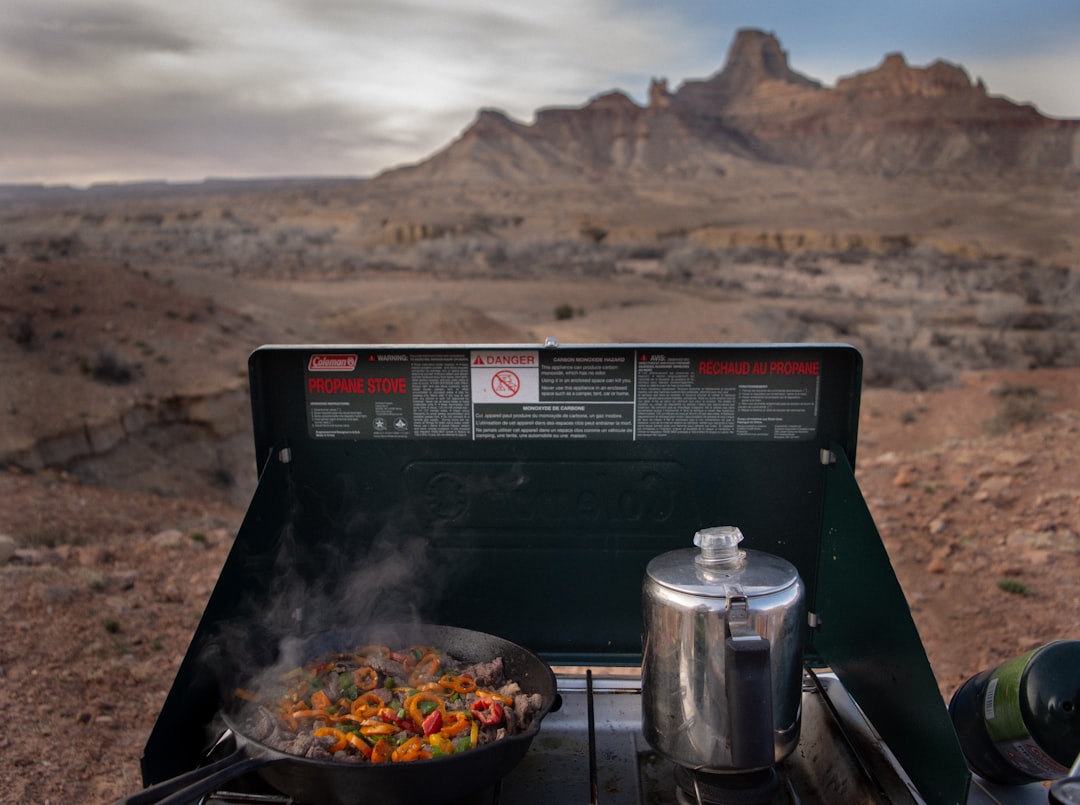
International Case Study: What Norway Gets Right About Camping Access
Here’s something worth thinking about: Norway operates under allemannsretten — “the right to roam” — a legal framework allowing anyone to camp on uncultivated land for up to two nights without permission. The result? Dispersed camping culture is normalized, overtourism at specific hotspots is less extreme, and campers develop stronger environmental stewardship because they’re trusted with access.
The U.S. Forest Service’s dispersed camping allowances are a partial analog to this, but the difference is awareness. Most American campers don’t know they have this option. If you want to explore lesser-known destinations, ioverlander.com and freecampsites.net are community-sourced databases with GPS coordinates for free or low-cost spots across North America and internationally.
The Budget Breakdown Nobody Talks About
People assume camping is inherently cheap. It can be — or it can quietly get expensive:
- National Park campsite fees: $20–$35/night for basic sites; $50–$75 for hookup sites at more developed campgrounds
- America the Beautiful Pass: $80/year covers entrance fees for all federal lands — pays for itself in 2–3 visits
- Gear amortization: A $300 tent used 20 times over 5 years costs $15/use. Frame it that way and quality gear math makes sense
- Free alternatives: BLM (Bureau of Land Management) land is free dispersed camping across 245 million acres — the western U.S. is genuinely full of it
- Hipcamp private land listings: Often $15–$40/night with more privacy and unique settings than crowded campgrounds
Practical Booking Strategy for 2025
The reservation meta-game has gotten sophisticated. Recreation.gov allows you to set up alerts for cancellations — use the Campnab or Camp Scout services (starting around $20/month) to automate monitoring for specific dates and sites. Cancellation slots open constantly, especially in the 2-week window before a booking date. This is how experienced campers snag “impossible” Yosemite Valley spots.
For international trips — think Canadian Rockies, New Zealand’s Fiordland, or Patagonia — book primary campsite reservations the moment they open (often 3–6 months out) and plan alternates. Parks Canada’s reservation system and New Zealand’s Great Walks booking portal both operate on fixed seasonal windows that are public knowledge.
Safety Considerations That Actually Matter
Quick, non-alarmist rundown of what to genuinely prepare for:
- Bear country protocol: Hang food or use a bear canister. In many Sierra Nevada and Adirondack wilderness areas, hard-sided bear canisters are legally required — not optional. BearVault and Lighter1 make solid options under $80
- Water purification: A Sawyer Squeeze filter (~$35) handles 100,000 gallons. Giardia is real; filtering or treating all backcountry water is non-negotiable
- Weather monitoring: The MyRadar app with NOAA overlay is better than any built-in phone weather app for real-time storm tracking in the field
- First aid basics: A wilderness first aid course (NOLS and SOLO Wilderness Medicine both offer weekend formats) is one of the highest-ROI skills you can develop
The bottom line here: camping in 2025 rewards preparation but punishes rigidity. The people having the best experiences are the ones with a Plan A reservation, a Plan B dispersed camping zone researched in advance, and enough flexibility to pivot if conditions change. The worst experiences come from expecting spontaneity in a system that now requires planning, or from treating outdated blog posts as current reality.
If the “perfect” site is booked, dispersed camping on USFS or BLM land often turns out to be the better experience anyway — quieter, more scenic, and with none of the campground-neighbor noise issues. Don’t let a full reservation calendar stop you from going outside.
Editor’s Note: If you’re new to camping and feeling overwhelmed by the planning complexity, start with one night at a state park within 2 hours of home — the goal is getting your system dialed in, not chasing the bucket-list destination on trip one. Every expert camper has a story about a disastrous first trip that taught them more than any blog post ever could. Go make yours.
📚 관련된 다른 글도 읽어 보세요
- 어릴 때 이것 키워주지 않으면 후회해도 소용없어요 — 2026년 기준 수학 사고력, 지금 시작 안 하면 진짜 늦습니다
- 2026년 그냥 사면 후회하는 가성비 싱글몰트 위스키 Top 3 — 돈 버리기 전에 읽어라
- Edge Computing Meets Full-Stack Web Dev in 2026: A Practicing Engineer’s Field Guide
태그: camping 2025, outdoor camping guide, best camping spots, camping tips beginners, dispersed camping, camping gear recommendations, national park reservations
Leave a Reply