A friend of mine — seasoned traveler, been to 40+ countries — got held up at security in Frankfurt last spring because of a 150ml bottle of face serum. She’d read three different blogs beforehand, all confidently stating the rules, and still got caught off guard by an updated enforcement policy she hadn’t seen. That conversation stuck with me, because if she can get tripped up, honestly anyone can.
So let’s actually dig into what the carry-on liquid rules look like in 2025, why they’ve shifted recently in some regions, and how to pack smart so you’re not doing that frantic bag-dump at the checkpoint while 200 people sigh behind you.
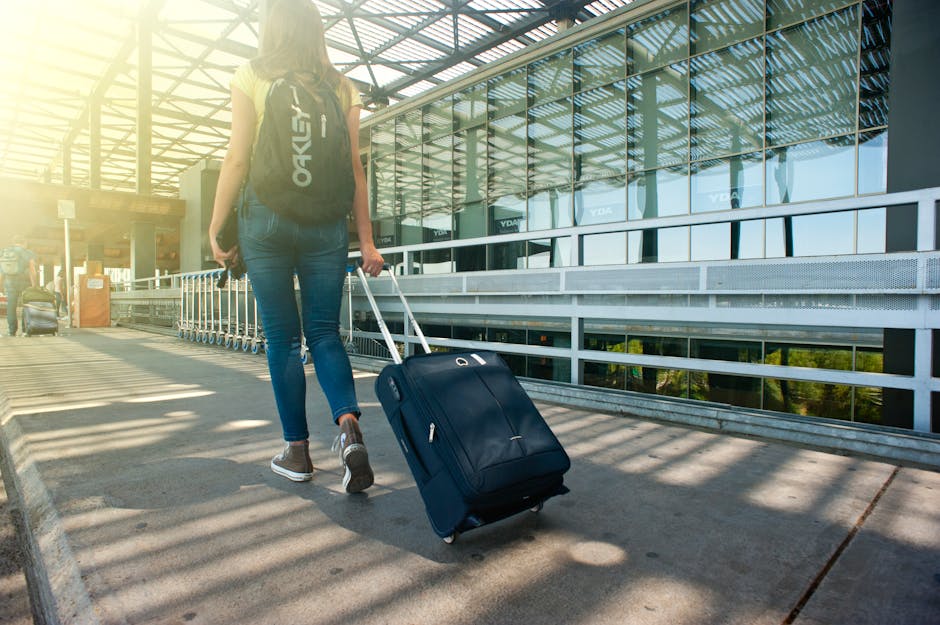
The 3-1-1 Rule — What It Actually Means (And Where It No Longer Applies)
If you flew internationally before 2020, you’ve memorized this: each liquid container must be 100ml (3.4oz) or under, all containers must fit in one clear quart-sized zip-lock bag, and each passenger gets one such bag. That’s TSA’s 3-1-1 rule, still fully in effect for US departures and most international routes as of 2025.
Here’s where people get confused in 2025 though: the UK and several EU airports have been rolling out Computed Tomography (CT) scanners that can theoretically detect liquids without the bag-out-of-luggage step. London Heathrow fully deployed these and actually relaxed the 100ml limit at certain terminals — briefly allowing up to 2 liters per item. Then in mid-2024, they partially reversed course after inconsistent scanner performance, reinstating the 100ml cap at most terminals. So if you flew through Heathrow last year expecting the relaxed rules and your research was from 2023 articles… you see how this gets messy fast.
Current 2025 status by major hub:
- USA (TSA): 3-1-1 fully enforced. No changes. Containers over 100ml = confiscated, full stop.
- UK (Heathrow, Gatwick, Manchester): 100ml limit reinstated at most security lanes. Check the specific terminal before travel — some CT-equipped lanes still allow up to 2L but signage is inconsistent.
- EU (Schengen zone): 100ml rule remains standard. Some airports (Amsterdam Schiphol, Amsterdam especially) have CT pilots running but enforcement varies by shift and lane.
- Australia (ASB): 100ml rule applies. However, prescription medications and baby formula are explicitly exempt with documentation.
- Japan (NRT, HND): 100ml rule applies strictly. Duty-free liquids purchased post-security are allowed if sealed in a tamper-evident bag with receipt.
The Items That Catch People Every Single Time
Beyond the obvious (shampoo, perfume, water bottles), there’s a whole category of items that people argue about at the checkpoint because they didn’t realize they’re classified as liquids. TSA’s definition is broader than most people assume — it includes:
- Gels — hair gel, styling mousse, aloe vera gel
- Aerosols — dry shampoo, spray sunscreen, deodorant spray
- Creams and pastes — toothpaste (yes, toothpaste), peanut butter, hummus
- Liquids — obviously water, juice, soup
- Lotions — sunscreen, moisturizer, any pump-bottle product
The one that surprises people most consistently? Peanut butter and spreadable foods. They fail the “can it flow?” test that TSA uses informally. A 200g jar of Skippy will be confiscated just as fast as a 200ml bottle of shampoo.
On the other hand, solid items are exempt: solid deodorant sticks, solid shampoo bars (brands like Lush and Ethique have made these popular partly for this reason), protein bars, and hard cheeses pass through without any issue.
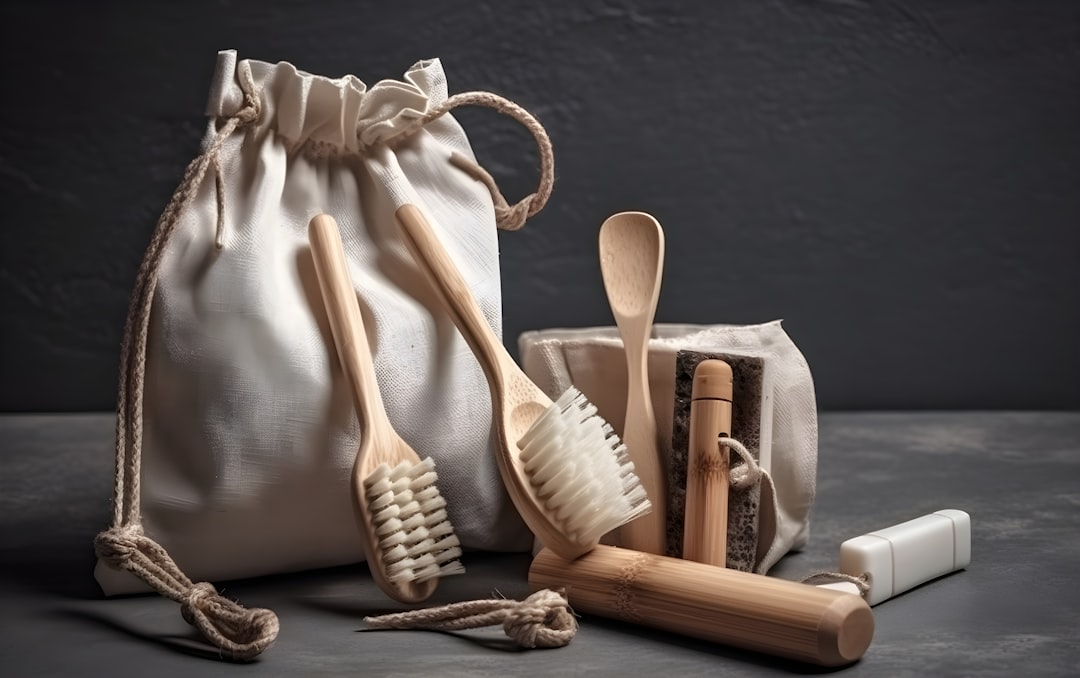
Medication, Baby Formula, and Medical Liquids — The Exemptions That Matter
This section is worth bookmarking if you travel with kids or have ongoing medical needs, because the exemptions are real but the process matters.
TSA explicitly allows “reasonable quantities” of:
- Prescription and over-the-counter medications (liquid form)
- Baby formula, breast milk, and juice for infants
- Ice packs or gel packs needed to keep medications cool
- Liquid nutrition for medical conditions
The catch: “reasonable quantities” is interpreted by the officer on the day. Practically, if you’re carrying 500ml of liquid children’s Tylenol, have the bottle in its original packaging, keep it separate from your main liquids bag, and declare it proactively when you approach the scanner — you’re very unlikely to have an issue. What creates friction is when people tuck these items into the middle of their bag without declaring them, which triggers a full bag search anyway.
For international travel with medication, the additional layer is customs and destination country rules, which is a whole separate rabbit hole — but at minimum, carry a doctor’s letter for anything injectable or in quantities beyond a 30-day supply.
Practical Packing System That Actually Works in 2025
After years of refining this (and watching my friend’s serum get tossed in Frankfurt), here’s the system that consistently clears security without drama:
- Step 1 — Go solid first: Audit every toiletry and ask “does a solid version exist?” Solid shampoo, conditioner bars, solid sunscreen sticks, and solid toothpaste tablets have all matured significantly as products. Brands like Lush, Ethique, and Native offer solid options that are actually good now — not the chalky versions from 5 years ago.
- Step 2 — Use 100ml containers, not “travel size”: “Travel size” labeling means nothing to TSA. What matters is the printed volume on the container. Buy unmarked travel containers from Amazon or Muji and fill them yourself, verifying the ml marking on each one.
- Step 3 — One designated quart bag, always: Keep it in the same exterior pocket of your carry-on every trip. The ritual of placing it on the belt becomes automatic. Nite Ize, Stasher, or the classic Ziploc brand all work — the brand is irrelevant, the size is what matters (approximately 17cm x 20cm).
- Step 4 — Duty-free liquids: buy after security, keep receipts: If you want a 1L bottle of whiskey or a 200ml perfume, buy it post-security. Keep it in the sealed duty-free bag with receipt visible. For connecting flights, check the STEB (Security Tamper-Evident Bag) rules — connections through the US require re-screening, and pre-2011 exemptions no longer apply universally.
- Step 5 — Check the departure airport’s specific rules 48 hours before: Google “[airport name] liquids rule 2025” and check the official airport or transport security authority page, not third-party blogs (including this one — always verify against the source).
What Happens When Something Gets Confiscated
Worth knowing: confiscated liquids do not go anywhere useful. They go in a bin, then trash. There’s no “mail it to yourself” program at most airports, though a few international hubs (notably Changi in Singapore) do allow you to check a bag at the last minute if you discover the issue before the screening lane. In the US, TSA does allow you to go back to the airline counter and check a bag if you catch it in time — but this eats time and money (checked bag fees apply), so it’s a last resort, not a plan.
If you feel an item was wrongly confiscated, you can file a complaint with TSA at TSA.gov, but realistically, this is for systemic feedback rather than item recovery. The item is gone.
Evolving Tech: Will CT Scanners Eventually Kill the 100ml Rule?
This is the genuinely interesting question for 2025 and beyond. CT (Computed Tomography) scanners can analyze the density and molecular composition of liquids, theoretically making the volume-based rule obsolete — the scanner just flags dangerous substances regardless of quantity. The technology works. The challenge is cost, throughput speed, and global standardization across thousands of airports with wildly different budgets.
The TSA has been deploying CT scanners incrementally since 2019, and as of 2025, they’re present at most major US airports — but the 100ml rule remains in force regardless, because TSA policy hasn’t caught up with the hardware rollout. The EU’s CT pilot programs hit the same policy-lag problem. Realistically, expect the 100ml rule to remain the global standard through at least 2027, with possible regional exceptions emerging on a case-by-case basis.
So for now, the answer is: pack like the rule exists everywhere, verify any exceptions for your specific route, and don’t rely on what you read in 2023.
💬 Quick thought before your next pack: The 100ml rule feels arbitrary until you realize it’s one of those friction points where 10 minutes of prep genuinely eliminates a stressful moment. Swap one or two items to solid format, get a proper labeled travel bottle set, and keep that quart bag in a dedicated pocket. Do it once, and it becomes automatic. Your future self at 5:30am security will thank you.
📚 관련된 다른 글도 읽어 보세요
- 공식 문서에 속지 마라: 서버리스 아키텍처 풀스택 개발 적용법 2026 실전 가이드
- PLC SCADA Integration System Architecture Strategy 2026: A Field Engineer’s Complete Playbook
- 현장 엔지니어가 직접 쓴 지멘스 vs 앨런브래들리 PLC 비교 분석 2026: 어디서도 안 알려주는 진짜 차이
태그: []
Leave a Reply