A friend of mine — let’s call her Mina — landed in Tokyo last spring absolutely convinced she had her JR Pass situation figured out. She’d done her research, watched the YouTube videos, even printed out her itinerary in a color-coded spreadsheet. And then, standing at the Shinkansen gate at Tokyo Station with a 40-liter backpack and a very unforgiving departure time, she discovered that her pass didn’t cover the Nozomi — the fastest bullet train she’d booked herself onto. Cue frantic re-booking, a missed connection to Kyoto, and an extra night in a hostel she hadn’t budgeted for.
That story stuck with me, because it’s not a rare one. The Japan Rail Pass is genuinely one of the best travel investments you can make — but only if you understand exactly what it covers, what it doesn’t, and how the pricing calculus works in 2025. Let’s think through this together.
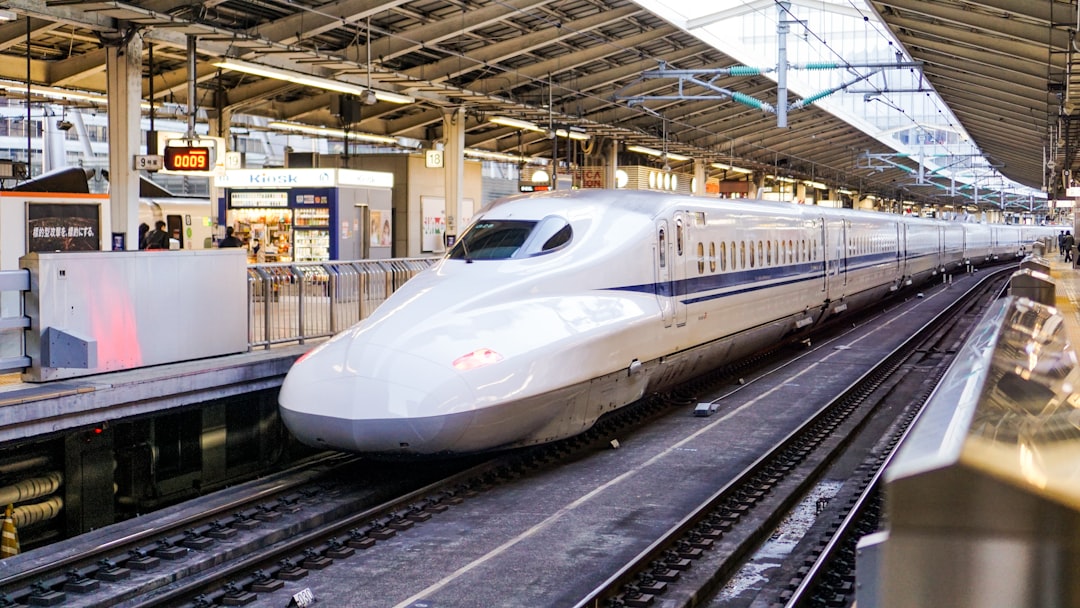
What the JR Pass Actually Is (And Isn’t)
The Japan Rail Pass is an unlimited-ride pass for most JR (Japan Railways Group) trains across the country. You buy it before you arrive in Japan — or now, optionally, in Japan at a slightly higher price — and it covers a fixed number of consecutive days: 7, 14, or 21.
Here’s the 2025 pricing breakdown (in JPY, purchased overseas):
- 7-day Ordinary: ¥50,000 (~$330 USD)
- 14-day Ordinary: ¥80,000 (~$530 USD)
- 21-day Ordinary: ¥100,000 (~$660 USD)
- 7-day Green (First Class): ¥70,000 (~$460 USD)
- 14-day Green: ¥114,000 (~$750 USD)
- 21-day Green: ¥143,000 (~$940 USD)
Prices were revised upward significantly in late 2023 and have held through 2025, so if you’re working off older blog posts quoting ¥29,650 for a 7-day pass, those numbers are unfortunately long gone.
The Break-Even Math You Actually Need
The single most important question before buying is: will I actually use enough JR-covered trains to break even?
Let’s do the real arithmetic. A round-trip Tokyo–Kyoto on the Hikari Shinkansen (JR Pass eligible) costs ¥27,240 at standard fare. That’s ¥54,480 round trip — already just barely past the 7-day pass threshold. Add one trip to Hiroshima from Kyoto (¥9,440 one-way) and back, and you’re at ¥73,360. Toss in local JR trains in Tokyo (maybe ¥1,500–2,000 across a week) and you’re solidly past ¥80,000, which means a 14-day pass isn’t justified unless you’re doing a third long-haul leg like Osaka to Fukuoka or a trip to Hokkaido.
The pass pays off fastest for routes like:
- Tokyo → Kyoto → Hiroshima → back (classic golden route)
- Tokyo → Hokkaido via Shinkansen (Hokkaido Shinkansen opened to Sapporo extensions — verify current status for 2025)
- Osaka → Hakata (Fukuoka) on the Sanyo Shinkansen
- Any route involving multiple regional JR express trains in Kyushu or Tohoku
The Nozomi Problem — What Burned Mina
This is where most first-timers get caught. The JR Pass does NOT cover:
- Nozomi (fastest Tokaido/Sanyo Shinkansen — Tokyo to Osaka in ~2h15m)
- Mizuho (fastest Sanyo/Kyushu Shinkansen)
- Most Tokyo subway lines (metro is not JR)
- Private railways: Kintetsu, Hankyu, Keio, Odakyu, etc.
- Airport express trains: Narita Express is JR-covered, but Kansai Airport’s Haruka requires a separate fee or pass
The Hikari and Sakura trains cover essentially the same routes as Nozomi/Mizuho but with a few extra stops and maybe 20–30 minutes added. Honestly? For most travelers, it’s not a meaningful difference — unless you’re chasing an extreme connection.
Regional Passes vs. National Pass — The 2025 Value Calculation
If your trip is concentrated in one region, a regional JR pass often destroys the national pass in value. Here are the most useful ones in 2025:
- JR Kansai Pass (1–4 days): ¥2,400–¥7,000 — ideal for Osaka, Kyoto, Nara, Kobe loop trips
- JR Kyushu Pass (3/5 days): ¥13,000–¥18,000 — covers Shinkansen within Kyushu
- JR Hokkaido Pass (3–7 days): ¥9,000–¥22,000 — excellent for Sapporo + surrounding areas
- JR East Tohoku Pass: covers Tokyo plus Tohoku/Nikko region efficiently
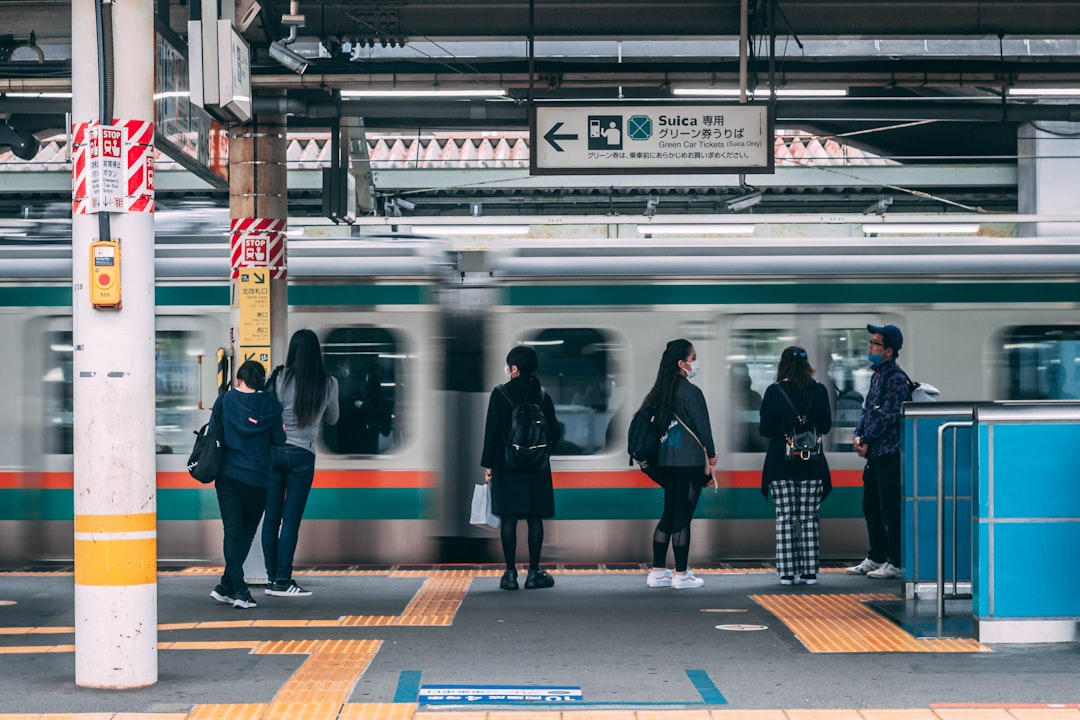
If your itinerary is Tokyo-centric with a few day trips to Nikko or Kamakura, you might be better off buying a JR East Pass and using IC card (Suica/Pasmo) for everything else.
How to Buy It Right in 2025
As of 2025, you can purchase the JR Pass both overseas (through authorized agents like JRailPass.com, Japan Experience, or your country’s Japan Tourism partners) and directly in Japan at major JR ticket offices (called Midori no Madoguchi) — though the in-Japan price is about 10% higher.
Key buying tips:
- Buy overseas if you can — you’ll save money and can activate on arrival
- Choose your start date carefully — activation is flexible within 30 days of issue, but once started, consecutive days count regardless of use
- Green Car (first class) is worth it on overnight or 3+ hour legs if you value personal space; for shorter hops, Ordinary is fine
- Exchange your voucher at the airport JR office before heading into the city — it saves a trip back
One Honest Caveat About 2025 Yen Rates
The yen remains historically weak against the USD and EUR in 2025 — hovering in the ¥145–155/USD range for most of the year. This cuts both ways: Japan travel is cheaper for foreigners in absolute dollar terms, but pass prices denominated in JPY haven’t fallen proportionally. That said, individual train fares haven’t risen as sharply as the pass price, so if your itinerary is lighter, individual tickets may actually win on value. Always run the numbers against Hyperdia or Jorudan for your specific route before committing.
The bottom line here is that the JR Pass is a brilliant tool for a specific type of traveler — someone doing multiple long-haul Shinkansen legs, crossing regions, or simply valuing the freedom of hopping on any JR train without thinking. It’s not a blanket must-buy for every Japan trip. If you’re doing 10 days in Tokyo and Kyoto with light rail use? Run the math first. But if you’re zigzagging from Hiroshima to Tohoku with spontaneous day trips? It pays for itself before the week is out.
한 줄 요약 (One-line takeaway): Before you buy the JR Pass, list every train leg you plan to take, price each one individually on Hyperdia — if the sum crosses the pass price by at least 10–15% (buffer for itinerary shifts), buy it; if not, go à la carte and save the difference for a really good bowl of ramen.
📚 관련된 다른 글도 읽어 보세요
- Why I Almost Gave Up on Verizon — And What Fixed It in 2025
- Why I Almost Missed My Ferry — The 2025 Honest Guide to Traveling the Greek Islands on a Budget
- Why I Almost Gave Up on Google Ads — Real 2025 Setup Guide That Actually Works
태그: Japan Rail Pass 2025, JR Pass guide, Japan travel tips, Shinkansen pass, Japan transportation, Tokyo Kyoto train, Japan budget travel