A friend of mine — a pretty sharp content marketer — told me recently that she’d spent three full weeks grinding out “perfectly optimized” blog posts, only to watch them flatline in Google Search Console. Zero impressions. She was following the same keyword research playbook she’d used for years. The problem? The game had quietly shifted underneath her, and nobody sent the memo.
That conversation stuck with me, because honestly? I’ve been there too. And if you’re reading this wondering why your content isn’t pulling traffic despite all the effort you’re putting in, let’s dig into what’s actually happening with keyword research right now — and what a smarter workflow looks like in 2025.
The Old Playbook Is Showing Its Age
For years, keyword research meant: open a tool (Ahrefs, SEMrush, Google Keyword Planner), sort by search volume, pick something with decent volume and low difficulty, write a 1,500-word post, done. Rinse, repeat.
Here’s what’s changed. Google’s Search Generative Experience (SGE) and AI Overviews now intercept a significant chunk of informational queries directly in the SERP. According to data from SparkToro and Datos.ai published in early 2025, roughly 58–65% of Google searches now result in zero clicks — meaning the user got what they needed from the results page itself without visiting any website.
That number isn’t just a stat to gloss over. It fundamentally changes which keywords are worth chasing. High-volume, simple informational queries (think: “what is compound interest”) are increasingly getting swallowed by AI snippets. The keywords that still drive real clicks? They tend to be:
- Comparison and versus queries — “Ahrefs vs Semrush for small blogs 2025” (users want a human opinion, not a summary)
- Experience-based searches — “does X actually work” or “honest review of Y”
- Local + niche specifics — queries where generic AI answers fall flat because context matters deeply
- Long-tail transactional intent — “best budget mechanical keyboard under $80 for programming”
- Navigational queries tied to specific communities — Reddit threads, forums, specific brand ecosystems
What Actually Works in 2025: Intent Clustering Over Volume Chasing
The shift I’d recommend — and the one my friend eventually made — is moving from keyword-first thinking to intent cluster thinking. Here’s the practical difference:
Old way: Find keyword → write post → hope for ranking.
New way: Identify a genuine user problem → map 8–15 related search intents around it → build a content cluster that satisfies the full journey.
Tools like Ahrefs’ “Topics” feature, Semrush’s Keyword Magic Tool grouped by intent, and newer AI-assisted tools like Surfer SEO’s Topical Map now make this clustering approach accessible without needing an enterprise SEO budget. Surfer, for instance, runs around $89–$219/month depending on tier in 2025, but there are solid free entry points via tools like Google Search Console’s Performance report (seriously underused) combined with AnswerThePublic’s free tier.
The SERP Feature Audit — Don’t Skip This Step
Before you commit to targeting any keyword, run a quick SERP feature audit. Paste your target keyword into Google and note:
- Is there an AI Overview box at the top? (If yes, informational intent is likely captured — reconsider unless your angle is strongly experiential)
- Are there shopping ads or product carousels? (Signals commercial intent — your content needs a transactional hook)
- Do People Also Ask boxes dominate? (Gold mine for FAQ-style supporting content)
- Are Reddit or Quora threads ranking page one? (This signals Google trusts community experience — lean into first-person narrative)
- Are the top-ranking pages from 2023 or older? (Freshness gap = opportunity in 2025)
This five-minute audit saves hours of wasted writing. I can’t overstate how often people skip it.
Real-World Case: From 0 to 12K Monthly Visits in 6 Months
A SaaS content team I’ve been following on LinkedIn documented their 2024–2025 pivot publicly. They ditched volume-heavy head terms entirely and focused exclusively on “job-to-be-done” queries — searches where someone is actively trying to accomplish a task, not just learn about a concept.
Their example: instead of targeting “project management software” (insane competition, heavily AI-summarized), they built a cluster around “how to set up client onboarding workflow in Notion” — specific, task-oriented, and not something an AI snippet can fully resolve without a step-by-step walkthrough.
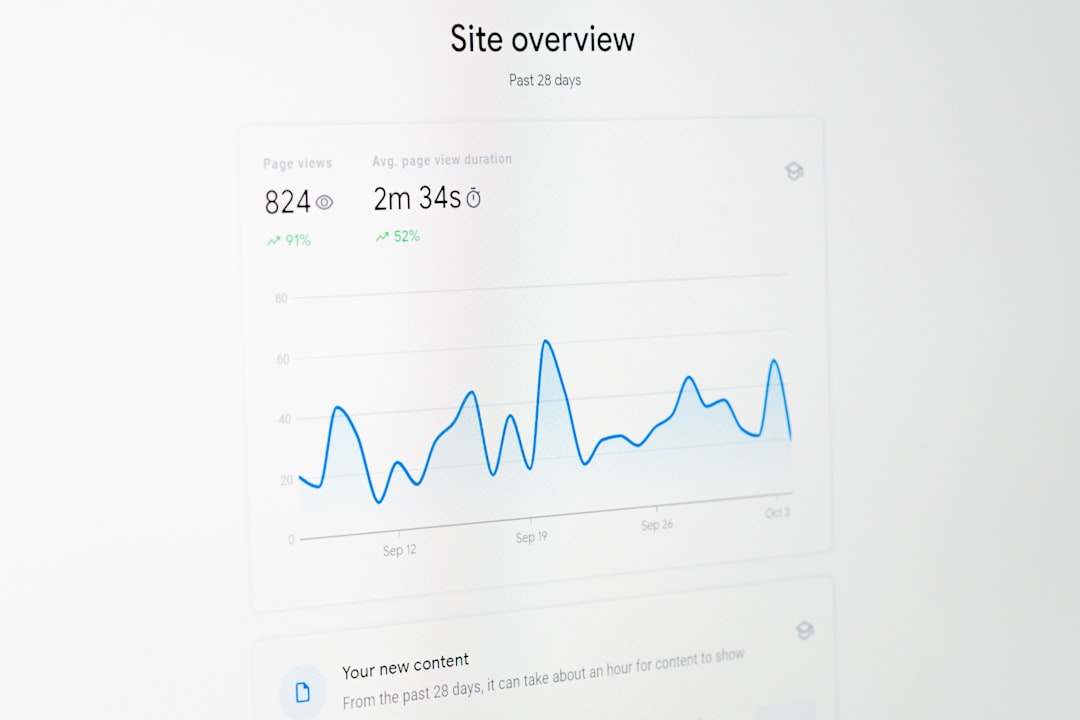
Result: 12,400 organic monthly sessions within six months, with a 4.2-minute average time on page. The traffic was smaller in raw numbers than chasing head terms would theoretically yield, but the conversion rate to email signups was 3x their previous content average. That’s the real metric to care about.
Tools Worth Actually Using Right Now
Here’s a non-exhaustive shortlist of what’s genuinely useful in 2025’s keyword research stack — with honest notes on each:
- Google Search Console (free) — Still the most underrated tool in the room. Filter by “queries” with impressions but low CTR — those are your quick-win optimization targets.
- Ahrefs ($129+/month) — Best-in-class for backlink data and keyword difficulty scoring. Their “Traffic Share” feature for competitor analysis is genuinely excellent.
- Semrush ($139+/month) — Stronger on local SEO and PPC keyword data. Keyword Magic Tool with intent filters is a real time-saver.
- AlsoAsked.com (freemium) — Visualizes People Also Ask relationships. Great for building FAQ sections and understanding query hierarchies.
- Perplexity AI (free/Pro) — Increasingly useful for quick topic research and understanding how AI models synthesize information about your niche — which indirectly tells you what AI Overviews will say.
The Mistake That Quietly Kills Content Performance
One pattern I see repeatedly: people research keywords beautifully, then write content that doesn’t actually match the dominant intent. Google’s algorithm in 2025 is extremely sensitive to intent mismatch. If a keyword’s top 10 results are all listicles and you write a long-form essay, you’ll struggle — not because your content is bad, but because the format signal doesn’t align.
Before writing, scroll through the top 5 results for your target keyword and note: are they listicles, how-tos, comparison posts, or opinion pieces? Match the dominant format first, then differentiate within it through depth, freshness, or first-person experience.
If your situation is purely informational blogging with a small budget, lean hard into Google Search Console + AlsoAsked for free, and prioritize experience-led content that AI can’t easily replicate. If you’re running a content operation at scale (10+ posts/month), investing in Ahrefs or Semrush’s intent clustering features pays for itself quickly in saved research hours.
Here’s the honest bottom line: keyword research in 2025 isn’t dead — it’s just grown up. The tools are better, the data is richer, but the shortcuts that used to work are increasingly taxed by AI interception and zero-click dynamics. The content that wins now is built around specific human experience, genuine task completion, and intent clarity. That’s not harder to do; it just requires thinking about the reader’s actual problem before opening a keyword tool. Start there, and the rest gets a lot cleaner.
📚 관련된 다른 글도 읽어 보세요
- Why I Almost Gave Up on Capsule Wardrobes — The 2026 Honest Rethink
- 전기차 충전 요금 폭탄 맞기 전에 읽어야 할 글 — 2026년 기준 실제 비용 총정리
- 어릴때 이것 키워주지 않으면 후회해도 소용없어요. — 2026년 수학 사고력, 지금 시작 안 하면 진짜 늦습니다
태그: keyword research 2025, SEO strategy, content marketing, search intent, AI search impact, SERP analysis, organic traffic growth
Leave a Reply