A friend of mine — let’s call her Dana — spent six months planning her dream Greek island-hopping trip. She had spreadsheets, Pinterest boards, the works. And on day three, she missed a ferry from Santorini to Naxos because she assumed the schedule she found online was current. It wasn’t. That two-hour mistake cascaded into a full day lost, a missed Airbnb check-in, and an unexpected €90 hotel bill. Sound familiar? If you’ve been researching Greek island travel lately, you’ve probably noticed just how much conflicting, outdated information is floating around out there. So let’s actually dig into what budget Greek island travel looks like in 2025 — not the glossy version, but the real one.
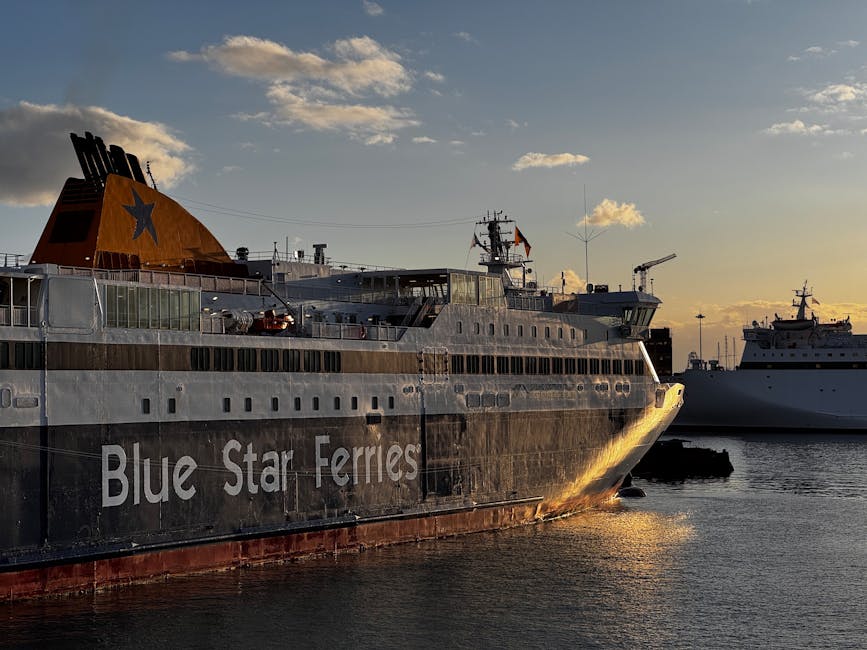
The Ferry System: Your Budget’s Best Friend (and Worst Enemy)
The Greek ferry network is genuinely impressive — over 100 islands connected by regular routes, operated primarily by companies like Blue Star Ferries, Seajets, and Minoan Lines. But here’s the thing nobody tells you upfront: the pricing structure is wildly inconsistent. A deck ticket from Piraeus (Athens’ main port) to Mykonos can run anywhere from €28 to €75 depending on the operator, the season, and how far in advance you book.
In 2025, early booking has become even more critical. Greece saw a record 35.7 million tourists in 2024, and 2025 projections from the Greek Tourism Confederation (SETE) suggest continued growth. That means high-season ferries — roughly late June through August — fill up fast, especially on routes to Santorini, Mykonos, and Rhodes.
- Book at least 3–4 weeks ahead for July/August crossings to major islands.
- Use Ferryhopper or Directferries to compare prices across operators in one place — I’ve personally found up to 30% price differences on the same route.
- Deck class is perfectly fine for crossings under 4 hours. For overnight journeys (like Piraeus to Heraklion, roughly 9 hours), a cabin berth around €30–45 extra is absolutely worth it.
- Always double-check schedules directly with the operator’s official site 48–72 hours before departure. Off-season schedules change with almost no public notice.
- Port taxes vary by island — factor in €2–8 per departure, usually built into your ticket but sometimes charged separately at smaller ports.
Which Islands Actually Work on a Budget in 2025?
Let’s be honest: Santorini and Mykonos have largely priced out budget travelers at peak season. A basic double room in Oia in July 2025 is averaging €180–220/night based on current Booking.com listings. That’s before food and activities. But the Greek islands are a constellation of 6,000 islands (227 inhabited), and most travelers only think about five of them.
Here’s where the real value is hiding right now:
- Naxos: The largest Cycladic island, with its own agricultural economy — meaning food costs about 25–30% less than Mykonos. Room rates average €55–90/night for solid guesthouses in 2025. Plus, it has arguably better beaches (Agios Prokopios, Plaka) with a fraction of the crowds.
- Paros: A sweet spot — stylish but not absurdly priced. Good nightlife, excellent windsurfing at Pounda, and a charming old town in Parikia. Budget: €65–100/night for mid-range stays.
- Milos: Volcanic landscape, dramatic Sarakiniko beach (the lunar-looking white rocks you’ve seen everywhere on Instagram). Still under the tourism radar compared to Santorini. Accommodation averages €70–110/night.
- Ikaria: Famous for longevity research (it’s one of the world’s Blue Zones). Extremely laid-back, almost no mass tourism, incredibly cheap taverna food. Budget travelers report full days for under €40 all-in.
- Syros: The administrative capital of the Cyclades — real Greek city life, opera house, year-round ferry hub. Prices stay moderate even in peak season because it’s not on the Instagram circuit.
Real Daily Budget Breakdown (2025 Numbers)
Let’s get specific, because vague advice like “Greece can be affordable!” helps nobody. Based on current pricing data and traveler reports from early 2025 season:
- Budget tier (hostels, self-catering, local tavernas): €60–80/day on mid-tier islands like Naxos or Paros
- Mid-range (private guesthouses, restaurant meals twice daily): €110–160/day on the same islands; €160–220/day on Mykonos/Santorini
- Transportation between islands: Budget €120–180 for a 10-day, 4-island route using economy ferry tickets
- Food hack: Gyros from a local spot runs €2.50–3.50 almost everywhere. A full sit-down taverna meal with a carafe of house wine: €14–22 per person outside tourist-trap zones
- Scooter rental (the real way to explore): €18–30/day depending on island and engine size; always check if your travel insurance covers motorized vehicles — most standard policies don’t
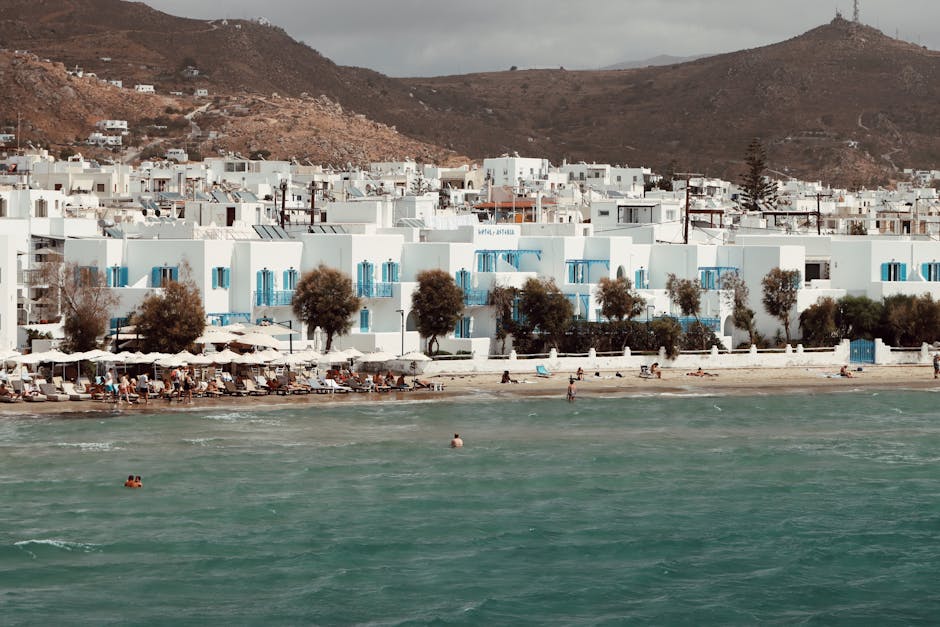
Accommodation Strategies That Actually Save Money
The trick most budget travel blogs skip: arriving on less-connected islands mid-week, not on weekends. Weekend arrivals from Athens are dominated by Greek domestic tourists, which drives up prices at smaller guesthouses that don’t list on international platforms. Arriving Tuesday or Wednesday can cut room rates by 15–20% on smaller islands.
Also worth knowing: many family-run rooms-to-let (called domátia) don’t appear on Booking.com or Airbnb at all. These are typically listed on local Facebook groups, regional tourism boards, or simply posted at the port. They’re often the cleanest, most authentic options — and €10–20 cheaper per night than equivalent listed properties.
For hostel travelers, the Greek island hostel scene has expanded meaningfully. Naxos Magic Village and Naxos Camping are perennial budget favorites; in Paros, Koula Camping offers bungalows from around €35/night. In Athens (your likely entry/exit point), Generator Hostel and Athens Backpackers both offer solid infrastructure with dorm beds from €22–28/night in 2025.
The Timing Question: When Is Budget Travel Actually Viable?
Shoulder season — specifically late April through mid-June, and September through mid-October — is genuinely the sweet spot in 2025. Water temperatures in late September still hit 22–24°C (perfectly swimmable), crowds drop by roughly 40–50% after the first week of September, and accommodation prices fall almost overnight.
Some island-specific timing notes:
- Milos: Many boat trips to the famous sea caves (Kleftiko, Papafragas) only run reliably May–October. Off-season, you’ll find them cancelled or irregular.
- Ikaria: Famous summer festivals (panigiria) run through August — if that’s your reason to go, high season is non-negotiable.
- Syros: Year-round viability due to its administrative role. February–March here is actually a local’s favorite — quiet, cheap, and the Venetian old town of Ano Syros is stunning in winter light.
What to Watch Out For in 2025 Specifically
A few developments that are genuinely affecting travel on the ground this year: Greece implemented a tourist tax increase for certain accommodation categories in late 2024, ranging from €1.50–10/night depending on property stars and season. It’s small, but adds up over a two-week trip. Additionally, several popular hiking trails on Santorini and Mykonos now require advance registration through a government portal after overtourism concerns — free to register, but easy to forget.
Also: the Piraeus port is under significant construction renovation through mid-2026. Allow extra time for navigation, and verify your terminal (E1 through E12 — they’re spread across a large area and not always clearly signed for first-timers).
Here’s my honest take: Greek island hopping on a genuine budget in 2025 is absolutely still possible — but it requires rerouting your instincts away from the Instagram top five. The islands that will actually give you that slow-morning-coffee-watching-fishing-boats experience are Naxos, Milos, Ikaria, and Syros. They’re not fallback options; in many ways they’re better. Plan your ferries early, arrive mid-week when you can, eat where the menu isn’t translated into four languages, and consider shoulder season seriously. Dana, by the way, switched her itinerary to Naxos and Milos after her Santorini chaos — and she said it was the best accidental decision she ever made.
📚 관련된 다른 글도 읽어 보세요
- 국내 거래소에서 현물 ETF까지 — 비트코인 투자 전 반드시 알아야 할 리스크 시나리오 2026
- Why I Almost Gave Up on Solar — And What Actually Fixed My Off-Grid Setup in 2025
- Why I Almost Gave Up on LangChain — Real 2025 RAG Pipeline Setup Guide
태그: Greek islands budget travel, island hopping Greece 2025, cheap Greek vacation, ferry travel Greece, Naxos Milos travel guide, shoulder season Greece, Greek travel tips
Leave a Reply