Blog

  • Industrial IoT Meets PLC: How Smart Factories Are Rewriting the Rules of Manufacturing in 2026

    Picture this: it’s 2 a.m. at a mid-sized automotive parts plant in Ohio. A CNC machine’s spindle bearing is quietly developing a micro-fracture — the kind of failure that, ten years ago, wouldn’t be caught until a full production line ground to a halt at the worst possible moment. But tonight, a vibration sensor wired into the plant’s Industrial IoT (IIoT) gateway pings the facility’s PLC (Programmable Logic Controller) network, which triggers an automated work order before a single human being wakes up. By 6 a.m. shift start, the bearing has been flagged, scheduled for replacement, and the line never missed a beat.

    That’s not science fiction anymore. That’s the reality of smart factory integration in 2026 — and if you’re still running your production floor on isolated PLC islands with zero data connectivity, you’re already playing catch-up. Let’s dig into how IIoT and PLC integration actually works, why it matters more than ever this year, and what realistic paths forward look like for manufacturers of every size.

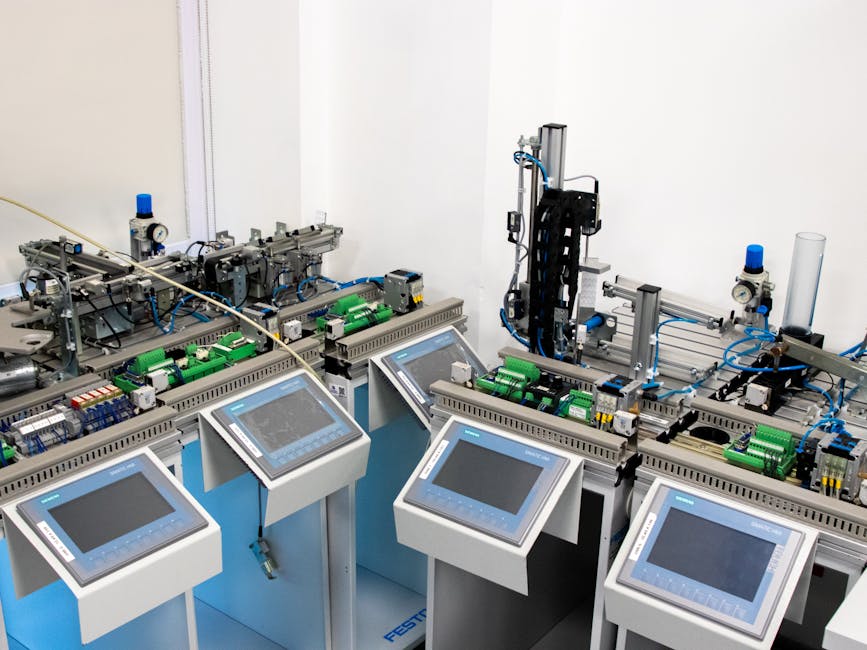
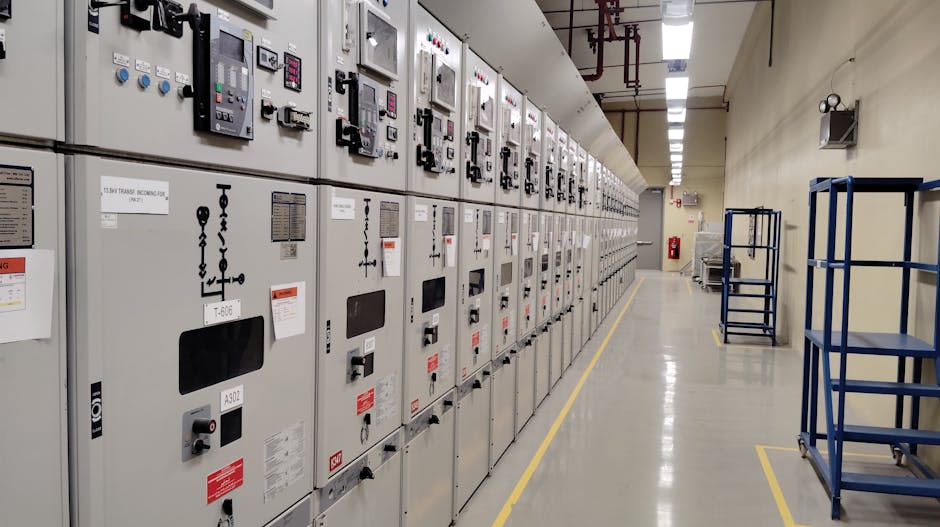
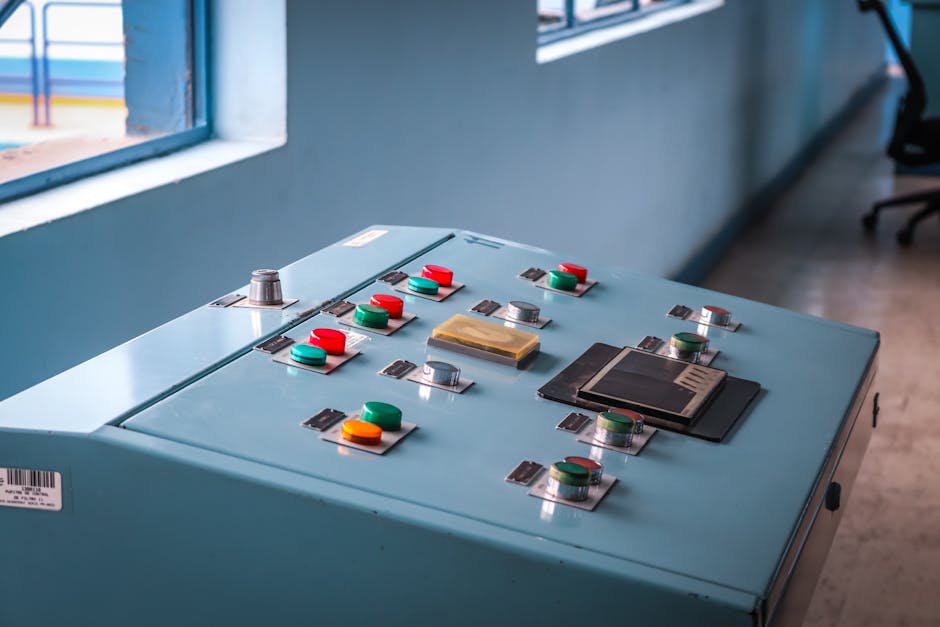
    smart factory floor IoT sensors PLC control panel industrial automation 2026

    What Exactly Is IIoT–PLC Integration, and Why Should You Care?

    Let’s quickly level-set the terminology, because these two acronyms get tossed around a lot but rarely explained side by side.

    PLCs (Programmable Logic Controllers) are the workhorses of industrial automation. They’ve been controlling motors, conveyors, robotic arms, and hydraulic systems since the 1960s. They’re rugged, deterministic, and extremely reliable — but traditionally, they’re also islands. A PLC knows exactly what’s happening on its own machine, but it historically didn’t share that data anywhere else without significant engineering effort.

    Industrial IoT, on the other hand, is the ecosystem of smart sensors, edge computing devices, cloud platforms, and communication protocols (think MQTT, OPC-UA, Modbus TCP) designed to pull data from those isolated systems and turn it into actionable intelligence.

    When you marry the two — connecting PLC data streams to IIoT architectures — you unlock something genuinely transformative: real-time visibility, predictive maintenance, remote diagnostics, and cross-machine optimization. According to a 2026 report by McKinsey’s Manufacturing Insights division, factories that have fully integrated IIoT with their legacy PLC infrastructure report an average 23% reduction in unplanned downtime and a 17% improvement in overall equipment effectiveness (OEE) within the first 18 months of deployment.

    The Technical Bridge: How PLCs Actually Talk to IIoT Platforms

    This is where a lot of manufacturers get confused, so let’s walk through the architecture logically rather than just listing buzzwords.

    Most legacy PLCs (Siemens S7 series, Allen-Bradley ControlLogix, Mitsubishi MELSEC, etc.) weren’t designed with cloud connectivity in mind. So the integration typically happens in one of three ways:

    • Edge Gateway Approach: An industrial edge gateway device (like a Moxa UC-8200 or a Siemens SINEMA Remote Connect appliance) sits between the PLC and the plant network. It reads PLC register data via industrial protocols (Modbus RTU, EtherNet/IP, PROFINET) and translates it into IIoT-friendly formats like MQTT or REST APIs for upstream cloud processing. This is the most common retrofit path for existing facilities.
    • OPC-UA Server Integration: OPC Unified Architecture has become the de facto lingua franca of industrial data exchange in 2026. Many modern PLCs now support OPC-UA natively, and IIoT platforms like AWS IoT SiteWise, Siemens MindSphere, and PTC ThingWorx can consume OPC-UA data streams directly. If your PLCs support it, this is the cleanest and most secure path.
    • Greenfield Smart PLC Deployment: For new production lines, manufacturers are increasingly deploying what the industry calls “soft PLCs” or IIoT-native controllers — platforms like Codesys-based systems or Beckhoff TwinCAT 3 that run PLC logic and IIoT connectivity software on the same industrial PC hardware. No translation layer needed.

    The choice between these approaches depends heavily on your existing infrastructure, your IT/OT security posture, and — honestly — your budget. A brownfield plant with 200 legacy PLCs isn’t going to rip and replace overnight, and it shouldn’t have to.

    Real-World Deployments: What’s Actually Working in 2026

    Let’s ground this in concrete examples, because the proof is always in the production floor.

    Hyundai Motor Group’s Ulsan Smart Factory (South Korea): Hyundai completed a landmark IIoT–PLC convergence project across its Ulsan facilities in late 2025, fully operational through 2026. Their approach used OPC-UA as the backbone, connecting over 4,000 PLC nodes to a unified MES (Manufacturing Execution System) layer. The result? A reported 31% drop in quality defects on their EV battery module lines, driven by real-time SPC (Statistical Process Control) data flowing from PLC sensors directly into AI-driven quality analytics. What’s fascinating here is that they didn’t replace their existing Siemens and Fanuc PLC infrastructure — they layered IIoT connectivity on top of it.

    Bosch Rexroth’s Stuttgart Assembly Plant (Germany): Bosch Rexroth has been a vocal advocate of what they call “Open Core Engineering” — essentially using standard IT protocols alongside traditional PLC programming environments. By 2026, their Stuttgart plant runs a hybrid architecture where Allen-Bradley PLCs handle hard real-time control (think sub-millisecond response loops for press machines), while an Azure IoT Edge layer handles data aggregation, anomaly detection, and digital twin synchronization. Their maintenance cost reduction? A documented €2.3 million annually from predictive maintenance alone.

    Haier’s Smart Manufacturing Parks (China): Haier’s COSMOPlat platform — China’s largest industrial internet platform — now integrates PLC data from supplier factories across 12 provinces. What’s particularly clever about their model is the mass customization feedback loop: consumer order data from their e-commerce channels flows backward into PLC-controlled production sequences, enabling build-to-order at scale. It’s a closed-loop IIoT ecosystem that would have seemed like fantasy a decade ago.

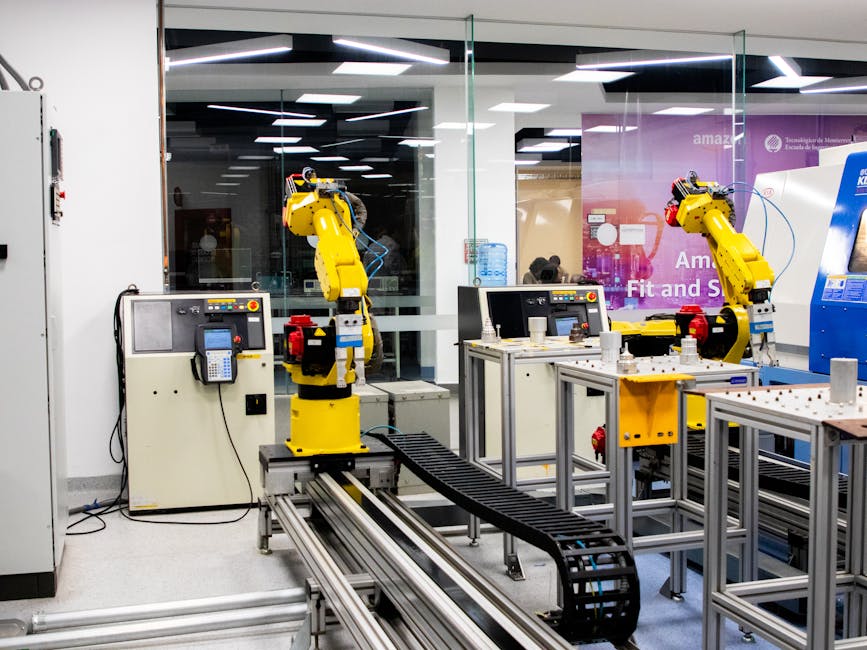
    IIoT OPC-UA architecture diagram PLC edge gateway cloud integration industrial network

    The Challenges Nobody Likes to Talk About

    I’d be doing you a disservice if I painted this as a smooth, friction-free journey. Let’s be honest about the hard parts.

    • OT/IT Security Gaps: Connecting PLCs to broader networks massively expands the attack surface. The 2025 CISA Industrial Control Systems advisory highlighted a 40% year-over-year increase in ransomware targeting OT environments. If you’re integrating IIoT with PLCs without a proper network segmentation strategy (DMZ between OT and IT, unidirectional gateways for critical systems), you’re trading downtime risk for cyber risk.
    • Protocol Fragmentation: Despite OPC-UA’s rise, the industrial floor is still a zoo of legacy protocols. You may encounter PROFIBUS DP, DeviceNet, CC-Link, and proprietary vendor protocols all on the same plant floor. Getting them all speaking to a unified IIoT platform requires significant middleware engineering.
    • Data Overload Without Analytics Strategy: PLCs can generate enormous volumes of time-series data. Without a clear analytics strategy upfront — which KPIs you’re actually tracking, what anomaly thresholds trigger alerts — you end up with a data lake nobody swims in.
    • Workforce Skills Gap: Your PLC programmers know ladder logic cold. Your IT team knows cloud architecture. Almost nobody knows both deeply. Bridging this OT/IT skills gap is consistently rated as the #1 implementation challenge in 2026 industry surveys.

    Realistic Alternatives for Different Scales

    Not every manufacturer is Hyundai or Bosch. Here’s how to think about this practically based on where you actually are:

    Small Manufacturers (under 50 employees, limited capital): Don’t try to build a custom IIoT stack. Instead, look at turnkey IIoT-PLC platforms like Ignition by Inductive Automation — it’s SCADA and IIoT combined, it supports almost every industrial protocol, and the licensing model is refreshingly sane for smaller operations. Start with one production line, prove ROI, then expand.

    Mid-Sized Manufacturers (50–500 employees): This is actually the sweet spot for IIoT–PLC integration ROI. You have enough complexity to benefit significantly, but you’re still agile enough to implement without a five-year ERP-style project. Consider a phased edge-gateway approach — deploy gateways on your highest-value or most failure-prone equipment first. Predictive maintenance on a single critical press or compressor can pay for an entire pilot program.

    Large Enterprises: At scale, the real opportunity is horizontal integration — connecting PLC data not just within a single plant but across your entire manufacturing network for supply chain optimization, energy management, and cross-facility benchmarking. This requires investment in a proper industrial data platform (Siemens MindSphere, PTC ThingWorx, or building on a hyperscaler like AWS IoT SiteWise) with strong governance from day one.

    Editor’s Comment : What I find genuinely exciting about the IIoT–PLC convergence story in 2026 is that it’s finally moving past the pilot-project stage and into real operational deployment at scale. The technology has matured, the protocols have standardized, and the ROI case is no longer theoretical. But here’s my honest take: the manufacturers winning right now aren’t necessarily those with the biggest technology budgets — they’re the ones who invested in organizational readiness alongside their tech stack. Training your PLC engineers to understand data flows, building a culture where shop-floor workers trust and act on IIoT alerts, and establishing clear data governance policies — these human factors are just as deterministic as choosing the right protocol. The machines are ready. The question is whether your organization is.

    태그: [‘Industrial IoT’, ‘PLC Integration’, ‘Smart Factory 2026’, ‘IIoT Architecture’, ‘Manufacturing Automation’, ‘OPC-UA’, ‘Predictive Maintenance’]


    📚 관련된 다른 글도 읽어 보세요

  • 산업용 IoT와 PLC 연동 스마트팩토리 완전 정복 | 2026년 제조업 혁신 핵심 가이드

    얼마 전, 경기도 안산의 한 중견 자동차 부품 제조업체 공장장님과 이야기를 나눌 기회가 있었어요. 20년 넘게 현장을 지켜온 분이셨는데, 이런 말씀을 하시더라고요. “기계는 다 있어요. 근데 기계끼리 말을 못 해요.” 그 한 마디가 오늘 이야기의 출발점인 것 같습니다. PLC(프로그래머블 논리 제어기)가 돌아가고 있고, 생산 라인도 멀쩡한데, 정작 데이터는 섬처럼 고립되어 있는 현실. 바로 이 문제를 해결하는 열쇠가 산업용 IoT(IIoT)와 PLC 연동이라고 봅니다.

    2026년 현재, 스마트팩토리는 더 이상 대기업만의 이야기가 아니에요. 정부의 제조업 디지털 전환 지원 정책과 클라우드 기반 솔루션의 비용 하락이 맞물리면서, 중소·중견 제조업체들도 본격적인 도입을 고민하고 있는 시점입니다. 그런데 막상 시작하려 하면 용어부터 막히는 경우가 많죠. IIoT가 뭔지, PLC랑 어떻게 연동하는 건지, 어디서부터 손을 대야 할지. 오늘은 그 흐름을 함께 정리해 보겠습니다.

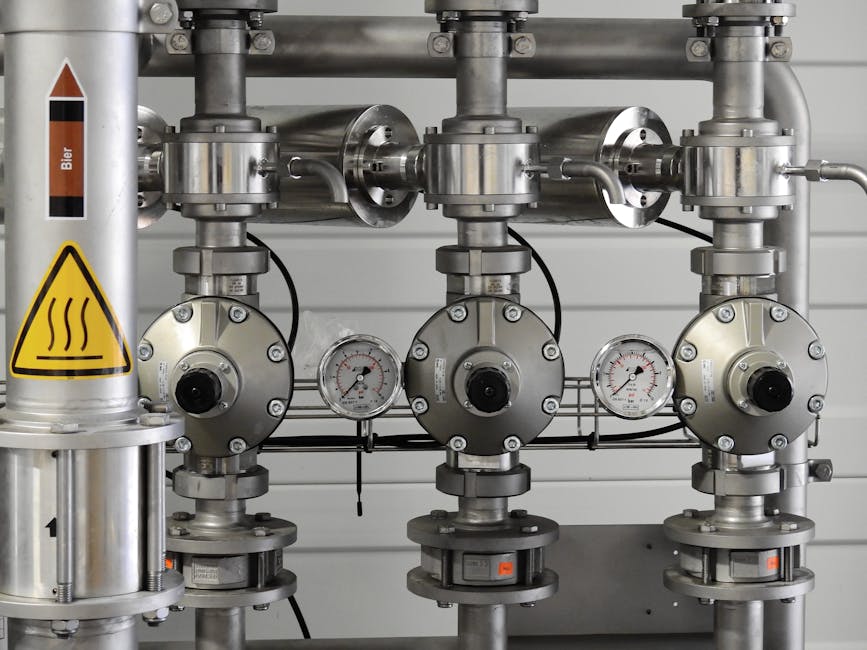
    smart factory IIoT PLC industrial automation control panel

    📊 숫자로 보는 IIoT 시장 — 얼마나 커졌나?

    먼저 시장 규모부터 짚어볼게요. 글로벌 시장조사기관 IoT Analytics의 2026년 초 보고서에 따르면, 산업용 IoT(IIoT) 글로벌 시장 규모는 약 2,890억 달러(한화 약 385조 원)에 달하는 것으로 추정됩니다. 2021년 대비 연평균 성장률(CAGR)이 약 17.3%에 달하는 셈이에요. 특히 제조업 분야가 전체 IIoT 시장에서 차지하는 비중은 약 33%로 가장 높은 수준을 유지하고 있습니다.

    국내 시장도 마찬가지예요. 중소벤처기업부와 스마트제조혁신추진단의 2026년 1분기 자료를 보면, 국내 스마트공장 누적 구축 수는 3만 5천여 개를 넘어섰고, 이 중 IIoT 기반 데이터 수집 시스템을 포함한 ‘고도화’ 단계 이상의 공장은 전체의 약 28%를 차지한다고 합니다. 2023년의 18%에 비하면 10%포인트 가까이 올라온 수치죠.

    그렇다면 왜 PLC와 IIoT 연동이 핵심이 될까요? 국내 제조 현장에 깔린 PLC 장비 수는 약 120만 대 이상으로 추정돼요. 이미 설치된 자산이기 때문에 교체 비용 없이 데이터를 끌어올 수 있다면, 그게 가장 현실적인 스마트팩토리 진입 경로가 되는 거라고 봅니다.

    🔧 IIoT와 PLC 연동, 기술적으로 어떻게 작동하나?

    PLC는 공장 자동화의 ‘두뇌’라고 볼 수 있어요. 컨베이어 벨트를 멈추고, 로봇팔을 제어하고, 온도를 조절하는 등 실시간 제어 명령을 수행하는 장치입니다. 문제는 PLC 자체가 외부 네트워크와 직접 통신하도록 설계된 게 아니라는 점이에요.

    여기서 등장하는 개념이 바로 IIoT 게이트웨이(Gateway)입니다. 게이트웨이는 PLC와 클라우드 혹은 MES(제조실행시스템) 사이의 ‘번역기’ 역할을 해요. PLC가 사용하는 통신 프로토콜—대표적으로 Modbus, PROFINET, EtherNet/IP, OPC-UA 등—을 게이트웨이가 읽어서 MQTT나 HTTP 같은 인터넷 표준 프로토콜로 변환해 클라우드로 전송하는 방식이죠.

    2026년 현재는 OPC-UA(OPC Unified Architecture)가 사실상 산업 표준으로 자리 잡아가고 있는 추세예요. 제조사와 장비 종류에 관계없이 데이터를 일관되게 주고받을 수 있기 때문에, 이기종 장비가 혼재된 국내 중소 공장 환경에 특히 유리합니다.

    🌍 국내외 스마트팩토리 사례 — 실제로 어떻게 쓰이나?

    [독일 | 지멘스 암베르크 공장]
    지멘스의 암베르크 디지털 팩토리는 IIoT와 PLC 연동의 교과서적인 사례로 꼽혀요. 공장 내 약 1,200만 개의 IIoT 센서가 PLC 데이터를 포함해 하루 5천만 건 이상의 데이터를 실시간 수집하고, 불량률을 0.001% 미만으로 유지하고 있습니다. 여기서 인상적인 건 단순히 데이터를 모으는 것이 아니라, 수집된 데이터를 디지털 트윈(Digital Twin)으로 시뮬레이션해서 생산 라인을 최적화한다는 점이에요.

    [한국 | 포스코 광양제철소]
    포스코는 2025년부터 광양제철소 압연 라인에 OPC-UA 기반 IIoT 게이트웨이를 전면 도입해 기존 PLC 설비와 AI 예지보전 시스템을 연동했어요. 그 결과 설비 고장 예측 정확도가 기존 대비 약 40% 향상되었고, 비계획 다운타임(unplanned downtime)이 연간 약 23% 감소한 것으로 알려져 있습니다. 철강처럼 장치산업 성격이 강한 분야에서 이 수치는 수십억 원의 손실 절감을 의미하죠.

    [국내 중소기업 사례 | 충청남도 식품 포장업체]
    대기업만의 이야기가 아니라는 걸 보여주는 사례도 있어요. 천안의 한 식품 포장 전문업체는 정부 스마트공장 고도화 사업 지원을 받아 기존 미쓰비시 PLC 라인에 저가형 IIoT 게이트웨이를 붙이는 방식으로 데이터 수집을 시작했습니다. 구축 비용은 약 4,200만 원 수준이었고, 6개월 만에 생산 효율이 약 11% 향상되는 효과를 거뒀다고 해요. 거창한 솔루션이 아니어도 충분히 시작할 수 있다는 걸 보여주는 사례인 것 같습니다.

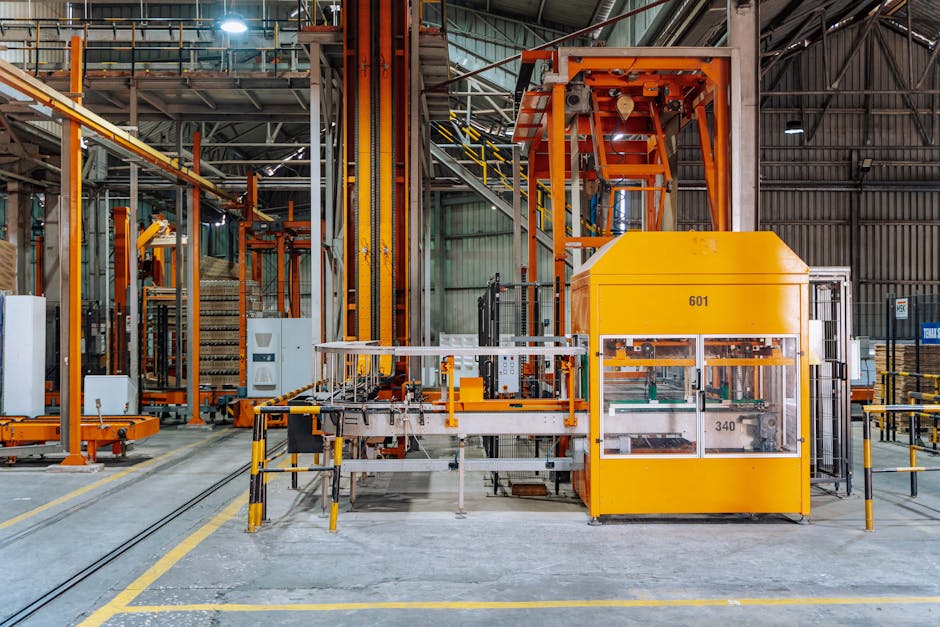
    IIoT gateway PLC data dashboard real-time manufacturing monitoring

    ✅ IIoT-PLC 연동 도입 시 반드시 체크해야 할 포인트

    • 기존 PLC 프로토콜 파악이 먼저: 지멘스(S7), 미쓰비시(MELSEC), 오므론(SYSMAC) 등 제조사마다 통신 방식이 달라요. 도입 전 현장 PLC 인벤토리 조사가 필수입니다.
    • OT/IT 네트워크 분리 설계: 공장 제어망(OT)과 사무·클라우드망(IT)을 물리적 또는 논리적으로 분리하지 않으면 보안 사고 위험이 커져요. 데이터를 연결하는 동시에 보안도 설계해야 합니다.
    • 게이트웨이 선택 기준: 지원 프로토콜 종류, 엣지 컴퓨팅 처리 능력(로컬에서 1차 데이터 처리 가능 여부), 클라우드 연동 플랫폼 호환성(AWS IoT, Azure IoT Hub, 국내 KT Cloud 등)을 확인하세요.
    • 데이터 수집 목적 명확화: “일단 다 모으자”는 접근은 오히려 독이 될 수 있어요. 예지보전이 목적인지, 품질 추적이 목적인지, OEE(설비종합효율) 개선이 목적인지에 따라 수집 항목과 주기가 달라집니다.
    • 현장 인력 교육 병행: 기술 도입만큼 중요한 게 현장 운영자의 디지털 리터러시예요. 대시보드를 만들어 놔도 보는 사람이 없으면 의미가 없으니까요.
    • 정부 지원 사업 적극 활용: 2026년 현재, 중소벤처기업부의 ‘스마트공장 고도화 지원사업’ 및 산업통상자원부의 ‘제조 DX 바우처’ 등을 통해 구축 비용의 최대 50~70%까지 지원받을 수 있는 경로가 열려 있습니다.

    🔮 2026년 이후, 스마트팩토리의 다음 단계는?

    IIoT와 PLC 연동이 ‘데이터를 모으는 것’이었다면, 다음 단계는 그 데이터를 AI와 결합하는 것이라고 봅니다. 2026년 현재 엣지 AI(Edge AI) 칩의 성능이 빠르게 올라오면서, 클라우드에 데이터를 보내지 않고도 게이트웨이나 로컬 서버에서 실시간 이상 감지를 수행하는 ‘엣지 AI 예지보전’ 솔루션이 빠르게 확산되고 있어요.

    또한 디지털 트윈(Digital Twin)과의 결합도 주목할 포인트예요. 실제 공장을 가상으로 복제한 디지털 트윈에 IIoT 데이터를 실시간으로 반영하면, 생산 계획 변경 전에 시뮬레이션으로 결과를 예측하고 최적의 의사결정을 내릴 수 있게 됩니다. 이미 국내 대형 반도체·디스플레이 공장들이 이 방향으로 투자를 집중하고 있는 것 같아요.


    에디터 코멘트 : 스마트팩토리 이야기를 하면 늘 “우리 규모에서 가능할까?\

    태그: []


    📚 관련된 다른 글도 읽어 보세요

  • Industrial Automation Robots & PLC Integrated Systems in 2026: What’s Actually Working on the Factory Floor

    A few months ago, I had the chance to tour a mid-sized automotive parts manufacturer in Ohio. What struck me wasn’t the gleaming robotic arms or the spotless assembly lines — it was the silence. Not the eerie silence of an empty factory, but the quiet hum of machines that had learned to talk to each other. The plant manager, a 30-year veteran, told me something I haven’t stopped thinking about: “The robots aren’t the revolution. The conversation between the robots and the PLC is the revolution.”

    That conversation — between industrial automation robots and Programmable Logic Controllers (PLCs) — is exactly what we’re diving into today. Whether you’re an engineer optimizing an existing line, a plant manager evaluating new investments, or simply someone curious about how modern factories actually operate in 2026, let’s think through this together.

    What Exactly Is a PLC-Integrated Robotic System?

    Before we go further, let’s make sure we’re on the same page. A Programmable Logic Controller (PLC) is essentially the brain of an automated production line — a ruggedized industrial computer that controls machinery based on a pre-programmed set of instructions. Think of it as the conductor of an orchestra. The robots? They’re the musicians.

    In a fully integrated system, the PLC doesn’t just send simple on/off commands. It manages real-time data exchange between robotic arms, conveyor systems, sensors, safety interlocks, and even enterprise-level ERP (Enterprise Resource Planning) software. The integration layer typically runs on industrial communication protocols like EtherNet/IP, PROFINET, or OPC-UA — each with different strengths depending on your factory’s architecture.

    The Numbers Behind the Trend in 2026

    Let’s ground this in real data, because the scale of adoption is genuinely staggering right now:

    • Global industrial robotics market size in 2026 is projected to exceed $74 billion USD, with PLC-integrated systems accounting for roughly 62% of new installations, according to the International Federation of Robotics (IFR) 2026 Annual Report.
    • The average return on investment (ROI) timeline for a PLC-robot integration project has dropped from 4.2 years (in 2020) to approximately 2.1 years in 2026, largely due to reduced integration costs and pre-configured middleware solutions.
    • Downtime reduction is consistently cited as the #1 measurable benefit — factories with fully integrated PLC-robot systems report an average 34% reduction in unplanned downtime compared to standalone robotic deployments.
    • The global shortage of skilled PLC programmers remains a bottleneck, with an estimated 210,000 unfilled positions worldwide as of early 2026.

    How the Integration Architecture Actually Works

    Here’s where it gets genuinely fascinating — and where most blog posts lose the thread. Let me walk you through the three dominant integration models you’ll encounter in 2026:

    1. Master-Slave Architecture: The PLC acts as the master controller, sending motion commands to robotic controllers (like Fanuc’s R-30iB+ or ABB’s IRC5) via hardwired I/O or fieldbus protocols. This is reliable and battle-tested, but it limits the robot’s ability to make autonomous decisions. Best for high-volume, low-variability tasks like stamping or welding.

    2. Peer-to-Peer (EtherNet/IP or PROFINET): The robot controller and PLC communicate as equals over an industrial Ethernet network. This allows bidirectional real-time data exchange — the robot can report actual joint torques, cycle times, and fault codes back to the PLC, which then adjusts production parameters dynamically. This is the current sweet spot for mixed-product assembly lines.

    3. Edge-AI Orchestration Layer: The genuinely new development in 2026. A local edge computing unit (think NVIDIA Jetson Orin-class hardware or Siemens SIMATIC Edge) sits between the PLC and multiple robots, running machine learning models that optimize task allocation, predict maintenance needs, and even re-sequence operations when a robot reports degraded performance. This is the architecture powering the most advanced smart factories today.

    Real-World Examples: Who’s Getting This Right?

    Theory is great, but let’s look at who’s actually executing well on PLC-robot integration in 2026.

    Hyundai Motor Group (South Korea): Their Ulsan EV assembly plant completed a full PLC-robot overhaul in late 2025, integrating over 1,400 robotic units with a unified Siemens S7-1500 PLC infrastructure. The result? A 28% increase in throughput for their IONIQ 9 production line with zero additional floor space. What made it work was a standardized OPC-UA communication layer that allowed legacy equipment from the 1990s to speak the same language as brand-new collaborative robots (cobots).

    Bosch Rexroth (Germany): Their “Factory of the Future” initiative in Stuttgart uses a hybrid Rockwell Automation / Fanuc integration stack, where PLCs manage the macro-level production flow while individual robotic cells have limited autonomy for micro-adjustments. They’ve published case studies showing 41% reduction in changeover time for small-batch manufacturing — a massive deal for European contract manufacturers.

    Amazon Robotics (USA): While not a traditional manufacturer, Amazon’s fulfillment center in Shreveport, Louisiana — opened in 2026 — uses a fascinating distributed PLC architecture where no single controller manages more than 50 robots. This redundancy means a single PLC failure affects less than 3% of total capacity. It’s a design philosophy more traditional manufacturers are starting to adopt.

    Domestic Mid-Market Reality: It’s worth noting that for smaller U.S. manufacturers (under $50M annual revenue), full integration remains aspirational rather than operational. The most common real-world scenario I see is partial integration — robots connected to PLCs for safety and basic sequencing, but without the data feedback loops that deliver the real efficiency gains. This is actually a huge opportunity, which we’ll address in the conclusion.

    The Integration Challenges Nobody Talks About Enough

    I want to be honest here, because the marketing materials from ABB, Fanuc, and Rockwell make this sound more plug-and-play than it is. The genuine friction points in 2026 include:

    • Protocol incompatibility between legacy and new equipment: That 2008-era PLC running ControlNet? It won’t natively talk to a 2026 collaborative robot without a protocol converter, and those converters introduce latency.
    • Cybersecurity vulnerabilities: Connecting PLCs to broader networks (including edge AI systems) creates attack surfaces. The 2025 ransomware attack on a major European auto supplier — which exploited an unsecured PLC interface — is a sobering reminder.
    • Change management and workforce retraining: The technology is often the easy part. Getting experienced machine operators to trust and effectively supervise an integrated system takes 6-18 months of structured training.
    • Integration project scope creep: A robot-PLC integration project that starts at $200K can balloon to $600K when you factor in network infrastructure, safety validation, and software licensing. Plan for this upfront.

    Realistic Alternatives Based on Your Situation

    Here’s where I want to give you genuinely tailored guidance rather than a one-size-fits-all recommendation. Your best path depends heavily on where you’re starting from:

    If you’re a large manufacturer (500+ employees) with capital budget: Invest in a full OPC-UA-based integration architecture from the ground up. The 2.1-year ROI timeline is real, but only if you commit to the full data feedback loop — don’t cut corners on the bidirectional communication layer. Engage a certified systems integrator (look for CSIA-certified firms) rather than trying to DIY this.

    If you’re a mid-market manufacturer with existing PLC infrastructure: Don’t rip and replace. Instead, explore middleware solutions like Cogent DataHub or Kepware that can sit on top of your existing PLC network and enable robot integration without a full overhaul. You can achieve 60-70% of the efficiency gains at 30% of the cost.

    If you’re a small manufacturer or job shop: Honestly, consider collaborative robots (cobots) with built-in PLC interfaces — Universal Robots’ UR series or Techman Robot’s TM series now come with native EtherNet/IP connectivity that can integrate directly with Allen-Bradley and Siemens PLCs without custom programming. Start with a single cell, prove the ROI, then scale.

    If you’re not a manufacturer but are evaluating this space professionally (investors, consultants, engineers): The highest-value skill set right now is understanding both the OT (Operational Technology) side (PLC programming, industrial networking) and the IT side (cloud connectivity, cybersecurity, data analytics). That bridge is where the talent shortage is most acute and where compensation is highest.

    The factory floor of 2026 isn’t science fiction — it’s incremental, it’s sometimes messy, and it rewards engineers and managers who understand the conversation between machines as much as the machines themselves. The best integrations aren’t the most technically sophisticated; they’re the ones where the PLC, the robots, and the humans operating them all genuinely understand each other.

    Editor’s Comment : What surprised me most in researching this piece was how much the “integration gap” varies by company size. The technology to connect robots and PLCs seamlessly has existed for years — the real barrier in 2026 is organizational: budget allocation, change management culture, and the willingness to invest in hybrid OT/IT talent. If you’re sitting on an older PLC system and feeling intimidated by the robotic integration conversation, start smaller than you think you need to. A single well-integrated robot cell will teach you more about your own production data than five years of manual reporting ever did.


    📚 관련된 다른 글도 읽어 보세요

  • 산업 자동화 로봇 PLC 통합 시스템 완벽 가이드 2026 — 제조 현장을 바꾸는 핵심 기술

    얼마 전, 경기도 안산의 한 중견 자동차 부품 제조사 공장장님과 이야기를 나눈 적이 있어요. 그분이 한숨을 쉬며 이런 말씀을 하셨습니다. “로봇은 들여놨는데, PLC(Programmable Logic Controller)랑 연동이 안 되니까 결국 사람이 중간에 끼어서 수동으로 신호 넣어주고 있어요.\


    📚 관련된 다른 글도 읽어 보세요

  • 도메인 주도 설계(DDD) 실무 가이드 2026 — 복잡한 비즈니스 로직을 코드로 정복하는 법

    몇 해 전, 한 스타트업의 백엔드 개발자가 이런 고민을 털어놨어요. “기능은 잘 돌아가는데, 6개월만 지나면 아무도 이 코드를 건드리려 하지 않아요.” 데이터베이스 테이블 하나를 수정하면 엉뚱한 곳에서 버그가 터지고, 새로운 팀원이 온보딩하는 데만 3주가 걸리는 상황이었죠. 아마 이 글을 읽는 분들 중에도 비슷한 경험이 있으실 것 같아요. 바로 이 지점에서 도메인 주도 설계(Domain-Driven Design, DDD)가 등장합니다. DDD는 단순한 아키텍처 패턴이 아니라, 소프트웨어가 풀어야 하는 문제 그 자체에 집중하게 만드는 사고방식이라고 봐요.

    2026년 현재, 마이크로서비스 아키텍처가 보편화되고 LLM 기반 기능이 서비스에 속속 통합되면서 도메인 경계를 명확히 긋는 일은 예전보다 훨씬 더 중요해졌습니다. 오늘은 DDD의 핵심 개념부터 실무 적용 전략까지 함께 정리해 보겠습니다.


    1. DDD가 왜 지금 다시 주목받는가 — 수치로 보는 복잡성의 증가

    DDD는 에릭 에반스(Eric Evans)가 2003년 저서 “Domain-Driven Design”에서 처음 체계화한 개념이에요. 그런데 왜 20년이 지난 2026년에 다시 뜨거운 관심을 받는 걸까요? 몇 가지 수치가 이를 설명해 준다고 봅니다.

    • 코드베이스 복잡도 증가: GitHub의 2025년 연간 보고서에 따르면, 평균적인 SaaS 제품의 코드베이스 크기는 2020년 대비 약 340% 증가했습니다. 기능이 많아질수록 도메인 경계가 모호해지는 속도도 함께 빨라지고 있어요.
    • 기술 부채 비용: McKinsey의 2025년 기술 부채 리포트는 글로벌 기업들이 기술 부채를 관리하는 데 IT 예산의 평균 20~40%를 소진하고 있다고 추산했습니다.
    • 마이크로서비스 도입률: 2026년 기준, 직원 500명 이상의 국내 IT 기업 중 약 68%가 마이크로서비스 아키텍처를 도입했거나 도입을 추진 중이라는 조사 결과가 있어요. 마이크로서비스의 서비스 경계를 제대로 나누지 못하면 오히려 분산된 모놀리스(Distributed Monolith)라는 최악의 결과로 이어지는데, DDD의 경계 컨텍스트(Bounded Context)가 바로 이 문제의 해결 열쇠입니다.
    • 팀 온보딩 시간: DDD를 도입한 팀은 그렇지 않은 팀에 비해 신규 개발자 온보딩 시간이 평균 35% 단축된다는 내부 사례들이 보고되고 있어요. 비즈니스 언어와 코드 구조가 일치하기 때문이라고 봅니다.

    2. DDD의 핵심 개념 — 언어가 곧 설계다

    DDD를 처음 접하면 용어의 장벽에 막히는 경우가 많아요. 하나씩 짚어볼게요.

    • 유비쿼터스 언어(Ubiquitous Language): 개발자, 기획자, 비즈니스 담당자가 동일한 단어로 소통하는 것을 목표로 합니다. 예를 들어 기획자가 “주문”이라고 할 때 개발자 코드에 Order가 있고, DB에도 orders 테이블이 있어야 해요. 용어가 맥락마다 다르면 오해와 버그가 발생하기 마련이니까요.
    • 경계 컨텍스트(Bounded Context): 같은 “고객”이라도 결제 시스템에서의 고객과 마케팅 시스템에서의 고객은 다른 속성을 가집니다. 각 컨텍스트 안에서 모델의 의미가 일관되게 유지되도록 경계를 명확히 그어주는 개념이에요.
    • 애그리게이트(Aggregate): 데이터 변경의 일관성을 보장하는 클러스터 단위입니다. Order(주문)와 OrderItem(주문 항목)처럼 함께 변경되어야 하는 객체들을 묶고, 외부에서는 반드시 루트 엔티티(Aggregate Root)를 통해서만 접근하도록 강제해요.
    • 도메인 이벤트(Domain Event): “주문이 완료되었다”처럼 비즈니스적으로 의미 있는 사건을 코드로 표현하는 방식입니다. 2026년에는 이벤트 소싱(Event Sourcing) 패턴과 결합해 AI 기반 감사 추적(Audit Trail) 기능을 구현하는 데도 활발히 활용되고 있어요.
    • 레이어드 아키텍처 vs 헥사고날 아키텍처: DDD는 특정 아키텍처를 강제하지 않지만, 도메인 로직이 인프라(DB, 프레임워크)에 오염되지 않도록 포트와 어댑터(Ports & Adapters) 패턴, 즉 헥사고날 아키텍처와 찰떡궁합이라고 봅니다.

    3. 국내외 실무 사례 — 이론이 현장에서 어떻게 작동하는가

    이론은 충분히 이해했다 해도 “실제로 효과가 있나?”라는 의구심이 남기 마련이에요. 몇 가지 사례를 함께 살펴볼게요.

    해외 사례 — Spotify의 Squad 모델과 DDD: Spotify는 오래전부터 “스쿼드(Squad)”라는 작은 팀 단위로 조직을 운영해 왔어요. 이 구조는 DDD의 경계 컨텍스트 개념과 거의 일치합니다. 각 스쿼드가 자신의 도메인(재생목록, 추천 알고리즘, 결제 등)을 완전히 소유하고, 팀 간 인터페이스(컨텍스트 맵)를 API로 명확히 정의한 덕분에 수백 개의 마이크로서비스가 비교적 안정적으로 운영된다고 알려져 있어요.

    국내 사례 — 카카오 커머스의 도메인 분리 경험: 카카오 커머스 팀은 공개 기술 블로그에서 초기의 모놀리식 커머스 시스템을 도메인 단위로 분리하는 과정을 공유한 바 있습니다. 특히 “상품”, “주문”, “정산” 도메인이 서로 강하게 결합되어 있어 하나를 수정하면 다른 두 개가 영향받는 문제를 겪었고, 이를 경계 컨텍스트 기반으로 분리하면서 배포 독립성을 확보했다고 해요. 이 과정에서 가장 어려웠던 부분은 기술적인 것이 아니라 “이 개념이 어느 도메인에 속하는가”를 팀 전체가 합의하는 과정이었다고 밝혀, DDD가 결국 커뮤니케이션 문제임을 다시 한번 확인시켜 줍니다.

    스타트업에서의 전략적 DDD: 모든 팀이 처음부터 완전한 DDD를 도입할 필요는 없어요. “전략적 DDD\


    📚 관련된 다른 글도 읽어 보세요

  • React Server Components in 2026: The Practical Field Guide Every Developer Needs Right Now

    Picture this: it’s late on a Tuesday night, and your team lead drops a message in Slack — “Our Lighthouse score is a disaster. We need to fix the bundle size before the product launch.” Sound familiar? I’ve been there. And honestly, that exact scenario is what pushed me deep into React Server Components (RSC) territory about a year ago. What I discovered completely changed the way I think about building React applications.

    In 2026, RSC isn’t experimental novelty anymore — it’s the architectural backbone of serious production apps. If you’re still treating it like an optional feature to “check out someday,” this guide is going to change your mind. Let’s reason through this together.

    React server components architecture diagram 2026 Next.js data flow

    🔍 What Exactly Are React Server Components? (And Why Should You Care?)

    Before we dive into the practical stuff, let’s make sure we’re on the same page. React Server Components are components that render exclusively on the server — they never ship their JavaScript to the client. Think of them like a smart factory: all the heavy machinery (database queries, file system access, API calls) stays at the factory. Only the finished product (the HTML) gets delivered to your door.

    This is fundamentally different from Server-Side Rendering (SSR), which many developers confuse it with. SSR renders components on the server and ships the JavaScript to hydrate them on the client. RSC says: “Why ship the JavaScript at all if the component doesn’t need interactivity?”

    • Server Components: Zero client-side JavaScript. Direct database/backend access. Non-interactive UI chunks.
    • Client Components: Traditional React components with hooks, event listeners, and browser APIs. Marked with 'use client'.
    • Shared Components: Can render in both environments — useful for utility components like layout wrappers.

    📊 The Numbers That Make the Case for RSC in 2026

    Let’s talk data, because gut feelings don’t ship products. According to the State of JavaScript 2025 survey (published in early 2026), 67% of developers using Next.js 15+ report measurable improvements in Core Web Vitals after adopting RSC architecture. Here’s what the real-world impact typically looks like:

    • Bundle size reduction: Teams migrating heavy data-fetching logic to Server Components report 30–60% reduction in JavaScript bundle size on average.
    • Time to First Byte (TTFB): Colocation of data fetching with rendering eliminates client-side waterfall requests, improving TTFB by 200–400ms in mid-complexity apps.
    • Largest Contentful Paint (LCP): Streaming with Suspense boundaries allows progressive rendering, consistently pushing LCP scores into the “Good” range (under 2.5s).

    The reason these gains are so dramatic is simple when you reason it through: previously, a typical data-heavy page would load the JavaScript bundle → hydrate → fire API requests → re-render. RSC collapses that cascade into a single server-side pass. Less roundtrips = faster perceived performance. The physics of the web are working for you instead of against you.

    🌍 Real-World Examples: Who’s Actually Using This in Production?

    Let’s ground this in reality. Theory is great, but seeing how actual teams implement RSC is where the lessons really stick.

    Shopify’s Hydrogen 3.0 (International Example): Shopify’s commerce framework, Hydrogen, rebuilt its storefront architecture around RSC in late 2025. Product catalog pages — which are inherently read-heavy and non-interactive — are now pure Server Components, while cart and checkout interactions remain Client Components. The result? Their benchmark storefronts show an average 45% reduction in JavaScript payload, directly impacting conversion rates on mobile devices in bandwidth-constrained markets across Southeast Asia and Latin America.

    Toss (South Korean Fintech Example): The popular Korean fintech super-app Toss has been incrementally migrating their web dashboards to a Next.js App Router architecture with RSC at its core. Their engineering blog noted that transaction history feeds — tables with complex server-side aggregation — became trivially simple to implement: query the DB directly in the Server Component, render the table, done. No custom API endpoints. No state management overhead. Their junior developers reportedly onboarded to the codebase significantly faster.

    React server components practical code example Next.js App Router

    🛠️ Practical Implementation: The Patterns That Actually Work

    Alright, let’s get our hands dirty. Here are the three most impactful patterns I’ve seen work consistently in production codebases in 2026:

    • Pattern 1 — Data Fetching at the Leaf: Fetch data as close to where it’s consumed as possible. Instead of one giant data fetch at the top of the tree, let each Server Component fetch its own data. Next.js’s request deduplication and React’s cache() function handle the efficiency concerns for you.
    • Pattern 2 — Client Islands in a Server Sea: Think of your UI as predominantly server-rendered “land” with small interactive “islands” (Client Components) dotted throughout. A product page might be 95% Server Component with a small <AddToCartButton client /> island. This maximizes the RSC performance benefits.
    • Pattern 3 — Suspense-Driven Streaming: Wrap independent data-fetching Server Components in <Suspense> boundaries with meaningful skeleton fallbacks. This lets the server stream HTML progressively — users see content immediately, and slower data sections fill in without blocking the whole page.
    • Pattern 4 — The Composition Bridge: Pass Client Components as children props to Server Components when you need interactivity within a server-rendered shell. This lets you thread the needle between the two worlds without breaking RSC’s constraints.

    ⚠️ The Pitfalls Nobody Warns You About

    I’d be doing you a disservice if I only painted the rosy picture. RSC comes with real gotchas that can cost you days of debugging if you’re not prepared:

    • Context API doesn’t work in Server Components. Context is a client-side concept. For server-side “context” (like user sessions), use cookies or headers accessed via Next.js’s headers() / cookies() functions.
    • Third-party libraries aren’t always RSC-ready. Many older npm packages use browser APIs internally. You’ll hit the dreaded “You’re importing a component that needs X” error. The solution is usually wrapping the problematic import in a Client Component boundary.
    • Serialization constraints on props. You can’t pass functions or class instances as props from Server to Client Components — only serializable data. This forces cleaner data interfaces, which is actually a good architectural discipline.

    🔄 Realistic Alternatives: When RSC Might NOT Be Your Answer

    Here’s where I want to be genuinely honest with you, because not every situation calls for RSC architecture. Let’s think through when alternatives make more sense:

    • Highly Interactive SPAs (e.g., collaborative tools, complex editors): If your app is essentially a desktop application running in the browser — like a Figma-style canvas or a real-time collaborative document — the overhead of managing the Server/Client boundary may outweigh the benefits. A well-optimized traditional SPA with code-splitting and lazy loading might serve you better.
    • Teams new to React: If your team is still getting comfortable with React fundamentals, introducing RSC’s mental model (especially the Server/Client boundary) simultaneously can lead to architectural confusion. Master the basics first, then layer in RSC.
    • Static content with rare updates: For blogs or marketing sites that update infrequently, full static generation (SSG) with a CDN is still often the right call. RSC shines when data is dynamic and user-specific.
    • Backend infrastructure constraints: RSC requires a Node.js (or compatible) server environment. If your hosting setup is purely static (like GitHub Pages), you’re not in RSC territory.

    The honest truth? RSC is one of the most significant paradigm shifts in React’s history, and in 2026 it’s mature enough that the tooling, documentation, and community knowledge are genuinely solid. The performance gains are real, the developer experience — once you internalize the mental model — is genuinely ergonomic, and the architectural clarity it forces is valuable even beyond the performance wins.

    If you’re building a content-rich, data-driven application with Next.js today, not using RSC is increasingly a deliberate trade-off that deserves justification rather than the other way around.

    Editor’s Comment : The most common mistake I see developers make with RSC isn’t technical — it’s philosophical. They try to treat Server Components like “SSR but faster” and get frustrated when the mental model doesn’t quite click. The shift that unlocks everything is this: stop thinking about when components render, and start thinking about where they live. Once your intuition for the server/client boundary becomes natural, RSC stops feeling like a constraint and starts feeling like a superpower. Give it two real projects, not two tutorials — that’s when it genuinely clicks.

    태그: [‘React Server Components’, ‘RSC 2026’, ‘Next.js App Router’, ‘React Performance Optimization’, ‘Server Side Rendering’, ‘Web Development 2026’, ‘JavaScript Architecture’]


    📚 관련된 다른 글도 읽어 보세요

  • PLC 자동화 시스템 2026 최신 트렌드 | AI·엣지컴퓨팅과의 융합이 바꾸는 스마트 팩토리의 미래

    얼마 전 경기도 안산의 한 중견 자동차 부품 제조업체 현장을 방문할 기회가 있었어요. 10년 넘게 같은 PLC 패널을 운용해 온 공장장님이 이런 말씀을 하셨습니다. “예전엔 PLC가 그냥 ‘켜고 끄는 장치’였는데, 요즘엔 공장 전체가 PLC를 중심으로 ‘생각’을 하는 것 같아요.” 단순한 시퀀스 제어 장치로 출발했던 PLC(Programmable Logic Controller)가 2026년 현재, AI·클라우드·엣지컴퓨팅과 결합하면서 완전히 다른 존재로 진화하고 있다는 걸 실감한 순간이었습니다.

    이번 글에서는 2026년 기준으로 PLC 자동화 시스템이 어떤 방향으로 흘러가고 있는지, 구체적인 수치와 국내외 사례를 바탕으로 함께 살펴보려 합니다.

    smart factory PLC automation system 2026 industrial control

    📊 본론 1. 숫자로 보는 PLC 시장의 현재 — 2026년 글로벌 트렌드 수치 분석

    먼저 시장 규모부터 짚어보면, 글로벌 PLC 시장은 2026년 기준 약 180억 달러(한화 약 24조 원) 규모로 성장한 것으로 추정됩니다. 연평균 성장률(CAGR)은 약 6.2~7.1% 수준으로, 전통적인 제조업 자동화를 넘어 에너지·물류·반도체 분야까지 수요가 급격히 확산되고 있다고 봅니다.

    특히 주목할 만한 수치는 다음과 같아요.

    • AI 통합 PLC 비중 확대: 2026년 신규 도입 PLC 중 약 38%가 머신러닝 기반 예측 진단(Predictive Maintenance) 기능을 탑재한 것으로 분류됩니다. 2023년 대비 약 2.5배 증가한 수치예요.
    • 소프트 PLC(Soft PLC) 점유율 상승: 전통적인 하드웨어 PLC 대신 산업용 PC나 엣지 디바이스에서 구동되는 소프트 PLC의 시장 점유율이 전체의 약 21%까지 올라온 상황입니다.
    • OPC-UA 통신 표준 채택률: IIoT(산업용 사물인터넷) 연동을 위한 OPC-UA 프로토콜 채택률이 제조업 PLC 신규 설치 기준 약 62%에 달하며, 사실상 업계 표준으로 자리잡았다고 볼 수 있습니다.
    • 사이버보안 투자 비율: PLC 네트워크 보안에 대한 투자가 자동화 전체 예산의 평균 12~15%를 차지하기 시작했는데, 이는 2022년 대비 약 3배 수준입니다. 그만큼 보안 위협이 현실화되고 있다는 방증이라고 봐요.

    이 수치들이 의미하는 건 결국 하나입니다. PLC가 더 이상 독립된 섬(Island)이 아니라, 공장 데이터 생태계의 핵심 노드(Node)로 변화하고 있다는 거예요.

    🌐 본론 2. 국내외 주요 사례로 보는 PLC 자동화의 진화

    🇩🇪 독일 — 지멘스(Siemens)의 SIMATIC S7-1500 + AI Edge Module

    지멘스는 2025년 말부터 자사의 SIMATIC S7-1500 시리즈에 AI Edge Module을 정식 통합하기 시작했어요. 이 모듈은 PLC가 수집한 진동, 온도, 전류 데이터를 로컬에서 즉시 분석해 설비 이상 징후를 고장 발생 평균 72시간 전에 감지할 수 있다고 합니다. 클라우드로 전송하기 전에 엣지에서 1차 분석이 이뤄지기 때문에 레이턴시(Latency, 지연시간)가 극적으로 줄어드는 구조예요.

    🇺🇸 미국 — 록웰 오토메이션(Rockwell Automation)의 FactoryTalk Optix 플랫폼

    록웰은 2026년 현재 FactoryTalk Optix를 통해 Allen-Bradley PLC와 클라우드 SCADA를 하나의 플랫폼으로 통합하는 방향을 밀고 있습니다. 오하이오 주 자동차 조립 공장 도입 사례에서는 다운타임(Downtime, 비가동 시간)이 연간 약 19% 감소했다는 결과가 공개됐어요. 주목할 점은 현장 엔지니어가 태블릿으로 PLC 로직을 원격 수정할 수 있다는 점인데, 기존에는 상상하기 어려운 방식이었죠.

    🇰🇷 국내 — 삼성전자·현대자동차의 소프트 PLC 전환 움직임

    국내에서도 변화는 빠르게 진행 중입니다. 삼성전자 반도체 라인 일부에서는 기존 하드웨어 PLC를 산업용 PC 기반 소프트 PLC로 전환하는 파일럿 프로젝트가 진행되고 있는 것으로 알려져 있어요. 하드웨어 교체 주기를 줄이고 소프트웨어 업데이트만으로 기능 확장이 가능하다는 점이 핵심 이유라고 봅니다. 현대자동차 역시 울산 공장에서 LS일렉트릭, 미쓰비시 PLC와 디지털 트윈(Digital Twin) 플랫폼을 연동하는 테스트를 진행 중이에요.

    PLC edge computing AI integration industrial IoT Korea factory

    🔍 본론 3. 2026년 PLC 자동화의 핵심 키워드 5가지

    • 엣지 AI(Edge AI): 클라우드 의존도를 줄이고 현장에서 실시간 판단을 내리는 구조. 특히 반응 속도가 생명인 공정에서 필수 요소로 떠오르고 있어요.
    • 오픈 PLC / IEC 61131-3 표준화: 특정 벤더에 종속되지 않는 개방형 PLC 아키텍처에 대한 수요가 늘고 있습니다. OpenPLC Runtime 같은 오픈소스 솔루션도 주목받고 있어요.
    • 사이버 보안 내재화(Security by Design): PLC가 네트워크에 연결되면서 스턱스넷(Stuxnet) 같은 사이버 공격에 노출될 위험이 높아졌습니다. IEC 62443 표준 기반의 보안 설계가 도입 필수 조건이 되어가고 있어요.
    • 디지털 트윈 연동: PLC가 수집한 실시간 데이터를 가상 모델과 동기화해, 실제 설비를 가동하기 전에 시뮬레이션으로 검증하는 방식이 확산 중입니다.
    • 로우코드/노코드 PLC 프로그래밍: 래더 다이어그램(Ladder Diagram)에 익숙하지 않은 현장 인력도 직관적인 UI로 PLC 로직을 수정할 수 있는 환경이 만들어지고 있어요. 진입 장벽이 낮아진다는 건 그만큼 활용 범위가 넓어진다는 의미라고 봅니다.

    💡 결론 — 지금 우리가 준비해야 할 현실적인 대안

    PLC 자동화 시스템의 변화 속도를 보면, 단순히 하드웨어를 교체하는 것만으로는 부족한 시대가 됐다는 걸 느낍니다. 소프트웨어 아키텍처, 데이터 표준화, 보안, AI 연동까지 통합적으로 설계할 수 있는 역량이 필요해요.

    중소 제조기업이라면 처음부터 모든 걸 바꾸려 하기보다는, OPC-UA 통신 표준 적용 → 엣지 게이트웨이 설치 → 데이터 수집 체계 구축 순서로 단계적으로 접근하는 것이 현실적인 대안이라고 봅니다. 큰 투자 없이도 기존 PLC 자산을 살리면서 스마트화의 첫 걸음을 뗄 수 있거든요.

    에디터 코멘트 : PLC는 40년 넘게 제조 현장을 지켜온 기술이에요. 그런데 2026년의 PLC는 그 묵직한 신뢰성에 AI와 네트워크의 유연함을 더하고 있습니다. 기술의 변화가 두렵다면, 지금 우리 공장의 PLC가 어떤 데이터를 만들어내고 있는지부터 들여다보는 게 좋은 출발점이 될 것 같아요. 아는 것에서 변화는 시작되니까요.

    태그: [‘PLC자동화’, ‘스마트팩토리2026’, ‘PLC최신트렌드’, ‘엣지AI’, ‘IIoT’, ‘산업자동화’, ‘디지털트윈’]


    📚 관련된 다른 글도 읽어 보세요

  • 2026년 풀스택 개발 최신 기술 스택 추천 — 지금 당장 배워야 할 조합은?

    얼마 전 지인 한 명이 이런 말을 꺼냈어요. “야, 나 작년에 Vue 배웠는데 이제 다들 Next.js 쓰래. 또 갈아타야 해?” 프론트엔드 공부를 막 시작한 분들이라면 공감하실 것 같아요. 풀스택 개발 세계는 정말이지 1~2년이 멀다 하고 판이 바뀌거든요. 특히 2025년 후반부터 AI 코딩 어시스턴트가 개발 생산성의 핵심으로 자리 잡으면서, 2026년 현재 ‘어떤 기술 스택을 선택하느냐’의 무게감이 예전과는 비교도 안 될 만큼 커졌다고 봅니다. 그래서 오늘은 함께 2026년 기준으로 가장 현실적이고 취업·프리랜서 시장에서 통하는 풀스택 기술 스택을 고민해 볼게요.

    📊 본론 1 — 수치로 보는 2026년 기술 스택 트렌드

    Stack Overflow Developer Survey 2025 및 State of JS 2025 결과를 종합해 보면 몇 가지 흥미로운 숫자가 눈에 띕니다.

    • Next.js: 풀스택 프레임워크 선호도 1위 유지, 응답자의 약 62%가 현업에서 사용 중이라고 답했어요. App Router 방식이 Pages Router를 완전히 대체하는 흐름이 굳어졌습니다.
    • TypeScript: JavaScript 대신 TypeScript를 기본 언어로 채택한 팀이 전체의 78%를 넘었어요. 이제 TypeScript는 선택이 아닌 사실상 표준이라고 봐도 무방합니다.
    • Bun & Deno 2: Node.js 대안 런타임의 채택률이 전년 대비 2배 이상 증가했어요. 특히 Bun은 패키지 매니저, 번들러, 테스트 러너를 하나로 통합한 ‘올인원’ 포지셔닝으로 스타트업을 중심으로 빠르게 확산 중입니다.
    • tRPC + Prisma 조합: 타입 안정성을 end-to-end로 보장하는 이 조합은 T3 Stack으로 불리며, 1인 개발자와 소규모 팀 사이에서 폭발적인 인기를 끌고 있어요. GitHub Star 기준 Prisma는 2026년 초 40k+를 돌파했습니다.
    • PostgreSQL: 관계형 DB 점유율 49%로 MySQL을 제치고 1위로 올라섰어요. Supabase, Neon 같은 serverless PostgreSQL 서비스가 이 흐름을 더욱 가속화하고 있습니다.
    • Tailwind CSS v4: CSS 프레임워크 만족도 1위를 5년 연속 유지하며, 2026년 현재 v4 마이그레이션이 대세가 됐습니다. 빌드 속도가 이전 대비 최대 5배 빨라졌다는 점이 큰 호응을 받고 있어요.

    이 수치들을 놓고 보면, 단순히 ‘유행하는 기술’보다는 타입 안정성 + 생산성 + 서버리스 친화성이라는 세 가지 축이 2026년 기술 선택의 핵심 기준으로 자리 잡았다고 볼 수 있습니다.

    🌏 본론 2 — 국내외 실제 팀들은 어떤 스택을 쓰고 있을까?

    해외 사례 — Vercel 생태계 중심의 풀스택

    Vercel이 운영하는 공개 레포지토리와 showcase 사례들을 보면, 대부분의 SaaS 스타트업이 Next.js (App Router) + TypeScript + Tailwind CSS + Prisma + PostgreSQL (Neon) 조합을 택하고 있어요. 여기에 인증은 Auth.js (구 NextAuth.js) v5, 결제는 Stripe를 붙이는 게 거의 공식처럼 굳어졌습니다. 소위 말하는 ‘Indie Hacker 스택’이기도 하죠.

    국내 사례 — 카카오·토스·당근의 선택

    국내 테크 기업들의 기술 블로그를 살펴보면 조금 다른 결이 느껴져요. 토스는 오랫동안 React + TypeScript 기반 모노레포(Turborepo) 구조를 고도화해 왔고, 당근마켓은 GraphQL에서 점진적으로 REST + tRPC 방향으로 전환하는 실험을 공개적으로 언급한 바 있습니다. 카카오 FE 플랫폼 팀은 Next.js App Router 도입 후기를 통해 서버 컴포넌트의 성능 이점(초기 로딩 속도 약 30~40% 개선)을 실측치와 함께 공유하기도 했어요.

    이런 국내외 사례를 보면, 대기업은 안정성과 확장성을 우선시하고, 스타트업과 1인 개발자는 빠른 배포와 낮은 운영 비용을 우선시한다는 차이가 있는 것 같아요. 어떤 포지션을 목표로 하느냐에 따라 기술 스택의 우선순위도 달라질 수밖에 없다는 거죠.

    🛠️ 2026년 추천 풀스택 기술 스택 — 상황별 조합

    모든 상황에 딱 맞는 ‘만능 스택’은 없다고 봅니다. 그래서 상황별로 현실적인 조합을 정리해 봤어요.

    • [입문자 / 첫 풀스택 프로젝트]Next.js 15 + TypeScript + Tailwind CSS v4 + Supabase — 백엔드 인프라를 Supabase가 대신해 주기 때문에 DB 설정 없이 인증, 스토리지, 실시간 기능까지 빠르게 붙일 수 있어요.
    • [취업 준비 / 포트폴리오 중심]Next.js 15 + TypeScript + Prisma + PostgreSQL (Neon) + Tailwind CSS v4 + shadcn/ui — 국내 스타트업 채용 공고에서 가장 자주 보이는 조합이라 봅니다. shadcn/ui는 Radix UI 기반의 컴포넌트 라이브러리로, 디자인 완성도를 빠르게 높일 수 있어요.
    • [프리랜서 / SaaS 1인 개발]Next.js 15 + tRPC + Prisma + PostgreSQL + Stripe + Auth.js v5 — 소위 T3 Stack의 확장 버전이에요. 타입 안정성을 end-to-end로 유지하면서 결제 기능까지 통합한 ‘SaaS 보일러플레이트’ 느낌으로 활용하기 좋습니다.
    • [모바일 앱까지 커버]React Native (Expo) + tRPC + NestJS + TypeScript — 웹과 앱을 동시에 개발해야 한다면, 백엔드는 NestJS로 탄탄하게 잡고 앱은 Expo로 빠르게 뽑아내는 구성이 현실적이라 봐요. 모노레포(Turborepo 또는 Nx)로 묶으면 코드 공유 효율이 상당히 올라갑니다.
    • [AI 기능 통합 풀스택]Next.js 15 + Vercel AI SDK + LangChain.js + PostgreSQL (pgvector) — 2026년 가장 뜨거운 조합 중 하나예요. pgvector 확장을 통해 PostgreSQL 자체에서 벡터 검색을 처리할 수 있어, RAG(검색 증강 생성) 기반 AI 기능을 별도 인프라 없이 구현할 수 있다는 점이 큰 장점입니다.

    ⚠️ 주의 — 지금 당장 배우기엔 애매한 기술들

    물론 ‘피해야 한다’는 건 아니에요. 다만 2026년 현재 진입 시점으로는 타이밍이 조금 애매하다는 뜻으로 받아들여 주세요.

    • SvelteKit: 생산성은 높지만 국내 채용 수요가 여전히 Next.js 대비 현저히 낮아요. 사이드 프로젝트로는 강추하지만, 취업 목적이라면 우선순위를 조정할 필요가 있습니다.
    • GraphQL (단독): tRPC와 Server Actions의 부상으로 ‘오버엔지니어링’이라는 평가를 받는 경우가 늘었어요. 대규모 팀이나 마이크로서비스 환경이 아니라면 굳이 도입할 필요가 줄어든 분위기입니다.
    • Express.js (단독): 레거시 프로젝트 유지보수에는 여전히 필요하지만, 신규 프로젝트에서는 NestJS 또는 Hono.js로 대체되는 추세라 봅니다.

    에디터 코멘트 : 결국 2026년 풀스택의 핵심은 ‘TypeScript로 시작해서 Next.js로 완성하는 흐름’이라고 정리할 수 있을 것 같아요. 그 위에 어떤 DB, 어떤 인증, 어떤 AI 기능을 얹느냐는 자신의 목표(취업, SaaS, AI 서비스)에 따라 골라가면 됩니다. 처음부터 완벽한 스택을 갖추려고 하다 보면 ‘공부의 늪’에 빠지기 쉬워요. 오히려 Next.js + Supabase + Tailwind CSS 조합으로 작은 프로젝트 하나를 끝까지 완성해 보는 것, 그게 2026년에 풀스택을 시작하는 가장 현실적인 방법이라고 봅니다.


    📚 관련된 다른 글도 읽어 보세요

  • Siemens vs Allen-Bradley PLC: The Ultimate 2026 Comparison Review for Industrial Automation Engineers

    Picture this: it’s 2 AM on a factory floor in Ohio, and a production line has just gone down. The maintenance engineer, coffee in hand, is frantically pulling up ladder logic on a laptop. Whether he’s navigating Siemens TIA Portal or Rockwell’s Studio 5000 in that moment can literally mean the difference between a 20-minute fix and a 3-hour nightmare. I’ve heard this story — or versions of it — from dozens of automation professionals over the years. And it always circles back to the same fundamental question: Siemens or Allen-Bradley?

    In 2026, both platforms have evolved significantly, yet the debate remains as lively as ever in engineering forums, LinkedIn threads, and factory break rooms worldwide. So let’s sit down together and actually think through this — not just list specs, but reason through what these differences mean for real-world decision-making.


    🏭 A Quick Orientation: Who Are These Players?

    Siemens (Germany) offers its flagship S7 series — particularly the S7-1200, S7-1500, and the robust S7-300/400 legacy line — all programmed through the TIA Portal (Totally Integrated Automation) software ecosystem. As of early 2026, TIA Portal V19 is the current stable release, introducing enhanced AI-assisted diagnostics and improved OPC UA integration.

    Allen-Bradley, a brand under Rockwell Automation (USA), counters with its iconic ControlLogix, CompactLogix, and the newer Logix 5000 family, programmed in Studio 5000 Logix Designer. Rockwell’s 2025–2026 push has been heavily focused on cloud-connected PLCs via its FactoryTalk Design Studio, bringing browser-based programming into the mainstream.


    📊 Head-to-Head: Core Performance & Architecture

    Let’s get into the numbers that actually matter on the floor.

    • Processing Speed: The Siemens S7-1500 CPU 1518F-4 PN/DP boasts a bit processing time of 1 ns, making it one of the fastest mid-range PLCs available. The Allen-Bradley ControlLogix 5580 (5069-L380ER) offers a comparable cycle time architecture with its multi-core processor, optimized for motion-heavy applications — particularly in packaging and automotive lines.
    • Memory: S7-1500 top-tier models offer up to 60 MB work memory for code + data. ControlLogix 5580 scales up to 40 MB of user memory, though Rockwell’s architecture handles memory allocation differently, making direct comparison a bit nuanced.
    • Communication Protocols: Siemens natively excels with PROFINET and PROFIBUS, while Allen-Bradley’s native turf is EtherNet/IP and DeviceNet. In 2026, both support OPC UA and MQTT for IIoT connectivity, but Siemens has a slight edge in out-of-the-box OPC UA server configuration.
    • Redundancy: Both offer high-availability (HA) redundant CPU systems. Siemens’ S7-1500H Hot Standby is elegant and well-documented; Rockwell’s ControlLogix redundancy module (1756-RM2) is a proven workhorse in oil & gas applications.
    • Programming Languages: Both comply with IEC 61131-3 — so Ladder Diagram (LD), Structured Text (ST), Function Block Diagram (FBD), and Sequential Function Chart (SFC) are available on both platforms. That said, Allen-Bradley engineers tend to favor Ladder Logic, while Siemens users in Europe increasingly lean on Structured Text and SCL.

    💻 Software Experience: TIA Portal vs Studio 5000

    This is where opinions get spicy. Let’s be honest about both.

    TIA Portal V19 is an all-in-one environment — you configure your HMI (WinCC), drives (SINAMICS), and safety (F-CPU) all in one project tree. The integration is genuinely impressive. However, the learning curve is steep, and on older laptops, TIA Portal can feel like you’re running a small rocket launch system. New in 2026: the AI Diagnostics Assistant feature in TIA Portal V19 suggests fault causes based on historical alarm patterns — a genuinely useful addition for maintenance teams.

    Studio 5000 is widely praised for its intuitive interface, particularly for technicians coming from a maintenance (non-engineering) background. The ladder logic editor is clean, tag-based addressing is logical, and the Add-On Instructions (AOIs) system allows for beautifully modular, reusable code. Rockwell’s 2026 push with FactoryTalk Design Studio (cloud-based, browser accessible) is ambitious — it allows remote programming collaboration that feels remarkably like Google Docs for PLC code.


    🌍 Real-World Examples: Who Uses What and Why

    Geography and industry sector play a huge role in this decision — let’s look at some concrete examples.

    Case 1 — Hyundai Motor Group (South Korea): Their newer EV assembly plants in Ulsan and the Alabama facility have standardized heavily on Siemens S7-1500 with PROFINET-based robot integration (KUKA, Fanuc with PROFINET adapters). The rationale? Tight integration with Siemens SINAMICS drives and seamless TIA Portal configuration across the entire drivetrain assembly line. Engineers report ~30% reduction in commissioning time compared to their older mixed-vendor setups.

    Case 2 — Procter & Gamble (USA, multiple sites): P&G has long been an Allen-Bradley shop. Their consumer goods packaging lines across North America run almost exclusively on CompactLogix and ControlLogix, leveraging Rockwell’s extensive library of pre-built AOIs for servo motion control. The EtherNet/IP ecosystem here is a genuine competitive advantage — nearly every sensor vendor offers an EtherNet/IP adapter, simplifying procurement.

    Case 3 — BASF Chemical Plants (Germany/Belgium): In process manufacturing, Siemens dominates European chemical plants. BASF’s Safety Instrumented Systems (SIS) run on Siemens S7-300F / S7-1500F with TÜV-certified safety functions. The reason? Local Siemens support infrastructure in Germany is simply unmatched, and spare parts availability for legacy S7-300 hardware remains excellent even in 2026.

    Case 4 — Tesla Gigafactory (Texas, 2025–2026 expansion): Interestingly, Tesla’s more recent expansion cells use a mixed architecture — Siemens for the high-speed press and battery cell assembly (PROFINET motion), Allen-Bradley for the AGV (Autonomous Guided Vehicle) fleet management layer via EtherNet/IP. This hybrid approach is increasingly common in greenfield facilities that want the best of both worlds.


    💰 Total Cost of Ownership: Beyond the Sticker Price

    Here’s where many buyers make costly mistakes by focusing only on upfront hardware costs.

    • Hardware Cost: Allen-Bradley hardware typically carries a 15–30% price premium over comparable Siemens hardware in global markets (though this varies significantly by region and distributor agreements).
    • Software Licensing: TIA Portal licenses start around $2,800 USD for a professional version; Studio 5000 starts around $3,200 USD. Both have moved toward subscription models in 2026, with annual renewals around $800–1,200 USD respectively.
    • Training Costs: This is often underestimated. In North America, finding Allen-Bradley-trained technicians is significantly easier than Siemens-trained ones — which directly impacts hiring costs and downtime risk. In Europe and Asia, the balance tips the other way.
    • Spare Parts & Support: Siemens has a broader global distributor network by sheer volume. Rockwell’s authorized distributor network (Encompass partners) is deep in North America but thinner in Southeast Asia and Africa.

    🔮 2026 Trends: IIoT, AI, and Where Both Are Headed

    Both Siemens and Rockwell are racing to embed edge computing and AI diagnostics into their ecosystems. Siemens’ Industrial Edge platform paired with the S7-1500 allows real-time ML inference at the device level — processing vibration data for predictive maintenance without sending everything to the cloud. Rockwell’s answer is the Logix Echo software PLC and tighter integration with PTC ThingWorx and Microsoft Azure IoT. Both approaches are solid; the difference is ecosystem preference more than technical capability at this point.


    ✅ Realistic Recommendations: Making the Right Choice for Your Situation

    Here’s the honest truth — there’s rarely a universally “better” option. Let’s reason through the decision tree together:

    • Choose Siemens if: You’re in Europe, the Middle East, or Asia-Pacific; your application is process or chemical manufacturing; you’re heavily invested in PROFINET motion control; or your engineering team has strong IEC 61131-3 Structured Text skills.
    • Choose Allen-Bradley if: You’re in North America, particularly in automotive, food & beverage, or consumer goods; your maintenance team is technician-level (not engineer-level); you rely heavily on EtherNet/IP device ecosystems; or you need robust servo motion control with tight Kinetix integration.
    • Consider a hybrid approach if: You’re building a large greenfield facility with distinct functional zones — this is increasingly viable as both platforms support OPC UA as a neutral data exchange layer.
    • Consider alternatives if: Your budget is constrained and you’re running a smaller operation — Mitsubishi MELSEC iQ-R, Omron NX/NJ series, or even Beckhoff TwinCAT offer compelling value. Beckhoff in particular has been gaining serious traction in 2026 for PC-based control in robotics-heavy applications.

    One last thought: whichever platform you choose, invest seriously in standardizing your code architecture. A well-structured Allen-Bradley program beats a sloppy Siemens program every single time — and vice versa. The PLC brand matters less than the engineering discipline behind it.


    Editor’s Comment : After spending time with engineers on both sides of this debate, my honest take is this — the Siemens vs Allen-Bradley argument is increasingly a regional and ecosystem question rather than a pure technical one. In 2026, both platforms are genuinely excellent. The real differentiator is your supply chain, your workforce, and your existing infrastructure. Don’t let brand loyalty (in either direction) override those practical realities. And if anyone tries to sell you on one brand by bashing the other without addressing your specific context? Walk away — that’s a red flag in any vendor conversation.


    📚 관련된 다른 글도 읽어 보세요

  • 지멘스 vs 앨런브래들리 PLC 비교 리뷰 2026 | 현장 엔지니어가 알아야 할 모든 것

    얼마 전 자동화 설비 컨설팅 현장에서 이런 질문을 받았어요. “우리 라인에 PLC 새로 깔아야 하는데, 지멘스랑 앨런브래들리 중에 뭐가 낫나요?” 사실 이 질문은 ‘아이폰이 낫냐, 갤럭시가 낫냐’처럼 단순하게 답하기 어려운 문제라고 봅니다. 두 브랜드 모두 글로벌 산업 자동화 시장을 양분하는 강자이고, 각자의 생태계가 너무나 견고하기 때문이에요. 그래서 오늘은 실제 스펙과 현장 사례를 바탕으로 함께 냉정하게 비교해 보려고 합니다.

    2026년 현재, 스마트팩토리와 IIoT(산업용 사물인터넷) 전환이 가속화되면서 PLC 선택은 단순한 하드웨어 구매를 넘어 향후 10~15년의 공장 디지털화 전략을 결정하는 문제가 됐어요. 그만큼 신중하게 따져봐야 할 것 같습니다.


    🔧 두 브랜드, 간단히 짚고 넘어가기

    지멘스(Siemens)는 독일 뮌헨에 본사를 둔 산업 자동화의 대명사로, SIMATIC 시리즈로 유럽 및 아시아 시장에서 압도적인 점유율을 자랑해요. 반면 앨런브래들리(Allen-Bradley)는 로크웰 오토메이션(Rockwell Automation) 산하 브랜드로, ControlLogix·CompactLogix 라인업을 앞세워 북미 시장에서 독보적인 위치를 점하고 있습니다. 두 회사의 글로벌 산업 자동화 시장 점유율을 보면, 2026년 기준 지멘스가 약 14~16%, 로크웰 오토메이션이 약 10~12%를 차지하는 것으로 추정됩니다.


    📊 본론 1 : 핵심 스펙과 수치로 보는 비교 분석

    ① 하드웨어 성능 및 처리 속도

    지멘스의 플래그십 모델인 SIMATIC S7-1500 시리즈는 CPU 처리 속도가 최대 1ns/비트 연산(TM (Technology Module) 포함)을 지원하며, 최신 S7-1500T 모델은 모션 컨트롤 통합 기능까지 기본 내장하고 있어요. 로크웰의 ControlLogix 5580 시리즈는 처리 속도 면에서 2ns/비트 연산 수준으로 경쟁하며, 특히 다축 동기 제어에서 강점을 보입니다. 순수 처리 속도만 놓고 보면 지멘스가 소폭 우세하다고 볼 수 있지만, 실제 현장에서 이 차이가 체감되는 경우는 초고속 반복 공정 정도에 국한된다고 봐요.

    ② 프로그래밍 환경 (TIA Portal vs Studio 5000)

    지멘스의 통합 개발 환경 TIA Portal(Totally Integrated Automation Portal)은 HMI, 드라이브, 안전 시스템까지 하나의 플랫폼에서 구성할 수 있다는 게 큰 장점이에요. 2026년 최신 버전인 TIA Portal V20은 클라우드 기반 협업 설계 기능과 AI 진단 보조 기능이 대폭 강화됐습니다. 로크웰의 Studio 5000 Logix Designer는 직관적인 UI와 강력한 라이브러리 관리 기능으로 미국 엔지니어들 사이에서 높은 만족도를 보여요. 다만 HMI 설계를 위해 별도의 FactoryTalk View를 써야 한다는 점에서 통합성은 TIA Portal에 비해 다소 분산된 느낌이라고 봅니다.

    ③ 통신 프로토콜 및 IIoT 호환성

    두 브랜드 모두 PROFINET, EtherNet/IP, OPC UA를 지원하지만, 뉘앙스가 다릅니다. 지멘스는 PROFINET이 네이티브 프로토콜이라 자사 생태계 내에서는 설정이 훨씬 매끄럽고, OPC UA 서버 기능이 CPU에 기본 내장되어 있어요. 앨런브래들리는 EtherNet/IP를 주력으로 쓰며, 로크웰의 클라우드 플랫폼인 FactoryTalk Optix와의 연동이 2026년 현재 크게 개선되었습니다. MES, SCADA, ERP와의 수직 통합을 중시하는 환경이라면 두 플랫폼 모두 충분한 역량을 갖추고 있다고 봐요.

    ④ 가격 및 총소유비용(TCO)

    이 부분이 실무에서 가장 첨예한 이슈인 것 같아요. 초기 하드웨어 가격만 놓고 보면 동급 사양에서 지멘스가 앨런브래들리 대비 약 10~20% 저렴한 경우가 많습니다. 하지만 TCO(Total Cost of Ownership)를 5년 기준으로 보면 얘기가 달라져요. 앨런브래들리는 유지보수 계약(Rockwell TechConnect)이 상대적으로 비싸고, 국내 대리점 마진도 높게 형성되는 편이에요. 반면 지멘스는 국내 서비스망이 촘촘하고 부품 수급이 원활해서 장기 운용 시 유리한 면이 있다고 봅니다.


    🏭 본론 2 : 국내외 실제 적용 사례

    국내 사례 : 국내 대형 반도체 팹(Fab) 라인의 경우 지멘스 S7-1500 계열이 메인 컨트롤러로 광범위하게 채택되어 있어요. 특히 초정밀 온도·압력 제어가 필요한 CVD(화학 기상 증착) 공정에서 모션 컨트롤 통합 기능이 강점으로 작용한다고 알려져 있습니다. 반면 국내 자동차 완성차 공장의 조립 라인에서는 앨런브래들리 ControlLogix 계열이 북미 본사의 글로벌 스탠다드 정책에 따라 도입된 사례가 많아요.

    해외 사례 : 독일의 다임러(Daimler) 공장들은 당연히 지멘스 일색이라고 봐도 무방하고, 미국 GM이나 포드의 북미 공장들은 앨런브래들리를 표준 PLC로 채택하는 경향이 강합니다. 흥미로운 건 동남아 신규 공장들인데요, 2026년 현재 베트남·인도네시아 신설 공장들에서는 가격 경쟁력과 기술 지원 서비스 때문에 지멘스 도입률이 빠르게 높아지고 있다는 현장 리포트가 나오고 있어요.


    ✅ 한눈에 보는 비교 체크리스트

    • 유럽·아시아 공급망 중심 공장 → 지멘스가 유리 (부품 수급, 현지 기술지원 강점)
    • 북미 본사 글로벌 스탠다드 준수 필요 → 앨런브래들리 선택이 현실적
    • 초기 비용 절감이 최우선 → 지멘스 S7-1200/1500 엔트리 라인이 경쟁력 있음
    • 복잡한 모션 제어(다축 동기) → 두 브랜드 모두 우수, 단 지멘스 S7-1500T는 별도 모듈 불필요
    • 프로그래머 채용 용이성 (국내 기준) → 지멘스 STEP7/TIA 숙련 인력이 더 많은 편
    • 클라우드 연동 스마트팩토리 구축 → 지멘스 MindSphere/Industrial Edge vs 로크웰 FactoryTalk Cloud, 둘 다 2026년 기준 성숙 단계
    • 식음료·제약 등 안전 기능(Safety) 중시 → 지멘스 F-CPU 내장 Safety 기능이 설계 복잡도를 낮춰줌

    🎯 결론 : 정답은 없다, 하지만 ‘맥락’이 있다

    두 PLC 모두 세계 최고 수준의 제품이에요. 어느 하나가 압도적으로 우월하다고 말하기는 어렵다고 봅니다. 결국 선택의 핵심은 ①공장의 지리적 위치와 공급망, ②본사 혹은 고객사의 글로벌 스탠다드, ③현지 유지보수 인력 확보 가능성, ④15년 이상의 장기 운용 TCO라는 네 가지 축 위에서 결정되는 문제인 것 같아요.

    신규 공장을 설계하는 엔지니어라면, 먼저 고객사의 기존 PLC 표준 규격서(PLC Standard Specification)를 확인하는 게 첫 번째 단계라고 봅니다. 그게 없다면? 그때 비로소 오늘 비교한 내용들이 실질적인 의사결정 기준이 되는 것이고요.

    에디터 코멘트 : 개인적으로 국내 중소 제조업체에 처음 자동화 라인을 구축하는 분이라면, 지멘스 S7-1200 또는 S7-1500 엔트리 모델에서 시작하는 게 현실적이라고 봐요. 국내 기술 인력 풀이 더 두텁고, 부품 수급도 빠르며, TIA Portal의 학습 리소스가 한국어로도 풍부하거든요. 반면 이미 앨런브래들리 기반의 라인을 운영 중이라면 굳이 전환할 이유는 없습니다. 두 시스템 모두 2026년 현재 IIoT 대응과 사이버보안 기능이 크게 강화됐으니, 기존 시스템의 펌웨어와 소프트웨어 버전을 최신 상태로 유지하는 것이 어떤 브랜드를 쓰든 가장 먼저 해야 할 일이라고 생각합니다.


    📚 관련된 다른 글도 읽어 보세요