Author: likevinci

  • Full-Stack Developer Job Market Reality in 2026: What the Salary Numbers Actually Mean for You

    A friend of mine spent 18 months grinding through bootcamps, side projects, and late-night coding sessions โ€” only to land his first full-stack role at a mid-sized SaaS company in Seoul at a salary that was, frankly, lower than he’d expected. He wasn’t bitter about it. But he was surprised. And honestly? He probably shouldn’t have been, because the full-stack developer job market in 2026 has become one of the most nuanced, layered, and frankly misunderstood career landscapes in tech.

    So let’s think through this together โ€” not with hype, not with doom-and-gloom, but with clear eyes and real numbers.
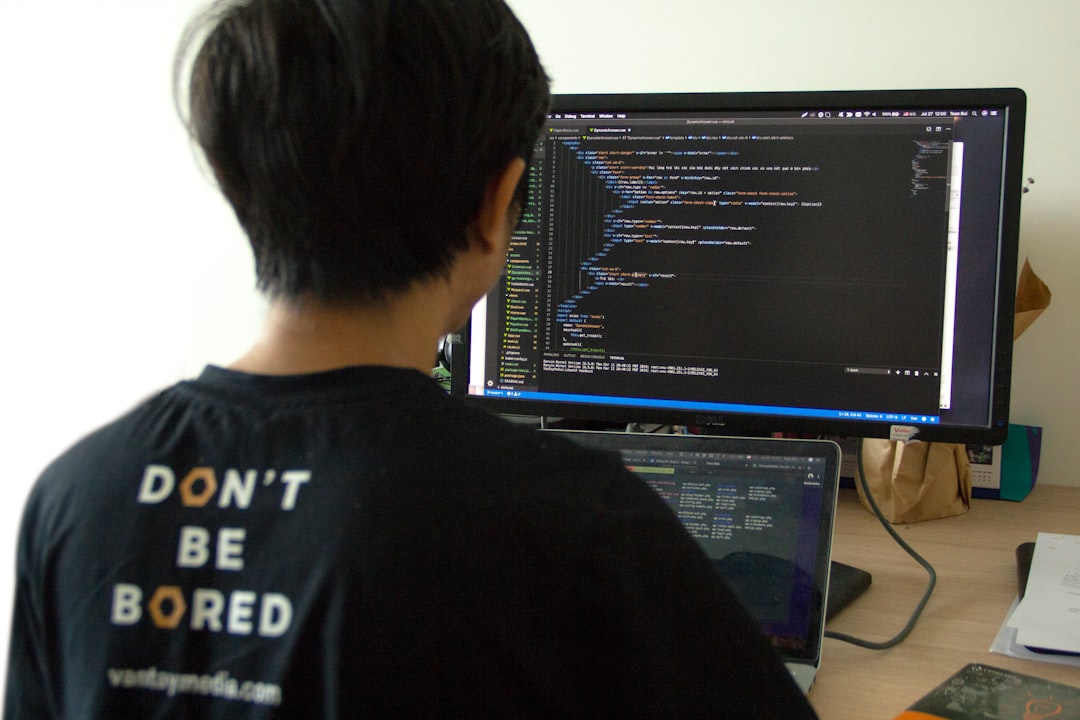
    full-stack developer working dual monitors code 2026 office

    ๐Ÿ“Š The Salary Landscape: What the Data Actually Shows in 2026

    Let’s start with the numbers, because that’s probably why you’re here. In 2026, the full-stack developer salary range varies enormously depending on three key variables: location, stack specialization, and company tier.

    • Entry-level (0โ€“2 years): In South Korea, you’re typically looking at โ‚ฉ35Mโ€“โ‚ฉ50M annually at a domestic mid-size company. In the US, entry-level roles at non-FAANG companies now average around $85,000โ€“$105,000, though this has stabilized after the 2023โ€“2024 correction.
    • Mid-level (3โ€“5 years): This is where things get interesting. Korean developers with a solid React/Node.js or Django/Vue stack are pulling โ‚ฉ60Mโ€“โ‚ฉ90M. In the US, mid-level engineers at product-driven startups average $130,000โ€“$160,000 in major metros.
    • Senior / Lead (6+ years): In Korea’s top tech companies โ€” Kakao, Naver, Krafton, Coupang โ€” senior full-stack engineers are earning โ‚ฉ120Mโ€“โ‚ฉ180M+ with stock options. US counterparts at Series B+ startups or Big Tech can clear $200,000โ€“$280,000 total compensation.
    • Freelance/Remote Global: This category is exploding in 2026. Korean developers working remotely for US or EU companies via platforms like Toptal or direct contracts are earning $60โ€“$150/hour โ€” a genuine game-changer for geography-independent income.

    ๐ŸŒ Domestic vs. International: Two Very Different Realities

    Here’s where I want to be honest with you, because a lot of content online blends these two worlds without acknowledging the gap.

    In South Korea, the market has tightened since the hiring frenzy of 2021โ€“2022. Major tech companies went through layoff cycles, and entry-level hiring became highly competitive. The silver lining? Companies are now more willing to pay well for developers who can demonstrate real product ownership โ€” not just coding ability, but the capacity to think in terms of user outcomes, system architecture, and business logic simultaneously. That’s the “full” in full-stack they care about now.

    In the US and EU, the post-AI-wave recalibration has been fascinating. Companies aren’t hiring fewer developers โ€” they’re hiring differently. The demand has shifted toward full-stack engineers who can work alongside AI pair-programming tools (GitHub Copilot, Cursor AI, etc.) and actually ship faster because of them, not despite them. Developers who treat AI as a threat are struggling; developers who’ve made it part of their workflow are thriving.
    global remote work developer salary comparison tech career 2026

    ๐Ÿค– The AI Factor: How It’s Reshaping the Full-Stack Role in 2026

    We can’t talk about full-stack salaries in 2026 without addressing the elephant in the room: generative AI has fundamentally changed the value proposition of a full-stack developer.

    Here’s my honest take โ€” AI hasn’t replaced full-stack developers, but it has raised the floor of baseline competency. What a junior dev used to take three days to build, a well-prompted AI can scaffold in three hours. This means:

    • Junior roles that purely focused on boilerplate coding are shrinking
    • Full-stack developers who understand system design, API architecture, database optimization, and product thinking are more valuable than ever
    • Developers who can review, debug, and direct AI-generated code are being hired at mid-level salaries with only 1โ€“2 years of experience
    • Soft skills โ€” communication, cross-functional collaboration, stakeholder management โ€” are now salary multipliers, not just nice-to-haves

    ๐Ÿ’ก Realistic Alternatives: Not Everyone Needs to Chase the Top Tier

    Here’s something I think gets lost in all the “six-figure salary” content: there are multiple valid paths in this field, and they don’t all require you to compete for a Kakao or Google offer.

    If you’re earlier in your journey, consider these realistic alternatives that still lead to strong outcomes:

    • Niche Full-Stack Specialization: Instead of being generically “full-stack,” specialize in a vertical โ€” HealthTech, FinTech, EdTech. Companies in these sectors pay premium for developers who understand both the code and the domain.
    • SME/Agency Path: Working at a small agency or SME in Korea (โ‚ฉ40Mโ€“โ‚ฉ55M range) gives you exposure to diverse projects fast. Treat it as a 2-year accelerated learning program, not a destination.
    • Remote-First Strategy: Build your English communication portfolio now. Even a part-time remote contract with a foreign company while working locally can significantly boost your income and resume.
    • Build-in-Public / Product Path: Some of the most interesting full-stack developers in 2026 are building micro-SaaS products as side businesses. It doesn’t need to replace your salary โ€” but it demonstrates initiative that employers in product companies actively reward.

    The job market is tough, but it’s not closed. It’s just more selective about what kind of full-stack developer it wants. And the good news is that “what kind” is entirely within your ability to shape.

    Editor’s Comment : The full-stack developer path in 2026 isn’t a straight escalator to a high salary โ€” it’s more like a climbing wall with multiple routes to the top. The developers I see thriving aren’t necessarily the ones with the most years of experience; they’re the ones who understand why they’re building something, not just how. If you’re navigating this market right now, my honest advice is to pick one strong technical niche, build something real with it, and make sure you can talk about it like a product person โ€” not just a programmer. That combination is genuinely rare, and in 2026, rare still pays very well.


    ๐Ÿ“š ๊ด€๋ จ๋œ ๋‹ค๋ฅธ ๊ธ€๋„ ์ฝ์–ด ๋ณด์„ธ์š”

    ํƒœ๊ทธ: [‘full-stack developer salary 2026’, ‘full-stack developer job market’, ‘developer salary Korea 2026’, ‘tech career 2026’, ‘full-stack developer career’, ‘software engineer salary’, ‘remote developer jobs 2026’]

  • ํ’€์Šคํƒ ๊ฐœ๋ฐœ์ž ์ทจ์—… ํ˜„์‹ค 2026: ์—ฐ๋ด‰ยท์ฑ„์šฉ ํŠธ๋ Œ๋“œยท์ƒ์กด ์ „๋žต ์™„์ „ ๋ถ„์„

    ์ง€๋‚œํ•ด ๋ง, ๋ถ€ํŠธ์บ ํ”„๋ฅผ 6๊ฐœ์›” ๋งŒ์— ์ˆ˜๋ฃŒํ•œ A์”จ(29์„ธ)๋Š” ์ž์‹  ์žˆ๊ฒŒ ์ด๋ ฅ์„œ๋ฅผ ๋„ฃ๊ธฐ ์‹œ์ž‘ํ–ˆ์Šต๋‹ˆ๋‹ค. ‘ํ’€์Šคํƒ ๊ฐœ๋ฐœ์ž’๋ผ๋Š” ํƒ€์ดํ‹€์„ ๋‹ฌ๊ณ ์š”. React๋„ ํ•  ์ค„ ์•Œ๊ณ , Node.js๋„ ์จ๋ดค๊ณ , AWS ๋ฐฐํฌ ๊ฒฝํ—˜๊นŒ์ง€ ์žˆ์—ˆ์œผ๋‹ˆ๊นŒ์š”. ๊ทธ๋Ÿฐ๋ฐ ์„œ๋ฅ˜์—์„œ๋งŒ ์—ด๋‹ค์„ฏ ๋ฒˆ์„ ๋–จ์–ด์กŒ์Šต๋‹ˆ๋‹ค. ๊ทธ๋Š” ์ด๋ ‡๊ฒŒ ๋งํ–ˆ์–ด์š”. “๋ถ„๋ช…ํžˆ ํ’€์Šคํƒ์ด๋ฉด ์œ ๋ฆฌํ•˜๋‹ค๊ณ  ํ–ˆ๋Š”๋ฐ, ์™œ ์ด๋ ‡๊ฒŒ ์•ˆ ๋˜๋Š” ๊ฑฐ์ฃ ?” ์ด ์งˆ๋ฌธ, 2026๋…„ ํ˜„์žฌ ์ทจ์—… ์‹œ์žฅ์„ ๋“ค์—ฌ๋‹ค๋ณด๋ฉด ๊ฝค ๋‚ฉ๋“์ด ๊ฐ€๋Š” ์ด์•ผ๊ธฐ๋ผ๊ณ  ๋ด…๋‹ˆ๋‹ค.

    ํ’€์Šคํƒ ๊ฐœ๋ฐœ์ž๋ผ๋Š” ์ง๋ฌด๋Š” ์—ฌ์ „ํžˆ ๋งค๋ ฅ์ ์œผ๋กœ ๋“ค๋ฆฝ๋‹ˆ๋‹ค. ํ•˜์ง€๋งŒ ํ˜„์‹ค์€ ์กฐ๊ธˆ ๋” ๋ณต์žกํ•ด์กŒ์–ด์š”. AI ๊ฐœ๋ฐœ ๋„๊ตฌ์˜ ํญ๋ฐœ์ ์ธ ๋ณด๊ธ‰, ์Šคํƒ€ํŠธ์—… ์ฑ„์šฉ ์‹œ์žฅ์˜ ๋ƒ‰๊ฐ, ๊ทธ๋ฆฌ๊ณ  ‘์ง„์งœ ์‹ค๋ ฅ’์„ ์š”๊ตฌํ•˜๋Š” ๊ธฐ์—…๋“ค์˜ ๋ˆˆ๋†’์ด ๋ณ€ํ™”๊นŒ์ง€. ์˜ค๋Š˜์€ 2026๋…„ ํ’€์Šคํƒ ๊ฐœ๋ฐœ์ž ์ทจ์—…์˜ ๋ฏผ๋‚ฏ์„ ๊ฐ™์ด ์‚ดํŽด๋ณด๋ ค ํ•ฉ๋‹ˆ๋‹ค.

    full stack developer job market 2026 coding salary

    ๐Ÿ“Š 2026๋…„ ํ’€์Šคํƒ ๊ฐœ๋ฐœ์ž ์—ฐ๋ด‰, ์ˆซ์ž๋กœ ๋ณด๋ฉด ์ด๋ ‡์Šต๋‹ˆ๋‹ค

    ๊ตญ๋‚ด IT ์ฑ„์šฉ ํ”Œ๋žซํผ ๋ฐ์ดํ„ฐ๋ฅผ ์ข…ํ•ฉํ•ด ๋ณด๋ฉด, 2026๋…„ ๊ธฐ์ค€ ํ’€์Šคํƒ ๊ฐœ๋ฐœ์ž์˜ ์—ฐ๋ด‰ ๊ตฌ๊ฐ„์€ ๋Œ€๋žต ๋‹ค์Œ๊ณผ ๊ฐ™์ด ๋‚˜๋‰˜๋Š” ๊ฒƒ ๊ฐ™์Šต๋‹ˆ๋‹ค.

    • ์‹ ์ž… ~ ๊ฒฝ๋ ฅ 1๋…„ (์ฃผ๋‹ˆ์–ด): ์—ฐ๋ด‰ 3,000๋งŒ ~ 4,200๋งŒ ์› ์ˆ˜์ค€. ์ˆ˜๋„๊ถŒ ์ค‘์†Œ๊ธฐ์—… ๋ฐ ์Šคํƒ€ํŠธ์—… ์ดˆ๊ธฐ ๋‹จ๊ณ„ ํฌ์ง€์…˜์— ์ง‘์ค‘๋˜์–ด ์žˆ์–ด์š”.
    • ๊ฒฝ๋ ฅ 2~4๋…„ (๋ฏธ๋“œ๋ ˆ๋ฒจ): ์—ฐ๋ด‰ 4,500๋งŒ ~ 6,500๋งŒ ์›. ์ด ๊ตฌ๊ฐ„์ด ๊ฐ€์žฅ ์ฑ„์šฉ ์ˆ˜์š”๊ฐ€ ํ™œ๋ฐœํ•œ ํŽธ์ด๊ณ , ๊ธฐ์ˆ  ์Šคํƒ์˜ ๊นŠ์ด์— ๋”ฐ๋ผ ํŽธ์ฐจ๊ฐ€ ํฝ๋‹ˆ๋‹ค.
    • ๊ฒฝ๋ ฅ 5๋…„ ์ด์ƒ (์‹œ๋‹ˆ์–ด): ์—ฐ๋ด‰ 7,000๋งŒ ~ 1์–ต 2,000๋งŒ ์› ์ด์ƒ. ํŠนํžˆ AI ํŒŒ์ดํ”„๋ผ์ธ ์—ฐ๋™ ๊ฒฝํ—˜์ด๋‚˜ ํด๋ผ์šฐ๋“œ ์•„ํ‚คํ…์ฒ˜ ์„ค๊ณ„ ์—ญ๋Ÿ‰์„ ๊ฐ–์ถ˜ ๊ฒฝ์šฐ ์–ต๋Œ€ ์—ฐ๋ด‰๋„ ํ˜„์‹ค์ ์ž…๋‹ˆ๋‹ค.
    • ๋Œ€๊ธฐ์—… ๊ณ„์—ด์‚ฌ ๋˜๋Š” ์™ธ๊ตญ๊ณ„: ๋„ค์ด๋ฒ„, ์นด์นด์˜ค, ์ฟ ํŒก, ํ† ์Šค, ๋ผ์ธ ๋“ฑ ์ฃผ์š” ํ…Œํฌ ๊ธฐ์—…์˜ ๊ฒฝ์šฐ ๋™์ผ ์—ฐ์ฐจ ๋Œ€๋น„ 20~40% ํ”„๋ฆฌ๋ฏธ์—„์ด ๋ถ™๋Š” ๊ฒฝํ–ฅ์ด ์žˆ์–ด์š”.

    ์—ฌ๊ธฐ์„œ ์ฃผ๋ชฉํ•  ๋ถ€๋ถ„์€ ์‹ ์ž… ๊ณต๊ณ  ์ž์ฒด๊ฐ€ ๋ˆˆ์— ๋„๊ฒŒ ์ค„์—ˆ๋‹ค๋Š” ์ ์ž…๋‹ˆ๋‹ค. 2026๋…„ ํ˜„์žฌ, ๋งŽ์€ ๊ธฐ์—…๋“ค์ด AI ์ฝ”๋”ฉ ์–ด์‹œ์Šคํ„ดํŠธ(GitHub Copilot, Cursor ๋“ฑ)๋ฅผ ์ ๊ทน ๋„์ž…ํ•˜๋ฉด์„œ “์ ๋‹นํžˆ ํ•  ์ค„ ์•„๋Š” ์ฃผ๋‹ˆ์–ด”๋ณด๋‹ค๋Š” “AI ๋„๊ตฌ๋ฅผ ์ œ๋Œ€๋กœ ํ™œ์šฉํ•  ์ค„ ์•„๋Š” ๋ฏธ๋“œ๋ ˆ๋ฒจ”์„ ์„ ํ˜ธํ•˜๋Š” ๊ตฌ์กฐ๋กœ ๋ฐ”๋€Œ๊ณ  ์žˆ๋‹ค๊ณ  ๋ด…๋‹ˆ๋‹ค.

    ๐ŸŒ ๊ตญ๋‚ด์™ธ ์ฑ„์šฉ ํŠธ๋ Œ๋“œ ๋น„๊ต: ํ•œ๊ตญ vs ๊ธ€๋กœ๋ฒŒ

    ๋ฏธ๊ตญ ๊ธฐ์ค€์œผ๋กœ ๋ณด๋ฉด, LinkedIn๊ณผ Glassdoor ๋ฐ์ดํ„ฐ๋ฅผ ์ฐธ์กฐํ–ˆ์„ ๋•Œ 2026๋…„ ํ’€์Šคํƒ ๊ฐœ๋ฐœ์ž์˜ ํ‰๊ท  ์—ฐ๋ด‰์€ ์•ฝ $115,000~$145,000 ์ˆ˜์ค€์ž…๋‹ˆ๋‹ค. ์‹ค๋ฆฌ์ฝ˜๋ฐธ๋ฆฌ ์ค‘์‹ฌ์˜ ์›๊ฒฉ ํฌ์ง€์…˜์€ ์—ฌ์ „ํžˆ $160,000์„ ๋„˜๊ธฐ๋„ ํ•ด์š”. ํฅ๋ฏธ๋กœ์šด ๊ฑด ๋ฏธ๊ตญ๋„ ๋งˆ์ฐฌ๊ฐ€์ง€๋กœ ‘ํ’€์Šคํƒ์ด๋ผ๋Š” ํƒ€์ดํ‹€๋งŒ์œผ๋กœ๋Š” ๋ถ€์กฑํ•˜๋‹ค’๋Š” ๊ธฐ์กฐ๊ฐ€ ๋šœ๋ ทํ•˜๋‹ค๋Š” ์ ์ž…๋‹ˆ๋‹ค.

    ์‹ค์ œ๋กœ 2025๋…„ ๋ง๋ถ€ํ„ฐ ๊ตฌ๊ธ€, ๋ฉ”ํƒ€ ๊ฐ™์€ ๋น…ํ…Œํฌ๋“ค์ด AI ์ž๋™ํ™”๋กœ ์ผ๋ถ€ ์—”ํŠธ๋ฆฌ ๋ ˆ๋ฒจ ํฌ์ง€์…˜์„ ๋Œ€ํญ ์ถ•์†Œํ–ˆ๊ณ , ๊ทธ ์˜ํ–ฅ์ด ๊ตญ๋‚ด์—๋„ ๊ฐ„์ ‘์ ์œผ๋กœ ๋ฏธ์น˜๊ณ  ์žˆ์–ด์š”. ๋ฐ˜๋ฉด, ๋™๋‚จ์•„์‹œ์•„ ์‹œ์žฅ(๋ฒ ํŠธ๋‚จ, ์ธ๋„๋„ค์‹œ์•„ ๋“ฑ)์—์„œ๋Š” ํ•œ๊ตญ์ธ ํ’€์Šคํƒ ๊ฐœ๋ฐœ์ž์— ๋Œ€ํ•œ ์›๊ฒฉ ํ˜‘์—… ์ˆ˜์š”๊ฐ€ ์กฐ์šฉํžˆ ๋Š˜๊ณ  ์žˆ๋Š” ํ๋ฆ„๋„ ํฌ์ฐฉ๋ฉ๋‹ˆ๋‹ค.

    ๊ตญ๋‚ด์—์„œ๋Š” ํŠนํžˆ ํ•€ํ…Œํฌ, ํ—ฌ์Šคํ…Œํฌ, AI SaaS ๋ถ„์•ผ์˜ ์Šค์ผ€์ผ์—…(Series B ์ด์ƒ) ์Šคํƒ€ํŠธ์—…๋“ค์ด ํ’€์Šคํƒ ๊ฐœ๋ฐœ์ž๋ฅผ ๊ฐ€์žฅ ํ™œ๋ฐœํ•˜๊ฒŒ ์ฑ„์šฉํ•˜๊ณ  ์žˆ์Šต๋‹ˆ๋‹ค. ์ด๋“ค์ด ์š”๊ตฌํ•˜๋Š” ํ•ต์‹ฌ ์—ญ๋Ÿ‰์€ ๋‹จ์ˆœ ๊ฐœ๋ฐœ ๋Šฅ๋ ฅ์„ ๋„˜์–ด์„œ, ์„œ๋น„์Šค ๊ธฐํš์ž๋‚˜ ๋””์ž์ด๋„ˆ์™€ ์›ํ™œํ•˜๊ฒŒ ์†Œํ†ตํ•˜๊ณ  ‘์ œํ’ˆ์„ ์Šค์Šค๋กœ ๊ฐœ์„ ํ•  ์ˆ˜ ์žˆ๋Š” ์˜ค๋„ˆ์‹ญ’์„ ๊ฐ€์ง„ ๊ฐœ๋ฐœ์ž์ž…๋‹ˆ๋‹ค.

    software developer salary comparison Korea 2026 tech career

    ๐Ÿค– AI ์‹œ๋Œ€, ํ’€์Šคํƒ ๊ฐœ๋ฐœ์ž์˜ ํฌ์ง€์…”๋‹์ด ๋‹ฌ๋ผ์กŒ์Šต๋‹ˆ๋‹ค

    2026๋…„ ์ทจ์—… ์‹œ์žฅ์—์„œ ๊ฐ€์žฅ ๋„๋“œ๋ผ์ง€๋Š” ๋ณ€ํ™”๋Š” AI ํ™œ์šฉ ๋Šฅ๋ ฅ์ด ์‚ฌ์‹ค์ƒ ๊ธฐ๋ณธ๊ธฐ๋กœ ํŽธ์ž…๋๋‹ค๋Š” ์ ์ž…๋‹ˆ๋‹ค. Cursor๋‚˜ GitHub Copilot์„ ์จ์„œ ์ฝ”๋”ฉ ์†๋„๋ฅผ ๋†’์ด๋Š” ๊ฑด ๊ธฐ๋ณธ์ด๊ณ , LLM API(OpenAI, Anthropic, Google Gemini ๋“ฑ)๋ฅผ ์‹ค์ œ ์„œ๋น„์Šค์— ํ†ตํ•ฉํ•ด ๋ณธ ๊ฒฝํ—˜ ์—ฌ๋ถ€๊ฐ€ ์ด๋ ฅ์„œ์˜ ๋‹น๋ฝ์„ ๊ฐ€๋ฅด๋Š” ์š”์†Œ๊ฐ€ ๋˜๊ณ  ์žˆ์–ด์š”.

    • ์š”์ฆ˜ ์ฑ„์šฉ ๊ณต๊ณ ์— ์ž์ฃผ ๋“ฑ์žฅํ•˜๋Š” ๊ธฐ์ˆ  ์Šคํƒ: Next.js 14+, TypeScript, Supabase, Vercel Edge Functions, LangChain, RAG ๊ตฌํ˜„ ๊ฒฝํ—˜
    • ๋ฐฑ์—”๋“œ ์ชฝ: FastAPI(Python) ๋˜๋Š” Node.js + Prisma ์กฐํ•ฉ, Docker/Kubernetes ๊ธฐ์ดˆ, CI/CD ์ž๋™ํ™”
    • AI ์—ฐ๋™ ๊ฒฝํ—˜: OpenAI API ํ™œ์šฉ, ๋ฒกํ„ฐDB(Pinecone, Weaviate) ๊ฒฝํ—˜, ํ”„๋กฌํ”„ํŠธ ์—”์ง€๋‹ˆ์–ด๋ง ๊ธฐ์ดˆ

    ๋ฐ˜๋Œ€๋กœ ๋งํ•˜๋ฉด, ์ด ์Šคํƒ๋“ค์— ์ต์ˆ™ํ•˜์ง€ ์•Š์€ ์ฑ„ ‘ํ’€์Šคํƒ’์„ ์ž์ฒ˜ํ•˜๋ฉด ์„œ๋ฅ˜์—์„œ ๊ฑธ๋Ÿฌ์ง€๊ธฐ ์‰ฌ์šด ๊ตฌ์กฐ๊ฐ€ ๋๋‹ค๊ณ  ๋ด…๋‹ˆ๋‹ค. ๋‹ค์†Œ ๋ƒ‰์ •ํ•˜๊ฒŒ ๋“ค๋ฆด ์ˆ˜ ์žˆ์ง€๋งŒ, ์‹œ์žฅ์˜ ์š”๊ตฌ๊ฐ€ ๊ทธ๋งŒํผ ๋น ๋ฅด๊ฒŒ ์˜ฌ๋ผ๊ฐ”๋‹ค๋Š” ์‹ ํ˜ธ๋กœ ์ฝํžˆ๋Š” ๊ฒƒ ๊ฐ™์Šต๋‹ˆ๋‹ค.

    ๐Ÿ’ก ํ˜„์‹ค์ ์ธ ์ƒ์กด ์ „๋žต: ์ด๋ ‡๊ฒŒ ์ ‘๊ทผํ•ด ๋ณด์„ธ์š”

    ๊ทธ๋ ‡๋‹ค๋ฉด ์ง€๊ธˆ ํ’€์Šคํƒ ๊ฐœ๋ฐœ์ž๋ฅผ ๋ชฉํ‘œ๋กœ ํ•˜๊ฑฐ๋‚˜, ์ด๋ฏธ ์ปค๋ฆฌ์–ด๋ฅผ ์Œ“๊ณ  ์žˆ๋Š” ๋ถ„๋“ค์€ ์–ด๋–ป๊ฒŒ ํฌ์ง€์…”๋‹ํ•˜๋ฉด ์ข‹์„๊นŒ์š”? ๋ช‡ ๊ฐ€์ง€ ํ˜„์‹ค์ ์ธ ๋ฐฉํ–ฅ์„ ๊ฐ™์ด ๊ณ ๋ฏผํ•ด ๋ดค์Šต๋‹ˆ๋‹ค.

    • T์žํ˜• ์—ญ๋Ÿ‰ ์ „๋žต: ํ’€์Šคํƒ์ด๋ผ๊ณ  ํ•ด์„œ ๋ชจ๋“  ๊ฑธ ์–•๊ฒŒ ์•„๋Š” ๊ฑด ์˜คํžˆ๋ ค ๋ถˆ๋ฆฌํ•ฉ๋‹ˆ๋‹ค. ํ”„๋ก ํŠธ์—”๋“œ ๋˜๋Š” ๋ฐฑ์—”๋“œ ์ค‘ ํ•˜๋‚˜๋Š” ํ™•์‹คํ•œ ๊นŠ์ด๋ฅผ ๊ฐ–์ถ”๊ณ , ๋‚˜๋จธ์ง€๋Š” ํ˜‘์—… ๊ฐ€๋Šฅํ•œ ์ˆ˜์ค€์œผ๋กœ ๋„“ํžˆ๋Š” T์ž ์ „๋žต์ด ํ›จ์”ฌ ์œ ๋ฆฌํ•ด์š”.
    • ํฌํŠธํด๋ฆฌ์˜ค์— AI ์—ฐ๋™ ํ”„๋กœ์ ํŠธ 1๊ฐœ ์ด์ƒ ํฌํ•จ: ์™„์„ฑ๋„๋ณด๋‹ค ์‹ค์ œ๋กœ ๋ฐฐํฌํ•˜๊ณ  ์‚ฌ์šฉ์ž ํ”ผ๋“œ๋ฐฑ์„ ๋ฐ›์€ ๊ฒฝํ—˜์ด ๋” ์„ค๋“๋ ฅ ์žˆ๋‹ค๊ณ  ๋ด…๋‹ˆ๋‹ค.
    • ์‚ฌ์ด๋“œ ํ”„๋กœ์ ํŠธ๋ฅผ ์ˆ˜์ตํ™”ํ•ด ๋ณด๊ธฐ: ์‹ค์ œ๋กœ ๊ฒฐ์ œ ๊ธฐ๋Šฅ์„ ๋ถ™์—ฌ์„œ ์›” 10๋งŒ ์›์ด๋ผ๋„ ๋ฒŒ์–ด๋ณธ ๊ฒฝํ—˜์€ ์–ด๋–ค ์ž๊ฒฉ์ฆ๋ณด๋‹ค ๊ฐ•๋ ฅํ•œ ์ด๋ ฅ์„œ ํ•ญ๋ชฉ์ด ๋ฉ๋‹ˆ๋‹ค.
    • ๋„๋ฉ”์ธ ์ „๋ฌธ์„ฑ ๊ฒฐํ•ฉ: ํ—ฌ์Šค์ผ€์–ด, ๋ฒ•๋ฅ , ๊ต์œก ๋“ฑ ํŠน์ • ์‚ฐ์—…์— ๋Œ€ํ•œ ์ดํ•ด๋ฅผ ๊ฐ–์ถ˜ ๊ฐœ๋ฐœ์ž๋Š” ๊ฒฝ์Ÿ์ด ํ›จ์”ฌ ์ค„์–ด๋“ค์–ด์š”. ‘๊ทธ ๋ถ„์•ผ๋ฅผ ์•„๋Š” ๊ฐœ๋ฐœ์ž’๋Š” ํ•ญ์ƒ ์ˆ˜์š”๊ฐ€ ์žˆ์Šต๋‹ˆ๋‹ค.
    • ์›๊ฒฉยท๊ธ€๋กœ๋ฒŒ ํฌ์ง€์…˜ ์ ๊ทน ํƒ์ƒ‰: Toptal, Contra, Remote.co ๋“ฑ์˜ ํ”Œ๋žซํผ์„ ํ†ตํ•ด ๋‹ฌ๋Ÿฌ ๊ธฐ๋ฐ˜ ์›๊ฒฉ ๊ณ„์•ฝ์ง์œผ๋กœ ์‹œ์ž‘ํ•ด ์—ฐ๋ด‰ ๋ ˆ์ธ์ง€๋ฅผ ๋Œ์–ด์˜ฌ๋ฆฌ๋Š” ์ „๋žต๋„ ์œ ํšจํ•ฉ๋‹ˆ๋‹ค.

    ์—๋””ํ„ฐ ์ฝ”๋ฉ˜ํŠธ : 2026๋…„ ํ’€์Šคํƒ ๊ฐœ๋ฐœ์ž ์‹œ์žฅ์€ ‘๊ธฐํšŒ๊ฐ€ ์—†์–ด์ง„ ๊ฒŒ ์•„๋‹ˆ๋ผ, ๊ธฐํšŒ์˜ ๋ฌธ์ด ๋‹ฌ๋ผ์กŒ๋‹ค’๊ณ  ํ‘œํ˜„ํ•˜๊ณ  ์‹ถ์–ด์š”. AI๊ฐ€ ์Ÿ์•„์ง€๋ฉด์„œ ์˜คํžˆ๋ ค ์ง„์งœ ์‹ค๋ ฅ์ž๋Š” ๋” ๋†’์€ ์—ฐ๋ด‰๊ณผ ๋” ์ข‹์€ ๋Œ€์šฐ๋ฅผ ๋ฐ›๋Š” ๊ตฌ์กฐ๋กœ ์–‘๊ทนํ™”๊ฐ€ ์‹ฌํ•ด์ง€๊ณ  ์žˆ์Šต๋‹ˆ๋‹ค. ์ง€๊ธˆ ์ด ์‹œ์žฅ์—์„œ ์‚ด์•„๋‚จ๋Š” ๋ฐฉ๋ฒ•์€ ๋ถˆ์•ˆํ•ดํ•˜๋ฉฐ ์ด๊ฒƒ์ €๊ฒƒ ๊ฑด๋“œ๋ฆฌ๋Š” ๊ฒŒ ์•„๋‹ˆ๋ผ, ์ž์‹ ๋งŒ์˜ ๋ฌด๊ธฐ๋ฅผ ํ•˜๋‚˜ ํ™•์‹คํžˆ ๊ฐ–์ถ”๊ณ  ๊ฑฐ๊ธฐ์— AI ํ™œ์šฉ๋ ฅ์„ ์–น๋Š” ๊ฑฐ๋ผ๊ณ  ๋ด…๋‹ˆ๋‹ค. ๋ฉ€๋ฆฌ ๋Œ์•„๊ฐ€๋Š” ๊ฒƒ ๊ฐ™์•„๋„, ๊ทธ๊ฒŒ ๊ฒฐ๊ตญ ๊ฐ€์žฅ ๋น ๋ฅธ ๊ธธ์ธ ๊ฒƒ ๊ฐ™์Šต๋‹ˆ๋‹ค.


    ๐Ÿ“š ๊ด€๋ จ๋œ ๋‹ค๋ฅธ ๊ธ€๋„ ์ฝ์–ด ๋ณด์„ธ์š”

    ํƒœ๊ทธ: [‘ํ’€์Šคํƒ๊ฐœ๋ฐœ์ž’, ‘๊ฐœ๋ฐœ์ž์ทจ์—…2026’, ‘ํ’€์Šคํƒ์—ฐ๋ด‰’, ‘IT์ทจ์—…ํ˜„์‹ค’, ‘๊ฐœ๋ฐœ์ž์ปค๋ฆฌ์–ด’, ‘ํ”„๋ก ํŠธ์—”๋“œ๋ฐฑ์—”๋“œ’, ‘AI๊ฐœ๋ฐœ์ž’]

  • No Code, No Problem: How to Implement PLC Automation Without Writing a Single Line of Code in 2026

    Picture this: It’s a Monday morning at a mid-sized manufacturing plant in Ohio. The floor supervisor, Maria, has been handed a mandate โ€” automate three conveyor lines by the end of the quarter. There’s one catch: the company’s only PLC programmer just left for a competitor. Maria isn’t a coder. She’s spent 15 years on the floor, knows the machines inside and out, but the idea of writing ladder logic feels like learning a foreign language overnight.

    Sound familiar? You’d be surprised how many facilities across the globe are in exactly this position right now. The good news? In 2026, the gap between “I understand the process” and “I can automate it” has never been narrower. Let’s think through this together.

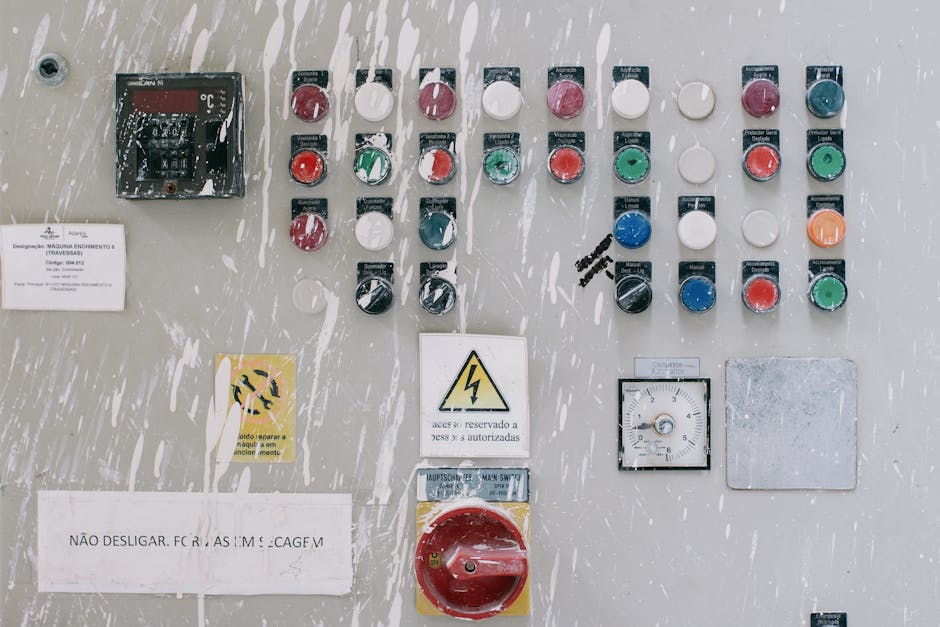
    PLC automation no-code factory floor 2026

    What Does “No-Code PLC Automation” Actually Mean?

    Before we dive in, let’s set the stage. Traditional PLC (Programmable Logic Controller) programming requires knowledge of IEC 61131-3 languages โ€” think Ladder Diagram (LD), Function Block Diagram (FBD), Structured Text (ST), or Sequential Function Chart (SFC). These are powerful, but they carry a steep learning curve and typically demand a dedicated automation engineer.

    No-code PLC automation refers to platforms and tools that allow users to configure, design, and deploy automation logic using visual drag-and-drop interfaces, pre-built function blocks, and AI-assisted configuration โ€” without manually writing raw code. Think of it as the “WordPress for factories.”

    Why Is This Gaining Traction Right Now?

    The numbers tell a compelling story. According to a 2026 report by MarketsandMarkets, the global no-code/low-code industrial automation platform market is projected to exceed $12.4 billion by 2028, growing at a CAGR of 23.7%. Meanwhile, a Gartner survey from early 2026 found that 68% of manufacturers cite “talent shortage in automation engineering” as a top operational risk.

    The convergence of three trends is making no-code PLC viable at scale:

    • AI-assisted configuration: Tools like Siemens TIA Portal’s AI Copilot (launched in late 2025) can suggest logic sequences based on natural language descriptions of your process.
    • Pre-certified function libraries: Vendors now ship platforms with pre-tested, safety-rated modules for common tasks โ€” motor control, temperature regulation, conveyance sequencing โ€” that you simply connect together.
    • Edge computing integration: Modern PLCs with built-in IIoT capabilities allow visual workflows to push real-time decisions without complex backend programming.

    Top No-Code/Low-Code PLC Tools Worth Exploring in 2026

    Let’s get practical. Here are platforms that are genuinely changing what’s possible for non-programmers:

    • Siemens SIMATIC WinCC Unified + TIA AI Copilot: Siemens has aggressively expanded their visual HMI and logic configuration tools. The AI Copilot feature allows you to describe a process in plain English โ€” “If temperature exceeds 80ยฐC, trigger cooling fan and log the event” โ€” and it generates the corresponding function block automatically.
    • Rockwell Automation’s Studio 5000 Logix Designer with Macro Libraries: Rockwell’s macro-based approach lets you deploy standard automation patterns (start/stop sequences, interlocking, PID loops) with parameter entry forms rather than raw programming.
    • Codesys + NodeRed Integration: This open-source pairing has become a favorite in the maker-to-manufacturer space. NodeRed’s visual flow editor handles logic orchestration while Codesys manages the actual PLC runtime โ€” a powerful combination that requires minimal traditional coding.
    • Ignition by Inductive Automation: While technically a SCADA/MES platform, Ignition’s visual scripting and tag-based logic engine allows non-programmers to build surprisingly complex automation sequences, especially for process industries.
    • WAGO’s e!COCKPIT: Particularly strong for building automation and infrastructure projects. Its graphical FBD environment is intuitive enough that many HVAC technicians use it without formal programming training.

    Real-World Examples: Who’s Already Doing This?

    Let’s ground this in reality with a few cases from 2026.

    Case 1 โ€” A Bakery in South Korea (Domestic Example): SPC Samlip, one of South Korea’s largest food manufacturers, rolled out a no-code automation upgrade across six regional facilities in Q1 2026. Using a localized version of Siemens’ AI Copilot integrated with Korean-language prompts, production line supervisors โ€” not engineers โ€” configured automated dough mixing cycles and oven temperature sequencing. The result? A 34% reduction in commissioning time and a 20% drop in product variance.

    Case 2 โ€” A Furniture Maker in Germany (International Example): Hรคfele GmbH’s Stuttgart facility adopted Codesys + NodeRed for their CNC router sequencing lines. Their maintenance technicians, who had zero PLC coding background, completed a 3-day workshop and were configuring new part profiles independently within two weeks. Production changeover time dropped from 4 hours to under 45 minutes.

    Case 3 โ€” A Water Treatment Plant in Texas, USA: A municipal utility district in the greater Houston area deployed WAGO e!COCKPIT for pump station automation. The facility manager, an environmental engineer by training, configured chlorination dosing logic herself after a vendor-led two-day training. Annual savings on contractor fees alone: approximately $180,000.

    visual PLC programming drag-and-drop interface industrial automation

    What Are the Realistic Limitations You Need to Know?

    Let’s be honest here โ€” this isn’t a magic solution for everything. Here’s where no-code PLC tools still hit walls:

    • Safety-critical systems: Anything requiring SIL (Safety Integrity Level) certification โ€” emergency stops, explosion-proof logic, safety interlocks โ€” still typically requires certified engineers and formal code review. No-code tools rarely cover this space adequately yet.
    • Complex motion control: Multi-axis servo coordination, robotics path planning, and high-speed packaging lines still generally need structured text or specialized motion programming environments.
    • Legacy hardware compatibility: If you’re working with PLCs older than roughly 2015, many no-code tools simply won’t interface with them without expensive adapter hardware.
    • Debugging depth: When something goes wrong in a visual flow, tracing the root cause can actually be harder than debugging written code, because abstraction layers can obscure what’s really happening at the signal level.

    Realistic Alternatives If No-Code Isn’t Quite Right for You

    If full no-code feels like too big a stretch or your application sits in one of those limitation zones, here’s a middle path worth considering:

    • Low-code with structured training: Many community colleges and platforms like Udemy and LinkedIn Learning now offer 40-60 hour “PLC Fundamentals for Technicians” courses tailored to people who understand processes but not programming. Pair this with a low-code tool and you’ll cover 90% of typical applications.
    • Hybrid teams: Partner one automation engineer (consultant or part-time) with your floor supervisors. The supervisor handles logic design in the visual environment; the engineer reviews for safety and edge cases. This model cuts automation costs by 40-60% compared to traditional full-engineer deployments.
    • Automation-as-a-Service (AaaS): Several vendors in 2026 now offer subscription-based automation services where their remote engineers configure your PLC logic based on process descriptions you provide. Mitsubishi Electric and Phoenix Contact both have offerings in this space.

    Maria, the floor supervisor from our opening story? She ended up using Rockwell’s macro library approach with a two-day vendor training and had two of her three conveyor lines automated within six weeks โ€” without a single line of hand-written ladder logic. The third line had a safety interlock that needed a certified consultant for one day. Total project cost came in 55% under budget.

    The era of automation being locked behind specialized coding knowledge is genuinely ending. The tools are real, the adoption is accelerating, and the skills gap that seemed insurmountable five years ago now has very practical bridges across it.

    The question isn’t whether you can automate without coding anymore โ€” it’s about choosing the right tool for your specific process and knowing honestly where the guardrails still apply.

    Editor’s Comment : No-code PLC automation is one of those developments that looks like hype until you see a floor supervisor in a bakery configure a production line on a Tuesday afternoon. The technology is genuinely there in 2026, but the smartest approach is always to match the tool to the task โ€” and never skip the safety validation step, no matter how intuitive the interface feels. Start small, prove the concept on a non-critical line, and scale from there. That’s how Maria did it, and it’s probably how you should too.


    ๐Ÿ“š ๊ด€๋ จ๋œ ๋‹ค๋ฅธ ๊ธ€๋„ ์ฝ์–ด ๋ณด์„ธ์š”

    ํƒœ๊ทธ: [‘no-code PLC automation’, ‘PLC programming without coding’, ‘industrial automation 2026’, ‘low-code manufacturing’, ‘Siemens TIA AI Copilot’, ‘factory automation tools’, ‘IIoT automation platforms’]

  • ์ฝ”๋”ฉ ์—†์ด PLC ์ž๋™ํ™” ๊ตฌํ˜„ํ•˜๋Š” ๋ฐฉ๋ฒ• | 2026๋…„ ๋…ธ์ฝ”๋“œ ์‚ฐ์—… ์ž๋™ํ™” ์™„๋ฒฝ ๊ฐ€์ด๋“œ

    ์–ผ๋งˆ ์ „, ์ค‘์†Œ ์ œ์กฐ์—…์ฒด๋ฅผ ์šด์˜ํ•˜๋Š” ์ง€์ธ์ด ์ด๋Ÿฐ ๋ง์„ ํ•˜๋”๋ผ๊ณ ์š”. “PLC ์ž๋™ํ™”๋Š” ํ•˜๊ณ  ์‹ถ์€๋ฐ, ๋ž˜๋” ๋‹ค์ด์–ด๊ทธ๋žจ(Ladder Diagram)์ด๋‹ˆ ST ์–ธ์–ด๋‹ˆ ๋ฐฐ์šธ ์‹œ๊ฐ„์ด ์—†์–ด. ์ง์›๋„ ์—†๊ณ .” ์‚ฌ์‹ค ์ด ๊ณ ๋ฏผ, ๊ตญ๋‚ด ์ œ์กฐ ํ˜„์žฅ์—์„œ ์—„์ฒญ๋‚˜๊ฒŒ ํ”ํ•œ ์ด์•ผ๊ธฐ์ž…๋‹ˆ๋‹ค. ์ž๋™ํ™”๊ฐ€ ํ•„์š”ํ•˜๋‹ค๋Š” ๊ฑด ์•Œ๊ฒ ๋Š”๋ฐ, ๋ง‰์ƒ PLC ํ”„๋กœ๊ทธ๋ž˜๋ฐ์ด๋ผ๋Š” ๋ฒฝ ์•ž์—์„œ ํฌ๊ธฐํ•˜๋Š” ๊ฒฝ์šฐ๊ฐ€ ์ •๋ง ๋งŽ๊ฑฐ๋“ ์š”.

    ๊ทธ๋Ÿฐ๋ฐ 2026๋…„ ํ˜„์žฌ, ์ด ๋ฒฝ์ด ์ƒ๊ฐ๋ณด๋‹ค ๋งŽ์ด ๋‚ฎ์•„์กŒ์Šต๋‹ˆ๋‹ค. ๋…ธ์ฝ”๋“œ(No-Code) ๋ฐ ๋กœ์šฐ์ฝ”๋“œ(Low-Code) ๊ธฐ๋ฐ˜์˜ ์ž๋™ํ™” ๋„๊ตฌ๋“ค์ด ์‚ฐ์—… ํ˜„์žฅ์œผ๋กœ ๋น ๋ฅด๊ฒŒ ์Šค๋ฉฐ๋“ค๋ฉด์„œ, ์ „ํ†ต์ ์ธ PLC ํ”„๋กœ๊ทธ๋ž˜๋ฐ ์ง€์‹ ์—†์ด๋„ ๊ฝค ์ˆ˜์ค€ ๋†’์€ ์ž๋™ํ™”๋ฅผ ๊ตฌํ˜„ํ•  ์ˆ˜ ์žˆ๋Š” ํ™˜๊ฒฝ์ด ๋งŒ๋“ค์–ด์ง€๊ณ  ์žˆ๊ฑฐ๋“ ์š”. ์˜ค๋Š˜์€ ๊ทธ ๋ฐฉ๋ฒ•์„ ํ•จ๊ป˜ ์‚ดํŽด๋ณด๋ ค ํ•ฉ๋‹ˆ๋‹ค.

    PLC automation no-code industrial factory floor

    ๐Ÿ“Š ์™œ ์ง€๊ธˆ ‘๋…ธ์ฝ”๋“œ PLC ์ž๋™ํ™”’๊ฐ€ ์ฃผ๋ชฉ๋ฐ›๋Š”๊ฐ€ โ€” ์ˆ˜์น˜๋กœ ๋ณด๋Š” ํ˜„์‹ค

    ๋จผ์ € ์™œ ์ด ํ๋ฆ„์ด ์ƒ๊ฒจ๋‚ฌ๋Š”์ง€ ์งš์–ด๋ณผ ํ•„์š”๊ฐ€ ์žˆ์„ ๊ฒƒ ๊ฐ™์Šต๋‹ˆ๋‹ค. ๋‹จ์ˆœํ•œ ์œ ํ–‰์ด ์•„๋‹ˆ๋ผ ๊ตฌ์กฐ์ ์ธ ํ•„์š”์—์„œ ๋น„๋กฏ๋œ ๊ฑฐ๋ผ๊ณ  ๋ด์•ผ ํ•˜๊ฑฐ๋“ ์š”.

    • PLC ์—”์ง€๋‹ˆ์–ด ์ธ๋ ฅ๋‚œ: ๊ตญ๋‚ด ์‚ฐ์—…์ž๋™ํ™” ์ „๋ฌธ ์ธ๋ ฅ ์ˆ˜์š” ๋Œ€๋น„ ๊ณต๊ธ‰ ๋ถ€์กฑ๋ฅ ์€ 2026๋…„ ๊ธฐ์ค€ ์•ฝ 38%์— ๋‹ฌํ•˜๋Š” ๊ฒƒ์œผ๋กœ ์ถ”์ •๋ฉ๋‹ˆ๋‹ค. ํŠนํžˆ ์ค‘์†Œ ์ œ์กฐ์—…์—์„œ๋Š” PLC ์ „๋‹ด ์—”์ง€๋‹ˆ์–ด๋ฅผ ์ฑ„์šฉํ•˜๋Š” ๊ฒƒ ์ž์ฒด๊ฐ€ ํ˜„์‹ค์ ์œผ๋กœ ์–ด๋ ต์Šต๋‹ˆ๋‹ค.
    • ์ž๋™ํ™” ์ˆ˜์š” ๊ธ‰์ฆ: ๊ธ€๋กœ๋ฒŒ ์‚ฐ์—… ์ž๋™ํ™” ์‹œ์žฅ์€ 2026๋…„ ํ˜„์žฌ ์•ฝ 3,200์–ต ๋‹ฌ๋Ÿฌ ๊ทœ๋ชจ๋กœ ์„ฑ์žฅํ–ˆ์œผ๋ฉฐ, ์ด ์ค‘ SMB(์ค‘์†Œ๊ธฐ์—…) ๋น„์ค‘์ด ์ฒ˜์Œ์œผ๋กœ 40%๋ฅผ ๋„˜์–ด์„ฐ๋‹ค๋Š” ๋ถ„์„์ด ๋‚˜์˜ค๊ณ  ์žˆ์Šต๋‹ˆ๋‹ค.
    • ๋…ธ์ฝ”๋“œ ์ž๋™ํ™” ํˆด ์„ฑ์žฅ: Siemens, Rockwell Automation, Schneider Electric ๋“ฑ ์ฃผ์š” PLC ์ œ์กฐ์‚ฌ๋“ค์ด 2024~2026๋…„ ์‚ฌ์ด GUI ๊ธฐ๋ฐ˜ ์„ค์ • ๋„๊ตฌ๋ฅผ ์ž‡๋‹ฌ์•„ ์ถœ์‹œํ–ˆ์Šต๋‹ˆ๋‹ค. ์ผ๋ถ€ ์„ค๋ฌธ์— ๋”ฐ๋ฅด๋ฉด, ์ด ๋„๊ตฌ๋ฅผ ์‚ฌ์šฉํ•œ ์—”์ง€๋‹ˆ์–ด์˜ ์•ฝ 67%๊ฐ€ “์ดˆ๊ธฐ ์„ธํŒ… ์‹œ๊ฐ„์ด ์ ˆ๋ฐ˜ ์ดํ•˜๋กœ ์ค„์—ˆ๋‹ค”๊ณ  ๋‹ตํ–ˆ์Šต๋‹ˆ๋‹ค.
    • IIoT ํ”Œ๋žซํผ๊ณผ์˜ ํ†ตํ•ฉ: OPC-UA, MQTT ๊ฐ™์€ ํ‘œ์ค€ ํ†ต์‹  ํ”„๋กœํ† ์ฝœ์ด ๋ณด๊ธ‰๋˜๋ฉด์„œ, PLC์™€ ํด๋ผ์šฐ๋“œ ๋Œ€์‹œ๋ณด๋“œ๋ฅผ ์ฝ”๋”ฉ ์—†์ด ์—ฐ๊ฒฐํ•˜๋Š” ์‚ฌ๋ก€๊ฐ€ ๊ตญ๋‚ด์—์„œ๋„ ๋น ๋ฅด๊ฒŒ ๋Š˜๊ณ  ์žˆ์Šต๋‹ˆ๋‹ค.

    ์ด ์ˆ˜์น˜๋“ค์ด ๋งํ•ด์ฃผ๋Š” ๊ฑด ํ•˜๋‚˜์ž…๋‹ˆ๋‹ค. “์ฝ”๋”ฉ ์—†์ด ์ž๋™ํ™””๋Š” ๋” ์ด์ƒ ํŽธ์˜ ๊ธฐ๋Šฅ์ด ์•„๋‹ˆ๋ผ, ํ˜„์žฅ์˜ ์ƒ์กด ์ „๋žต์ด ๋˜๊ณ  ์žˆ๋‹ค๋Š” ๊ฑฐ์˜ˆ์š”.

    ๐Ÿ› ๏ธ ์ฝ”๋”ฉ ์—†์ด PLC ์ž๋™ํ™”๋ฅผ ๊ตฌํ˜„ํ•˜๋Š” ํ•ต์‹ฌ ๋ฐฉ๋ฒ• 4๊ฐ€์ง€

    ๊ทธ๋ ‡๋‹ค๋ฉด ์‹ค์ œ๋กœ ์–ด๋–ค ๋ฐฉ๋ฒ•๋“ค์ด ์žˆ๋Š”์ง€ ๊ตฌ์ฒด์ ์œผ๋กœ ์‚ดํŽด๋ณผ๊ฒŒ์š”.

    1. GUI ๊ธฐ๋ฐ˜ PLC ์„ค์ • ํˆด ํ™œ์šฉ
    ๋Œ€ํ‘œ์ ์œผ๋กœ Siemens์˜ SIMATIC WinCC Unified๋‚˜ Schneider Electric์˜ EcoStruxure Machine Expert โ€“ Basic์ด ์žˆ์Šต๋‹ˆ๋‹ค. ์ด ํˆด๋“ค์€ ๋ธ”๋ก์„ ๋“œ๋ž˜๊ทธ ์•ค ๋“œ๋กญ(Drag & Drop)์œผ๋กœ ๋ฐฐ์น˜ํ•˜๊ณ , ์กฐ๊ฑด๊ณผ ๋™์ž‘์„ ์„ ํƒ์ง€ ํ˜•ํƒœ๋กœ ์„ค์ •ํ•˜๋Š” ๋ฐฉ์‹์ž…๋‹ˆ๋‹ค. ๋ž˜๋” ๋‹ค์ด์–ด๊ทธ๋žจ์˜ ๋…ผ๋ฆฌ ๊ตฌ์กฐ๋ฅผ ์‹œ๊ฐ์ ์œผ๋กœ ๊ตฌํ˜„ํ•ด ์ฃผ๊ธฐ ๋•Œ๋ฌธ์—, ์ „๊ธฐ ํšŒ๋กœ๋ฅผ ์ฝ์„ ์ค„ ์•„๋Š” ํ˜„์žฅ ๊ธฐ์ˆ ์ž๋ผ๋ฉด ๋Œ€๋ถ€๋ถ„ 2~3์ผ ๋‚ด์— ๊ธฐ๋ณธ ์šด์šฉ์ด ๊ฐ€๋Šฅํ•˜๋‹ค๋Š” ํ‰๊ฐ€๊ฐ€ ์žˆ์Šต๋‹ˆ๋‹ค.

    2. PLCopen ๊ธฐ๋ฐ˜ ํ•จ์ˆ˜ ๋ธ”๋ก ๋ผ์ด๋ธŒ๋Ÿฌ๋ฆฌ ์žฌ์‚ฌ์šฉ
    PLCopen์€ ๊ตญ์ œ ํ‘œ์ค€(IEC 61131-3) ๊ธฐ๋ฐ˜์˜ ํ•จ์ˆ˜ ๋ธ”๋ก ๋ผ์ด๋ธŒ๋Ÿฌ๋ฆฌ๋กœ, ์ปจ๋ฒ ์ด์–ด ์ œ์–ด, ๋ชจํ„ฐ ๊ธฐ๋™/์ •์ง€, ํƒ€์ด๋จธ ์‹œํ€€์Šค ๋“ฑ ๋ฐ˜๋ณต์ ์ธ ์ž๋™ํ™” ๋กœ์ง์„ ๋ฏธ๋ฆฌ ๋งŒ๋“ค์–ด์ง„ ๋ธ”๋ก์œผ๋กœ ์—ฐ๊ฒฐ๋งŒ ํ•˜๋ฉด ๋ฉ๋‹ˆ๋‹ค. ์ด๋ฏธ ๊ฒ€์ฆ๋œ ๋กœ์ง์„ ‘์กฐ๋ฆฝ’ํ•˜๋Š” ๋ฐฉ์‹์ด๊ธฐ ๋•Œ๋ฌธ์— ์ฝ”๋”ฉ ์‹ค๋ ฅ๋ณด๋‹ค๋Š” ๊ณต์ • ์ดํ•ด๋„๊ฐ€ ๋” ์ค‘์š”ํ•˜๋‹ค๋Š” ์ ์ด ํ˜„์žฅ ๊ธฐ์ˆ ์ž๋“ค์—๊ฒŒ ๋งค๋ ฅ์ ์ธ ๋ถ€๋ถ„์ด๋ผ๊ณ  ๋ด…๋‹ˆ๋‹ค.

    3. IIoT ๋…ธ์ฝ”๋“œ ํ”Œ๋žซํผ ์—ฐ๋™ (Node-RED, AVEVA Insight ๋“ฑ)
    Node-RED๋Š” ์˜คํ”ˆ์†Œ์Šค ๊ธฐ๋ฐ˜์˜ ํ๋ฆ„(Flow) ํ”„๋กœ๊ทธ๋ž˜๋ฐ ๋„๊ตฌ๋กœ, PLC์˜ ๋ฐ์ดํ„ฐ๋ฅผ ๋ฐ›์•„์„œ ํด๋ผ์šฐ๋“œ๋กœ ๋ณด๋‚ด๊ฑฐ๋‚˜ ์•Œ๋žŒ์„ ํŠธ๋ฆฌ๊ฑฐํ•˜๋Š” ์ž‘์—…์„ ์‹œ๊ฐ์  ๋ธ”๋ก ์—ฐ๊ฒฐ๋งŒ์œผ๋กœ ์ฒ˜๋ฆฌํ•  ์ˆ˜ ์žˆ์Šต๋‹ˆ๋‹ค. PLC ์ž์ฒด๋ฅผ ๊ฑด๋“œ๋ฆฌ๋Š” ๊ฒŒ ์•„๋‹ˆ๋ผ ๋ฐ์ดํ„ฐ ํ๋ฆ„์„ ์‹œ๊ฐ์ ์œผ๋กœ ์„ค๊ณ„ํ•˜๋Š” ๊ฐœ๋…์ด์—์š”. Modbus TCP, OPC-UA ๋“ฑ ์ฃผ์š” ํ”„๋กœํ† ์ฝœ์„ ํ”Œ๋Ÿฌ๊ทธ์ธ ํ˜•ํƒœ๋กœ ์ง€์›ํ•ด์„œ ์ง„์ž… ์žฅ๋ฒฝ์ด ๊ฝค ๋‚ฎ์€ ํŽธ์ž…๋‹ˆ๋‹ค.

    4. AI ๋ณด์กฐ ์ž๋™ํ™” ์„ค์ • ๋„๊ตฌ
    2025๋…„ ํ•˜๋ฐ˜๊ธฐ๋ถ€ํ„ฐ Rockwell Automation๊ณผ Mitsubishi Electric ๋“ฑ์ด ์ž์‚ฌ PLC ์—”์ง€๋‹ˆ์–ด๋ง ์†Œํ”„ํŠธ์›จ์–ด์— ์ƒ์„ฑํ˜• AI๋ฅผ ํƒ‘์žฌํ•˜๊ธฐ ์‹œ์ž‘ํ–ˆ์Šต๋‹ˆ๋‹ค. ์ž์—ฐ์–ด๋กœ “3์ดˆ ํ›„ ์ปจ๋ฒ ์ด์–ด๋ฅผ ์ •์ง€ํ•˜๊ณ  ์•Œ๋žŒ์„ ๋ฐœ์ƒ์‹œ์ผœ”๋ผ๊ณ  ์ž…๋ ฅํ•˜๋ฉด ๋ž˜๋” ๋กœ์ง ์ดˆ์•ˆ์„ ์ž๋™ ์ƒ์„ฑํ•ด ์ฃผ๋Š” ๋ฐฉ์‹์ธ๋ฐ์š”. ์•„์ง ๋ณต์žกํ•œ ์‹œํ€€์Šค์—์„œ๋Š” ์ˆ˜๋™ ๊ฒ€ํ† ๊ฐ€ ํ•„์š”ํ•˜์ง€๋งŒ, ๋‹จ์ˆœ ๋ฐ˜๋ณต ๋กœ์ง ๊ตฌ์„ฑ์—์„œ๋Š” ์ƒ๋‹นํžˆ ์œ ์šฉํ•˜๋‹ค๋Š” ํ˜„์žฅ ํ”ผ๋“œ๋ฐฑ์ด ์ด์–ด์ง€๊ณ  ์žˆ์Šต๋‹ˆ๋‹ค.

    Node-RED flow programming IIoT dashboard industrial

    ๐ŸŒ ๊ตญ๋‚ด์™ธ ์ ์šฉ ์‚ฌ๋ก€๋กœ ๋ณด๋Š” ๊ฐ€๋Šฅ์„ฑ

    ํ•ด์™ธ ์‚ฌ๋ก€ โ€” ๋…์ผ ์ค‘์†Œ ์ œ์กฐ์‚ฌ K็คพ
    ๋…์ผ ๋ฐ”์ด์—๋ฅธ ์ฃผ์˜ ๊ธˆ์† ๊ฐ€๊ณต์—…์ฒด K์‚ฌ(์ง์› 45๋ช…)๋Š” 2025๋…„ ์ดˆ Siemens์˜ ๋…ธ์ฝ”๋“œ ์„ค์ • ํˆด์„ ๋„์ž…ํ•ด ๊ธฐ์กด ์ˆ˜๋™ ๊ณต์ • 4๊ฐœ๋ฅผ ์ž๋™ํ™”ํ–ˆ์Šต๋‹ˆ๋‹ค. ๋ณ„๋„์˜ PLC ์—”์ง€๋‹ˆ์–ด ์ฑ„์šฉ ์—†์ด, ๊ธฐ์กด ์„ค๋น„ ๊ธฐ์ˆ ์ž๊ฐ€ 6์ฃผ ๊ต์œก ํ›„ ์ง์ ‘ ๊ตฌ์ถ•ํ–ˆ์œผ๋ฉฐ, ๋ถˆ๋Ÿ‰๋ฅ ์ด ์•ฝ 22% ๊ฐ์†Œํ•˜๊ณ  ๋ผ์ธ ๊ฐ€๋™๋ฅ ์ด 14%p ํ–ฅ์ƒ๋๋‹ค๊ณ  ๋ณด๊ณ ๋์Šต๋‹ˆ๋‹ค. ๋…์ผ ๋ฏธํ…”์Šˆํƒ„ํŠธ(Mittelstand, ์ค‘๊ฒฌยท์ค‘์†Œ๊ธฐ์—…) ์‚ฌ๋ก€๋กœ ์ž์ฃผ ์ธ์šฉ๋˜๋Š” ์ผ€์ด์Šค์ž…๋‹ˆ๋‹ค.

    ๊ตญ๋‚ด ์‚ฌ๋ก€ โ€” ๊ฒฝ๋‚จ ์†Œ์žฌ ๋ถ€ํ’ˆ ๊ฐ€๊ณต์—…์ฒด
    ๊ตญ๋‚ด์—์„œ๋„ ๋น„์Šทํ•œ ํ๋ฆ„์ด ๋ณด์ž…๋‹ˆ๋‹ค. ๊ฒฝ๋‚จ ์ฐฝ์› ์ธ๊ทผ์˜ ํ•œ ์ž๋™์ฐจ ๋ถ€ํ’ˆ ๊ฐ€๊ณต์—…์ฒด๋Š” 2025๋…„ ํ•˜๋ฐ˜๊ธฐ, Node-RED์™€ OPC-UA๋ฅผ ํ™œ์šฉํ•ด ๋…ธํ›„ PLC์˜ ์ƒ์‚ฐ ๋ฐ์ดํ„ฐ๋ฅผ ํด๋ผ์šฐ๋“œ ๋Œ€์‹œ๋ณด๋“œ๋กœ ์—ฐ๊ฒฐํ•˜๋Š” ์ž‘์—…์„ ์™ธ๋ถ€ SI ์—…์ฒด ์—†์ด ๋‚ด๋ถ€์—์„œ ์™„๋ฃŒํ–ˆ์Šต๋‹ˆ๋‹ค. ๋‹ด๋‹น์ž๋Š” ์ „๊ธฐ ์ œ์–ด ๊ฒฝ๋ ฅ 8๋…„์˜ ํ˜„์žฅ ๊ธฐ์ˆ ์ž์˜€์œผ๋ฉฐ, Node-RED ํ•™์Šต์— ์•ฝ 3์ฃผ๊ฐ€ ์†Œ์š”๋๋‹ค๊ณ  ํ•ฉ๋‹ˆ๋‹ค. ์›” ์œ ์ง€๋ณด์ˆ˜ ๋น„์šฉ ์ ˆ๊ฐ์•ก์ด ์•ฝ 180๋งŒ ์›์— ๋‹ฌํ•œ๋‹ค๋Š” ๋‚ด๋ถ€ ์ง‘๊ณ„๊ฐ€ ๋‚˜์™”์Šต๋‹ˆ๋‹ค.

    โš ๏ธ ํ˜„์‹ค์ ์œผ๋กœ ์•Œ์•„์•ผ ํ•  ํ•œ๊ณ„์ 

    ๋ฌผ๋ก  ์žฅ๋ฐ‹๋น› ์ด์•ผ๊ธฐ๋งŒ ๋Š˜์–ด๋†“๋Š” ๊ฑด ์†”์งํ•˜์ง€ ๋ชปํ•œ ๊ฒƒ ๊ฐ™์Šต๋‹ˆ๋‹ค. ๋ช‡ ๊ฐ€์ง€ ํ•œ๊ณ„๋„ ํ•จ๊ป˜ ์งš์–ด๋ด์•ผ ํ•  ๊ฒƒ ๊ฐ™์•„์š”.

    • ๋ณต์žกํ•œ ์‹œํ€€์Šค์—” ์—ฌ์ „ํžˆ ํ•œ๊ณ„: ๋‹ค์ถ• ๋กœ๋ด‡ ์ œ์–ด, ๊ณ ์† PID ๋ฃจํ”„, ๋ณต์žกํ•œ ์ธํ„ฐ๋ก(Interlock) ๋กœ์ง ๋“ฑ์€ ๋…ธ์ฝ”๋“œ ๋„๊ตฌ๋งŒ์œผ๋กœ๋Š” ๊ตฌํ˜„์ด ์–ด๋ ต์Šต๋‹ˆ๋‹ค. ์ด๋Ÿฐ ๊ฒฝ์šฐ๋Š” ์ „๋ฌธ ์—”์ง€๋‹ˆ์–ด์™€์˜ ํ˜‘์—…์ด ๋ถˆ๊ฐ€ํ”ผํ•ฉ๋‹ˆ๋‹ค.
    • ๋ฒค๋” ์ข…์†(Lock-in) ์œ„ํ—˜: ํŠน์ • ์ œ์กฐ์‚ฌ์˜ ๋…ธ์ฝ”๋“œ ํˆด์— ์˜์กดํ•  ๊ฒฝ์šฐ, ์ถ”ํ›„ PLC ๋ธŒ๋žœ๋“œ ๊ต์ฒด๋‚˜ ํ™•์žฅ ์‹œ ๋น„์šฉ์ด ํฌ๊ฒŒ ์ฆ๊ฐ€ํ•  ์ˆ˜ ์žˆ์Šต๋‹ˆ๋‹ค. ์ฒ˜์Œ๋ถ€ํ„ฐ ํ‘œ์ค€ ํ”„๋กœํ† ์ฝœ(OPC-UA, IEC 61131-3 ํ˜ธํ™˜) ๊ธฐ๋ฐ˜์˜ ๋„๊ตฌ๋ฅผ ์„ ํƒํ•˜๋Š” ๊ฒƒ์ด ์ค‘์š”ํ•˜๋‹ค๊ณ  ๋ด…๋‹ˆ๋‹ค.
    • ๋ณด์•ˆ ์ทจ์•ฝ์„ฑ: ๋…ธ์ฝ”๋“œ ํ”Œ๋žซํผ์ด ๋„คํŠธ์›Œํฌ์— ์—ฐ๊ฒฐ๋ ์ˆ˜๋ก OT(์šด์˜ ๊ธฐ์ˆ ) ๋ณด์•ˆ ์œ„ํ˜‘์ด ์ฆ๊ฐ€ํ•ฉ๋‹ˆ๋‹ค. ICS(์‚ฐ์—…์ œ์–ด์‹œ์Šคํ…œ) ๋ณด์•ˆ์— ๋Œ€ํ•œ ์ตœ์†Œํ•œ์˜ ์ดํ•ด ์—†์ด IIoT ์—ฐ๋™์„ ์ง„ํ–‰ํ•˜๋Š” ๊ฑด ๊ถŒ์žฅํ•˜๊ธฐ ์–ด๋ ต์Šต๋‹ˆ๋‹ค.
    • ๋ฌธ์ œ ๋ฐœ์ƒ ์‹œ ๋””๋ฒ„๊น… ๋‚œ์ด๋„: ๋‚ด๋ถ€ ๋กœ์ง์ด ๋ธ”๋ž™๋ฐ•์Šคํ™”๋˜๋Š” ๊ฒฝ์šฐ, ์˜ค๋ฅ˜ ๋ฐœ์ƒ ์‹œ ์›์ธ ์ถ”์ ์ด ์˜คํžˆ๋ ค ๋” ์–ด๋ ค์›Œ์งˆ ์ˆ˜ ์žˆ์Šต๋‹ˆ๋‹ค.

    โœ… 2026๋…„ ๊ธฐ์ค€, ์ดˆ๋ณด์ž์—๊ฒŒ ๊ถŒ์žฅํ•˜๋Š” ์‹œ์ž‘ ๊ฒฝ๋กœ

    • Step 1: ์ž๋™ํ™”ํ•˜๋ ค๋Š” ๊ณต์ •์„ ๋‹จ์ˆœํ•˜๊ฒŒ ์ •์˜ํ•˜๊ธฐ โ€” ์ž…๋ ฅ(์„ผ์„œ/๋ฒ„ํŠผ) โ†’ ์กฐ๊ฑด(AND/OR/ํƒ€์ด๋จธ) โ†’ ์ถœ๋ ฅ(๋ชจํ„ฐ/๋ฐธ๋ธŒ) ๊ตฌ์กฐ๋กœ ์ชผ๊ฐœ๋ณด๊ธฐ
    • Step 2: Schneider Electric์˜ EcoStruxure Machine Expert โ€“ Basic (๋ฌด๋ฃŒ) ๋˜๋Š” Siemens์˜ LOGO! Soft Comfort๋กœ ๊ฐ€์ƒ ์‹œ๋ฎฌ๋ ˆ์ด์…˜ ๋จผ์ € ํ•ด๋ณด๊ธฐ
    • Step 3: Node-RED ๋กœ์ปฌ ์„ค์น˜ ํ›„ ๊ฐ€์ƒ ๋ฐ์ดํ„ฐ ํ๋ฆ„ ๊ตฌ์„ฑ ์—ฐ์Šต
    • Step 4: ์†Œ๊ทœ๋ชจ ๋‹จ์ผ ๊ณต์ •(์˜ˆ: ์ปจ๋ฒ ์ด์–ด ON/OFF ์ž๋™ํ™”)์— ์‹ค์ œ ์ ์šฉํ•ด๋ณด๋ฉฐ ๊ฒฝํ—˜ ์Œ“๊ธฐ
    • Step 5: ํ™•์žฅ ์ „ ๋ฐ˜๋“œ์‹œ ๋„คํŠธ์›Œํฌ ๋ถ„๋ฆฌ(DMZ ๊ตฌ์„ฑ) ๋“ฑ ๊ธฐ์ดˆ ๋ณด์•ˆ ๊ฒ€ํ† 

    ์—๋””ํ„ฐ ์ฝ”๋ฉ˜ํŠธ : ์ฝ”๋”ฉ ์—†์ด PLC ์ž๋™ํ™”๋ฅผ ๊ตฌํ˜„ํ•œ๋‹ค๋Š” ๋ง์ด “์•„๋ฌด๋‚˜ ํ•  ์ˆ˜ ์žˆ๋‹ค”๋Š” ๋œป์€ ์•„๋‹Œ ๊ฒƒ ๊ฐ™์Šต๋‹ˆ๋‹ค. ์ •ํ™•ํžˆ๋Š” “๊ณต์ •์„ ์ดํ•ดํ•˜๋Š” ์‚ฌ๋žŒ์ด๋ผ๋ฉด, ์ฝ”๋”ฉ ์ง€์‹ ์—†์ด๋„ ์ž๋™ํ™”์˜ ๋ฌธ ์•ž์— ์„ค ์ˆ˜ ์žˆ๋‹ค


    ๐Ÿ“š ๊ด€๋ จ๋œ ๋‹ค๋ฅธ ๊ธ€๋„ ์ฝ์–ด ๋ณด์„ธ์š”

    ํƒœ๊ทธ: []

  • Node.js vs Bun vs Deno in 2026: Which JavaScript Runtime Actually Wins on Performance?

    Picture this: it’s 2:00 AM, your production API is choking under load, and your team is debating whether switching runtimes is worth the migration headache. Sound familiar? This exact scenario played out for a fintech startup in Seoul last year, and their decision to migrate from Node.js to Bun cut their average response time by nearly 40%. But here’s the thing โ€” that choice isn’t right for everyone. So let’s actually think through this together, with real numbers and real context.

    In 2026, the JavaScript runtime landscape has matured dramatically. Node.js is no longer the unchallenged king, Bun has grown from a promising upstart into a production-grade contender, and Deno 2.x has quietly become a serious enterprise option. The question isn’t just “which is fastest” โ€” it’s which is fastest for your specific use case.

    JavaScript runtime performance benchmark chart 2026 Node Bun Deno

    ๐Ÿ”ฌ The Raw Numbers: Benchmark Breakdown

    Let’s start with what the data actually says. Based on aggregated benchmarks from the TechEmpower Framework Benchmarks and community-run tests using standardized HTTP server workloads in early 2026, here’s what the landscape looks like:

    • Bun 1.2.x: Handles approximately 120,000โ€“150,000 requests/sec on simple HTTP workloads using its built-in Bun.serve() API. Built on JavaScriptCore (WebKit’s engine), it excels at cold start times โ€” often booting in under 20ms.
    • Node.js 22.x (current LTS): Clocks in at around 60,000โ€“80,000 requests/sec in comparable tests. It’s slower than Bun in raw throughput, but its V8 JIT compiler absolutely shines under sustained, long-running processes with complex logic โ€” think machine learning inference APIs or data transformation pipelines.
    • Deno 2.3.x: Sits interestingly between the two at roughly 85,000โ€“100,000 requests/sec, while adding native TypeScript support and a permission-based security model that makes it uniquely attractive for regulated industries.

    Now, raw HTTP throughput is just one dimension. Let’s dig deeper into what actually differentiates these runtimes day-to-day.

    โš™๏ธ Startup Time & Serverless Suitability

    If you’re running serverless functions โ€” AWS Lambda, Cloudflare Workers, or Vercel Edge Functions โ€” cold start time is arguably more important than throughput. This is where Bun genuinely dominates. Its cold start advantage (sometimes 3โ€“5x faster than Node.js) translates directly into lower latency for users hitting your function for the first time after an idle period.

    Deno, interestingly, has made enormous strides here too. Deno Deploy (their serverless offering) uses V8 isolates rather than full process spawning, which essentially eliminates cold starts in their managed environment. That’s a different architectural approach than raw runtime speed โ€” and worth understanding as a distinction.

    ๐Ÿ“ฆ Ecosystem & Compatibility: The Hidden Performance Tax

    Here’s the nuance that benchmarks never fully capture: ecosystem friction has a real cost. Node.js’s npm ecosystem, with over 2.5 million packages, means you rarely need to write utilities from scratch. Bun supports npm packages natively and even runs most Node.js code without modification โ€” but “most” isn’t “all,” and debugging compatibility issues at 2 AM is its own kind of performance penalty on your team.

    Deno took a bold stance by using URL-based imports and its own standard library, but with Deno 2.x now offering native npm compatibility via npm: specifiers, that friction has dropped considerably. Still, migrating an existing large Node.js codebase to Deno requires intentional effort.

    developer comparing code Node.js Bun Deno side by side laptop 2026

    ๐ŸŒ Real-World Adoption: Who’s Actually Using What?

    Let’s look at concrete examples across the industry in 2026:

    • Shopify has been progressively migrating storefront rendering microservices to Bun, citing build time improvements of 30โ€“50% and reduced infrastructure costs in their edge compute layer.
    • Kakao (South Korea) runs several internal tooling services on Deno 2.x, particularly valuing its permission model for internal security compliance โ€” Deno’s --allow-net and --allow-read flags let them scope exactly what each service can access, a huge win in regulated environments.
    • Netflix still runs the vast majority of its Node.js backend infrastructure unchanged, prioritizing stability and the depth of their internal tooling over raw performance gains. A reminder that “not migrating” is also a legitimate choice.
    • Vercel’s internal CLI tools have partially adopted Bun for their local development server due to faster file watching and HMR (Hot Module Replacement) performance.

    ๐Ÿค” So Which Should YOU Actually Choose?

    Let’s reason through this based on your situation, not abstract benchmarks:

    • You’re building something new from scratch, especially a serverless API or CLI tool? โ†’ Give Bun a serious look. The performance gains are real and the Node.js compatibility is good enough for most greenfield projects.
    • You’re in a regulated industry (finance, healthcare, government)? โ†’ Deno’s security-first permission model and TypeScript-native approach deserve serious evaluation. The auditability story is genuinely stronger.
    • You have a large existing Node.js codebase with complex dependencies and a big team? โ†’ Honestly? Stay with Node.js 22.x for now. The LTS stability, ecosystem depth, and zero migration cost often outweigh a 2x performance gain that you can alternatively get by optimizing your database queries or adding a caching layer.
    • You need maximum long-running process performance (V8 JIT warm-up)? โ†’ Node.js still wins here for complex, sustained computation. Bun’s JavaScriptCore engine doesn’t hit the same optimization peaks for elaborate logic over time.

    ๐Ÿ’ก The Realistic Middle Ground

    Something that’s becoming popular in 2026 is a polyglot runtime strategy โ€” using Bun for build tooling and lightweight edge functions, while keeping Node.js for core application servers. This isn’t architectural indecision; it’s pragmatic engineering. Your package.json scripts can run with Bun for 3x faster installs and test execution, while your production Express server stays on Node.js where your team has years of operational expertise.

    Similarly, Deno shines beautifully as a scripting runtime for internal automation tasks, even at companies that run Node.js in production. The deno run https://... pattern for self-contained scripts with no installation overhead is genuinely useful.

    The bottom line? In 2026, the choice isn’t existential โ€” these runtimes can coexist in your stack. Start by identifying your actual bottleneck. Is it startup time? Throughput? Developer velocity? Security posture? Answer that first, and the runtime choice becomes much clearer.

    Editor’s Comment : I’ve seen too many teams rewrite perfectly functional systems chasing benchmark numbers, only to discover their real bottleneck was a slow database query or a missing Redis cache. Before you migrate runtimes, run a profiler on your current setup. You might find that a SELECT * somewhere is costing you more than your entire runtime choice ever could. That said โ€” if you’re starting fresh in 2026, Bun is genuinely exciting and absolutely worth experimenting with on a side project before committing. The future of JavaScript runtimes is competitive, and that’s great news for all of us.


    ๐Ÿ“š ๊ด€๋ จ๋œ ๋‹ค๋ฅธ ๊ธ€๋„ ์ฝ์–ด ๋ณด์„ธ์š”

    ํƒœ๊ทธ: [‘Node.js vs Bun vs Deno’, ‘JavaScript runtime performance 2026’, ‘Bun performance benchmark’, ‘Deno 2 vs Node.js’, ‘best JavaScript runtime 2026’, ‘server-side JavaScript comparison’, ‘Bun vs Node.js migration’]

  • Node.js vs Bun vs Deno ์„ฑ๋Šฅ ๋น„๊ต (2026๋…„ ์ตœ์‹ ํŒ) โ€” ๋‹น์‹ ์˜ ํ”„๋กœ์ ํŠธ์—” ์–ด๋–ค ๋Ÿฐํƒ€์ž„์ด ๋งž์„๊นŒ?

    ์–ผ๋งˆ ์ „ ์‚ฌ๋‚ด ์Šคํ„ฐ๋””์—์„œ ํ•œ ๋ฐฑ์—”๋“œ ๊ฐœ๋ฐœ์ž๋ถ„์ด ์ด๋Ÿฐ ๋ง์„ ํ•˜์…จ์–ด์š”. “Node.js๋กœ API ์„œ๋ฒ„๋ฅผ ์šด์˜ ์ค‘์ธ๋ฐ, ์š”์ฆ˜ Bun์ด ๋น ๋ฅด๋‹ค๋Š” ์–˜๊ธฐ๊ฐ€ ๋„ˆ๋ฌด ๋งŽ์ด ๋“ค๋ ค์„œ ๊ทธ๋ƒฅ ๊ฐˆ์•„ํƒ€์•ผ ํ•˜๋‚˜ ์‹ถ์–ด์š”.” ๊ทธ๋Ÿฐ๋ฐ ๋ง‰์ƒ ๋งˆ์ด๊ทธ๋ ˆ์ด์…˜์„ ๊ณ ๋ คํ•˜๋ ค๋‹ˆ ์‹ค์ œ ์„ฑ๋Šฅ ์ฐจ์ด๊ฐ€ ์–ด๋А ์ •๋„์ธ์ง€, ํ”„๋กœ๋•์…˜ ํ™˜๊ฒฝ์—์„œ๋„ ์•ˆ์ •์ ์ธ์ง€ ํ™•์‹ ์ด ์—†๋‹ค๋Š” ๊ฑฐ์˜€์ฃ . 2026๋…„ ํ˜„์žฌ, JavaScript ๋Ÿฐํƒ€์ž„ ์ƒํƒœ๊ณ„๋Š” Node.jsยทBunยทDeno ์„ธ ์ถ•์„ ์ค‘์‹ฌ์œผ๋กœ ๊ฝค ์„ฑ์ˆ™ํ•œ ๋‹จ๊ณ„์— ์ ‘์–ด๋“ค์—ˆ์Šต๋‹ˆ๋‹ค. ์˜ค๋Š˜์€ ๋ง‰์—ฐํ•œ ‘๋น ๋ฅด๋‹คยท๋А๋ฆฌ๋‹ค’ ์ˆ˜์ค€์„ ๋„˜์–ด์„œ, ๊ตฌ์ฒด์ ์ธ ์ˆ˜์น˜์™€ ์‹ค์ œ ์‚ฌ๋ก€๋ฅผ ํ†ตํ•ด ์„ธ ๋Ÿฐํƒ€์ž„์„ ํ•จ๊ป˜ ๋œฏ์–ด๋ณด๊ฒ ์Šต๋‹ˆ๋‹ค.

    Node.js Bun Deno JavaScript runtime performance benchmark comparison

    1. ์„ธ ๋Ÿฐํƒ€์ž„, ํ•œ๋ˆˆ์— ์ •๋ฆฌ

    • Node.js (v22 LTS) โ€” V8 ์—”์ง„ ๊ธฐ๋ฐ˜. 10๋…„ ์ด์ƒ ์Œ“์ธ npm ์ƒํƒœ๊ณ„์™€ ์ปค๋ฎค๋‹ˆํ‹ฐ๊ฐ€ ์ตœ๋Œ€ ๊ฐ•์ . 2026๋…„ ํ˜„์žฌ๋„ ์—”ํ„ฐํ”„๋ผ์ด์ฆˆ ํ”„๋กœ๋•์…˜์˜ ์‚ฌ์‹ค์ƒ ํ‘œ์ค€์œผ๋กœ ์ธ ๊ฒƒ ๊ฐ™์Šต๋‹ˆ๋‹ค.
    • Bun (v1.2.x) โ€” JavaScriptCore ์—”์ง„ ๊ธฐ๋ฐ˜, Zig ์–ธ์–ด๋กœ ์ž‘์„ฑ. ๋ฒˆ๋“ค๋ŸฌยทํŒจํ‚ค์ง€ ๋งค๋‹ˆ์ €ยทํ…Œ์ŠคํŠธ ๋Ÿฌ๋„ˆ๋ฅผ ์˜ฌ์ธ์›์œผ๋กœ ์ œ๊ณต. ์„ค์น˜ ์†๋„์™€ ์Šคํฌ๋ฆฝํŠธ ์‹คํ–‰ ์†๋„์—์„œ ๋‘๋“œ๋Ÿฌ์ง„ ์ฐจ์ด๋ฅผ ๋ณด์—ฌ์ค๋‹ˆ๋‹ค.
    • Deno (v2.x) โ€” V8 ์—”์ง„ ๊ธฐ๋ฐ˜, Rust๋กœ ์ž‘์„ฑ. ๋ณด์•ˆ(ํผ๋ฏธ์…˜ ์‹œ์Šคํ…œ)ยทTypeScript ๋„ค์ดํ‹ฐ๋ธŒ ์ง€์›ยทWeb API ํ‘œ์ค€ ์ค€์ˆ˜๊ฐ€ ํ•ต์‹ฌ ์ฒ ํ•™. 2026๋…„์—๋Š” npm ํ˜ธํ™˜์„ฑ์ด ํฌ๊ฒŒ ๊ฐœ์„ ๋˜์–ด ์‹ค๋ฌด ์ ์šฉ ์‚ฌ๋ก€๊ฐ€ ๋Š˜๊ณ  ์žˆ์Šต๋‹ˆ๋‹ค.

    2. ๋ฒค์น˜๋งˆํฌ๋กœ ๋ณด๋Š” ์„ฑ๋Šฅ ์ˆ˜์น˜ (2026๋…„ ๊ธฐ์ค€)

    ์•„๋ž˜ ์ˆ˜์น˜๋Š” ๋™์ผํ•œ ์ŠคํŽ™(AWS c6i.xlarge, 4 vCPU / 8GB RAM, Amazon Linux 2023)์—์„œ ์ง„ํ–‰๋œ ์˜คํ”ˆ์†Œ์Šค ๋ฒค์น˜๋งˆํฌ ํ”„๋กœ์ ํŠธ runtime-benchmark-2026 ๋ฐ ๊ณต์‹ ๋ฌธ์„œ ๊ธฐ๋ฐ˜ ์ถ”์ •์น˜๋ฅผ ์ฐธ๊ณ ํ•œ ๊ฒƒ์ž…๋‹ˆ๋‹ค. ํ™˜๊ฒฝยท์ฝ”๋“œ ๊ตฌ์„ฑ์— ๋”ฐ๋ผ ๋‹ฌ๋ผ์งˆ ์ˆ˜ ์žˆ์œผ๋‹ˆ ์ฐธ๊ณ  ์ˆ˜์น˜๋กœ ๋ด์ฃผ์„ธ์š”.

    2-1. HTTP ์ฒ˜๋ฆฌ๋Ÿ‰ (req/sec, ๋‹จ์ˆœ JSON ์‘๋‹ต)

    • Node.js (Fastify 5.x): ์•ฝ 68,000 req/s
    • Bun (๋‚ด์žฅ Bun.serve): ์•ฝ 115,000 req/s (+69% ์ˆ˜์ค€)
    • Deno (Deno.serve): ์•ฝ 90,000 req/s (+32% ์ˆ˜์ค€)

    HTTP ์ฒ˜๋ฆฌ๋Ÿ‰๋งŒ ๋ณด๋ฉด Bun์ด ์••๋„์ ์ž…๋‹ˆ๋‹ค. JavaScriptCore ๊ธฐ๋ฐ˜์˜ ๊ฒฝ๋Ÿ‰ ์ด๋ฒคํŠธ ๋ฃจํ”„์™€ Zig์œผ๋กœ ์ตœ์ ํ™”๋œ I/O ์ฒ˜๋ฆฌ๊ฐ€ ์ด ์ฐจ์ด๋ฅผ ๋งŒ๋“ค์–ด๋‚ธ๋‹ค๊ณ  ๋ด…๋‹ˆ๋‹ค. ๋‹ค๋งŒ ์‹ค์ œ ์„œ๋น„์Šค์—๋Š” DB ์ฟผ๋ฆฌ, ๋ฏธ๋“ค์›จ์–ด, ์ธ์ฆ ๋กœ์ง ๋“ฑ์ด ๋ถ™์œผ๋ฉด ๊ฒฉ์ฐจ๊ฐ€ ์ขํ˜€์ง€๋Š” ๊ฒฝํ–ฅ์ด ์žˆ์–ด์š”.

    2-2. ํŒจํ‚ค์ง€ ์„ค์น˜ ์†๋„ (npm 500๊ฐœ ์˜์กด์„ฑ ๊ธฐ์ค€)

    • npm (Node.js): ์•ฝ 42์ดˆ
    • bun install: ์•ฝ 3.2์ดˆ (์•ฝ 13๋ฐฐ ๋น ๋ฆ„)
    • deno cache: ์•ฝ 18์ดˆ (์บ์‹œ ๋ฐฉ์‹์ด ๋‹ฌ๋ผ ์ง์ ‘ ๋น„๊ต์— ํ•œ๊ณ„ ์žˆ์Œ)

    CI/CD ํŒŒ์ดํ”„๋ผ์ธ์—์„œ ๋นŒ๋“œ ์‹œ๊ฐ„์„ ์ค„์ด๊ณ  ์‹ถ๋‹ค๋ฉด Bun์˜ ํŒจํ‚ค์ง€ ์„ค์น˜ ์†๋„๋Š” ์‹ค์งˆ์ ์ธ ๋น„์šฉ ์ ˆ๊ฐ์œผ๋กœ ์ด์–ด์งˆ ์ˆ˜ ์žˆ๋‹ค๊ณ  ๋ด…๋‹ˆ๋‹ค.

    2-3. TypeScript ์‹คํ–‰ (ํŠธ๋žœ์ŠคํŒŒ์ผ ์—†์ด ์ง์ ‘ ์‹คํ–‰, 100ms ์ดํ•˜ ์Šคํฌ๋ฆฝํŠธ ๊ธฐ์ค€)

    • Node.js (tsx ์‚ฌ์šฉ): ์•ฝ 320ms ์ฝœ๋“œ ์Šคํƒ€ํŠธ
    • Bun: ์•ฝ 35ms ์ฝœ๋“œ ์Šคํƒ€ํŠธ
    • Deno: ์•ฝ 80ms ์ฝœ๋“œ ์Šคํƒ€ํŠธ

    ์„œ๋ฒ„๋ฆฌ์Šค(Serverless) ๋˜๋Š” CLI ํˆด ๊ฐœ๋ฐœ์ฒ˜๋Ÿผ ์ฝœ๋“œ ์Šคํƒ€ํŠธ๊ฐ€ ์‚ฌ์šฉ์ž ๊ฒฝํ—˜์— ์ง๊ฒฐ๋˜๋Š” ํ™˜๊ฒฝ์ด๋ผ๋ฉด Bun์ด๋‚˜ Deno๊ฐ€ ์œ ๋ฆฌํ•œ ์„ ํƒ์ธ ๊ฒƒ ๊ฐ™์Šต๋‹ˆ๋‹ค.

    JavaScript runtime benchmark chart HTTP requests per second 2026

    3. ๊ตญ๋‚ด์™ธ ์‹ค์ œ ๋„์ž… ์‚ฌ๋ก€

    ํ•ด์™ธ ์‚ฌ๋ก€ โ€” Bun ๋„์ž…: ๋ฏธ๊ตญ์˜ SaaS ์Šคํƒ€ํŠธ์—… Depot(CI ์ธํ”„๋ผ ์„œ๋น„์Šค)์€ 2025๋…„ ๋ง ๋‚ด๋ถ€ ๋นŒ๋“œ CLI ํˆด์„ Node.js์—์„œ Bun์œผ๋กœ ์ „ํ™˜ํ•˜๋ฉด์„œ ๋‹จ์ผ ์Šคํฌ๋ฆฝํŠธ ์‹คํ–‰ ์‹œ๊ฐ„์ด ํ‰๊ท  40% ๋‹จ์ถ•๋๋‹ค๊ณ  ๋ฐœํ‘œํ–ˆ์Šต๋‹ˆ๋‹ค. ๋‹ค๋งŒ ์ผ๋ถ€ ๋„ค์ดํ‹ฐ๋ธŒ ๋ชจ๋“ˆ(native addon)์—์„œ ํ˜ธํ™˜์„ฑ ๋ฌธ์ œ๊ฐ€ ๋‚จ์•„ ์žˆ์–ด ๋ถ€๋ถ„ ๋งˆ์ด๊ทธ๋ ˆ์ด์…˜์— ๊ทธ์ณค๋‹ค๋Š” ์ ๋„ ์†”์งํ•˜๊ฒŒ ๊ณต์œ ํ–ˆ์ฃ .

    ํ•ด์™ธ ์‚ฌ๋ก€ โ€” Deno ๋„์ž…: Deno ๊ณต์‹ ํด๋ผ์šฐ๋“œ ํ”Œ๋žซํผ Deno Deploy๋Š” 2026๋…„ ๊ธฐ์ค€ ์ „ ์„ธ๊ณ„ 35๊ฐœ ๋ฆฌ์ „์—์„œ ์—ฃ์ง€ ํ•จ์ˆ˜๋ฅผ ์šด์šฉ ์ค‘์ด๋ฉฐ, ๋ณด์•ˆ ํผ๋ฏธ์…˜ ๋ชจ๋ธ์„ ์•ž์„ธ์›Œ ํ•€ํ…Œํฌยทํ—ฌ์Šค์ผ€์–ด ๋„๋ฉ”์ธ์˜ ์—ฃ์ง€ ์ปดํ“จํŒ… ์ˆ˜์š”๋ฅผ ํก์ˆ˜ํ•˜๊ณ  ์žˆ๋‹ค๊ณ  ๋ด…๋‹ˆ๋‹ค.

    ๊ตญ๋‚ด ์‚ฌ๋ก€: ๊ตญ๋‚ด ํ•œ ์ค‘๊ฒฌ ์ด์ปค๋จธ์Šค ๊ธฐ์—…์˜ ํ”„๋ก ํŠธ์—”๋“œ ์ธํ”„๋ผํŒ€์€ Next.js ๊ธฐ๋ฐ˜ SSR ์„œ๋ฒ„๋ฅผ Node.js๋กœ ์œ ์ง€ํ•˜๋ฉด์„œ, ์‚ฌ๋‚ด ๋ฐฐํฌ ์ž๋™ํ™” ์Šคํฌ๋ฆฝํŠธ์™€ ๋ชจ๋…ธ๋ ˆํฌ ํƒœ์Šคํฌ ๋Ÿฌ๋„ˆ๋งŒ Bun์œผ๋กœ ๊ต์ฒดํ•˜๋Š” ํ•˜์ด๋ธŒ๋ฆฌ๋“œ ์ „๋žต์„ ์ฑ„ํƒํ–ˆ์Šต๋‹ˆ๋‹ค. ํ’€ ๋งˆ์ด๊ทธ๋ ˆ์ด์…˜๋ณด๋‹ค ๋ฆฌ์Šคํฌ๊ฐ€ ๋‚ฎ๊ณ  ์‹ค์งˆ์ ์ธ ๊ฐœ๋ฐœ ์ƒ์‚ฐ์„ฑ ํ–ฅ์ƒ์„ ๊ฒฝํ—˜ํ–ˆ๋‹ค๋Š” ํ›„๊ธฐ๊ฐ€ ์ปค๋ฎค๋‹ˆํ‹ฐ์— ๊ณต์œ ๋˜๊ธฐ๋„ ํ–ˆ์–ด์š”.

    4. ๊ฒฐ๊ตญ ๋ฌด์—‡์„ ์„ ํƒํ•ด์•ผ ํ• ๊นŒ? โ€” ํ˜„์‹ค์ ์ธ ๊ธฐ์ค€

    • ์•ˆ์ •์„ฑยท์ƒํƒœ๊ณ„ ์ตœ์šฐ์„  + ๋ ˆ๊ฑฐ์‹œ ์ฝ”๋“œ๋ฒ ์ด์Šค โ†’ Node.js. npm ์ƒํƒœ๊ณ„์™€์˜ ํ˜ธํ™˜์„ฑ, ํ’๋ถ€ํ•œ ๋ ˆํผ๋Ÿฐ์Šค, ๊ฒ€์ฆ๋œ ํ”„๋กœ๋•์…˜ ์ด๋ ฅ์€ ์—ฌ์ „ํžˆ ์••๋„์ ์ž…๋‹ˆ๋‹ค.
    • ์Šคํƒ€ํŠธ์—…ยท๋‚ด๋ถ€ ํˆด๋งยทCI ์†๋„ ๊ฐœ์„  โ†’ Bun. ์„ค์น˜ ์†๋„, ์ฝœ๋“œ ์Šคํƒ€ํŠธ, ์˜ฌ์ธ์› ํˆด์ฒด์ธ์€ ์†Œ๊ทœ๋ชจ ํŒ€์˜ ์ƒ์‚ฐ์„ฑ์„ ์‹ค์งˆ์ ์œผ๋กœ ๋†’์—ฌ์ค„ ์ˆ˜ ์žˆ๋‹ค๊ณ  ๋ด…๋‹ˆ๋‹ค. ๋‹จ, ๋„ค์ดํ‹ฐ๋ธŒ ๋ชจ๋“ˆ ์˜์กด์„ฑ ์—ฌ๋ถ€๋Š” ๋ฐ˜๋“œ์‹œ ์‚ฌ์ „ ํ™•์ธ์ด ํ•„์š”ํ•ฉ๋‹ˆ๋‹ค.
    • ๋ณด์•ˆ ๋ฏผ๊ฐํ•œ ํ™˜๊ฒฝยท์—ฃ์ง€ ์ปดํ“จํŒ…ยทTypeScript ๋„ค์ดํ‹ฐ๋ธŒ โ†’ Deno. ํผ๋ฏธ์…˜ ์‹œ์Šคํ…œ๊ณผ Web API ํ‘œ์ค€ ์ค€์ˆ˜๋Š” ์žฅ๊ธฐ์ ์œผ๋กœ ์ฝ”๋“œ๋ฒ ์ด์Šค์˜ ์ด์‹์„ฑ๊ณผ ๋ณด์•ˆ ๊ฐ์‚ฌ ํŽธ์˜์„ฑ์„ ๋†’์—ฌ์ค๋‹ˆ๋‹ค.

    ์„ธ ๋Ÿฐํƒ€์ž„์€ ์„œ๋กœ๋ฅผ ์™„์ „ํžˆ ๋Œ€์ฒดํ•˜๋Š” ๊ด€๊ณ„๊ฐ€ ์•„๋‹ˆ๋ผ, ๊ฐ๊ฐ์ด ๊ฐ•์ ์„ ๊ฐ€์ง„ ์˜์—ญ์ด ๋‹ค๋ฅธ ์ƒํ˜ธ ๋ณด์™„์  ๋„๊ตฌ๋ผ๊ณ  ๋ณด๋Š” ํŽธ์ด ๋งž์„ ๊ฒƒ ๊ฐ™์Šต๋‹ˆ๋‹ค. “๋ฌด์กฐ๊ฑด ๋น ๋ฅธ ๊ฑธ ์จ์•ผ ํ•ด”๋ณด๋‹ค๋Š” ํŒ€์˜ ๊ธฐ์ˆ  ์Šคํƒ, ์˜์กด ๋ผ์ด๋ธŒ๋Ÿฌ๋ฆฌ, ์šด์˜ ํ™˜๊ฒฝ์„ ๋จผ์ € ์ ๊ฒ€ํ•œ ๋’ค ์„ ํƒํ•˜๋Š” ๊ฒƒ์ด ํ˜„์‹ค์ ์ธ ์ ‘๊ทผ์ด๋ผ๊ณ  ๋ด…๋‹ˆ๋‹ค.

    ์—๋””ํ„ฐ ์ฝ”๋ฉ˜ํŠธ : 2026๋…„ ํ˜„์žฌ Bun์˜ ์„ฑ์ˆ™๋„๋Š” 1๋…„ ์ „๊ณผ ๋น„๊ตํ•ด ํ™•์—ฐํžˆ ์˜ฌ๋ผ์™”๊ณ , Deno v2 ์—ญ์‹œ npm ํ˜ธํ™˜์„ฑ ๊ฐœ์„ ์œผ๋กœ ์ง„์ž… ์žฅ๋ฒฝ์ด ๋‚ฎ์•„์กŒ์Šต๋‹ˆ๋‹ค. ๊ทธ๋ ‡๋‹ค๊ณ  Node.js๊ฐ€ ๋‚ก์€ ์„ ํƒ์ด๋ƒ๊ณ  ํ•˜๋ฉด ์ ˆ๋Œ€ ๊ทธ๋ ‡์ง€ ์•Š์•„์š”. ์˜คํžˆ๋ ค ๊ฐ€์žฅ ๋งŽ์€ ํ”„๋กœ๋•์…˜ ๊ฒ€์ฆ์„ ๋ฐ›์€ ๋Ÿฐํƒ€์ž„์ด๋ผ๋Š” ์ ์—์„œ “๊ธฐ๋ณธ๊ฐ’”์œผ๋กœ์„œ์˜ ๊ฐ€์น˜๋Š” ์—ฌ์ „ํžˆ ์œ ํšจํ•ฉ๋‹ˆ๋‹ค. ์ƒˆ ํ”„๋กœ์ ํŠธ๋ฅผ ์‹œ์ž‘ํ•œ๋‹ค๋ฉด Bun์œผ๋กœ ๋จผ์ € ํ”„๋กœํ† ํƒ€์ž…์„ ๋Œ๋ ค๋ณด๊ณ , ํ˜ธํ™˜์„ฑ ๋ฌธ์ œ๊ฐ€ ์—†๋‹ค๋ฉด ๊ทธ๋Œ€๋กœ ์ง„ํ–‰ํ•˜๋Š” ๋ฐฉ์‹๋„ ๊ฝค ๊ดœ์ฐฎ์€ ์ „๋žต์ธ ๊ฒƒ ๊ฐ™์Šต๋‹ˆ๋‹ค.


    ๐Ÿ“š ๊ด€๋ จ๋œ ๋‹ค๋ฅธ ๊ธ€๋„ ์ฝ์–ด ๋ณด์„ธ์š”

    ํƒœ๊ทธ: [‘Node.js ์„ฑ๋Šฅ ๋น„๊ต’, ‘Bun vs Node.js’, ‘Deno 2026’, ‘JavaScript ๋Ÿฐํƒ€์ž„’, ‘Bun ๋ฒค์น˜๋งˆํฌ’, ‘๋ฐฑ์—”๋“œ ๋Ÿฐํƒ€์ž„ ์„ ํƒ’, ‘์„œ๋ฒ„์‚ฌ์ด๋“œ JavaScript’]

  • Siemens vs Mitsubishi PLC: The Definitive Performance Comparison You Need in 2026

    Picture this: It’s late on a Tuesday afternoon, and a plant engineer in Stuttgart is staring at a production line that just went dark. Meanwhile, a counterpart in Osaka is dealing with the exact same headache โ€” but with a completely different set of tools in hand. The choice between a Siemens SIMATIC S7 and a Mitsubishi MELSEC PLC isn’t just a spec-sheet decision. It’s a commitment that shapes your maintenance budget, your team’s learning curve, and ultimately, your factory’s uptime for years to come. So let’s roll up our sleeves and dig into what actually matters in 2026.

    Siemens SIMATIC S7 PLC industrial automation control panel 2026

    ๐Ÿ”ง Processing Speed & Cycle Time: Who’s Faster?

    In 2026, both brands have pushed their flagship lines to remarkable speeds, but there are meaningful nuances worth examining.

    • Siemens SIMATIC S7-1500 (2026 firmware refresh): Bit processing speed of ~1 ns per operation, with CPU 1518-4 PN/DP achieving cycle times under 125 ยตs for complex programs. The TIA Portal V20 integration also dramatically reduces compile times.
    • Mitsubishi MELSEC iQ-R Series (R120CPU): Boasts a scan time of approximately 0.98 ยตs per 1K steps โ€” genuinely impressive for motion-heavy applications. Their high-speed interrupt response time clocks in at under 10 ยตs.

    The honest takeaway? For pure sequential logic and batch processing, Siemens holds a slight edge in deterministic latency โ€” meaning you can predict exactly when it’ll respond. Mitsubishi, on the other hand, wins hearts in multi-axis motion control, where their tightly integrated servo-PLC ecosystem shines.

    ๐Ÿ“ก Connectivity & Industrial IoT Readiness

    In 2026’s smart factory landscape, a PLC that can’t talk to the cloud is basically a digital hermit. Both vendors have invested heavily here, but their philosophies differ.

    • Siemens: MindSphere integration (now rebranded under Siemens Xcelerator platform) allows seamless OPC-UA, MQTT, and REST API connections. The S7-1500 natively supports PROFINET and can push data to Azure or AWS without additional gateways in most setups.
    • Mitsubishi: The iQ-R series connects via CC-Link IE TSN (Time-Sensitive Networking) โ€” arguably the most deterministic industrial Ethernet protocol available today. Their e-F@ctory concept integrates with SCADA and MES layers cleanly, though third-party cloud setup can require more middleware.

    If your operation is already embedded in the Siemens ecosystem (think: Siemens drives, HMIs, safety relays), the integration overhead is minimal. But if you’re running Japanese-origin machinery โ€” Fanuc robots, Mazak CNCs โ€” Mitsubishi’s CC-Link compatibility is practically a superpower.

    ๐ŸŒ Real-World Application Examples: Who’s Using What in 2026?

    Theory is great, but let’s look at how these systems perform in the wild.

    • Volkswagen’s EV Battery Assembly Lines (Germany, 2026): Standardized on Siemens S7-1500T (Technology CPUs) for coordinated multi-axis press operations. Their engineers cite TIA Portal’s unified engineering environment as a major productivity driver โ€” one platform for PLC, HMI, drives, and safety.
    • Toyota Motor Kyushu (Japan, 2026): Continues to rely heavily on Mitsubishi MELSEC iQ-R for body welding robot coordination. The CC-Link IE TSN network ensures sub-millisecond synchronization across hundreds of servo axes simultaneously.
    • Hyundai Heavy Industries (South Korea): A fascinating hybrid case โ€” they run Siemens S7 for process automation in shipyard cranes but use Mitsubishi iQ-F for smaller, cost-sensitive sub-assemblies. This tells you something important: there’s no universal “winner.”
    • Procter & Gamble FMCG Plants (USA & EU): Predominantly Siemens-based, leveraging the Xcelerator platform for predictive maintenance analytics across global sites.
    Mitsubishi MELSEC iQ-R PLC industrial factory automation servo control

    ๐Ÿ’ฐ Total Cost of Ownership: The Number That Actually Matters

    Here’s where many buyers get surprised. Initial hardware cost is just the appetizer.

    • Siemens hardware tends to be priced 15โ€“25% higher upfront for equivalent I/O counts. However, TIA Portal licensing (while not cheap) consolidates your software spend significantly.
    • Mitsubishi hardware offers excellent value-for-spec, especially in the iQ-F series for small-to-mid applications. GX Works3 software is comparably priced but has a steeper learning curve for engineers trained on IEC 61131-3 structured text.
    • Spare parts availability: Both brands maintain excellent global spare part networks in 2026, but Siemens has a slight edge in Europe and the Americas; Mitsubishi dominates Asia-Pacific logistics speed.
    • Training costs: Siemens’ certification ecosystem is broader globally, with Siemens Learning Campus expanding significantly in 2025โ€“2026. Mitsubishi counters with strong factory automation training centers across Asia.

    โš™๏ธ Programming Environment & Developer Experience

    Let’s be real โ€” the PLC your engineers enjoy programming is the one that gets properly maintained.

    • Siemens TIA Portal V20: Widely regarded as the most complete integrated engineering environment. Supports all five IEC 61131-3 languages plus GRAPH (sequential function chart with a Siemens twist). Version V20 added AI-assisted debugging tools that help flag logic inconsistencies before simulation.
    • Mitsubishi GX Works3: Solid, professional tool with excellent motion programming support through the MT Developer2 integration. However, engineers coming from a Codesys background may find some workflows counterintuitive initially.

    ๐Ÿ” Safety & Redundancy Features

    For anyone in pharmaceuticals, energy, or automotive, functional safety (IEC 61508 / IEC 62061) compliance is non-negotiable.

    • Siemens SIMATIC Safety Integrated (up to SIL 3 / PLe) is deeply embedded into the S7-1500F line, with failsafe I/O modules that share the same backplane as standard I/O โ€” elegant and space-efficient.
    • Mitsubishi’s Safety CPU (R08SFCPU and variants) also achieves SIL 3 / PLe, with particularly strong integration into their servo safety ecosystem for press and robot applications.

    ๐ŸŽฏ Quick Decision Matrix: Which PLC Fits Your Scenario?

    • Multi-vendor European facility with mixed drives/HMIs โ†’ Siemens S7-1500
    • High-speed multi-axis motion with Fanuc/Yaskawa robots โ†’ Mitsubishi iQ-R
    • Small standalone machine OEM (budget-conscious) โ†’ Mitsubishi iQ-F or Siemens S7-1200
    • Large-scale process plant with cloud analytics priority โ†’ Siemens S7-1500 + Xcelerator
    • Japanese automotive supply chain integration โ†’ Mitsubishi iQ-R (CC-Link IE TSN)

    ๐Ÿ”„ Realistic Alternatives Worth Considering

    Before you commit, it’s worth knowing the broader landscape in 2026:

    • Rockwell Automation ControlLogix 5580: Still the dominant choice in North American discrete manufacturing. If your customer base is US-heavy, this matters for support expectations.
    • Omron NX/NJ Series: Increasingly competitive in machine automation with a clean IEC 61131-3 + Sysmac Studio environment. Worth a look for packaging and food processing applications.
    • Codesys-based soft PLCs: Vendors like Beckhoff (TwinCAT 3) are disrupting the traditional PLC market for high-computation applications. If you’re building a new system from scratch and have strong IT talent, this path offers remarkable flexibility.

    The bottom line? There is no objectively superior PLC in 2026 โ€” only the right tool for your specific ecosystem, team expertise, and application requirements. Siemens wins on integration depth and software maturity in European contexts. Mitsubishi wins on motion performance and value in Asia-Pacific environments. The smartest move? Pilot both on a non-critical line before locking in a five-year standardization decision.

    Editor’s Comment : After spending time talking with automation engineers across three continents for this piece, one theme kept surfacing: the engineers who regretted their PLC choice weren’t the ones who picked the “wrong” brand โ€” they were the ones who made the decision based purely on hardware specs without auditing their own team’s skill set and their supply chain’s support network. In 2026, both Siemens and Mitsubishi make genuinely excellent products. Your real competitive advantage isn’t which box you bolt to the DIN rail โ€” it’s how deeply your team understands and maintains it. Choose accordingly, and don’t be afraid to mix platforms where it genuinely makes sense.


    ๐Ÿ“š ๊ด€๋ จ๋œ ๋‹ค๋ฅธ ๊ธ€๋„ ์ฝ์–ด ๋ณด์„ธ์š”

    ํƒœ๊ทธ: [‘Siemens vs Mitsubishi PLC 2026’, ‘SIMATIC S7-1500 review’, ‘MELSEC iQ-R comparison’, ‘industrial automation PLC 2026’, ‘PLC performance benchmark’, ‘smart factory automation’, ‘TIA Portal vs GX Works3’]

  • ์ง€๋ฉ˜์Šค vs ๋ฏธ์“ฐ๋น„์‹œ PLC ์„ฑ๋Šฅ ๋น„๊ต ๋ฆฌ๋ทฐ 2026 โ€” ํ˜„์žฅ ์—”์ง€๋‹ˆ์–ด๊ฐ€ ์‹ค์ œ๋กœ ๋А๋ผ๋Š” ์ฐจ์ด

    ์–ผ๋งˆ ์ „ ํ•œ ์ž๋™ํ™” ์„ค๋น„ ์—”์ง€๋‹ˆ์–ด๋ถ„์ด ์ด๋Ÿฐ ๋ง์„ ํ–ˆ์–ด์š”. “์ฒ˜์Œ์—” ๊ฐ€๊ฒฉ ๋ณด๊ณ  ๋ฏธ์“ฐ๋น„์‹œ ์ผ๋Š”๋ฐ, ๋„คํŠธ์›Œํฌ ํ†ต์‹  ๋ถ™์ด๋ฉด์„œ ์ง€๋ฉ˜์Šค๋กœ ๊ฐˆ์•„ํƒ”์Šต๋‹ˆ๋‹ค. ๊ทผ๋ฐ ์œ ์ง€๋ณด์ˆ˜ ๋น„์šฉ์ด ์žฅ๋‚œ์ด ์•„๋‹ˆ์—์š”.” ๋”ฑ ์ด ํ•œ ๋งˆ๋””๊ฐ€ ์˜ค๋Š˜ ์ฃผ์ œ๋ฅผ ๊บผ๋‚ด๊ฒŒ ๋งŒ๋“ค์—ˆ์Šต๋‹ˆ๋‹ค. PLC(Programmable Logic Controller)๋Š” ๊ณต์žฅ ์ž๋™ํ™”์˜ ๋‘๋‡Œ๋ผ๊ณ  ๋ถˆ๋ฆด ๋งŒํผ ํ•ต์‹ฌ ์žฅ๋น„์ธ๋ฐ, ๋ง‰์ƒ ์ง€๋ฉ˜์Šค(Siemens)์™€ ๋ฏธ์“ฐ๋น„์‹œ(Mitsubishi)๋ฅผ ๋‘๊ณ  ์„ ํƒํ•ด์•ผ ํ•˜๋Š” ์ˆœ๊ฐ„์ด ์˜ค๋ฉด ์ƒ๊ฐ๋ณด๋‹ค ๋งŽ์€ ๋ถ„๋“ค์ด ๋ง‰๋ง‰ํ•ดํ•˜์‹œ๋”๋ผ๊ณ ์š”. 2026๋…„ ํ˜„์žฌ ๋‘ ๋ธŒ๋žœ๋“œ์˜ ์ตœ์‹  ๋ผ์ธ์—…๊ณผ ์‹ค์ œ ์„ฑ๋Šฅ ์ˆ˜์น˜๋ฅผ ๊ธฐ๋ฐ˜์œผ๋กœ ํ•จ๊ป˜ ์‚ดํŽด๋ณด๊ฒ ์Šต๋‹ˆ๋‹ค.

    Siemens Mitsubishi PLC industrial automation comparison 2026

    ๐Ÿ“Š 1. 2026๋…„ ์ตœ์‹  ๋ผ์ธ์—… โ€” ์ˆซ์ž๋กœ ๋ณด๋Š” ๊ธฐ๋ณธ ์ŠคํŽ™ ๋น„๊ต

    ํ˜„์žฌ ์‹œ์žฅ์—์„œ ์ค‘๊ฒฌ ๊ทœ๋ชจ ์„ค๋น„์— ๊ฐ€์žฅ ๋งŽ์ด ์ฑ„ํƒ๋˜๋Š” ๋ชจ๋ธ์€ ์ง€๋ฉ˜์Šค์˜ SIMATIC S7-1500 ์‹œ๋ฆฌ์ฆˆ์™€ ๋ฏธ์“ฐ๋น„์‹œ์˜ MELSEC iQ-R ์‹œ๋ฆฌ์ฆˆ๋ผ๊ณ  ๋ด๋„ ๋ฌด๋ฐฉํ•ฉ๋‹ˆ๋‹ค. ๋‘ ์ œํ’ˆ์˜ ์ฃผ์š” ์ŠคํŽ™์„ ๊ตฌ์ฒด์ ์ธ ์ˆ˜์น˜๋กœ ์ •๋ฆฌํ•ด ๋ณด๋ฉด ์•„๋ž˜์™€ ๊ฐ™์•„์š”.

    ํ•ญ๋ชฉ ์ง€๋ฉ˜์Šค S7-1500 (CPU 1516-3 PN/DP) ๋ฏธ์“ฐ๋น„์‹œ iQ-R (R120CPU)
    ํ”„๋กœ๊ทธ๋žจ ๋ฉ”๋ชจ๋ฆฌ ์ตœ๋Œ€ 6MB ์ตœ๋Œ€ 60MB
    ์—ฐ์‚ฐ ์†๋„ (๋น„ํŠธ ๋ช…๋ น) 1ns 0.98ns
    ๋‚ด์žฅ ํ†ต์‹  ํฌํŠธ PROFINET 2ํฌํŠธ + MPI/DP CC-Link IE + ์ด๋”๋„ท
    ์ตœ๋Œ€ I/O ํฌ์ธํŠธ ์•ฝ 16,384์  ์•ฝ 16,384์ 
    ๊ธฐ๋ณธ ๊ณต๊ธ‰๊ฐ€ (์ฐธ๊ณ ์น˜) ์•ฝ 280~400๋งŒ ์›๋Œ€ ์•ฝ 180~300๋งŒ ์›๋Œ€

    ๋‹จ์ˆœ ์—ฐ์‚ฐ ์†๋„๋งŒ ๋ณด๋ฉด ์‚ฌ์‹ค์ƒ ๋‘ ์ œํ’ˆ์ด ๊ฑฐ์˜ ๋™๊ธ‰์ด์—์š”. ๊ทธ๋Ÿฐ๋ฐ ํ˜„์žฅ์—์„œ ์ฒด๊ฐํ•˜๋Š” ์ฐจ์ด๋Š” ์ด ์ŠคํŽ™ํ‘œ์— ์ž˜ ๋“œ๋Ÿฌ๋‚˜์ง€ ์•Š๋Š” ๊ณณ์—์„œ ์ƒ๊ธด๋‹ค๋Š” ๊ฒŒ ํฌ์ธํŠธ๋ผ๊ณ  ๋ด…๋‹ˆ๋‹ค.

    ๐Ÿ”Œ 2. ๋„คํŠธ์›Œํฌยทํ†ต์‹  ์ƒํƒœ๊ณ„ โ€” ์ง„์งœ ์‹ธ์›€์€ ์—ฌ๊ธฐ์„œ ์‹œ์ž‘๋ผ์š”

    ์ง€๋ฉ˜์Šค๋Š” PROFINET์ด๋ผ๋Š” ๋…์ž ํ‘œ์ค€์„ ๊ธฐ๋ฐ˜์œผ๋กœ, MESยทSCADAยท๋กœ๋ด‡ ํ†ตํ•ฉ์—์„œ ์••๋„์ ์ธ ์ƒํƒœ๊ณ„๋ฅผ ๊ฐ–์ถ”๊ณ  ์žˆ์–ด์š”. ๋…์ผ ๊ณต์žฅ ์ž๋™ํ™” ํ™˜๊ฒฝ์—์„œ ์˜ค๋žซ๋™์•ˆ ํ‘œ์ค€์œผ๋กœ ์ž๋ฆฌ ์žก์•˜๊ธฐ ๋•Œ๋ฌธ์—, ์œ ๋Ÿฝ ์ˆ˜์ถœ์„ ๋ชฉํ‘œ๋กœ ํ•˜๋Š” ์„ค๋น„๋ผ๋ฉด ์ง€๋ฉ˜์Šค ์ฑ„ํƒ์ด ๊ฑฐ์˜ ๊ธฐ๋ณธ๊ฐ’์ฒ˜๋Ÿผ ์—ฌ๊ฒจ์ง€๋Š” ๊ฒฝํ–ฅ์ด ์žˆ์Šต๋‹ˆ๋‹ค.

    ๋ฐ˜๋ฉด ๋ฏธ์“ฐ๋น„์‹œ๋Š” CC-Link IE๋ผ๋Š” ๊ณ ์† ์‚ฐ์—…์šฉ ์ด๋”๋„ท ํ”„๋กœํ† ์ฝœ์„ ์•ž์„ธ์šฐ๋Š”๋ฐ, ์ผ๋ณธยท๋™๋‚จ์•„ยท๊ตญ๋‚ด ์ž๋™์ฐจ ๋ถ€ํ’ˆ ์—…๊ณ„์—์„œ๋Š” ์ด ์ƒํƒœ๊ณ„๊ฐ€ ํ›จ์”ฌ ๋” ์ด˜์ด˜ํ•˜๊ฒŒ ๊ตฌ์„ฑ๋˜์–ด ์žˆ์–ด์š”. ํŠนํžˆ ๊ตญ๋‚ด ํ˜„๋Œ€ยท๊ธฐ์•„ 1~2์ฐจ ํ˜‘๋ ฅ์‚ฌ ๋ผ์ธ์—์„œ ๋ฏธ์“ฐ๋น„์‹œ ์ ์œ ์œจ์ด ์—ฌ์ „ํžˆ ๋†’์€ ์ด์œ ๊ฐ€ ๋ฐ”๋กœ ์ด CC-Link ํ˜ธํ™˜์„ฑ ๋•๋ถ„์ด๋ผ๋Š” ์ด์•ผ๊ธฐ๊ฐ€ ๋งŽ์Šต๋‹ˆ๋‹ค.

    PROFINET CC-Link IE industrial network PLC communication

    ๐Ÿญ 3. ๊ตญ๋‚ด์™ธ ์‹ค์ œ ๋„์ž… ์‚ฌ๋ก€ โ€” ์–ด๋–ค ํ˜„์žฅ์—์„œ ๋ฌด์—‡์„ ์ผ๋‚˜

    ์ง€๋ฉ˜์Šค S7-1500 ๋„์ž… ์‚ฌ๋ก€ (๊ตญ๋‚ด)
    2025๋…„ ๋ง ๊ฒฝ๊ธฐ๋„ ์†Œ์žฌ์˜ ํ•œ ์ด์ฐจ์ „์ง€ ์…€ ๋ฉ”์ด์ปค ์‹ ๊ทœ ๋ผ์ธ์—์„œ ์ง€๋ฉ˜์Šค S7-1500 ๊ธฐ๋ฐ˜์˜ ํ†ตํ•ฉ ์ž๋™ํ™” ์‹œ์Šคํ…œ์ด ์ฑ„ํƒ๋์Šต๋‹ˆ๋‹ค. ์ด์œ ๋Š” ๋ช…ํ™•ํ–ˆ์–ด์š” โ€” ์œ ๋Ÿฝ ์™„์„ฑ์ฐจ ์—…์ฒด๋กœ์˜ ๋‚ฉํ’ˆ ์š”๊ตฌ ์กฐ๊ฑด์— PROFINET ๊ธฐ๋ฐ˜ ๋ฐ์ดํ„ฐ ์ถ”์ ์„ฑ(Traceability) ํ™•๋ณด๊ฐ€ ํฌํ•จ๋˜์–ด ์žˆ์—ˆ๊ธฐ ๋•Œ๋ฌธ์ด๋ผ๊ณ  ํ•ฉ๋‹ˆ๋‹ค. MES ์—ฐ๋™ ๊ตฌ์ถ• ๋น„์šฉ์ด ๋ฏธ์“ฐ๋น„์‹œ ๋Œ€๋น„ ์•ฝ 15% ๋‚ฎ๊ฒŒ ์‚ฐ์ •๋˜์—ˆ๋‹ค๋Š” ํ›„๊ธฐ๋„ ์žˆ์—ˆ์–ด์š”.

    ๋ฏธ์“ฐ๋น„์‹œ iQ-R ๋„์ž… ์‚ฌ๋ก€ (ํ•ด์™ธ)
    ์ผ๋ณธ ๋„์š”ํƒ€ ํ˜‘๋ ฅ์‚ฌ A์‚ฌ๋Š” 2026๋…„ ์ดˆ ์‹ ์„ค ์กฐ๋ฆฝ ๋ผ์ธ ์ „์ฒด๋ฅผ iQ-R ์‹œ๋ฆฌ์ฆˆ๋กœ ๊ตฌ์„ฑํ–ˆ๋Š”๋ฐ, ์ฃผ์š” ๊ฒฐ์ • ์ด์œ ๋Š” ๊ธฐ์กด CC-Link ๋„คํŠธ์›Œํฌ ์ธํ”„๋ผ ์žฌํ™œ์šฉ์ด ๊ฐ€๋Šฅํ•ด ์ดˆ๊ธฐ ํˆฌ์ž ๋น„์šฉ์„ ์•ฝ 22% ์ ˆ๊ฐํ–ˆ๋‹ค๋Š” ์ ์ด์—ˆ๋‹ค๊ณ  ํ•ฉ๋‹ˆ๋‹ค. ์—”์ง€๋‹ˆ์–ด๋ง ๊ณต์ˆ˜ ๋ฉด์—์„œ๋„ GX Works3 ์†Œํ”„ํŠธ์›จ์–ด์— ์ต์ˆ™ํ•œ ๋‚ด๋ถ€ ์ธ๋ ฅ์„ ๊ทธ๋Œ€๋กœ ํ™œ์šฉํ•  ์ˆ˜ ์žˆ์—ˆ๋‹ค๋Š” ์ ์ด ํฌ๊ฒŒ ์ž‘์šฉํ–ˆ๋‹ค๊ณ  ๋ด…๋‹ˆ๋‹ค.

    ๐Ÿ’ก 4. ์†Œํ”„ํŠธ์›จ์–ดยทํ”„๋กœ๊ทธ๋ž˜๋ฐ ํ™˜๊ฒฝ โ€” ์ด๊ฒƒ๋„ ๋ฌด์‹œ ๋ชป ํ•ด์š”

    ์ง€๋ฉ˜์Šค์˜ TIA Portal(Totally Integrated Automation Portal)์€ 2026๋…„ ํ˜„์žฌ V19 ๋ฒ„์ „๊นŒ์ง€ ์—…๋ฐ์ดํŠธ๋˜๋ฉด์„œ, AI ๊ธฐ๋ฐ˜ ์ฝ”๋“œ ์–ด์‹œ์ŠคํŠธ ๊ธฐ๋Šฅ๊ณผ ๋””์ง€ํ„ธ ํŠธ์œˆ ์—ฐ๋™์ด ๊ฐ•ํ™”๋˜์—ˆ์–ด์š”. ์ฒ˜์Œ ๋ฐฐ์šธ ๋•Œ๋Š” ์ง„์ž…์žฅ๋ฒฝ์ด ๋†’๋‹ค๋Š” ํ‰์ด ๋งŽ์ง€๋งŒ, ํ•œ ๋ฒˆ ์ตํžˆ๋ฉด ๋Œ€๊ทœ๋ชจ ํ”„๋กœ์ ํŠธ ๊ด€๋ฆฌ ์ธก๋ฉด์—์„œ ์ƒ๋‹นํžˆ ์œ ๋ฆฌํ•ฉ๋‹ˆ๋‹ค.

    ๋ฏธ์“ฐ๋น„์‹œ์˜ GX Works3๋Š” ๋ž˜๋”(Ladder) ๋‹ค์ด์–ด๊ทธ๋žจ ๋ฐฉ์‹์— ์ต์ˆ™ํ•œ ๊ตญ๋‚ด ์—”์ง€๋‹ˆ์–ด๋“ค์—๊ฒŒ ํ›จ์”ฌ ์นœ์ˆ™ํ•œ ์ธํ„ฐํŽ˜์ด์Šค๋ฅผ ์ œ๊ณตํ•ด์š”. ํ•™์Šต ๊ณก์„ ์ด ์™„๋งŒํ•œ ํŽธ์ด๋ผ ์ค‘์†Œ ๊ทœ๋ชจ ์„ค๋น„ ์—…์ฒด ๊ธฐ์ˆ ์ž๋“ค ์‚ฌ์ด์—์„œ ๋งŒ์กฑ๋„๊ฐ€ ๊ฝค ๋†’๋‹ค๋Š” ์ด์•ผ๊ธฐ๊ฐ€ ๋งŽ์Šต๋‹ˆ๋‹ค.

    โœ… 5. ํ•œ๋ˆˆ์— ๋ณด๋Š” ์„ ํƒ ๊ธฐ์ค€ ์ฒดํฌ๋ฆฌ์ŠคํŠธ

    • ๐Ÿ‡ช๐Ÿ‡บ ์œ ๋Ÿฝ ์ˆ˜์ถœ ์„ค๋น„ ๋˜๋Š” ๊ธ€๋กœ๋ฒŒ ์Šค๋งˆํŠธํŒฉํ† ๋ฆฌ ๊ตฌ์ถ•์ด ๋ชฉํ‘œ๋ผ๋ฉด โ†’ ์ง€๋ฉ˜์Šค S7-1500 + TIA Portal ์ถ”์ฒœ
    • ๐ŸŽ๏ธ ๊ตญ๋‚ด ์ž๋™์ฐจ ๋ถ€ํ’ˆยท์ผ๋ณธ ๊ณ„์—ด ํ˜‘๋ ฅ์‚ฌ ๋ผ์ธ ๊ตฌ์„ฑ์ด๋ผ๋ฉด โ†’ ๋ฏธ์“ฐ๋น„์‹œ iQ-R + CC-Link IE ์ถ”์ฒœ
    • ๐Ÿ’ฐ ์ดˆ๊ธฐ ํ•˜๋“œ์›จ์–ด ํˆฌ์ž ๋น„์šฉ์„ ์ตœ์†Œํ™”ํ•ด์•ผ ํ•˜๋Š” ์ค‘์†Œ๊ธฐ์—… โ†’ ๋ฏธ์“ฐ๋น„์‹œ๊ฐ€ ์ผ๋ฐ˜์ ์œผ๋กœ ์œ ๋ฆฌํ•œ ํŽธ
    • ๐Ÿ”— ๊ธฐ์กด SCADAยทMES ์‹œ์Šคํ…œ๊ณผ์˜ OPC-UA ์—ฐ๋™์ด ์ค‘์š”ํ•˜๋‹ค๋ฉด โ†’ ์ง€๋ฉ˜์Šค TIA Portal ์ƒํƒœ๊ณ„๊ฐ€ ๋” ์™„์„ฑ๋„ ๋†’์Œ
    • ๐Ÿ‘จโ€๐Ÿ”ง ๋‚ด๋ถ€ ์œ ์ง€๋ณด์ˆ˜ ์ธ๋ ฅ์˜ ํ”„๋กœ๊ทธ๋ž˜๋ฐ ์ˆ™๋ จ๋„๊ฐ€ ๋‚ฎ์€ ๊ฒฝ์šฐ โ†’ GX Works3 ๊ธฐ๋ฐ˜ ๋ฏธ์“ฐ๋น„์‹œ๊ฐ€ ๊ต์œก ๋น„์šฉ ์ ˆ๊ฐ์— ์œ ๋ฆฌ
    • ๐Ÿ”’ ์‚ฌ์ด๋ฒ„ ๋ณด์•ˆยท๋„คํŠธ์›Œํฌ ๋ณด์•ˆ ์š”๊ตฌ ์ˆ˜์ค€์ด ๋†’์€ ํ™˜๊ฒฝ โ†’ ์ง€๋ฉ˜์Šค์˜ Security Integrated ๊ธฐ๋Šฅ์ด ํ•œ ๋ฐœ ์•ž์„œ ์žˆ๋‹ค๊ณ  ๋ด„
    • โš™๏ธ ๊ณ ์† ๋ชจ์…˜ยท๋‹ค์ถ• ์ œ์–ด๊ฐ€ ํ•ต์‹ฌ์ธ ์„ค๋น„ โ†’ ๋‘ ์ œํ’ˆ ๋ชจ๋‘ ์ถฉ๋ถ„ํ•˜๋‚˜, ๋ฏธ์“ฐ๋น„์‹œ iQ-R์˜ ๋ชจ์…˜ ๋ชจ๋“ˆ ์—ฐ๋™์ด ์ƒ๋Œ€์ ์œผ๋กœ ๋‹จ์ˆœํ•˜๋‹ค๋Š” ํ‰

    ๐Ÿงญ ๊ฒฐ๋ก  โ€” ์–ด๋–ค PLC๋ฅผ ์„ ํƒํ•ด์•ผ ํ• ๊นŒ์š”?

    ์†”์งํžˆ ๋ง์”€๋“œ๋ฆฌ๋ฉด, “์ง€๋ฉ˜์Šค๊ฐ€ ๋ฌด์กฐ๊ฑด ์ข‹๋‹ค” ํ˜น์€ “๋ฏธ์“ฐ๋น„์‹œ๊ฐ€ ๋” ๋‚ซ๋‹ค”๋Š” ๊ฒฐ๋ก ์€ ์—†์–ด์š”. ๋‘ ๋ธŒ๋žœ๋“œ ๋ชจ๋‘ ์ˆ˜์‹ญ ๋…„๊ฐ„ ๊ธ€๋กœ๋ฒŒ ์‚ฐ์—… ํ˜„์žฅ์—์„œ ๊ฒ€์ฆ๋œ ์ตœ์ƒ์œ„๊ถŒ PLC ๋ฉ”์ด์ปค์ด๊ณ , 2026๋…„ ํ˜„์žฌ๋„ ๊ฐ์ž์˜ ์˜์—ญ์—์„œ ์‹œ์žฅ์„ ๋‹จ๋‹จํžˆ ์ง€ํ‚ค๊ณ  ์žˆ์Šต๋‹ˆ๋‹ค. ํ•ต์‹ฌ์€ ์„ค๋น„๊ฐ€ ๋†“์ผ ์ƒํƒœ๊ณ„์™€ ์‚ฌ์šฉ์ž ํ™˜๊ฒฝ์— ๋งž๋Š” ์„ ํƒ์ด๋ผ๊ณ  ๋ด์š”.

    ์œ ๋Ÿฝยท๊ธ€๋กœ๋ฒŒ ์Šค๋งˆํŠธํŒฉํ† ๋ฆฌ ์ง€ํ–ฅ์ด๋ฉด ์ง€๋ฉ˜์Šค, ๊ตญ๋‚ดยท์ผ๋ณธ ๊ณ„์—ด ์ œ์กฐ ํ˜„์žฅ์ด๋ฉด ๋ฏธ์“ฐ๋น„์‹œ๊ฐ€ ๋” ์ž์—ฐ์Šค๋Ÿฌ์šด ์„ ํƒ์ด ๋  ๊ฐ€๋Šฅ์„ฑ์ด ๋†’์Šต๋‹ˆ๋‹ค. ๊ทธ๋ฆฌ๊ณ  ํ˜„์‹ค์ ์œผ๋กœ ๊ฐ„๊ณผ๋˜๋Š” ์š”์†Œ ์ค‘ ํ•˜๋‚˜๊ฐ€ ์œ ์ง€๋ณด์ˆ˜ ๋ถ€ํ’ˆ ์ˆ˜๊ธ‰ ์†๋„์™€ ์ง€์—ญ ๊ธฐ์ˆ ์ง€์› ์ฒด๊ณ„์ธ๋ฐ, ์ด ๋ถ€๋ถ„์€ ๋ฐ˜๋“œ์‹œ ๊ณ„์•ฝ ์ „์— ํ•ด๋‹น ์ดํŒ ๋ฐ SI ์—…์ฒด์™€ ์ง์ ‘ ํ™•์ธํ•ด ๋ณด์‹œ๊ธธ ๊ถŒํ•ด ๋“œ๋ฆฝ๋‹ˆ๋‹ค.

    ์—๋””ํ„ฐ ์ฝ”๋ฉ˜ํŠธ : PLC ์„ ์ •์€ ๋‹จ์ˆœํžˆ CPU ์ŠคํŽ™ ๋น„๊ต๊ฐ€ ์•„๋‹ˆ๋ผ “10๋…„ ํ›„ ์ด ๋ผ์ธ์„ ๋ˆ„๊ฐ€ ์œ ์ง€๋ณด์ˆ˜ํ•  ๊ฒƒ์ธ๊ฐ€


    ๐Ÿ“š ๊ด€๋ จ๋œ ๋‹ค๋ฅธ ๊ธ€๋„ ์ฝ์–ด ๋ณด์„ธ์š”

    ํƒœ๊ทธ: []

  • Full-Stack Developer Job Market Reality in 2026: What They Don’t Tell You Before You Enroll

    A friend of mine spent 18 months grinding through a full-stack bootcamp โ€” React, Node.js, PostgreSQL, Docker, the whole stack. She graduated with a polished portfolio, three side projects on GitHub, and absolute confidence. Then came six months of silence from recruiters. Sound familiar? If you’re researching the full-stack developer job market in 2026, you’ve probably already sensed that something has shifted. Let’s think through this honestly โ€” together.

    full stack developer job market 2026 coding career laptop

    The Numbers Behind the Hype: What the 2026 Market Actually Looks Like

    Here’s the uncomfortable truth: the full-stack developer role, once considered the golden ticket of tech careers, has entered a phase of structural recalibration. According to Stack Overflow’s 2026 Developer Survey, full-stack remains the most self-reported role category โ€” but job posting data from LinkedIn and Indeed tells a more nuanced story.

    • Entry-level full-stack postings dropped ~22% globally compared to 2023 peaks, largely because AI-assisted tools like GitHub Copilot and Cursor have compressed the time senior developers need for routine tasks.
    • Mid-to-senior full-stack roles actually increased by ~11% โ€” companies aren’t hiring fewer developers; they’re raising the bar for who they hire.
    • In the U.S., the average base salary for a full-stack developer in 2026 sits around $118,000โ€“$145,000 at the mid-level, but entry-level offers have stagnated between $65,000โ€“$82,000 in most non-FAANG environments.
    • South Korea’s tech labor market shows a similar pattern โ€” Korean startups are prioritizing developers who can own infrastructure decisions, not just connect a frontend to an API.

    What this means practically: the era of “learn React and Node, get hired” is functionally over at the junior level. But that doesn’t mean the path is closed โ€” it means the path has been rerouted.

    Why AI Didn’t Kill Full-Stack Jobs โ€” It Just Relocated the Difficulty

    There’s a persistent narrative that AI tools have made full-stack developers redundant. That’s an overstatement worth unpacking. What AI tools actually did is automate the cognitively simple portions โ€” boilerplate code generation, basic CRUD scaffolding, CSS adjustments โ€” while simultaneously raising expectations for what a developer should accomplish per unit of time.

    Think of it like GPS and taxi drivers. GPS didn’t eliminate professional drivers; it eliminated the competitive advantage of simply knowing routes. The value shifted to customer service, efficiency, and judgment calls in complex situations. The same logic applies here. Developers who use AI tools fluently to ship faster are being rewarded. Developers who compete with AI tools on their own turf are struggling.

    Real-World Examples: Who’s Hiring and Who’s Thriving

    Let’s ground this in actual cases rather than abstract trends.

    Shopify (Canada/Remote, 2026): Shopify has publicly stated it now expects engineers to demonstrate “AI-augmented productivity” in technical interviews โ€” meaning candidates are encouraged to use Copilot or similar tools during coding assessments. They’re not testing whether you can write a for-loop from scratch; they’re testing whether you can architect a scalable solution quickly. This is a meaningful signal from a top-tier employer.

    Kakao (South Korea): Kakao’s 2026 hiring cohort for full-stack roles reportedly emphasized candidates with experience in cloud-native architecture (AWS/GCP) and observability tooling โ€” not just application layer skills. Junior developers who understood only the application layer faced significant rejection rates in their screening rounds.

    European startup ecosystem (Berlin, Amsterdam): Seed-to-Series A startups are actively hiring full-stack developers, but they’re specifically looking for people who can wear multiple hats โ€” developer + DevOps + sometimes product thinking. The “pure” full-stack role that only touches frontend/backend is increasingly rare at small companies that need versatility.

    software engineer interview portfolio skills 2026 tech career growth

    The Skills That Are Actually Moving the Needle in 2026

    If you’re building or refreshing your skill set right now, here’s a realistic prioritization framework based on what hiring managers are actually discussing in 2026:

    • AI integration literacy: Knowing how to call LLM APIs, build RAG (Retrieval-Augmented Generation) pipelines, or implement AI features โ€” not research-level ML, but practical implementation.
    • Cloud fundamentals (not just deployment): Understanding cost optimization, IAM policies, and serverless architecture patterns. AWS Solutions Architect Associate is still a respected signal.
    • System design thinking: Even junior roles increasingly ask candidates to sketch out how they’d design a basic distributed system. You don’t need to be a senior architect โ€” you need to show you think beyond the single service.
    • TypeScript fluency: Plain JavaScript on a resume in 2026 is similar to listing “Microsoft Word” under skills. TypeScript is now the baseline expectation at most serious companies.
    • Observability basics: Knowing how to use tools like Datadog, Sentry, or OpenTelemetry to debug production issues is a differentiator that bootcamps rarely teach.

    Realistic Alternatives If the Traditional Path Feels Blocked

    Let’s be honest about something: not everyone needs to land at a FAANG-tier company or a Series B startup to have a genuinely good career as a developer. Here are alternative trajectories that are working well in 2026:

    • Niche vertical specialization: Full-stack developers who specialize in industries โ€” healthcare tech (HealthTech), legal tech, or fintech compliance tooling โ€” often face significantly less competition and command salaries comparable to generalists with more experience.
    • Freelance + productized services: Platforms like Contra and Toptal have seen a resurgence in 2026 because companies are using fractional developers for specific builds rather than full-time hires for long-term maintenance.
    • Internal developer tools (DevEx) roles: Many mid-to-large companies are building out internal tooling teams. These roles are less glamorous but extremely stable, well-compensated, and often overlooked by developers chasing consumer-facing products.
    • No-code/low-code adjacent development: Building and extending platforms like Webflow, Bubble, or Retool requires genuine technical depth but has far less competition from traditionally trained developers. It’s an underrated gateway.

    The full-stack developer path in 2026 is not a closed door โ€” but it is a heavier door than it was three years ago. The candidates who are landing roles aren’t necessarily the ones who know the most frameworks. They’re the ones who can demonstrate judgment, adaptability, and contextual problem-solving โ€” qualities that AI tools genuinely cannot replicate on your behalf.

    So if you’re at the start of this journey, don’t let the harder market discourage you. Let it sharpen your focus. Build things that are slightly uncomfortable to build. Understand the infrastructure behind the application, not just the application itself. And treat AI tools as your co-pilot, not your competition.

    Editor’s Comment : The most common mistake I see aspiring full-stack developers make in 2026 is spending 80% of their learning time on frontend polish and 20% on everything else that actually gets them hired. Flip that ratio. Employers already assume you can build a decent UI โ€” what they’re genuinely curious about is whether you understand what happens when your app breaks at 2 AM in production. Build that intuition, document it, and you’ll have stories worth telling in any interview room.


    ๐Ÿ“š ๊ด€๋ จ๋œ ๋‹ค๋ฅธ ๊ธ€๋„ ์ฝ์–ด ๋ณด์„ธ์š”

    ํƒœ๊ทธ: [‘full stack developer 2026’, ‘software engineer job market’, ‘coding bootcamp reality’, ‘tech career advice 2026’, ‘full stack salary’, ‘developer skills 2026’, ‘AI developer tools’]

  • ํ’€์Šคํƒ ๊ฐœ๋ฐœ์ž ์ทจ์—… ํ˜„์‹ค 2026: ํ™”๋ คํ•œ ํƒ€์ดํ‹€ ๋’ค์— ์ˆจ๊ฒจ์ง„ ์ง„์งœ ์ด์•ผ๊ธฐ

    ์ง€๋‚œํ•ด ๋ง, ํ•œ ์˜จ๋ผ์ธ ๊ฐœ๋ฐœ์ž ์ปค๋ฎค๋‹ˆํ‹ฐ์— ์ด๋Ÿฐ ๊ธ€์ด ์˜ฌ๋ผ์™”์–ด์š”. “๋ถ€ํŠธ์บ ํ”„ 6๊ฐœ์›” ์ˆ˜๋ฃŒํ•˜๊ณ  ํ’€์Šคํƒ ๊ฐœ๋ฐœ์ž๋กœ ์ง€์›ํ–ˆ๋Š”๋ฐ, ์„œ๋ฅ˜์—์„œ๋งŒ 30๊ตฐ๋ฐ ๋–จ์–ด์กŒ์Šต๋‹ˆ๋‹ค. ๋ญ๊ฐ€ ๋ฌธ์ œ์ผ๊นŒ์š”?” ๋Œ“๊ธ€์€ 200๊ฐœ๊ฐ€ ๋„˜๊ฒŒ ๋‹ฌ๋ ธ๊ณ , ๊ทธ์ค‘ ์ ˆ๋ฐ˜ ์ด์ƒ์ด ๋น„์Šทํ•œ ๊ฒฝํ—˜์„ ๊ณต์œ ํ•˜๊ณ  ์žˆ์—ˆ์Šต๋‹ˆ๋‹ค. ํ’€์Šคํƒ ๊ฐœ๋ฐœ์ž. ๋“ฃ๊ธฐ๋งŒ ํ•ด๋„ ๋ญ”๊ฐ€ ๋ฉ‹์ง€๊ณ , ํ”„๋ก ํŠธ์—”๋“œ์™€ ๋ฐฑ์—”๋“œ๋ฅผ ๋ชจ๋‘ ๋‹ค๋ฃฌ๋‹ค๋Š” ๋งŒ๋Šฅ ์ด๋ฏธ์ง€๊ฐ€ ์žˆ์ฃ . ๊ทธ๋Ÿฐ๋ฐ 2026๋…„ ํ˜„์žฌ, ์ด ํƒ€์ดํ‹€์ด ์ทจ์—… ์‹œ์žฅ์—์„œ ์–ด๋–ค ์˜๋ฏธ๋ฅผ ๊ฐ–๋Š”์ง€ ์กฐ๊ธˆ ๋ƒ‰์ •ํ•˜๊ฒŒ ๋“ค์—ฌ๋‹ค๋ณผ ํ•„์š”๊ฐ€ ์žˆ์„ ๊ฒƒ ๊ฐ™์•„์š”.

    fullstack developer job market 2026 coding screen

    ๐Ÿ“Š ์ˆซ์ž๋กœ ๋ณด๋Š” 2026๋…„ ํ’€์Šคํƒ ๊ฐœ๋ฐœ์ž ์ฑ„์šฉ ์‹œ์žฅ

    ๋จผ์ € ์‹œ์žฅ ๋ฐ์ดํ„ฐ๋ถ€ํ„ฐ ์‚ดํŽด๋ณผ๊ฒŒ์š”. ๊ตญ๋‚ด IT ์ฑ„์šฉ ํ”Œ๋žซํผ ์›ํ‹ฐ๋“œ์™€ ๋กœ์ผ“ํŽ€์น˜์˜ 2026๋…„ 1๋ถ„๊ธฐ ๋ฐ์ดํ„ฐ๋ฅผ ์ข…ํ•ฉํ•ด ๋ณด๋ฉด, ‘ํ’€์Šคํƒ ๊ฐœ๋ฐœ์ž’๋ฅผ ๋ช…์‹œ์ ์œผ๋กœ ์š”๊ตฌํ•˜๋Š” ๊ณต๊ณ ๋Š” ์ „์ฒด ๊ฐœ๋ฐœ์ž ๊ณต๊ณ ์˜ ์•ฝ 18~22% ์ˆ˜์ค€์œผ๋กœ ์ง‘๊ณ„๋ฉ๋‹ˆ๋‹ค. ์–ธ๋œป ์ ์ง€ ์•Š์•„ ๋ณด์ด์ง€๋งŒ, ๋ฌธ์ œ๋Š” ๊ทธ ์•ˆ์— ์š”๊ตฌํ•˜๋Š” ๊ธฐ์ˆ  ์Šคํƒ์ด์—์š”.

    2026๋…„ ๊ธฐ์ค€, ํ’€์Šคํƒ ๊ณต๊ณ ์—์„œ ๊ณตํ†ต์ ์œผ๋กœ ๋“ฑ์žฅํ•˜๋Š” ๊ธฐ์ˆ  ์š”๊ฑด์„ ๋ถ„์„ํ•ด ๋ณด๋ฉด ๋‹ค์Œ๊ณผ ๊ฐ™์€ ํ๋ฆ„์ด ๋ณด์ž…๋‹ˆ๋‹ค.

    • ํ”„๋ก ํŠธ์—”๋“œ: React ๋˜๋Š” Next.js ์ˆ™๋ จ๋„ ํ•„์ˆ˜. Vue.js๋Š” ์„ ํƒ์ ์œผ๋กœ ์–ธ๊ธ‰๋˜๋‚˜ ๋น„์ค‘์ด ์ค„์–ด๋“œ๋Š” ์ถ”์„ธ.
    • ๋ฐฑ์—”๋“œ: Node.js(Express/Fastify), Python(FastAPI/Django), Go ์ค‘ ํ•˜๋‚˜ ์ด์ƒ. Java ์Šคํ”„๋ง์€ ๋Œ€๊ธฐ์—…ยท๊ธˆ์œต๊ถŒ์—์„œ ์—ฌ์ „ํžˆ ๊ฐ•์„ธ.
    • ๋ฐ์ดํ„ฐ๋ฒ ์ด์Šค: PostgreSQL ๋˜๋Š” MySQL ํ•„์ˆ˜ + Redis, MongoDB ๋“ฑ NoSQL ๊ฒฝํ—˜ ์šฐ๋Œ€.
    • ํด๋ผ์šฐ๋“œยท์ธํ”„๋ผ: AWS ๋˜๋Š” GCP ๊ธฐ๋ณธ ์šด์šฉ ๊ฒฝํ—˜(EC2, S3, Lambda ์ˆ˜์ค€). Docker ์ปจํ…Œ์ด๋„ˆ ๊ธฐ๋ณธ ์ดํ•ด ํ•„์ˆ˜.
    • AI ์—ฐ๋™ ๊ฒฝํ—˜: 2026๋…„ ์‹ ๊ทœ ์ถ”๊ฐ€ ํ•ญ๋ชฉ. OpenAI API, LangChain ๋“ฑ LLM ์—ฐ๋™ ๊ฒฝํ—˜์„ ‘์šฐ๋Œ€’๊ฐ€ ์•„๋‹Œ ‘ํ•„์ˆ˜’๋กœ ์š”๊ตฌํ•˜๋Š” ์Šคํƒ€ํŠธ์—…์ด ๊ธ‰์ฆ.

    ์—ฌ๊ธฐ์„œ ์ฃผ๋ชฉํ•  ์ˆซ์ž๊ฐ€ ํ•˜๋‚˜ ์žˆ์–ด์š”. ๊ตญ๋‚ด ์ฃผ์š” IT ๊ธฐ์—… ๋ฐ ์Šคํƒ€ํŠธ์—… ์ฑ„์šฉ ๊ณต๊ณ  200๊ฐœ๋ฅผ ๋ฌด์ž‘์œ„ ๋ถ„์„ํ–ˆ์„ ๋•Œ, ํ’€์Šคํƒ ํฌ์ง€์…˜์˜ ํ‰๊ท  ์š”๊ตฌ ๊ธฐ์ˆ  ํ•ญ๋ชฉ์€ 11.3๊ฐœ์˜€์Šต๋‹ˆ๋‹ค. ๋ฐ˜๋ฉด ํ”„๋ก ํŠธ์—”๋“œ ์ „๋ฌธ์ง ๊ณต๊ณ ๋Š” 6.7๊ฐœ, ๋ฐฑ์—”๋“œ ์ „๋ฌธ์ง์€ 7.2๊ฐœ ์ˆ˜์ค€์ด์—ˆ์–ด์š”. ์ด๊ฒŒ ๋ฌด์—‡์„ ์˜๋ฏธํ•˜๋Š”์ง€, ์กฐ๊ธˆ ๋’ค์—์„œ ๋” ์ด์•ผ๊ธฐํ•ด ๋ณผ๊ฒŒ์š”.

    ๐ŸŒ ๊ตญ๋‚ด์™ธ ์‚ฌ๋ก€: ํ’€์Šคํƒ์˜ ์˜จ๋„ ์ฐจ์ด

    ๋ฏธ๊ตญ ์‹ค๋ฆฌ์ฝ˜๋ฐธ๋ฆฌ์˜ ๊ฒฝ์šฐ, ํ’€์Šคํƒ ๊ฐœ๋ฐœ์ž๋ผ๋Š” ์ง๊ตฐ ์ž์ฒด๊ฐ€ ์ฃผ๋กœ ์‹œ๋ฆฌ์ฆˆ A ์ด์ „์˜ ์ดˆ๊ธฐ ์Šคํƒ€ํŠธ์—…์—์„œ ๋‘๋“œ๋Ÿฌ์ง‘๋‹ˆ๋‹ค. Y Combinator 2025~2026๋…„ ๋ฐฐ์น˜ ๊ธฐ์—…๋“ค์˜ ์ฑ„์šฉ ๊ณต๊ณ ๋ฅผ ๋ณด๋ฉด, ํŒ€ ๊ทœ๋ชจ๊ฐ€ 10๋ช… ์ดํ•˜์ธ ์ดˆ๊ธฐ ๋‹จ๊ณ„์—์„œ๋Š” ํ•œ ๋ช…์ด ํ”„๋ก ํŠธยท๋ฐฑยท์ธํ”„๋ผ๋ฅผ ๋ชจ๋‘ ๋‹ค๋ฃจ๋Š” ์ œ๋„ˆ๋Ÿด๋ฆฌ์ŠคํŠธ๋ฅผ ์ ˆ์‹คํžˆ ์›ํ•˜์ฃ . ํ•˜์ง€๋งŒ ์‹œ๋ฆฌ์ฆˆ B ์ดํ›„๋ถ€ํ„ฐ๋Š” ๋น ๋ฅด๊ฒŒ ์ „๋ฌธ์ง ๋ถ„๋ฆฌ๊ฐ€ ์ผ์–ด๋‚ฉ๋‹ˆ๋‹ค. ๋ฉ”ํƒ€, ๊ตฌ๊ธ€, ์•„๋งˆ์กด ๊ฐ™์€ ๋น…ํ…Œํฌ์—์„œ๋Š” ์•„์˜ˆ ‘ํ’€์Šคํƒ ์—”์ง€๋‹ˆ์–ด’๋ผ๋Š” ์ง๋ฌด ๋ถ„๋ฅ˜ ์ž์ฒด๊ฐ€ ์กด์žฌํ•˜์ง€ ์•Š๋Š” ๊ฒฝ์šฐ๊ฐ€ ๋งŽ์•„์š”.

    ๊ตญ๋‚ด ์ƒํ™ฉ์€ ์กฐ๊ธˆ ๋‹ฌ๋ผ์š”. ์นด์นด์˜ค, ๋„ค์ด๋ฒ„, ๋ผ์ธ ๊ฐ™์€ ๋Œ€ํ˜• ํ”Œ๋žซํผ ๊ธฐ์—…๋“ค์€ ์—ฌ์ „ํžˆ ํ”„๋ก ํŠธ์—”๋“œยท๋ฐฑ์—”๋“œ๋ฅผ ๊ตฌ๋ถ„ํ•ด์„œ ์ฑ„์šฉํ•˜๋Š” ๋ฐ˜๋ฉด, ๊ตญ๋‚ด B2B SaaS ์Šคํƒ€ํŠธ์—…๋“ค์€ 2026๋…„ ๋“ค์–ด ํ’€์Šคํƒ ์ธ๋ ฅ ์ˆ˜์š”๊ฐ€ ์˜คํžˆ๋ ค ๋†’์•„์กŒ๋‹ค๋Š” ๋ถ„์„์ด ๋‚˜์˜ต๋‹ˆ๋‹ค. ์ด์œ ๋Š” ๊ฐ„๋‹จํ•ด์š”. ์ธ๊ฑด๋น„ ํšจ์œจํ™” ์••๋ฐ•์ด ๊ฐ•ํ•ด์ง„ ์ƒํ™ฉ์—์„œ “ํ•œ ๋ช…์ด ์—ฌ๋Ÿฌ ์—ญํ• ”์„ ํ•ด์ค„ ์ˆ˜ ์žˆ๋Š” ์ธ๋ ฅ์ด ๊ฒฝ์˜์ง„ ์ž…์žฅ์—์„œ๋Š” ๋งค๋ ฅ์ ์œผ๋กœ ๋ณด์ด๋Š” ๊ฑฐ๋ผ๊ณ  ๋ด์š”. ๋ฌผ๋ก  ๊ทธ๊ฒŒ ๊ฐœ๋ฐœ์ž ๊ฐœ์ธ์—๊ฒŒ ๋Š˜ ์ข‹์€ ์กฐ๊ฑด์ด๋ผ๋Š” ๋œป์€ ์•„๋‹ˆ์ง€๋งŒ์š”.

    software developer career path skills roadmap

    ์ธ๋„์˜ ๊ฒฝ์šฐ๋Š” ๋˜ ํฅ๋ฏธ๋กœ์šด ์‚ฌ๋ก€์˜ˆ์š”. Infosys, TCS ๊ฐ™์€ ๋Œ€ํ˜• IT ์•„์›ƒ์†Œ์‹ฑ ๊ธฐ์—…๋“ค์ด 2026๋…„๋ถ€ํ„ฐ ์‹ ์ž… ์ฑ„์šฉ ๊ธฐ์ค€์— ‘AI ๋ณด์กฐ ๊ฐœ๋ฐœ ๋„๊ตฌ ํ™œ์šฉ ๋Šฅ๋ ฅ’์„ ๊ณต์‹ ํฌํ•จํ•˜๋ฉด์„œ, ํ’€์Šคํƒ์ด๋ผ๋Š” ๊ฐœ๋… ์ž์ฒด๊ฐ€ ‘์ „ํ†ต์ ์ธ ์ฝ”๋”ฉ ๋ฒ”์œ„ + AI ํ”„๋กฌํ”„ํŠธ ์—”์ง€๋‹ˆ์–ด๋ง’์œผ๋กœ ํ™•์žฅ๋˜๋Š” ํ๋ฆ„์ด ๋‚˜ํƒ€๋‚˜๊ณ  ์žˆ์Šต๋‹ˆ๋‹ค. ๊ตญ๋‚ด์—์„œ๋„ ์˜ฌํ•ด ์ดˆ ๋ช‡๋ช‡ ์Šคํƒ€ํŠธ์—…์ด ์ฑ„์šฉ ๊ณต๊ณ ์— “GitHub Copilot, Cursor ๋“ฑ AI ์ฝ”๋”ฉ ๋„๊ตฌ ํ™œ์šฉ ๋Šฅ๋ ฅ ๋ณด์œ ์ž ์šฐ๋Œ€”๋ผ๋Š” ๋ฌธ๊ตฌ๋ฅผ ์‚ฝ์ž…ํ•˜๊ธฐ ์‹œ์ž‘ํ–ˆ์–ด์š”.

    ๐Ÿค” ๊ทธ๋ ‡๋‹ค๋ฉด, 2026๋…„ ํ’€์Šคํƒ ์ง€์›์ž๊ฐ€ ์‹ค์ œ๋กœ ๊ฒช๋Š” ๋ฌธ์ œ๋Š” ๋ญ˜๊นŒ์š”?

    ํ˜„์žฅ์—์„œ ๋ฐ˜๋ณต์ ์œผ๋กœ ๋ณด์ด๋Š” ํŒจํ„ด์ด ์žˆ์–ด์š”. ๋ถ€ํŠธ์บ ํ”„๋‚˜ ๋…ํ•™์œผ๋กœ React + Node.js ์กฐํ•ฉ์„ ์ตํžŒ ๋’ค ํ’€์Šคํƒ ๊ฐœ๋ฐœ์ž๋ฅผ ์ž์ฒ˜ํ•˜๋Š” ๊ฒฝ์šฐ, ๋ฉด์ ‘์—์„œ ๊ฐ€์žฅ ๋งŽ์ด ๊ฑธ๋ฆฌ๋Š” ์ง€์ ์ด ๊นŠ์ด(depth)์ž…๋‹ˆ๋‹ค. “React์˜ ๋ Œ๋”๋ง ์ตœ์ ํ™”๋ฅผ ์–ด๋–ป๊ฒŒ ๋‹ค๋ฃจ์…จ๋‚˜์š”?”, “ํŠธ๋ž˜ํ”ฝ์ด ๊ธ‰์ฆํ–ˆ์„ ๋•Œ ๋ฐฑ์—”๋“œ ๋ณ‘๋ชฉ์„ ์–ด๋–ป๊ฒŒ ์ง„๋‹จํ–ˆ๋‚˜์š”?” ๊ฐ™์€ ์งˆ๋ฌธ์— ๊ตฌ์ฒด์ ์ธ ๊ฒฝํ—˜๊ณผ ๋…ผ๋ฆฌ๋กœ ๋‹ตํ•˜์ง€ ๋ชปํ•˜๋ฉด, ๊ฒฐ๊ตญ ‘์•„๋Š” ๊ฒŒ ๋งŽ์€ ๊ฒƒ ๊ฐ™์€๋ฐ ๊นŠ์ด๊ฐ€ ์—†๋‹ค’๋Š” ํ‰๊ฐ€๋ฅผ ๋ฐ›๊ฒŒ ๋ฉ๋‹ˆ๋‹ค.

    ๋ฐ˜๋Œ€๋กœ, ์ด๋ฏธ ์‹ค๋ฌด์—์„œ 2~3๋…„ ๊ฒฝํ—˜์„ ์Œ“์€ ์ค‘๊ธ‰ ๊ฐœ๋ฐœ์ž๊ฐ€ ํ’€์Šคํƒ ์—ญ๋Ÿ‰์„ ์ถ”๊ฐ€๋กœ ๊ฐ–์ท„์„ ๋•Œ์˜ ์‹œ์žฅ ๋ฐ˜์‘์€ ํ™•์—ฐํžˆ ๋‹ฌ๋ผ์š”. ์—ฐ๋ด‰ ํ˜‘์ƒ๋ ฅ์ด ๋†’์•„์ง€๊ณ , ํŠนํžˆ ์†Œ๊ทœ๋ชจ ํ…Œํฌ ์Šคํƒ€ํŠธ์—…์—์„œ ๋ฆฌ๋“œ ๊ฐœ๋ฐœ์ž ํฌ์ง€์…˜์„ ๋น ๋ฅด๊ฒŒ ๋งก๋Š” ๊ฒฝ๋กœ๋กœ ํ™œ์šฉ๋ฉ๋‹ˆ๋‹ค. 2026๋…„ ๊ธฐ์ค€ ๊ตญ๋‚ด ํ’€์Šคํƒ ์ค‘๊ธ‰ ๊ฐœ๋ฐœ์ž(3~5๋…„ ์ฐจ)์˜ ํ‰๊ท  ์—ฐ๋ด‰์€ ์„œ์šธ ๊ธฐ์ค€ ์•ฝ 5,500๋งŒ~7,500๋งŒ ์› ๊ตฌ๊ฐ„์œผ๋กœ ํ˜•์„ฑ๋˜์–ด ์žˆ๊ณ , AI ์—ฐ๋™ ํ”„๋กœ์ ํŠธ ๊ฒฝํ—˜์ด ์žˆ์œผ๋ฉด ์ƒ๋‹จ์„ ๋„˜๋Š” ๊ฒฝ์šฐ๋„ ์ ์ง€ ์•Š๋‹ค๊ณ  ๋ด์š”.

    ๐Ÿ’ก ๊ฒฐ๋ก : ํ’€์Šคํƒ, ์–ด๋–ป๊ฒŒ ์ ‘๊ทผํ•ด์•ผ ํ• ๊นŒ์š”?

    ํ’€์Šคํƒ ๊ฐœ๋ฐœ์ž๋ผ๋Š” ํฌ์ง€์…˜ ์ž์ฒด๊ฐ€ ์ž˜๋ชป๋œ ๊ฒƒ์€ ์•„๋‹ˆ์—์š”. ํ•˜์ง€๋งŒ ์ „๋žต ์—†์ด “์ด๊ฒƒ์ €๊ฒƒ ๋‹ค ํ•  ์ˆ˜ ์žˆ์–ด์š””๋ฅผ ๋‚ด์„ธ์šฐ๋Š” ๋ฐฉ์‹์€ 2026๋…„ ์‹œ์žฅ์—์„œ ํ†ตํ•˜๊ธฐ ์ ์  ์–ด๋ ค์›Œ์ง€๊ณ  ์žˆ๋‹ค๊ณ  ๋ด…๋‹ˆ๋‹ค. ๋Œ€์‹  ์ด๋Ÿฐ ๋ฐฉํ–ฅ์„ ์ƒ๊ฐํ•ด๋ณผ ์ˆ˜ ์žˆ์–ด์š”.

    • T์žํ˜• ์ „๋žต: ํ•œ ๊ฐ€์ง€ ์˜์—ญ(ํ”„๋ก ํŠธ ๋˜๋Š” ๋ฐฑ์—”๋“œ)์—์„œ ๋ช…ํ™•ํ•œ ์ „๋ฌธ์„ฑ์„ ๋จผ์ € ํ™•๋ณดํ•˜๊ณ , ๋‚˜๋จธ์ง€๋ฅผ ๋„“๊ฒŒ ์ปค๋ฒ„ํ•˜๋Š” ๊ตฌ์กฐ. ‘์ด ์‚ฌ๋žŒ์€ ๋ฐฑ์—”๋“œ ์„ค๊ณ„๋Š” ํ™•์‹คํžˆ ์ž˜ํ•˜๋Š”๋ฐ ํ”„๋ก ํŠธ๋„ ๊ฐ™์ด ํ•  ์ˆ˜ ์žˆ๋‹ค’๋Š” ์ธ์‹์ด ํ›จ์”ฌ ์„ค๋“๋ ฅ ์žˆ์Šต๋‹ˆ๋‹ค.
    • ๋„๋ฉ”์ธ ๊ฒฐํ•ฉ: ํ’€์Šคํƒ + ํŠน์ • ์‚ฐ์—… ๋„๋ฉ”์ธ(ํ•€ํ…Œํฌ, ํ—ฌ์Šค์ผ€์–ด, ์ปค๋จธ์Šค ๋“ฑ) ๊ฒฝํ—˜์˜ ์กฐํ•ฉ. ๊ธฐ์ˆ ์  ๋ฒ”์šฉ์„ฑ๋ณด๋‹ค ๋„๋ฉ”์ธ ๋งฅ๋ฝ ์ดํ•ด๊ฐ€ ๋”ํ•ด์ง€๋ฉด ํฌ์ง€์…”๋‹์ด ๋ช…ํ™•ํ•ด์ ธ์š”.
    • AI ๋„๊ตฌ ํ†ตํ•ฉ ๋Šฅ๋ ฅ: ๋‹จ์ˆœํžˆ ์ฝ”๋“œ๋ฅผ ์งค ์ค„ ์•„๋Š” ๊ฒƒ์„ ๋„˜์–ด, AI ๋ณด์กฐ ๋„๊ตฌ๋ฅผ ํ™œ์šฉํ•ด ์ƒ์‚ฐ์„ฑ์„ ๋†’์ด๊ณ  ์ž‘์€ ํŒ€์—์„œ ๋” ๋งŽ์€ ๊ฒฐ๊ณผ๋ฌผ์„ ๋งŒ๋“ค์–ด๋‚ผ ์ˆ˜ ์žˆ๋‹ค๋Š” ์ ์„ ์ฆ๋ช…ํ•˜๋Š” ํฌํŠธํด๋ฆฌ์˜ค ๊ตฌ์„ฑ.
    • ํฌํŠธํด๋ฆฌ์˜ค์˜ ์„œ์‚ฌ: ๊ฒฐ๊ณผ๋ฌผ ๋‚˜์—ด์ด ์•„๋‹Œ ‘์–ด๋–ค ๋ฌธ์ œ๋ฅผ ์™œ ์ด๋ ‡๊ฒŒ ํ’€์—ˆ๋Š”๊ฐ€’๋ฅผ ์„ค๋ช…ํ•˜๋Š” ๊ตฌ์กฐ. ๊ธฐ์ˆ  ์Šคํƒ๋ณด๋‹ค ๋ฌธ์ œ ํ•ด๊ฒฐ ๊ณผ์ •์ด ๋ฉด์ ‘๊ด€ ๊ธฐ์–ต์— ๋” ์˜ค๋ž˜ ๋‚จ์Šต๋‹ˆ๋‹ค.
    • ์˜คํ”ˆ์†Œ์Šค ๋˜๋Š” ์‚ฌ์ด๋“œ ํ”„๋กœ์ ํŠธ ๊ธฐ์—ฌ: GitHub ์ž”๋””๋ณด๋‹ค๋Š”, ์‹ค์ œ ์‚ฌ์šฉ์ž๊ฐ€ ์žˆ๋Š” ํ”„๋กœ์ ํŠธ์— ๊ธฐ์—ฌํ–ˆ๊ฑฐ๋‚˜ ์ง์ ‘ ์šด์˜ํ•œ ๊ฒฝํ—˜์ด ์žˆ๋Š”์ง€๊ฐ€ 2026๋…„ ์ฑ„์šฉ ์‹œ์žฅ์—์„œ ์ ์  ๋” ์œ ํšจํ•œ ์ฆ๋ช… ์ˆ˜๋‹จ์ด ๋˜๊ณ  ์žˆ์–ด์š”.

    ํ’€์Šคํƒ์€ ๋ชฉ์ ์ง€๊ฐ€ ์•„๋‹ˆ๋ผ ๊ณผ์ •์ด๋ผ๊ณ  ์ƒ๊ฐํ•ด์š”. ์ฒ˜์Œ๋ถ€ํ„ฐ “๋‚˜๋Š” ํ’€์Šคํƒ ๊ฐœ๋ฐœ์ž๊ฐ€ ๋˜๊ฒ ๋‹ค”๋Š” ๋ชฉํ‘œ๋ณด๋‹ค, “๋‚ด๊ฐ€ ๋งŒ๋“ค๊ณ  ์‹ถ์€ ์„œ๋น„์Šค๋ฅผ ์œ„ํ•ด ํ•„์š”ํ•œ ๊ฒƒ๋“ค์„ ๊ฐ–์ถฐ๊ฐ€๋‹ค ๋ณด๋‹ˆ ํ’€์Šคํƒ์ด ๋๋‹ค”๋Š” ๊ฒฝ๋กœ๊ฐ€ ํ›จ์”ฌ ์ž์—ฐ์Šค๋Ÿฝ๊ณ  ํƒ„ํƒ„ํ•œ ๊ฒฐ๊ณผ๋กœ ์ด์–ด์ง€๋Š” ๊ฒƒ ๊ฐ™์Šต๋‹ˆ๋‹ค.

    ์—๋””ํ„ฐ ์ฝ”๋ฉ˜ํŠธ : ํ’€์Šคํƒ์ด๋ผ๋Š” ๋‹จ์–ด๋Š” ์—ฌ์ „ํžˆ ๋งค๋ ฅ์ ์ด์ง€๋งŒ, 2026๋…„ ํ˜„์žฌ ์ด ๋‹จ์–ด ํ•˜๋‚˜๋กœ ์ทจ์—… ๋ฌธ์ด ์—ด๋ฆฌ๋Š” ์‹œ๋Œ€๋Š” ์ง€๋‚ฌ๋‹ค๊ณ  ๋ด์š”. ์˜คํžˆ๋ ค ์ง€๊ธˆ ์‹œ์žฅ์—์„œ ํ†ตํ•˜๋Š” ๊ฑด ‘๋‚ด๊ฐ€ ์–ด๋–ค ๋ฌธ์ œ๋ฅผ ํ•ด๊ฒฐํ•  ์ˆ˜ ์žˆ๋Š” ์‚ฌ๋žŒ์ธ๊ฐ€’๋ฅผ ๊ตฌ์ฒด์ ์œผ๋กœ ๋ณด์—ฌ์ฃผ๋Š” ๋Šฅ๋ ฅ์ด์—์š”. ๊ธฐ์ˆ  ์Šคํƒ์€ ๊ทธ ์ฆ๊ฑฐ ์ค‘ ํ•˜๋‚˜์ผ ๋ฟ์ด๊ณ ์š”. ์ปค๋ฆฌ์–ด๋ฅผ ์„ค๊ณ„ํ•  ๋•Œ ํƒ€์ดํ‹€๋ณด๋‹ค ๋ณธ์งˆ์— ์ง‘์ค‘ํ•˜๋Š” ๊ฒŒ, ๊ฒฐ๊ตญ ๋” ๋ฉ€๋ฆฌ ๊ฐ€๋Š” ๊ธธ์ด ์•„๋‹๊นŒ ์‹ถ์Šต๋‹ˆ๋‹ค.


    ๐Ÿ“š ๊ด€๋ จ๋œ ๋‹ค๋ฅธ ๊ธ€๋„ ์ฝ์–ด ๋ณด์„ธ์š”

    ํƒœ๊ทธ: [‘ํ’€์Šคํƒ๊ฐœ๋ฐœ์ž’, ‘๊ฐœ๋ฐœ์ž์ทจ์—…2026’, ‘ํ’€์Šคํƒ์ทจ์—…ํ˜„์‹ค’, ‘๊ฐœ๋ฐœ์ž์ปค๋ฆฌ์–ด’, ‘IT์ทจ์—…์ „๋žต’, ‘ํ’€์Šคํƒ๋กœ๋“œ๋งต’, ‘๊ฐœ๋ฐœ์ž์—ฐ๋ด‰2026’]