Category: Uncategorized

  • Smart Manufacturing SCADA Systems in 2026: What’s Changed, What’s Coming, and Why It Matters Now

    Picture this: a factory floor in Stuttgart, Germany, where a single operator monitors 47 production lines simultaneously โ€” not by running between terminals or squinting at clunky dashboards, but through a sleek, AI-assisted SCADA interface that flags anomalies before they become breakdowns. No drama, no downtime spiral. Just quiet, data-driven control. That scene, which felt futuristic just five years ago, is now standard practice at Tier 1 automotive suppliers across Europe and South Korea. And honestly? The rest of the manufacturing world is racing to catch up.

    SCADA โ€” Supervisory Control and Data Acquisition โ€” has been the nervous system of industrial operations for decades. But in 2026, it’s undergoing a metamorphosis so significant that calling it the “same technology” is a bit like calling a smartphone the “same” as a 1990s pager. Let’s think through what’s actually happening, why it matters, and what realistic steps manufacturers at every scale can take.
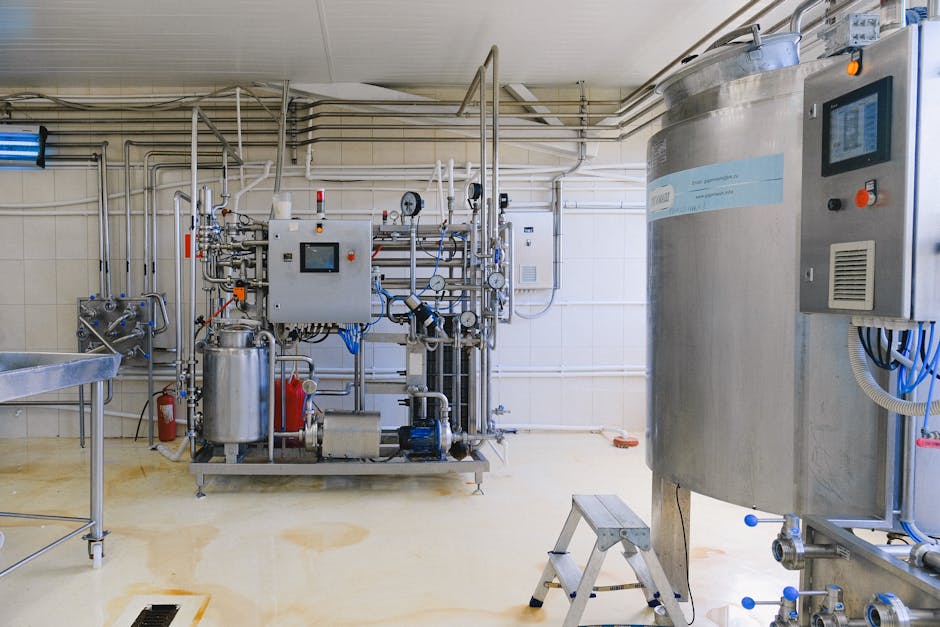
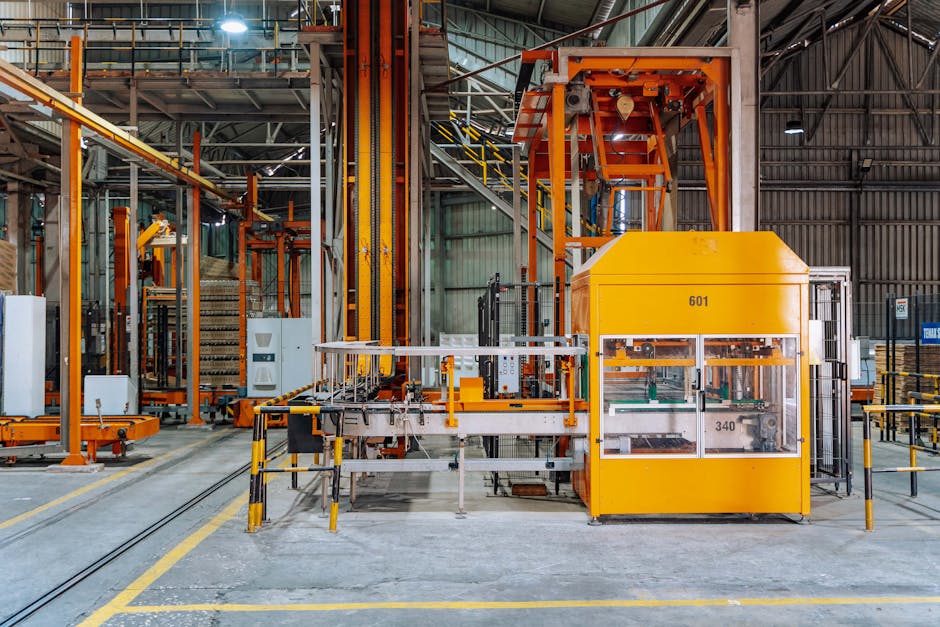
    smart manufacturing SCADA dashboard 2026 industrial IoT control room

    ๐Ÿ“Š The Numbers Don’t Lie: SCADA Market Momentum in 2026

    According to MarketsandMarkets’ Q1 2026 industrial automation report, the global SCADA market is projected to reach $18.9 billion by the end of 2026, up from approximately $14.2 billion in 2023 โ€” a compound annual growth rate (CAGR) hovering around 9.8%. That’s not just incremental growth; that’s a structural shift in how manufacturers are prioritizing digital infrastructure investment.

    What’s driving this surge? A few converging forces:

    • Post-pandemic supply chain trauma: The disruptions of 2020โ€“2022 exposed how fragile manual and semi-automated systems were. SCADA upgrades became a boardroom priority, not just an IT conversation.
    • Energy cost pressures: With industrial electricity costs remaining volatile across Europe and Asia, real-time energy monitoring through SCADA has delivered measurable ROI โ€” some facilities report 12โ€“18% reductions in energy waste.
    • Edge computing maturation: By 2026, edge devices capable of local processing at sub-5ms latency are commercially accessible even for mid-size manufacturers, making cloud-dependent SCADA architectures far more responsive.
    • Cybersecurity regulation tightening: The EU’s NIS2 Directive (fully enforced since 2024) and similar frameworks in South Korea (the K-ISMS-P updates) have forced compliance-driven SCADA modernization across critical infrastructure sectors.
    • AI integration becoming non-optional: Predictive maintenance algorithms embedded directly into SCADA platforms โ€” not bolted on as afterthoughts โ€” are now a purchasing expectation, not a luxury feature.

    ๐Ÿ”ง The Three Biggest Technical Shifts Happening Right Now

    1. The Death of the Monolithic SCADA Architecture
    Traditional SCADA relied on centralized, proprietary systems โ€” think Siemens WinCC or Wonderware (now AVEVA) running on dedicated hardware with limited external connectivity. In 2026, the dominant architecture is distributed, cloud-hybrid SCADA. Platforms like Ignition by Inductive Automation, Aveva System Platform, and newer entrants like Litmus Edge have decoupled data collection from visualization, allowing manufacturers to run SCADA logic at the edge while streaming aggregated insights to cloud dashboards. This means a plant manager in Seoul can monitor a production line in Guadalajara on a tablet with the same fidelity as someone standing on the floor.

    2. AI-Native Anomaly Detection (Not Just Alarming)
    Here’s where it gets genuinely exciting. Old SCADA systems were essentially sophisticated alarm systems โ€” set a threshold, trigger an alert. Modern SCADA in 2026 uses multivariate time-series AI models trained on months or years of operational data to detect patterns that precede failure, not just failure itself. Rockwell Automation’s FactoryTalk Analytics and Siemens’ Industrial Edge platform both now ship with built-in ML pipelines. The practical result? Mean Time Between Failures (MTBF) improvements of 20โ€“35% reported across early adopters in semiconductor fabrication and pharmaceuticals.

    3. Digital Twin Integration as Standard Practice
    Digital twins โ€” virtual replicas of physical systems โ€” have moved from pilot projects to production-grade deployments. In 2026, leading SCADA platforms natively synchronize with digital twin environments. NVIDIA’s Omniverse industrial platform, Microsoft Azure Digital Twins, and Siemens Xcelerator all offer SCADA data ingestion pipelines. This means operators can simulate “what if” scenarios (what happens if Line 3 runs at 110% capacity for 6 hours?) without risking actual equipment โ€” a game-changer for production planning.
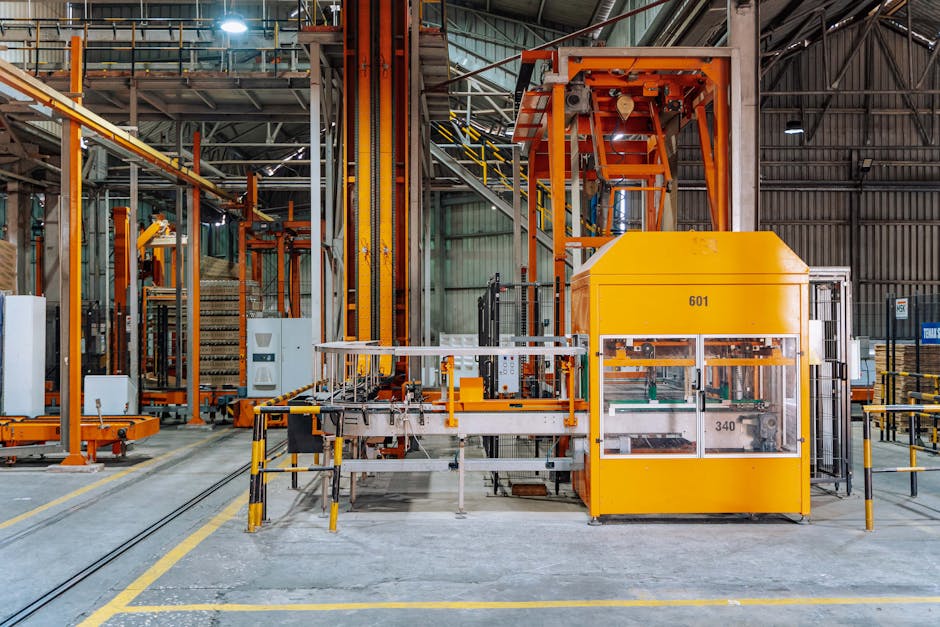
    digital twin factory simulation SCADA integration industrial automation 2026

    ๐ŸŒ Real-World Examples: Who’s Getting This Right?

    Hyundai Motor Group (South Korea): Hyundai’s Ulsan plant โ€” one of the world’s largest single-site automobile factories โ€” completed its SCADA overhaul in late 2025, integrating AVEVA System Platform with a proprietary AI layer developed in-house. The result: a 23% reduction in unplanned downtime and a reported savings of approximately โ‚ฉ180 billion (~$135M USD) annually. What’s notable is their hybrid approach โ€” they didn’t rip and replace legacy PLCs but wrapped them with modern OPC-UA communication protocols, making the transition far more cost-effective.

    Pfizer’s Singapore BioTech Hub: Pharmaceutical manufacturing demands traceability at a level most industries never deal with. Pfizer’s Singapore facility, expanded significantly in 2025, uses a cloud-native SCADA stack built on Ignition with AWS IoT integration. Every batch parameter โ€” temperature, pressure, pH, mixing RPM โ€” is captured in an immutable audit trail that satisfies FDA 21 CFR Part 11 compliance automatically. Their engineers report that batch release time has dropped by 40% due to automated data verification.

    Posco (South Korea / Global): The steel giant has been quietly building what they call their “Smart Steel” initiative. Their SCADA modernization focuses on blast furnace optimization โ€” historically one of the most energy-intensive and difficult-to-control processes in heavy industry. By 2026, their AI-augmented SCADA system reportedly optimizes furnace parameters every 90 seconds using reinforcement learning, saving an estimated 8% in coke consumption per ton of steel produced. At Posco’s scale, that’s a staggering environmental and cost impact.

    Schneider Electric’s Le Vaudreuil Smart Factory (France): Often cited as a “lighthouse factory” by the World Economic Forum, this facility demonstrates SCADA-as-a-service thinking. Rather than owning and maintaining SCADA infrastructure, smaller manufacturers within their supply chain can subscribe to monitored production environments managed by Schneider. This model โ€” essentially SCADA-as-a-Platform โ€” is gaining serious traction among SMEs that can’t afford dedicated OT (Operational Technology) security teams.

    โš ๏ธ The Cybersecurity Elephant in the Room

    Let’s not gloss over this. The same connectivity that makes modern SCADA so powerful makes it a target. The 2025 Colonial Pipeline-style incidents in European water treatment facilities (yes, there were three documented cases) were a wake-up call that OT security isn’t just an IT problem anymore. In 2026, best-practice SCADA deployments incorporate:

    • Zero-trust architecture at the network level โ€” no device is trusted by default, even inside the plant network
    • Unidirectional security gateways (hardware-enforced data diodes) for truly critical control loops
    • OT-specific Security Operations Centers (SOCs) โ€” companies like Claroty, Dragos, and Nozomi Networks now offer purpose-built OT monitoring that integrates with SCADA event logs
    • Regular penetration testing of SCADA environments โ€” a practice that was rare five years ago but is now increasingly mandated by industrial insurance providers
    • Firmware integrity verification for edge devices and PLCs โ€” supply chain attacks targeting firmware have become sophisticated enough that this is non-negotiable in high-security environments

    ๐Ÿ’ก Realistic Alternatives for Different Manufacturing Scales

    Not every manufacturer is Hyundai or Pfizer. So let’s think practically about what makes sense at different scales:

    For Large Enterprises (500+ machines, multi-site): Full platform migration to cloud-hybrid SCADA with digital twin integration is justified. The ROI math works. Prioritize vendors with strong OPC-UA support and built-in AI pipelines. Budget for a dedicated OT security team or managed service.

    For Mid-Size Manufacturers (50โ€“500 machines): The SCADA-as-a-service model is worth serious consideration. Platforms like Ignition Community Edition offer low-cost entry points, and Schneider’s EcoStruxure model lets you scale without massive upfront capital. Focus on getting data flowing cleanly before worrying about AI features โ€” garbage in, garbage out applies ruthlessly here.

    For Small Manufacturers and Job Shops: Don’t let perfect be the enemy of good. Even a modest SCADA implementation using open-source platforms like OpenSCADA or Node-RED with InfluxDB/Grafana dashboards can dramatically improve visibility over manual monitoring. The key is standardizing on OPC-UA or MQTT protocols from the start so you’re not locked into proprietary formats that hamper future upgrades.

    For Legacy Equipment Owners (pre-2010 machinery): Retrofit IoT gateways (from vendors like Secomea, Ewon, or Moxa) can bridge old PLCs to modern SCADA platforms without replacing equipment. This “brownfield” approach is often the most pragmatic path for capital-constrained operations.

    ๐Ÿ”ฎ What to Watch for in the Next 18 Months

    A few trends worth keeping on your radar as we move through 2026 and into 2027:

    • Large Language Model integration in SCADA interfaces: Several vendors are quietly testing natural language query interfaces โ€” imagine asking your SCADA system “Why did Line 4 efficiency drop last Tuesday afternoon?” and getting a coherent, data-backed answer. Early pilots at Bosch and ABB look promising.
    • 5G private networks for SCADA backbone: Industrial 5G (using CBRS spectrum in the US, shared spectrum in EU/Korea) is replacing legacy Wi-Fi and wired networks in greenfield factories, enabling truly wireless, high-reliability SCADA communications.
    • Sustainability reporting integration: With CSRD (Corporate Sustainability Reporting Directive) enforcement in full swing across the EU, SCADA platforms are being extended to capture Scope 1 & 2 emissions data in real time โ€” turning operational data into compliance assets.

    The bottom line? SCADA in 2026 isn’t just about keeping machines running โ€” it’s become the data infrastructure layer that connects operational reality to strategic decision-making. The manufacturers investing thoughtfully in this now are building competitive advantages that will compound over the next decade.

    Whether you’re a plant engineer trying to make the case for a budget upgrade, or a C-suite executive wondering where to prioritize digital transformation spend, the data and examples above paint a pretty clear picture: modern SCADA isn’t optional anymore โ€” it’s the foundation everything else gets built on.

    Editor’s Comment : What strikes me most about the SCADA landscape in 2026 isn’t any single technology breakthrough โ€” it’s the democratization happening at the mid and small-market level. For years, sophisticated industrial monitoring was the exclusive domain of companies with nine-figure IT budgets. Today, a food processing plant in rural Iowa or a textile manufacturer in Daegu can deploy production-grade SCADA with AI capabilities for a fraction of what it cost five years ago. That’s not just a business story โ€” it’s genuinely good news for manufacturing resilience worldwide. If you’re on the fence about upgrading your operational technology stack, the question in 2026 isn’t really “can we afford to?” โ€” it’s “can we afford not to?”

    ํƒœ๊ทธ: [‘SCADA systems 2026’, ‘smart manufacturing technology’, ‘industrial IoT trends’, ‘digital twin integration’, ‘OT cybersecurity’, ‘predictive maintenance AI’, ‘Industry 4.0 automation’]
    ๐Ÿ“š ๊ด€๋ จ๋œ ๋‹ค๋ฅธ ๊ธ€๋„ ์ฝ์–ด ๋ณด์„ธ์š”

  • ์Šค๋งˆํŠธ ์ œ์กฐ SCADA ์‹œ์Šคํ…œ ์ตœ์‹  ๋™ํ–ฅ 2026: ํด๋ผ์šฐ๋“œยทAI ์œตํ•ฉ์ด ๋ฐ”๊พธ๋Š” ๊ณต์žฅ์˜ ๋ฏธ๋ž˜

    ์ง€๋‚œํ•ด ๋ง, ๊ตญ๋‚ด ํ•œ ์ž๋™์ฐจ ๋ถ€ํ’ˆ ์ œ์กฐ์—…์ฒด์˜ ์ƒ์‚ฐ๊ด€๋ฆฌํŒ€์žฅ์ด ์ด๋Ÿฐ ๋ง์„ ํ–ˆ๋‹ค๊ณ  ํ•ฉ๋‹ˆ๋‹ค. “์˜ˆ์ „์—” ์ƒˆ๋ฒฝ 3์‹œ์— ๊ฒฝ๋ณด์Œ์ด ์šธ๋ฆฌ๋ฉด ๋ฌด์กฐ๊ฑด ๊ณต์žฅ์œผ๋กœ ๋‹ฌ๋ ค๊ฐ”๋Š”๋ฐ, ์ด์ œ๋Š” ์Šค๋งˆํŠธํฐ ํ•˜๋‚˜๋กœ ์›๊ฒฉ์—์„œ ์›์ธ์„ ํŒŒ์•…ํ•˜๊ณ  ์ ˆ๋ฐ˜์€ ๊ทธ๋ƒฅ ํ•ด๊ฒฐํ•ด๋ฒ„๋ ค์š”.” ๋ถˆ๊ณผ ๋ช‡ ๋…„ ์ „๋งŒ ํ•ด๋„ ๊ณต์ƒ๊ณผํ•™ ๊ฐ™๋˜ ์ด์•ผ๊ธฐ๊ฐ€ 2026๋…„ ํ˜„์žฌ ๋Œ€ํ•œ๋ฏผ๊ตญ ์ œ์กฐ ํ˜„์žฅ์˜ ์ผ์ƒ์ด ๋˜๊ณ  ์žˆ์Šต๋‹ˆ๋‹ค. ๊ทธ ๋ณ€ํ™”์˜ ์ค‘์‹ฌ์—๋Š” SCADA(Supervisory Control and Data Acquisition) ์‹œ์Šคํ…œ์˜ ์ง„ํ™”๊ฐ€ ์žˆ์Šต๋‹ˆ๋‹ค.

    SCADA๋Š” ์‚ฐ์—… ํ˜„์žฅ์˜ ์„ค๋น„ยท๊ณต์ •์„ ์›๊ฒฉ์—์„œ ๊ฐ์‹œํ•˜๊ณ  ์ œ์–ดํ•˜๋Š” ํ•ต์‹ฌ ์ธํ”„๋ผ์ธ๋ฐ์š”. 2026๋…„์„ ๊ธฐ์ ์œผ๋กœ ์ด ์‹œ์Šคํ…œ์ด ๋‹จ์ˆœํ•œ ‘๊ฐ์‹œ ๋„๊ตฌ’์—์„œ AI ๊ธฐ๋ฐ˜ ์˜ˆ์ธกยท์ž์œจ ์ œ์–ด ํ”Œ๋žซํผ์œผ๋กœ ๋น ๋ฅด๊ฒŒ ํƒˆ๋ฐ”๊ฟˆํ•˜๊ณ  ์žˆ๋‹ค๋Š” ๊ฒŒ ์ธ ๊ฒƒ ๊ฐ™์Šต๋‹ˆ๋‹ค. ์˜ค๋Š˜์€ ๊ทธ ํ๋ฆ„์„ ํ•จ๊ป˜ ์‚ดํŽด๋ณด๊ฒ ์Šต๋‹ˆ๋‹ค.

    smart factory SCADA control room industrial 2026

    ๐Ÿ“Š ์ˆ˜์น˜๋กœ ๋ณด๋Š” 2026๋…„ SCADA ์‹œ์žฅ ๊ทœ๋ชจ์™€ ์„ฑ์žฅ๋ฅ 

    ๊ธ€๋กœ๋ฒŒ ์‹œ์žฅ์กฐ์‚ฌ๊ธฐ๊ด€ ๋ฐ์ดํ„ฐ์— ๋”ฐ๋ฅด๋ฉด, 2026๋…„ ์ „ ์„ธ๊ณ„ SCADA ์‹œ์žฅ ๊ทœ๋ชจ๋Š” ์•ฝ 190์–ต ๋‹ฌ๋Ÿฌ(ํ•œํ™” ์•ฝ 25์กฐ ์›)๋ฅผ ๋ŒํŒŒํ•  ๊ฒƒ์œผ๋กœ ์ „๋ง๋ฉ๋‹ˆ๋‹ค. 2022๋…„ ๋Œ€๋น„ ์•ฝ 38% ์„ฑ์žฅํ•œ ์ˆ˜์น˜์ธ๋ฐ์š”. ํŠนํžˆ ์ฃผ๋ชฉํ•  ๋งŒํ•œ ์„ธ๋ถ€ ์ง€ํ‘œ๋“ค์ด ์žˆ์Šต๋‹ˆ๋‹ค.

    • ํด๋ผ์šฐ๋“œ ๊ธฐ๋ฐ˜ SCADA ๋น„์ค‘: ์ „์ฒด ์‹ ๊ทœ ๋„์ž… ํ”„๋กœ์ ํŠธ ์ค‘ ์•ฝ 54%๊ฐ€ ํด๋ผ์šฐ๋“œ ๋„ค์ดํ‹ฐ๋ธŒ ๋˜๋Š” ํ•˜์ด๋ธŒ๋ฆฌ๋“œ ๊ตฌ์„ฑ โ€” 2020๋…„(18%) ๋Œ€๋น„ 3๋ฐฐ ์„ฑ์žฅ
    • OT/IT ํ†ตํ•ฉ ๊ฐ€์†ํ™”: IEC 62443 ๋ณด์•ˆ ํ‘œ์ค€ ๊ธฐ๋ฐ˜์˜ OT(์šด์˜๊ธฐ์ˆ )ยทIT ํ†ตํ•ฉ ์•„ํ‚คํ…์ฒ˜ ์ฑ„ํƒ๋ฅ ์ด 67%๊นŒ์ง€ ์ƒ์Šน
    • AI ์˜ˆ์ง€๋ณด์ „ ๋ชจ๋“ˆ ํƒ‘์žฌ์œจ: ์‹ ๊ทœ SCADA ์†”๋ฃจ์…˜์˜ ์•ฝ 41%๊ฐ€ ๋จธ์‹ ๋Ÿฌ๋‹ ๊ธฐ๋ฐ˜ ์ด์ƒ ๊ฐ์ง€ ๊ธฐ๋Šฅ ๊ธฐ๋ณธ ๋‚ด์žฅ
    • ์—ฃ์ง€ ์ปดํ“จํŒ… ์—ฐ๊ณ„: ๋ฐ์ดํ„ฐ ์ง€์—ฐ(latency) ๋ฌธ์ œ ํ•ด์†Œ๋ฅผ ์œ„ํ•ด ์—ฃ์ง€-ํด๋ผ์šฐ๋“œ ํ•˜์ด๋ธŒ๋ฆฌ๋“œ ์•„ํ‚คํ…์ฒ˜ ์ฑ„ํƒ์ด ์ „๋…„ ๋Œ€๋น„ 29% ์ฆ๊ฐ€
    • ์‚ฌ์ด๋ฒ„๋ณด์•ˆ ํˆฌ์ž ๋น„์ค‘: SCADA ํ”„๋กœ์ ํŠธ ์˜ˆ์‚ฐ ์ค‘ ์‚ฌ์ด๋ฒ„๋ณด์•ˆ ๊ด€๋ จ ์ง€์ถœ์ด ํ‰๊ท  22%๋ฅผ ์ฐจ์ง€ โ€” 2023๋…„(11%) ๋Œ€๋น„ 2๋ฐฐ

    ์ด ์ˆ˜์น˜๋“ค์ด ๋งํ•ด์ฃผ๋Š” ๊ฒƒ์€ ๋‹จ์ˆœํ•ฉ๋‹ˆ๋‹ค. SCADA๊ฐ€ ๋” ์ด์ƒ ํ˜„์žฅ ์—”์ง€๋‹ˆ์–ด๋งŒ์˜ ์˜์—ญ์ด ์•„๋‹ˆ๋ผ, ITยท๋ณด์•ˆยท๋ฐ์ดํ„ฐ ์‚ฌ์ด์–ธ์Šค๊ฐ€ ๊ต์ฐจํ•˜๋Š” ์œตํ•ฉ ํ”Œ๋žซํผ์œผ๋กœ ์ง„ํ™”ํ–ˆ๋‹ค๋Š” ๊ฑฐ๋ผ๊ณ  ๋ด…๋‹ˆ๋‹ค.

    ๐ŸŒ ๊ตญ๋‚ด์™ธ ์ฃผ์š” ์‚ฌ๋ก€: ๋ฌด์—‡์ด ๋‹ฌ๋ผ์กŒ๋‚˜

    โ–ถ ํ•ด์™ธ ์‚ฌ๋ก€ โ€” ์ง€๋ฉ˜์Šค(Siemens)์˜ Industrial Copilot ์—ฐ๋™ SCADA

    ๋…์ผ ์ง€๋ฉ˜์Šค๋Š” 2025๋…„ ๋ง๋ถ€ํ„ฐ ์ž์‚ฌ SCADA ํ”Œ๋žซํผ ‘WinCC Unified’์— ์ƒ์„ฑํ˜• AI ๊ธฐ๋ฐ˜ ‘์ธ๋”์ŠคํŠธ๋ฆฌ์–ผ ์ฝ”ํŒŒ์ผ๋Ÿฟ’์„ ์ •์‹ ํ†ตํ•ฉํ–ˆ์Šต๋‹ˆ๋‹ค. ์˜คํผ๋ ˆ์ดํ„ฐ๊ฐ€ ์ž์—ฐ์–ด๋กœ “3๋ฒˆ ๋ผ์ธ ์••๋ ฅ ์ด์ƒ ์›์ธ์ด ๋ญ์•ผ?”๋ผ๊ณ  ์ž…๋ ฅํ•˜๋ฉด, ์‹œ์Šคํ…œ์ด ์ˆ˜์ฒœ ๊ฐœ์˜ ํžˆ์Šคํ† ๋ฆฌ ๋ฐ์ดํ„ฐ๋ฅผ ๋ถ„์„ํ•ด ์›์ธ ํ›„๋ณด๋ฅผ ์ˆœ์œ„๋ณ„๋กœ ์ œ์‹œํ•˜๋Š” ๋ฐฉ์‹์ž…๋‹ˆ๋‹ค. ๋ฐ”์ด์—๋ฅธ์ฃผ ์•™์Šค๋ฐ”ํ ๊ณต์žฅ ์ ์šฉ ๊ฒฐ๊ณผ, ๋น„์ •์ƒ ์ƒํ™ฉ ๋Œ€์‘ ์‹œ๊ฐ„์ด ํ‰๊ท  47% ๋‹จ์ถ•๋๋‹ค๊ณ  ์•Œ๋ ค์ ธ ์žˆ์–ด์š”.

    โ–ถ ๊ตญ๋‚ด ์‚ฌ๋ก€ โ€” ํฌ์Šค์ฝ”DX์˜ ์ œ์ฒ ์†Œ SCADA ํด๋ผ์šฐ๋“œ ์ „ํ™˜

    ํฌ์Šค์ฝ”DX๋Š” 2025๋…„๋ถ€ํ„ฐ ๊ด‘์–‘์ œ์ฒ ์†Œ ์ผ๋ถ€ ๊ณต์ • ๋ผ์ธ์— ํด๋ผ์šฐ๋“œ ํ•˜์ด๋ธŒ๋ฆฌ๋“œ SCADA๋ฅผ ์‹œ๋ฒ” ์ ์šฉํ–ˆ๊ณ , 2026๋…„ ์ƒ๋ฐ˜๊ธฐ ํ˜„์žฌ ๋ณธ๊ฒฉ ํ™•์žฅ ์ค‘์ธ ๊ฒƒ์œผ๋กœ ํŒŒ์•…๋ฉ๋‹ˆ๋‹ค. ๊ธฐ์กด ์˜จํ”„๋ ˆ๋ฏธ์Šค SCADA ๋Œ€๋น„ ์œ ์ง€๋ณด์ˆ˜ ๋น„์šฉ 30% ์ ˆ๊ฐ, ๋ฐ์ดํ„ฐ ์ˆ˜์ง‘ ์ฃผ๊ธฐ๋Š” 10์ดˆ์—์„œ 1์ดˆ ๋ฏธ๋งŒ์œผ๋กœ ๋‹จ์ถ•๋œ ์„ฑ๊ณผ๋ฅผ ๊ฑฐ๋’€๋‹ค๊ณ  ํ•ฉ๋‹ˆ๋‹ค. ๊ตญ๋‚ด ์ œ์กฐ์—… ํŠน์„ฑ์ƒ ๋ณด์•ˆ ์šฐ๋ ค๋กœ ํด๋ผ์šฐ๋“œ ์ „ํ™˜์— ์†Œ๊ทน์ ์ด์—ˆ๋˜ ๋ถ„์œ„๊ธฐ๊ฐ€ ์ด ์‚ฌ๋ก€๋ฅผ ๊ณ„๊ธฐ๋กœ ์กฐ๊ธˆ์”ฉ ๋ฐ”๋€Œ๊ณ  ์žˆ๋‹ค๋Š” ํ‰๊ฐ€๊ฐ€ ๋‚˜์˜ค๊ณ  ์žˆ์–ด์š”.

    โ–ถ ์—๋„ˆ์ง€ ๋ถ„์•ผ โ€” ํ•œ๊ตญ์ „๋ ฅ ๋ฐฐ์ „ ์ž๋™ํ™” ์‹œ์Šคํ…œ ๊ณ ๋„ํ™”

    ํ•œ๊ตญ์ „๋ ฅ์€ ๊ธฐ์กด SCADA ๊ธฐ๋ฐ˜ ๋ฐฐ์ „ ์ž๋™ํ™” ์‹œ์Šคํ…œ์— ๋””์ง€ํ„ธ ํŠธ์œˆ ๊ธฐ์ˆ ์„ ์—ฐ๊ณ„, ์ •์ „ ์˜ˆ์ธก ์ •ํ™•๋„๋ฅผ ๊ธฐ์กด ๋Œ€๋น„ 35% ์ด์ƒ ํ–ฅ์ƒ์‹œํ‚ค๋Š” ์„ฑ๊ณผ๋ฅผ 2026๋…„ ์ดˆ ๋ฐœํ‘œํ–ˆ์Šต๋‹ˆ๋‹ค. ์žฌ์ƒ์—๋„ˆ์ง€ ๋น„์ค‘์ด ๋†’์•„์ง€๋ฉด์„œ ๋ฐœ์ƒํ•˜๋Š” ๊ณ„ํ†ต ๋ถˆ์•ˆ์ • ๋ฌธ์ œ๋ฅผ ์‹ค์‹œ๊ฐ„ ์‹œ๋ฎฌ๋ ˆ์ด์…˜์œผ๋กœ ์„ ์ œ ๋Œ€์‘ํ•˜๋Š” ๋ชจ๋ธ๋กœ ์ฃผ๋ชฉ๋ฐ›๊ณ  ์žˆ์Šต๋‹ˆ๋‹ค.

    SCADA cloud AI integration digital twin manufacturing plant

    ๐Ÿ”‘ 2026๋…„ SCADA์˜ ํ•ต์‹ฌ ๊ธฐ์ˆ  ํŠธ๋ Œ๋“œ 5๊ฐ€์ง€

    • โ‘  Cloud-Native SCADA: PLCยท์„ผ์„œ ๋ฐ์ดํ„ฐ๋ฅผ ํด๋ผ์šฐ๋“œ๋กœ ์ง์ ‘ ์ŠคํŠธ๋ฆฌ๋ฐํ•˜๋Š” ๊ตฌ์กฐ. ์ดˆ๊ธฐ ๊ตฌ์ถ• ๋น„์šฉ์ด ๋‚ฎ๊ณ  ํ™•์žฅ์„ฑ์ด ๋›ฐ์–ด๋‚˜์ง€๋งŒ, ํ†ต์‹  ์ง€์—ฐ๊ณผ ๋ณด์•ˆ์ด ์—ฌ์ „ํžˆ ํ•ด๊ฒฐ ๊ณผ์ œ์ž…๋‹ˆ๋‹ค.
    • โ‘ก AI ๊ธฐ๋ฐ˜ ์ด์ƒ ๊ฐ์ง€(Anomaly Detection): ๋‹จ์ˆœ ์ž„๊ณ„๊ฐ’ ๊ฒฝ๋ณด์—์„œ ๋ฒ—์–ด๋‚˜, ์ •์ƒ ํŒจํ„ด์„ ํ•™์Šตํ•œ ๋ชจ๋ธ์ด ๋ฏธ๋ฌ˜ํ•œ ํŽธ์ฐจ๋ฅผ ์กฐ๊ธฐ์— ํฌ์ฐฉํ•ฉ๋‹ˆ๋‹ค. ์˜คํƒ(False Alarm) ๋น„์œจ์„ ์ค„์ด๋Š” ๊ฒƒ์ด ์‹ค์šฉํ™”์˜ ๊ด€๊ฑด์ด๋ผ๊ณ  ๋ด…๋‹ˆ๋‹ค.
    • โ‘ข ์‚ฌ์ด๋ฒ„-๋ฌผ๋ฆฌ ๋ณด์•ˆ ํ†ตํ•ฉ(OT Security): ๋žœ์„ฌ์›จ์–ด์˜ OT๋ง ๊ณต๊ฒฉ์ด ์ฆ๊ฐ€ํ•˜๋ฉด์„œ, SCADA ์ „์šฉ ๋ณด์•ˆ ์†”๋ฃจ์…˜(Claroty, Dragos ๋“ฑ)๊ณผ์˜ ์—ฐ๋™์ด ์‚ฌ์‹ค์ƒ ํ•„์ˆ˜๊ฐ€ ๋์Šต๋‹ˆ๋‹ค.
    • โ‘ฃ ๋””์ง€ํ„ธ ํŠธ์œˆ ์—ฐ๊ณ„: SCADA๊ฐ€ ์ˆ˜์ง‘ํ•œ ์‹ค์‹œ๊ฐ„ ๋ฐ์ดํ„ฐ๋ฅผ 3D ๊ฐ€์ƒ ๋ชจ๋ธ์— ๋งคํ•‘ํ•ด, ์‹œ๋ฎฌ๋ ˆ์ด์…˜๊ณผ ์šด์˜ ๋ชจ๋‹ˆํ„ฐ๋ง์„ ๋™์‹œ์— ์ˆ˜ํ–‰ํ•˜๋Š” ๊ตฌ์กฐ๊ฐ€ ํ™•์‚ฐ ์ค‘์ž…๋‹ˆ๋‹ค.
    • โ‘ค Low-Code/No-Code HMI ๊ฐœ๋ฐœ: ํ˜„์žฅ ์—”์ง€๋‹ˆ์–ด๊ฐ€ ์ฝ”๋”ฉ ์—†์ด ๋Œ€์‹œ๋ณด๋“œ์™€ ์ œ์–ด ํ™”๋ฉด์„ ๊ตฌ์„ฑํ•  ์ˆ˜ ์žˆ๋Š” ํ”Œ๋žซํผ์ด ๋Š˜๋ฉด์„œ, SCADA ์ปค์Šคํ„ฐ๋งˆ์ด์ง• ์žฅ๋ฒฝ์ด ํฌ๊ฒŒ ๋‚ฎ์•„์กŒ์Šต๋‹ˆ๋‹ค.

    โš ๏ธ ํ˜„์‹ค์ ์œผ๋กœ ๋งˆ์ฃผ์น˜๋Š” ๋„์ž… ์žฅ๋ฒฝ๋“ค

    ๋ฌผ๋ก  ์žฅ๋ฐ‹๋น› ์ „๋ง๋งŒ ์žˆ๋Š” ๊ฑด ์•„๋‹™๋‹ˆ๋‹ค. ํ˜„์žฅ์—์„œ ์‹ค์ œ๋กœ ๋ถ€๋”ชํžˆ๋Š” ๋ฌธ์ œ๋“ค๋„ ํ•จ๊ป˜ ์งš์–ด๋ด์•ผ ํ•  ๊ฒƒ ๊ฐ™์Šต๋‹ˆ๋‹ค.

    ์ฒซ์งธ, ๋ ˆ๊ฑฐ์‹œ ์„ค๋น„ ์—ฐ๋™ ๋ฌธ์ œ์ž…๋‹ˆ๋‹ค. 10~20๋…„ ๋œ PLC๋‚˜ DCS ์žฅ๋น„๋Š” ์ตœ์‹  ํ†ต์‹  ํ”„๋กœํ† ์ฝœ(MQTT, OPC UA)์„ ์ง€์›ํ•˜์ง€ ์•Š๋Š” ๊ฒฝ์šฐ๊ฐ€ ๋งŽ์•„์š”. ์ด๋ฅผ ์œ„ํ•œ ํ”„๋กœํ† ์ฝœ ๋ณ€ํ™˜ ๊ฒŒ์ดํŠธ์›จ์ด ๋น„์šฉ์ด ์˜ˆ์ƒ๋ณด๋‹ค ํฌ๊ฒŒ ๋ฐœ์ƒํ•œ๋‹ค๋Š” ๊ฒŒ ์ค‘๊ฒฌยท์ค‘์†Œ ์ œ์กฐ์—…์ฒด์˜ ๊ณตํ†ต๋œ ๊ณ ๋ฏผ์ž…๋‹ˆ๋‹ค.

    ๋‘˜์งธ, OT ๋ณด์•ˆ ์ธ๋ ฅ ๋ถ€์กฑ์ž…๋‹ˆ๋‹ค. IT ๋ณด์•ˆ ์ „๋ฌธ๊ฐ€๋Š” ์žˆ์–ด๋„ OT ํ™˜๊ฒฝ์„ ์ดํ•ดํ•˜๋Š” ๋ณด์•ˆ ์ธ๋ ฅ์€ ์—ฌ์ „ํžˆ ๊ทนํžˆ ๋“œ๋ฌธ๋ฐ์š”. ํด๋ผ์šฐ๋“œ ์ „ํ™˜์„ ๊ฐ€์†ํ• ์ˆ˜๋ก ์ด ์ธ๋ ฅ ๊ฐญ์ด ๋” ๋ถ€๊ฐ๋ฉ๋‹ˆ๋‹ค.

    ์…‹์งธ, ๋ฐ์ดํ„ฐ ์‚ฌ์ผ๋กœ(Data Silo) ๋ฌธ์ œ์ž…๋‹ˆ๋‹ค. SCADA, MES(์ œ์กฐ์‹คํ–‰์‹œ์Šคํ…œ), ERP๊ฐ€ ๊ฐ๊ฐ ๋ณ„๋„๋กœ ์šด์˜๋˜๋ฉด์„œ ๋ฐ์ดํ„ฐ๊ฐ€ ๋‹จ์ ˆ๋˜๋Š” ํ˜„์ƒ์€ 2026๋…„์—๋„ ์ƒ๋‹น์ˆ˜ ๊ธฐ์—…์ด ๊ฒช๊ณ  ์žˆ๋Š” ํ˜„์‹ค์ž…๋‹ˆ๋‹ค.

    ๐Ÿ’ก ์ค‘์†Œยท์ค‘๊ฒฌ ์ œ์กฐ๊ธฐ์—…์„ ์œ„ํ•œ ํ˜„์‹ค์  ๋„์ž… ๋กœ๋“œ๋งต

    ๋Œ€๊ธฐ์—…๋งŒ์˜ ์ด์•ผ๊ธฐ๋ผ๊ณ  ๋А๊ปด์ง„๋‹ค๋ฉด, ๋‹ค์Œ๊ณผ ๊ฐ™์€ ๋‹จ๊ณ„์  ์ ‘๊ทผ์„ ๊ณ ๋ คํ•ด๋ณผ ์ˆ˜ ์žˆ์„ ๊ฒƒ ๊ฐ™์Šต๋‹ˆ๋‹ค.

    • 1๋‹จ๊ณ„ (0~6๊ฐœ์›”): ๊ธฐ์กด ์„ค๋น„์— IoT ๊ฒŒ์ดํŠธ์›จ์ด๋ฅผ ๋ถ€์ฐฉํ•ด ๋ฐ์ดํ„ฐ ์ˆ˜์ง‘๋ถ€ํ„ฐ ์‹œ์ž‘. ์ „๋ฉด ๊ต์ฒด ์—†์ด ํ˜„ํ™ฉ ๊ฐ€์‹œํ™”(Visibility) ํ™•๋ณด.
    • 2๋‹จ๊ณ„ (6~18๊ฐœ์›”): ์ˆ˜์ง‘๋œ ๋ฐ์ดํ„ฐ๋ฅผ ๊ธฐ๋ฐ˜์œผ๋กœ ํ•ต์‹ฌ ๊ณต์ • 1~2๊ฐœ์— AI ์ด์ƒ ๊ฐ์ง€ ์ ์šฉ. ์†Œ๊ทœ๋ชจ ํŒŒ์ผ๋Ÿฟ์œผ๋กœ ROI(ํˆฌ์ž์ˆ˜์ต๋ฅ ) ๊ฒ€์ฆ.
    • 3๋‹จ๊ณ„ (18๊ฐœ์›” ์ดํ›„): ๊ฒ€์ฆ๋œ ๋ชจ๋ธ์„ ์ „์‚ฌ ํ™•์žฅ, SCADA-MES-ERP ๋ฐ์ดํ„ฐ ํ†ตํ•ฉ ์•„ํ‚คํ…์ฒ˜ ๊ตฌ์ถ•.

    ์ •๋ถ€ ์ง€์› ์ธก๋ฉด์—์„œ๋„ 2026๋…„ ํ˜„์žฌ ์‚ฐ์—…ํ†ต์ƒ์ž์›๋ถ€์˜ ‘์Šค๋งˆํŠธ์ œ์กฐ ๊ณ ๋„ํ™” ์‚ฌ์—…’๊ณผ ์ค‘์†Œ๋ฒค์ฒ˜๊ธฐ์—…๋ถ€์˜ ‘์Šค๋งˆํŠธ๊ณต์žฅ ๋ณด๊ธ‰ยทํ™•์‚ฐ ์‚ฌ์—…’์„ ํ†ตํ•ด SCADA ๋„์ž… ๋น„์šฉ์˜ ์ผ๋ถ€๋ฅผ ์ง€์›๋ฐ›์„ ์ˆ˜ ์žˆ๋Š” ์ฐฝ๊ตฌ๊ฐ€ ์—ด๋ ค ์žˆ๋Š” ๋งŒํผ, ์ด๋ฅผ ์ ๊ทน ํ™œ์šฉํ•˜๋Š” ๊ฒƒ๋„ ํ˜„์‹ค์ ์ธ ๋ฐฉ๋ฒ•์ด๋ผ๊ณ  ๋ด…๋‹ˆ๋‹ค.


    ์—๋””ํ„ฐ ์ฝ”๋ฉ˜ํŠธ : 2026๋…„ SCADA์˜ ํ•ต์‹ฌ์€ ‘๋” ๋งŽ์ด ์—ฐ๊ฒฐํ•˜๋Š” ๊ฒƒ’๋ณด๋‹ค ‘์—ฐ๊ฒฐ๋œ ๋ฐ์ดํ„ฐ์—์„œ ์˜๋ฏธ ์žˆ๋Š” ํŒ๋‹จ์„ ๋Œ์–ด๋‚ด๋Š” ๊ฒƒ’์œผ๋กœ ์ด๋™ํ–ˆ๋‹ค๋Š” ์ธ์ƒ์ž…๋‹ˆ๋‹ค. ๊ธฐ์ˆ ์ด ์•„๋ฌด๋ฆฌ ๋ฐœ์ „ํ•ด๋„ ํ˜„์žฅ์˜ ๋งฅ๋ฝ์„ ์•„๋Š” ์‚ฌ๋žŒ์ด ์ค‘์‹ฌ์— ์žˆ์–ด์•ผ ํ•œ๋‹ค๋Š” ๊ฑด ๋ณ€ํ•˜์ง€ ์•Š๋Š” ๊ฒƒ ๊ฐ™์•„์š”. AI์™€ ํด๋ผ์šฐ๋“œ๋Š” ๊ทธ ์‚ฌ๋žŒ์˜ ํŒ๋‹จ์„ ๋” ๋น ๋ฅด๊ณ  ์ •ํ™•ํ•˜๊ฒŒ ๋ณด์กฐํ•˜๋Š” ๋„๊ตฌ๋ผ๊ณ  ์ƒ๊ฐํ•˜๋ฉด, SCADA์˜ ๋ฏธ๋ž˜๊ฐ€ ์กฐ๊ธˆ ๋” ํ˜„์‹ค์ ์œผ๋กœ ๊ทธ๋ ค์ง€์ง€ ์•Š์„๊นŒ ํ•ฉ๋‹ˆ๋‹ค.

    ํƒœ๊ทธ: [‘SCADA์‹œ์Šคํ…œ’, ‘์Šค๋งˆํŠธ์ œ์กฐ2026’, ‘ํด๋ผ์šฐ๋“œSCADA’, ‘์Šค๋งˆํŠธ๊ณต์žฅ’, ‘OT๋ณด์•ˆ’, ‘AI์˜ˆ์ง€๋ณด์ „’, ‘๋””์ง€ํ„ธํŠธ์œˆ์ œ์กฐ’]


    ๐Ÿ“š ๊ด€๋ จ๋œ ๋‹ค๋ฅธ ๊ธ€๋„ ์ฝ์–ด ๋ณด์„ธ์š”

  • Next.js vs Remix 2026: Which Framework Should You Actually Pick?

    Picture this: it’s late on a Tuesday night, and your team is three hours deep into a heated Slack thread. The topic? Whether to migrate your growing SaaS app from Next.js to Remix โ€” or stick with what you know. Sound familiar? I’ve seen this exact debate play out in engineering teams from Seoul to San Francisco, and honestly, there’s rarely a clean winner. But in 2026, the gap between these two frameworks has shifted in some genuinely surprising ways. Let’s think through this together.

    Next.js vs Remix framework comparison 2026 developer coding

    ๐Ÿ“Š Where Things Stand in 2026: The Numbers Don’t Lie

    Let’s anchor ourselves in reality first. As of early 2026, Next.js โ€” maintained by Vercel โ€” commands roughly 68% of the React meta-framework market share according to the State of JS 2025 survey results (published in late 2025). It powers household names like Hulu, TikTok’s marketing platforms, and thousands of enterprise apps globally. Meanwhile, Remix, now evolved under the stewardship of its community following Shopify’s strategic pivot in late 2024, has carved out a loyal following โ€” particularly among developers who prioritize web fundamentals and progressive enhancement.

    Here’s what’s genuinely interesting though: Remix’s weekly npm downloads have grown by roughly 41% year-over-year into 2026, suggesting it’s quietly gaining ground even as Next.js dominates headlines. The question isn’t which one is “better” โ€” it’s which one fits your specific situation.

    โš™๏ธ Architecture Philosophy: Two Very Different World Views

    Next.js 15+ (the current stable branch in 2026) has doubled down on the React Server Components (RSC) paradigm with its App Router. The framework now treats the server as the primary rendering environment, with client-side JavaScript as something you opt into rather than the default. This is powerful for performance โ€” but it comes with a real learning curve. Concepts like server actions, streaming, and partial hydration can genuinely confuse developers who are new to the paradigm.

    Remix v3, on the other hand, has leaned even harder into the web platform. It’s built around the idea that browsers are already incredibly capable โ€” fetch, forms, progressive enhancement โ€” and your framework should work with those primitives, not abstract over them. This makes Remix code feel surprisingly close to vanilla web development, which is either refreshing or limiting depending on your team’s experience level.

    ๐ŸŒ Real-World Examples: Who’s Betting on What in 2026

    Looking at actual production deployments tells a revealing story:

    International: Companies like Linear (the beloved project management tool) and several mid-size fintech startups in Germany and the UK have migrated to or maintained Next.js throughout 2025โ€“2026, citing the robust ecosystem and tight Vercel integration as key factors. Vercel’s edge network improvements in 2025 made the performance argument even stronger for globally distributed users.

    On the Remix side, e-commerce platforms that need extremely fast form interactions and shopping cart updates have found Remix’s loader/action model to be a genuinely elegant fit. A well-known Korean fashion e-commerce platform (similar in scale to Musinsa) publicly documented a 23% improvement in Time to Interactive after migrating checkout flows to Remix in mid-2025 โ€” a case study that circulated widely in the Korean dev community on platforms like okky.kr.

    web framework performance metrics server rendering React 2026

    ๐Ÿ” Head-to-Head: Key Decision Factors

    • Data Fetching Model: Next.js uses a mix of server components, server actions, and the still-evolving cache API โ€” powerful but complex. Remix uses loaders and actions tied directly to routes โ€” simpler mental model, especially for CRUD-heavy apps.
    • Deployment Flexibility: Next.js works best on Vercel (though it runs elsewhere). Remix is platform-agnostic by design and deploys comfortably to Cloudflare Workers, Fly.io, or traditional Node servers โ€” a big deal for teams with specific infrastructure requirements.
    • Ecosystem & Plugins: Next.js wins here, and it’s not close. The sheer volume of community packages, tutorials, and third-party integrations built specifically for Next.js is enormous in 2026.
    • Learning Curve: Remix has a steeper initial climb if you’re used to client-heavy React, but teams often report faster onboarding once the mental model clicks. Next.js App Router has surprised many experienced developers with its own complexity.
    • Error Handling & Resilience: Remix’s nested routing with per-route error boundaries is genuinely elegant โ€” partial page failures don’t tank the whole UI. Next.js has improved here, but Remix still edges it out in this area.
    • SEO & Core Web Vitals: Both frameworks are excellent here in 2026 with server rendering baked in. The edge goes slightly to Next.js for large content sites due to better ISR (Incremental Static Regeneration) tooling.
    • Community & Job Market: If you’re hiring or looking for work, Next.js experience is far more commonly listed in job postings. Pragmatically, this matters.

    ๐Ÿ’ก So Which Should YOU Actually Choose?

    Here’s my honest framework for thinking about this in 2026:

    If you’re building a content-heavy platform, SaaS dashboard, or anything where Vercel’s infrastructure makes sense โ€” Next.js is still the pragmatic, battle-tested choice. The ecosystem is mature, hiring is easier, and the performance tooling is exceptional. Just budget time to truly understand RSC โ€” don’t skip that step.

    If you’re building something interaction-heavy with complex form flows โ€” like e-commerce checkouts, booking systems, or apps where resilience and progressive enhancement matter deeply โ€” Remix’s model might genuinely save you pain later. It’s especially worth considering if your team has a strong web fundamentals background.

    And here’s a realistic alternative many teams overlook: you don’t have to pick one globally. In 2026, several companies use Next.js for their main marketing and content surfaces (where SEO and ISR shine) while running specific, interaction-dense micro-frontends on Remix. It’s a hybrid approach that plays to each framework’s genuine strengths.

    Editor’s Comment : Honestly, the Next.js vs Remix debate in 2026 is less about which framework is technically superior and more about which mental model your team will actually thrive with. I’ve watched brilliant engineers struggle with Next.js App Router’s server-first paradigm, and I’ve seen others find Remix’s loader/action model immediately intuitive. Before you commit, build the same feature in both โ€” even a small one. That three-hour Slack debate will get a lot shorter once your team has touched the code. ๐Ÿš€

    ํƒœ๊ทธ: [‘Next.js vs Remix 2026’, ‘React framework comparison’, ‘Next.js 2026’, ‘Remix framework’, ‘web development 2026’, ‘React Server Components’, ‘frontend framework guide’]


    ๐Ÿ“š ๊ด€๋ จ๋œ ๋‹ค๋ฅธ ๊ธ€๋„ ์ฝ์–ด ๋ณด์„ธ์š”

  • Next.js vs Remix 2026 ๋น„๊ต: ์–ด๋–ค ํ”„๋ ˆ์ž„์›Œํฌ๊ฐ€ ๋‚ด ํ”„๋กœ์ ํŠธ์— ๋งž์„๊นŒ?

    ์–ผ๋งˆ ์ „ ํ•œ ์Šคํƒ€ํŠธ์—… ๊ฐœ๋ฐœํŒ€์˜ ์ด์•ผ๊ธฐ๋ฅผ ๋“ค์—ˆ์–ด์š”. ์ƒˆ ํ”„๋กœ์ ํŠธ๋ฅผ ์‹œ์ž‘ํ•˜๋ฉด์„œ Next.js๋ฅผ ์“ธ์ง€ Remix๋ฅผ ์“ธ์ง€ ๊ฒฐ์ •ํ•˜์ง€ ๋ชปํ•ด ํ‚ฅ์˜คํ”„ ๋ฏธํŒ…์„ ์„ธ ๋ฒˆ์ด๋‚˜ ๋‹ค์‹œ ์žก์•˜๋‹ค๊ณ  ํ•˜๋”๋ผ๊ณ ์š”. ๋‘˜ ๋‹ค React ๊ธฐ๋ฐ˜์ด๊ณ , ๋‘˜ ๋‹ค SSR(์„œ๋ฒ„์‚ฌ์ด๋“œ ๋ Œ๋”๋ง)์„ ์ง€์›ํ•˜๊ณ , ๋‘˜ ๋‹ค ํ™œ๋ฐœํ•˜๊ฒŒ ์œ ์ง€๋ณด์ˆ˜๋˜๊ณ  ์žˆ์œผ๋‹ˆ “์–ด๋А ๊ฒŒ ๋‚ซ๋ƒ”๋Š” ์งˆ๋ฌธ์— ์‰ฝ๊ฒŒ ๋‹ตํ•˜๊ธฐ๊ฐ€ ์–ด๋ ค์šด ๊ฒŒ ์‚ฌ์‹ค์ด์—์š”. 2026๋…„ ํ˜„์žฌ ๊ธฐ์ค€์œผ๋กœ, ๋‘ ํ”„๋ ˆ์ž„์›Œํฌ ๋ชจ๋‘ ์ƒ๋‹นํžˆ ์„ฑ์ˆ™ํ•ด์กŒ์Šต๋‹ˆ๋‹ค. ๊ทธ๋ž˜์„œ ์˜ค๋Š˜์€ ๋‹จ์ˆœํžˆ “์ด๊ฒŒ ๋” ์ข‹์•„์š””๊ฐ€ ์•„๋‹ˆ๋ผ, ๊ฐ๊ฐ์˜ ์ฒ ํ•™๊ณผ ๊ตฌ์ฒด์ ์ธ ์ˆ˜์น˜, ์‹ค์ œ ์‚ฌ๋ก€๋ฅผ ๋ณด๋ฉด์„œ ํ•จ๊ป˜ ์ƒ๊ฐํ•ด ๋ณด๋ ค ํ•ฉ๋‹ˆ๋‹ค.

    Next.js vs Remix framework comparison 2026 developer coding

    1. 2026๋…„ ํ˜„์žฌ ๋‘ ํ”„๋ ˆ์ž„์›Œํฌ์˜ ์ƒํƒœ๊ณ„ ๊ทœ๋ชจ

    ๋จผ์ € ์ˆซ์ž๋กœ ํ˜„ํ™ฉ์„ ์‚ดํŽด๋ณด๋Š” ๊ฒŒ ์ข‹์„ ๊ฒƒ ๊ฐ™์•„์š”. 2026๋…„ 3์›” ๊ธฐ์ค€ npm ์ฃผ๊ฐ„ ๋‹ค์šด๋กœ๋“œ ์ˆ˜๋ฅผ ๋ณด๋ฉด, Next.js๋Š” ์•ฝ 650๋งŒ ํšŒ ์ด์ƒ์„ ๊ธฐ๋กํ•˜๊ณ  ์žˆ๊ณ , Remix๋Š” ์•ฝ 110๋งŒ ํšŒ ์ˆ˜์ค€์œผ๋กœ ๊พธ์ค€ํžˆ ์„ฑ์žฅ์„ธ๋ฅผ ์œ ์ง€ํ•˜๊ณ  ์žˆ๋Š” ๊ฒƒ์œผ๋กœ ํŒŒ์•…๋ฉ๋‹ˆ๋‹ค. GitHub ์Šคํƒ€ ์ˆ˜๋Š” Next.js๊ฐ€ 12๋งŒ ๊ฐœ๋ฅผ ๋„˜์–ด์„ฐ๊ณ , Remix๋Š” ์•ฝ 3๋งŒ ๊ฐœ ์ˆ˜์ค€์ด์—์š”.

    ์ด ์ˆ˜์น˜๋งŒ ๋ณด๋ฉด Next.js๊ฐ€ ์••๋„์ ์œผ๋กœ ๋ณด์ด์ง€๋งŒ, ์ค‘์š”ํ•œ ๋งฅ๋ฝ์ด ์žˆ์–ด์š”. Remix๋Š” 2021๋…„ ์˜คํ”ˆ์†Œ์Šค๋กœ ์ „ํ™˜๋œ ํ›„ Shopify์˜ ์ง€์›์„ ๋ฐ›์œผ๋ฉฐ ์„ฑ์žฅํ–ˆ๊ณ , 2025๋…„ ๋ง๋ถ€ํ„ฐ๋Š” Remix v3(React Router v7 ํ†ตํ•ฉ ๋ฒ„์ „)๊ฐ€ ์•ˆ์ •ํ™”๋˜๋ฉด์„œ ์ฑ„ํƒ ์†๋„๊ฐ€ ๋ˆˆ์— ๋„๊ฒŒ ๋นจ๋ผ์กŒ๋‹ค๊ณ  ๋ด…๋‹ˆ๋‹ค. ๋ฐ˜๋ฉด Next.js๋Š” Vercel์ด ์ฃผ๋„ํ•˜๋Š” ๋งŒํผ ๊ธฐ์—… ๋ ˆ๋ฒจ์˜ ์‹ ๋ขฐ๋„์™€ ์ง€์›์ด ๊ฐ•์ ์ด์—์š”.

    2. ๋ Œ๋”๋ง ์ฒ ํ•™์˜ ์ฐจ์ด: App Router vs Web Standard

    ๋‘ ํ”„๋ ˆ์ž„์›Œํฌ์˜ ๊ฐ€์žฅ ๊ทผ๋ณธ์ ์ธ ์ฐจ์ด๋Š” ๋ Œ๋”๋ง์— ๋Œ€ํ•œ ์ฒ ํ•™์— ์žˆ๋Š” ๊ฒƒ ๊ฐ™์•„์š”.

    Next.js๋Š” App Router ์ฒด๊ณ„๋ฅผ ์ค‘์‹ฌ์œผ๋กœ React Server Components(RSC)๋ฅผ ์ ๊ทน์ ์œผ๋กœ ๋ฐ€๊ณ  ์žˆ์–ด์š”. ์„œ๋ฒ„์—์„œ ์ปดํฌ๋„ŒํŠธ ์ž์ฒด๋ฅผ ๋ Œ๋”๋งํ•˜๊ณ , ํ•„์š”ํ•œ ๋ถ€๋ถ„๋งŒ ํด๋ผ์ด์–ธํŠธ๋กœ ๋ณด๋‚ด๋Š” ๋ฐฉ์‹์ด์ฃ . ๋•๋ถ„์— ์ดˆ๊ธฐ ๋ฒˆ๋“ค ์‚ฌ์ด์ฆˆ๋ฅผ ํฌ๊ฒŒ ์ค„์ผ ์ˆ˜ ์žˆ๊ณ , ๋ฐ์ดํ„ฐ ํŽ˜์นญ ๋กœ์ง์ด ์ปดํฌ๋„ŒํŠธ ์•ˆ์œผ๋กœ ์ž์—ฐ์Šค๋Ÿฝ๊ฒŒ ๋“ค์–ด์™€์š”. ๋‹ค๋งŒ RSC์™€ ํด๋ผ์ด์–ธํŠธ ์ปดํฌ๋„ŒํŠธ์˜ ๊ฒฝ๊ณ„๋ฅผ ์ดํ•ดํ•˜๋Š” ๋ฐ ๋Ÿฌ๋‹ ์ปค๋ธŒ๊ฐ€ ์žˆ๋‹ค๋Š” ์ ์€ ์—ฌ์ „ํžˆ ์ด์•ผ๊ธฐ๊ฐ€ ๋งŽ์ด ๋‚˜์˜ค๋Š” ๋ถ€๋ถ„์ด์—์š”.

    Remix๋Š” ๋ฐฉํ–ฅ์ด ์กฐ๊ธˆ ๋‹ฌ๋ผ์š”. ์›น ํ‘œ์ค€(Web Platform)์„ ์ตœ๋Œ€ํ•œ ํ™œ์šฉํ•˜์ž๋Š” ์ฒ ํ•™์„ ๊ฐ€์ง€๊ณ  ์žˆ์–ด์š”. fetch, FormData, Response ๊ฐ™์€ ๋ธŒ๋ผ์šฐ์ € ๋„ค์ดํ‹ฐ๋ธŒ API๋ฅผ ๊ทธ๋Œ€๋กœ ์‚ฌ์šฉํ•˜๊ณ , ๋ฐ์ดํ„ฐ ๋กœ๋”ฉ์€ loader, ๋ฎคํ…Œ์ด์…˜์€ action์œผ๋กœ ๋ช…ํ™•ํ•˜๊ฒŒ ๋ถ„๋ฆฌํ•ฉ๋‹ˆ๋‹ค. ์ด ๊ตฌ์กฐ๋Š” ์›น ๊ธฐ์ดˆ๊ฐ€ ํƒ„ํƒ„ํ•œ ๊ฐœ๋ฐœ์ž์—๊ฒŒ ๊ต‰์žฅํžˆ ์ง๊ด€์ ์œผ๋กœ ๋А๊ปด์งˆ ์ˆ˜ ์žˆ์–ด์š”.

    3. ๊ตญ๋‚ด์™ธ ์‹ค์ œ ์‚ฌ์šฉ ์‚ฌ๋ก€

    ์‹ค์ œ๋กœ ์–ด๋–ค ํŒ€์ด ์–ด๋–ค ์„ ํƒ์„ ํ•˜๋Š”์ง€ ์‚ดํŽด๋ณด๋ฉด ๋” ํ”ผ๋ถ€์— ์™€๋‹ฟ์•„์š”.

    Next.js ์‚ฌ๋ก€: ๊ตญ๋‚ด์—์„œ๋Š” ํ† ์Šค(Toss), ์นด์นด์˜ค ์ผ๋ถ€ ์„œ๋น„์Šค, ๋ฌด์‹ ์‚ฌ ๋“ฑ ๋Œ€ํ˜• ํ”Œ๋žซํผ์ด Next.js ๊ธฐ๋ฐ˜์œผ๋กœ ์šด์˜ ์ค‘์ธ ๊ฒƒ์œผ๋กœ ์•Œ๋ ค์ ธ ์žˆ์–ด์š”. ํ•ด์™ธ์—์„œ๋Š” Notion, TikTok ์ผ๋ถ€ ํŽ˜์ด์ง€, Hulu ๋“ฑ์ด Next.js๋ฅผ ์ฑ„ํƒํ–ˆ์Šต๋‹ˆ๋‹ค. ํŠนํžˆ ์ฝ˜ํ…์ธ ๊ฐ€ ๋งŽ๊ณ  SEO๊ฐ€ ์ค‘์š”ํ•œ ์ด์ปค๋จธ์Šค, ๋ฏธ๋””์–ด ์„œ๋น„์Šค์— ๊ฐ•ํ•œ ๋ฉด๋ชจ๋ฅผ ๋ณด์—ฌ์š”.

    Remix ์‚ฌ๋ก€: Shopify์˜ ์ž์‚ฌ ์Šคํ† ์–ดํ”„๋ก ํŠธ ์†”๋ฃจ์…˜์ธ Hydrogen์ด Remix ๊ธฐ๋ฐ˜์œผ๋กœ ์ „ํ™˜๋œ ์ดํ›„, ๊ธ€๋กœ๋ฒŒ ์ด์ปค๋จธ์Šค ์ƒํƒœ๊ณ„์—์„œ Remix์˜ ์ธ์ง€๋„๊ฐ€ ํฌ๊ฒŒ ์˜ฌ๋ผ๊ฐ”์–ด์š”. ๊ตญ๋‚ด์—์„œ๋„ ์ผ๋ถ€ ํ…Œํฌ ์Šคํƒ€ํŠธ์—…์ด ํผ ์ฒ˜๋ฆฌ์™€ ๋‚™๊ด€์  UI(Optimistic UI)๊ฐ€ ๋งŽ์€ ๋Œ€์‹œ๋ณด๋“œํ˜• ์„œ๋น„์Šค์— Remix๋ฅผ ์„ ํƒํ•˜๋Š” ์‚ฌ๋ก€๊ฐ€ ๋Š˜๊ณ  ์žˆ๋Š” ๊ฒƒ ๊ฐ™์Šต๋‹ˆ๋‹ค.

    web developer choosing framework whiteboard planning team

    4. ํ•ต์‹ฌ ๊ธฐ๋Šฅ ๋น„๊ต ์š”์•ฝ

    • ๋ฐ์ดํ„ฐ ํŽ˜์นญ: Next.js๋Š” RSC ๋‚ด async/await + Server Actions, Remix๋Š” loader/action ํŒจํ„ด์œผ๋กœ ๋ช…์‹œ์  ๋ถ„๋ฆฌ
    • ๋ผ์šฐํŒ…: Next.js๋Š” ํŒŒ์ผ ์‹œ์Šคํ…œ ๊ธฐ๋ฐ˜ App Router, Remix๋Š” React Router v7 ๊ธฐ๋ฐ˜์œผ๋กœ ์ค‘์ฒฉ ๋ผ์šฐํŒ…(Nested Routing)์— ๊ฐ•ํ•จ
    • ๋ฐฐํฌ ์œ ์—ฐ์„ฑ: Next.js๋Š” Vercel ์ตœ์ ํ™”๊ฐ€ ๊ฐ•ํ•˜์ง€๋งŒ self-hosting ์„ค์ •์ด ๋‹ค์†Œ ๋ณต์žก, Remix๋Š” Node.js, Cloudflare Workers, Deno ๋“ฑ ๋‹ค์–‘ํ•œ ๋Ÿฐํƒ€์ž„์— ์นœํ™”์ 
    • ์—๋Ÿฌ ํ•ธ๋“ค๋ง: Remix์˜ ErrorBoundary + CatchBoundary ํŒจํ„ด์ด ๋ผ์šฐํŠธ ๋‹จ์œ„๋กœ ์„ธ๋ฐ€ํ•˜๊ฒŒ ์ œ์–ด ๊ฐ€๋Šฅํ•ด DX(Developer Experience) ์ธก๋ฉด์—์„œ ํ˜ธํ‰์„ ๋ฐ›์Œ
    • ๋Ÿฌ๋‹ ์ปค๋ธŒ: Next.js App Router๋Š” RSC ๊ฐœ๋… ์ดํ•ด๊ฐ€ ํ•„์š”ํ•ด ์ง„์ž… ์žฅ๋ฒฝ์ด ์žˆ๊ณ , Remix๋Š” ์›น ํ‘œ์ค€ ์นœ์ˆ™๋„๊ฐ€ ๋†’์„์ˆ˜๋ก ๋น ๋ฅด๊ฒŒ ์Šต๋“ ๊ฐ€๋Šฅ
    • ์ปค๋ฎค๋‹ˆํ‹ฐ & ์ƒํƒœ๊ณ„: Next.js๊ฐ€ ์ ˆ๋Œ€์  ์šฐ์œ„. ํŠœํ† ๋ฆฌ์–ผ, ์„œ๋“œํŒŒํ‹ฐ ๋ผ์ด๋ธŒ๋Ÿฌ๋ฆฌ ํ˜ธํ™˜์„ฑ, ์ทจ์—… ์‹œ์žฅ์—์„œ์˜ ์ˆ˜์š” ๋ชจ๋‘ ๋†’์Œ
    • ์„ฑ๋Šฅ: ๋ฒค์น˜๋งˆํฌ ๊ธฐ์ค€์œผ๋กœ๋Š” ํฐ ์ฐจ์ด๊ฐ€ ์—†์œผ๋‚˜, Remix์˜ ๋ณ‘๋ ฌ ๋ฐ์ดํ„ฐ ๋กœ๋”ฉ(Parallel Data Loading)์ด ์ค‘์ฒฉ ๋ผ์šฐํŠธ ํ™˜๊ฒฝ์—์„œ ๋น ๋ฅธ TTFB๋ฅผ ๋ณด์ด๋Š” ๊ฒฝ์šฐ๊ฐ€ ๋งŽ์Œ

    5. ๊ทธ๋ž˜์„œ ๋‚˜๋Š” ์–ด๋–ค ๊ฑธ ์จ์•ผ ํ• ๊นŒ?

    ๊ฒฐ๊ตญ “์–ด๋А ๊ฒŒ ๋” ์ข‹๋ƒ”๋Š” ์งˆ๋ฌธ๋ณด๋‹ค๋Š” “๋‚ด ํ”„๋กœ์ ํŠธ์˜ ์„ฑ๊ฒฉ์ด ๋ฌด์—‡์ด๋ƒ”๋ฅผ ๋จผ์ € ๋ฌผ์–ด๋ณด๋Š” ๊ฒŒ ๋งž๋Š” ๊ฒƒ ๊ฐ™์•„์š”.

    ์ฝ˜ํ…์ธ ๊ฐ€ ๋งŽ๊ณ  SEO๊ฐ€ ํ•ต์‹ฌ์ด๋ฉฐ, ํŒ€์›์ด ๋งŽ์•„ ์ƒํƒœ๊ณ„ ์ง€์›์ด ์ค‘์š”ํ•œ B2C ์„œ๋น„์Šค๋ผ๋ฉด Next.js๊ฐ€ ํ˜„์‹ค์ ์ธ ์„ ํƒ์ด๋ผ๊ณ  ๋ด…๋‹ˆ๋‹ค. ๋ฐ˜๋ฉด ๋ฐ์ดํ„ฐ ๋ฎคํ…Œ์ด์…˜์ด ์žฆ๊ณ , ํผ ์ฒ˜๋ฆฌ๊ฐ€ ๋ณต์žกํ•˜๊ณ , ์—ฃ์ง€ ํ™˜๊ฒฝ(Cloudflare Workers ๋“ฑ)์— ๋ฐฐํฌํ•˜๊ณ  ์‹ถ์€ ๋Œ€์‹œ๋ณด๋“œ๋‚˜ SaaS ์–ด๋“œ๋ฏผ ํˆด์ด๋ผ๋ฉด Remix์˜ ์ฒ ํ•™์ด ํ›จ์”ฌ ์ž˜ ๋งž์„ ์ˆ˜ ์žˆ์–ด์š”. ํŠนํžˆ ์›น ํ‘œ์ค€์— ์ต์ˆ™ํ•œ ๊ฐœ๋ฐœ์ž๋ผ๋ฉด Remix์˜ ์ฝ”๋“œ๊ฐ€ ๋” ์ฝ๊ธฐ ์‰ฝ๊ณ  ์œ ์ง€๋ณด์ˆ˜ํ•˜๊ธฐ ํŽธํ•˜๋‹ค๋Š” ์ด์•ผ๊ธฐ๋ฅผ ์ฃผ๋ณ€์—์„œ ๋งŽ์ด ๋“ฃ์Šต๋‹ˆ๋‹ค.

    ๋‘ ํ”„๋ ˆ์ž„์›Œํฌ ๋ชจ๋‘ 2026๋…„ ํ˜„์žฌ ์ถฉ๋ถ„ํžˆ ํ”„๋กœ๋•์…˜ ๋ ˆ๋””(Production-ready) ์ƒํƒœ์˜ˆ์š”. ์–ด๋А ํ•˜๋‚˜๋ฅผ ๊ณ ๋ฅธ๋‹ค๊ณ  ํฌ๊ฒŒ ํ‹€๋ฆฐ ์„ ํƒ์ด ๋˜์ง€๋Š” ์•Š์„ ๊ฒƒ ๊ฐ™์•„์š”. ๋‹ค๋งŒ ํŒ€์˜ ๊ฒฝํ—˜, ๋ฐฐํฌ ํ™˜๊ฒฝ, ์„œ๋น„์Šค ํŠน์„ฑ์„ ๋ƒ‰์ •ํ•˜๊ฒŒ ๋”ฐ์ ธ๋ณด๊ณ  ๊ฒฐ์ •ํ•˜๋Š” ๊ฒŒ ์ค‘์š”ํ•˜๋‹ค๊ณ  ๋ด…๋‹ˆ๋‹ค.

    ์—๋””ํ„ฐ ์ฝ”๋ฉ˜ํŠธ : ๊ฐœ์ธ์ ์œผ๋กœ๋Š” ์ƒˆ๋กœ์šด ํ”„๋กœ์ ํŠธ๋ฅผ ์‹œ์ž‘ํ•œ๋‹ค๋ฉด ์ž‘์€ ์‚ฌ์ด๋“œ ํ”„๋กœ์ ํŠธ๋กœ Remix๋ฅผ ๋จผ์ € ์จ๋ณด๋Š” ๊ฑธ ์ถ”์ฒœํ•˜๊ณ  ์‹ถ์–ด์š”. Next.js๋Š” ์ด๋ฏธ ๋งŽ์€ ์ž๋ฃŒ์™€ ๊ฒฝํ—˜์ด ์Œ“์—ฌ ์žˆ์œผ๋‹ˆ ์–ธ์ œ๋“  ๋Œ์•„์˜ค๊ธฐ ์‰ฝ์ง€๋งŒ, Remix์˜ ์›น ํ‘œ์ค€ ์ค‘์‹ฌ ์‚ฌ๊ณ ๋ฐฉ์‹์€ ํ•œ๋ฒˆ ์ตํ˜€๋‘๋ฉด ์–ด๋–ค ํ”„๋ ˆ์ž„์›Œํฌ๋ฅผ ์“ฐ๋”๋ผ๋„ ๋ถ„๋ช… ๋„์›€์ด ๋˜๋Š” ์‹œ๊ฐ์„ ์ค˜์š”. ๊ธฐ์ˆ  ์„ ํƒ์€ ์ •๋‹ต์ด ์—†์ง€๋งŒ, ๊ณ ๋ฏผ์˜ ๊ณผ์ • ์ž์ฒด๊ฐ€ ๊ฐœ๋ฐœ์ž๋ฅผ ์„ฑ์žฅ์‹œํ‚จ๋‹ค๊ณ  ์ƒ๊ฐํ•ฉ๋‹ˆ๋‹ค.

    ํƒœ๊ทธ: [‘Next.js’, ‘Remix’, ‘ํ”„๋ ˆ์ž„์›Œํฌ ๋น„๊ต’, ‘React SSR’, ‘์›น๊ฐœ๋ฐœ 2026’, ‘Next.js vs Remix’, ‘ํ’€์Šคํƒ ํ”„๋ ˆ์ž„์›Œํฌ’]


    ๐Ÿ“š ๊ด€๋ จ๋œ ๋‹ค๋ฅธ ๊ธ€๋„ ์ฝ์–ด ๋ณด์„ธ์š”

  • Siemens PLC vs Allen-Bradley: The 2026 Ultimate Comparison Review Every Engineer Needs

    Picture this: you’re a plant engineer in 2026, standing in front of a brand-new automation project proposal, and your procurement team is breathing down your neck asking, “So which PLC platform are we going with?” The room goes quiet. You’ve heard passionate debates on both sides โ€” the Siemens loyalists swearing by their SIMATIC ecosystem, and the Allen-Bradley crowd clutching their Logix controllers like a security blanket. Sound familiar? Let’s think through this together, because the answer genuinely depends on more factors than most comparison articles admit.

    Siemens SIMATIC S7-1500 PLC panel industrial automation 2026

    The Contenders: A Quick Orientation

    Before we dive into the nitty-gritty, let’s set the stage. Siemens PLCs โ€” primarily the SIMATIC S7 family (S7-300, S7-400, and the modern S7-1500 series) โ€” are engineered in Germany and dominate heavily in Europe, Asia, and process-heavy industries. Allen-Bradley, owned by Rockwell Automation (Milwaukee, USA), fields the ControlLogix, CompactLogix, and MicroLogix families, and holds commanding market share in North America and automotive manufacturing. In 2026, both companies have pushed significant firmware and cloud-integration updates, making this comparison more nuanced than ever.

    Performance & Processing Power: Raw Numbers Matter

    When we talk PLC performance, we’re looking at scan cycle time, I/O capacity, and communication throughput. Here’s how they stack up in 2026:

    • Siemens S7-1500 (CPU 1518-4 PN/DP): Achieves OB cycle times as low as 1ms, supports up to 8,192 digital I/O points natively, and offers integrated PROFINET with 4-port switches onboard. The TIA Portal V20 (2026 release) now includes native AI-assisted fault diagnostics.
    • Allen-Bradley ControlLogix 5580 (L85E): Delivers cycle times down to 0.2ms in event-driven tasks, supports up to 128,000 I/O tags across EtherNet/IP networks, and Rockwell’s 2026 Logix Designer v36 has introduced expanded cloud-to-edge synchronization with AWS IoT Greengrass.
    • Memory & Scalability: The S7-1515SP PC2 (Siemens’ PC-based hybrid) now supports 32GB RAM configurations, blurring the line between SCADA and PLC. Allen-Bradley’s ControlLogix L8 series caps at 40MB user memory but compensates with its Producer/Consumer communication model โ€” arguably the most efficient tag-sharing architecture in the industry.

    Verdict on raw performance? Allen-Bradley’s EtherNet/IP Producer/Consumer model edges out for high-speed, distributed I/O applications. Siemens wins on integrated motion control latency within the PROFINET IRT (Isochronous Real-Time) framework.

    Programming Environment: Where You’ll Spend Most of Your Time

    This is where opinions get heated โ€” and rightfully so, because your programming environment is your daily workspace.

    • Siemens TIA Portal (Totally Integrated Automation Portal): A unified engineering framework that handles PLC, HMI, drives, and safety systems in one software suite. The 2026 TIA Portal V20 introduced a Python-based scripting layer for automated project generation โ€” a huge win for large-scale rollouts. The learning curve is steeper, but the depth is extraordinary.
    • Rockwell Studio 5000 Logix Designer: Clean, intuitive, and deeply rooted in ladder logic tradition. The 2026 v36 update added a drag-and-drop FBD (Function Block Diagram) canvas that rivals what Siemens has offered for years. Its tag-based architecture (rather than address-based) is friendlier for engineers transitioning from software backgrounds.

    If your team skews toward electrical engineers with traditional ladder logic backgrounds, Allen-Bradley’s environment will feel more immediately approachable. If you’re running a European-trained automation team or dealing with complex motion and process control simultaneously, TIA Portal’s integration pays dividends over time.

    Real-World Examples: Who’s Using What in 2026?

    Let’s ground this in reality with some concrete industry examples:

    • Hyundai Motor’s Alabama EV Plant (2026 expansion): The new battery module assembly lines run on Allen-Bradley ControlLogix 5580 systems integrated with Rockwell’s Plex MES platform. The North American supply chain ecosystem made Allen-Bradley the pragmatic choice โ€” local support engineers are abundant and spare parts lead times are minimal.
    • BASF’s Ludwigshafen Chemical Complex (Germany): Siemens SIMATIC S7-1500 with PROFISAFE remains the backbone here. The seamless integration between Siemens drives (SINAMICS), process instrumentation (SIPART), and the PLC platform means one vendor ecosystem โ€” critical for IEC 61511 functional safety compliance in chemical processing.
    • Samsung SDI Battery Gigafactory, Hungary (2026): Interestingly, Samsung SDI opted for a hybrid approach โ€” Siemens S7-1500 for process control and Siemens safety controllers, while using Allen-Bradley CompactLogix for auxiliary material handling conveyors. This hybrid strategy is becoming more common as plants recognize both platforms can coexist via OPC-UA middleware.
    • Caterpillar’s Decatur, IL Facility: A legacy Allen-Bradley shop through and through. With decades of Logix code libraries and a workforce trained on RSLogix, switching to Siemens would carry a retraining cost that simply doesn’t justify itself โ€” a realistic consideration many comparison articles ignore.
    Allen-Bradley ControlLogix industrial control panel factory floor automation

    Cost Analysis: Total Cost of Ownership (TCO)

    Upfront hardware pricing is only part of the story. Let’s think about TCO over a 10-year horizon:

    • Siemens hardware tends to be 10-15% more expensive at initial purchase for comparable CPU tiers, but TIA Portal licensing is more generous โ€” one license covers multiple engineering stations with floating options.
    • Allen-Bradley hardware can be slightly cheaper upfront, but Studio 5000 licensing per seat adds up quickly in large engineering organizations. However, Rockwell’s 2026 subscription model (introduced Q1 2026) offers per-project licensing that reduces this burden for smaller integrators.
    • Training costs: Certified Siemens TIA Portal training (SITRAIN) averages $1,800-$2,400 per engineer in 2026. Rockwell’s PartnerNetwork training courses run $1,500-$2,200. Similar range, but Siemens certification programs are more regionally concentrated.
    • Support & spare parts: In North America, Allen-Bradley wins on availability. Globally, Siemens has a slight edge in emerging markets (Southeast Asia, Eastern Europe, Middle East).

    Cybersecurity & Industry 4.0 Readiness in 2026

    With OT cybersecurity now a regulatory requirement in many jurisdictions (EU NIS2 Directive fully enforced since 2025, and the US Cyber Incident Reporting for Critical Infrastructure Act in effect), both vendors have stepped up significantly:

    • Siemens SIMATIC S7-1500 now includes built-in HTTPS communication, certificate management, and IEC 62443-4-2 SL2 compliance out of the box.
    • Allen-Bradley ControlLogix 5580 offers role-based access control, Cisco-partnered network segmentation templates, and native integration with Rockwell’s FactoryTalk Optix cloud platform for remote monitoring.
    • Both platforms support OPC-UA over TSN (Time-Sensitive Networking) โ€” the 2026 standard for deterministic industrial Ethernet โ€” making them both viable for next-generation smart factory architectures.

    Realistic Alternatives: When Neither Might Be the Right Fit

    Here’s where I want to be genuinely helpful rather than just picking a winner. Depending on your situation, there are scenarios where neither dominant platform is optimal:

    • Budget-constrained small operations: Consider Mitsubishi MELSEC iQ-R or Omron NX/NJ series โ€” both offer competitive performance at 20-30% lower TCO for facilities with fewer than 500 I/O points.
    • Software-first organizations: If your team is Python/Linux-native, Beckhoff TwinCAT 3 runs on standard industrial PCs and programs in IEC 61131-3 plus C++/Python. It’s disrupting traditional PLC markets in 2026, especially in robotics and semiconductor equipment.
    • Brownfield retrofits with mixed legacy equipment: A vendor-agnostic OPC-UA middleware approach (platforms like Kepware or Cogent DataHub) may serve you better than forcing a single PLC brand across heterogeneous equipment โ€” let the data layer abstract the hardware differences.
    • Hybrid strategy (validated by Samsung SDI’s example above): Run Siemens for process-critical and safety applications, Allen-Bradley for material handling and auxiliary systems. OPC-UA bridges them cleanly at the data level.

    The Decision Framework: Questions to Ask Before You Choose

    • Where are your engineers trained? Retraining costs are real and often underestimated.
    • Who are your local system integrators? Support ecosystem matters more than hardware specs at 2am during a line-down event.
    • What’s your industry vertical? Chemical/process โ†’ Siemens-heavy ecosystem. Automotive/discrete North America โ†’ Allen-Bradley natural home turf.
    • What’s your 10-year software licensing strategy? Cloud-based licensing models from both vendors in 2026 are changing the calculus significantly.
    • Are you building greenfield or retrofitting? Greenfield gives you freedom; brownfield often locks you into incumbent platforms.

    The honest truth in 2026 is that both Siemens and Allen-Bradley are genuinely excellent platforms โ€” the “best” choice is the one that fits your ecosystem, team capabilities, regional support network, and long-term roadmap. The engineers who agonize over hardware specs while ignoring those factors are the ones who end up with the most expensive automation regrets.

    Editor’s Comment : After two decades of watching automation projects succeed and stumble, I’m convinced that the PLC brand wars are 20% about hardware and 80% about people, processes, and ecosystems. In 2026, both Siemens and Allen-Bradley are strong enough that choosing the “wrong” one between them is rarely catastrophic โ€” but ignoring your team’s existing expertise, your regional support network, and your total cost of ownership almost always is. Pick the platform your best engineers sleep well with, invest deeply in that ecosystem, and build your competitive advantage through application knowledge rather than hardware allegiance.

    ํƒœ๊ทธ: [‘Siemens PLC vs Allen-Bradley 2026’, ‘industrial automation comparison’, ‘SIMATIC S7-1500 review’, ‘ControlLogix PLC guide’, ‘PLC selection guide 2026’, ‘Industry 4.0 automation’, ‘TIA Portal vs Studio 5000’]


    ๐Ÿ“š ๊ด€๋ จ๋œ ๋‹ค๋ฅธ ๊ธ€๋„ ์ฝ์–ด ๋ณด์„ธ์š”

  • ์ง€๋ฉ˜์Šค PLC vs ์•จ๋Ÿฐ๋ธŒ๋ž˜๋“ค๋ฆฌ ์™„๋ฒฝ ๋น„๊ต ๋ฆฌ๋ทฐ 2026 | ํ˜„์žฅ ์—”์ง€๋‹ˆ์–ด๊ฐ€ ์•Œ์•„์•ผ ํ•  ๋ชจ๋“  ๊ฒƒ

    ์–ผ๋งˆ ์ „ ์ž๋™ํ™” ์„ค๋น„ ๋„์ž…์„ ์•ž๋‘” ํ•œ ์ค‘๊ฒฌ ์ œ์กฐ์—…์ฒด ์„ค๋น„ํŒ€์žฅ๋‹˜๊ณผ ์ด์•ผ๊ธฐ๋ฅผ ๋‚˜๋ˆˆ ์ ์ด ์žˆ์–ด์š”. ์‹ ๊ทœ ๋ผ์ธ์— PLC๋ฅผ ๋„์ž…ํ•ด์•ผ ํ•˜๋Š”๋ฐ, ๊ฒฌ์ ์„œ๋ฅผ ๋ฐ›์•„๋ณด๋‹ˆ ์ง€๋ฉ˜์Šค(Siemens)์™€ ์•จ๋Ÿฐ๋ธŒ๋ž˜๋“ค๋ฆฌ(Allen-Bradley, ์ดํ•˜ A-B)๊ฐ€ ๊ฐ๊ฐ ์˜ฌ๋ผ์™€ ์žˆ์—ˆ๊ณ , ๊ธˆ์•ก ์ฐจ์ด๋„ ๊ฝค ๋‚ฌ๋‹ค๊ณ  ํ•˜๋”๋ผ๊ณ ์š”. “๋„๋Œ€์ฒด ๋ญ˜ ๊ณจ๋ผ์•ผ ํ•˜๋ƒ”๋Š” ์งˆ๋ฌธ์— ์ €๋„ ์„ ๋œป ํ•œ ๊ฐ€์ง€๋กœ ์ฝ• ์ง‘์–ด ๋งํ•˜๊ธฐ๊ฐ€ ์–ด๋ ค์› ์Šต๋‹ˆ๋‹ค. ๋‘ ๋ธŒ๋žœ๋“œ ๋ชจ๋‘ ์ „ ์„ธ๊ณ„ ์‚ฐ์—… ์ž๋™ํ™” ์‹œ์žฅ์˜ ์–‘๋Œ€ ์‚ฐ๋งฅ์ด๊ณ , ๊ฐ์ž ๊ฐ•์ ์ด ์›Œ๋‚™ ๋šœ๋ ทํ•˜๊ฑฐ๋“ ์š”.

    2026๋…„ ํ˜„์žฌ ๊ธ€๋กœ๋ฒŒ PLC ์‹œ์žฅ ๊ทœ๋ชจ๋Š” ์•ฝ 180์–ต ๋‹ฌ๋Ÿฌ(USD)๋ฅผ ๋„˜์–ด์„ฐ๊ณ , ์ง€๋ฉ˜์Šค์™€ ๋กœํฌ์›ฐ ์˜คํ† ๋ฉ”์ด์…˜(Rockwell Automation, A-B์˜ ๋ชจ๊ธฐ์—…)์€ ํ•ฉ์‚ฐ ์ ์œ ์œจ 40% ์ด์ƒ์„ ์ฐจ์ง€ํ•˜๊ณ  ์žˆ๋‹ค๊ณ  ๋ด…๋‹ˆ๋‹ค. ๊ทธ๋งŒํผ ์„ ํƒ์ง€ ์ž์ฒด๊ฐ€ ๊ณง ๋ฐฉํ–ฅ์„ฑ์ด ๋˜๋Š” ๋ธŒ๋žœ๋“œ๋“ค์ด์—์š”. ์˜ค๋Š˜์€ ๋‘ PLC๋ฅผ ์—ฌ๋Ÿฌ ๊ฐ๋„์—์„œ ๋น„๊ตํ•ด ๋ณด๊ณ , ์—ฌ๋Ÿฌ๋ถ„์˜ ํ˜„์žฅ ์ƒํ™ฉ์— ๋งž๋Š” ํ˜„์‹ค์ ์ธ ์„ ํƒ ๊ธฐ์ค€์„ ๊ฐ™์ด ๊ณ ๋ฏผํ•ด ๋ณผ๊ฒŒ์š”.

    Siemens PLC S7-1500 Allen-Bradley ControlLogix comparison industrial automation

    1. ํ•˜๋“œ์›จ์–ด ์ŠคํŽ™ & ์ฒ˜๋ฆฌ ์„ฑ๋Šฅ ๋น„๊ต

    ์šฐ์„  ์–‘์‚ฌ์˜ ๋Œ€ํ‘œ ํ”Œ๋ž˜๊ทธ์‹ญ ๋ผ์ธ์—…์„ ๊ธฐ์ค€์œผ๋กœ ์‚ดํŽด๋ณผ๊ฒŒ์š”. ์ง€๋ฉ˜์Šค์˜ SIMATIC S7-1500๊ณผ ๋กœํฌ์›ฐ์˜ ControlLogix 5580 ์‹œ๋ฆฌ์ฆˆ๊ฐ€ ํ˜„์žฌ ๊ฐ์‚ฌ์˜ ์ตœ์ƒ์œ„ ํฌ์ง€์…˜์„ ์ ํ•˜๊ณ  ์žˆ์–ด์š”.

    • ์ง€๋ฉ˜์Šค S7-1500 (CPU 1516-3 PN/DP ๊ธฐ์ค€)
      • ์—ฐ์‚ฐ ์ฒ˜๋ฆฌ ์†๋„: ๋น„ํŠธ ์—ฐ์‚ฐ 1ns, ์›Œ๋“œ ์—ฐ์‚ฐ 2ns ์ˆ˜์ค€
      • ํ”„๋กœ๊ทธ๋žจ ๋ฉ”๋ชจ๋ฆฌ: ์ตœ๋Œ€ 5MB (์ž‘์—… ๋ฉ”๋ชจ๋ฆฌ ๊ธฐ์ค€)
      • ํ†ต์‹  ์ธํ„ฐํŽ˜์ด์Šค: PROFINET, PROFIBUS, OPC UA ๋„ค์ดํ‹ฐ๋ธŒ ์ง€์›
      • ์ตœ๋Œ€ I/O ํฌ์ธํŠธ: ์•ฝ 32,768 ๋””์ง€ํ„ธ ํฌ์ธํŠธ
    • ์•จ๋Ÿฐ๋ธŒ๋ž˜๋“ค๋ฆฌ ControlLogix 5580 (1756-L85E ๊ธฐ์ค€)
      • ์—ฐ์‚ฐ ์ฒ˜๋ฆฌ ์†๋„: ๋น„ํŠธ ์—ฐ์‚ฐ 0.75ns๋กœ S7-1500 ๋Œ€๋น„ ์†Œํญ ์šฐ์œ„
      • ํ”„๋กœ๊ทธ๋žจ ๋ฉ”๋ชจ๋ฆฌ: ์ตœ๋Œ€ 40MB (์ƒ์œ„ ๋ชจ๋ธ ๊ธฐ์ค€)
      • ํ†ต์‹  ์ธํ„ฐํŽ˜์ด์Šค: EtherNet/IP, ControlNet, DeviceNet ๊ธฐ๋ณธ ์ง€์›
      • ์ตœ๋Œ€ I/O ํฌ์ธํŠธ: ์‹œ์Šคํ…œ ๊ตฌ์„ฑ์— ๋”ฐ๋ผ ์ˆ˜์‹ญ๋งŒ ํฌ์ธํŠธ๊นŒ์ง€ ํ™•์žฅ ๊ฐ€๋Šฅ

    ์›์‹œ ์ฒ˜๋ฆฌ ์†๋„๋งŒ ๋ณด๋ฉด A-B์˜ ControlLogix 5580์ด ์†Œํญ ์•ž์„ ๋‹ค๊ณ  ๋ณผ ์ˆ˜ ์žˆ๋Š”๋ฐ์š”, ์‹ค์ œ ํ˜„์žฅ์—์„œ ์ด 0.25ns ์ฐจ์ด๊ฐ€ ์ฒด๊ฐ๋˜๋Š” ๊ฒฝ์šฐ๋Š” ๊ทนํžˆ ๋“œ๋ฌผ์–ด์š”. ์˜คํžˆ๋ ค ํƒœ์Šคํฌ ์Šค์ผ€์ค„๋ง ๋ฐฉ์‹์˜ ์ฐจ์ด๊ฐ€ ๋” ์‹ค์งˆ์ ์ธ ์˜ํ–ฅ์„ ๋ฏธ์นฉ๋‹ˆ๋‹ค. A-B๋Š” ์ด๋ฒคํŠธ ๊ธฐ๋ฐ˜(Event-driven) ํƒœ์Šคํฌ ๊ตฌ์กฐ์— ๊ฐ•์ ์ด ์žˆ๊ณ , ์ง€๋ฉ˜์Šค๋Š” ์‚ฌ์ดํด๋ฆญ(Cyclic) + ์ธํ„ฐ๋ŸฝํŠธ ํ˜ผํ•ฉ ๋ฐฉ์‹์œผ๋กœ ์•ˆ์ •์ ์ธ ๊ฒฐ์ •๋ก ์ (deterministic) ์ œ์–ด๊ฐ€ ๊ฐ€๋Šฅํ•œ ๊ตฌ์กฐ๋ผ๊ณ  ๋ด…๋‹ˆ๋‹ค.

    2. ์†Œํ”„ํŠธ์›จ์–ด & ๊ฐœ๋ฐœ ํ™˜๊ฒฝ

    ํ•˜๋“œ์›จ์–ด๋งŒํผ์ด๋‚˜ ์ค‘์š”ํ•œ ๊ฒŒ ๋ฐ”๋กœ ์—”์ง€๋‹ˆ์–ด๋ง ์†Œํ”„ํŠธ์›จ์–ด์˜ˆ์š”. ์—ฌ๊ธฐ์„œ ๋‘ ๋ธŒ๋žœ๋“œ์˜ ์ฒ ํ•™ ์ฐจ์ด๊ฐ€ ๊ฐ€์žฅ ๊ทน๋ช…ํ•˜๊ฒŒ ๋“œ๋Ÿฌ๋‚ฉ๋‹ˆ๋‹ค.

    • ์ง€๋ฉ˜์Šค TIA Portal (Totally Integrated Automation Portal): HMI, ๋“œ๋ผ์ด๋ธŒ, ์•ˆ์ „ ์‹œ์Šคํ…œ๊นŒ์ง€ ํ•˜๋‚˜์˜ ํ†ตํ•ฉ ํ”Œ๋žซํผ์—์„œ ๊ด€๋ฆฌํ•  ์ˆ˜ ์žˆ์–ด์š”. ์ดˆ๊ธฐ ํ•™์Šต ๊ณก์„ ์ด ๋‹ค์†Œ ๊ฐ€ํŒŒ๋ฅด๋‹ค๋Š” ํ‰์ด ์žˆ์ง€๋งŒ, ์ต์ˆ™ํ•ด์ง€๋ฉด ํ”„๋กœ์ ํŠธ ์ „์ฒด๋ฅผ ์ผ๊ด€์„ฑ ์žˆ๊ฒŒ ๊ด€๋ฆฌํ•  ์ˆ˜ ์žˆ๋‹ค๋Š” ์ ์ด ํฐ ์žฅ์ ์ž…๋‹ˆ๋‹ค. ๋ผ์ด์„ ์Šค ๋น„์šฉ์€ ์—ฐ๊ฐ„ ๊ธฐ์ค€์œผ๋กœ STEP 7 Professional ๊ธฐ์ค€ ์•ฝ 300๋งŒ~500๋งŒ ์› ์ˆ˜์ค€์œผ๋กœ ํ˜•์„ฑ๋ผ ์žˆ์–ด์š”.
    • ๋กœํฌ์›ฐ Studio 5000 Logix Designer: ์ง๊ด€์ ์ธ UI๋กœ ๋ž˜๋” ๋‹ค์ด์–ด๊ทธ๋žจ(Ladder Diagram) ์ž‘์—…์ด ๋งค์šฐ ์พŒ์ ํ•˜๋‹ค๋Š” ํ‰๊ฐ€๊ฐ€ ๋งŽ์•„์š”. ํŠนํžˆ ๋ฏธ๊ตญ ํ˜„์ง€ ์—”์ง€๋‹ˆ์–ด๋“ค ์‚ฌ์ด์—์„œ “๋ฐฐ์šฐ๊ธฐ ์‰ฝ๊ณ  ์“ฐ๊ธฐ ํŽธํ•˜๋‹ค”๋Š” ์ธ์‹์ด ๊ฐ•ํ•ฉ๋‹ˆ๋‹ค. ๋‹จ, ์†Œํ”„ํŠธ์›จ์–ด ๋ผ์ด์„ ์Šค ์ •์ฑ…์ด ๋ณต์žกํ•˜๊ณ  ๋ฒ„์ „ ๊ฐ„ ํ˜ธํ™˜์„ฑ ๋ฌธ์ œ๊ฐ€ ๊ฐ„ํ—์ ์œผ๋กœ ๋ณด๊ณ ๋˜๊ณ  ์žˆ์–ด์š”.

    3. ํ†ต์‹  ํ”„๋กœํ† ์ฝœ & ๋„คํŠธ์›Œํฌ ์ƒํƒœ๊ณ„

    ์Šค๋งˆํŠธ ํŒฉํ† ๋ฆฌ, IIoT ํ™•์‚ฐ์ด ๋ณธ๊ฒฉํ™”๋œ 2026๋…„ ํ˜„์žฌ, PLC์˜ ํ†ต์‹  ๋Šฅ๋ ฅ์€ ๋‹จ์ˆœ ๊ธฐ๊ธฐ ์ œ์–ด๋ฅผ ๋„˜์–ด MESยทERP ์—ฐ๋™, ํด๋ผ์šฐ๋“œ ์—ฐ๊ฒฐ๊นŒ์ง€ ์•„์šฐ๋ฅด๋Š” ํ•ต์‹ฌ ์š”์†Œ๊ฐ€ ๋์Šต๋‹ˆ๋‹ค.

    • ์ง€๋ฉ˜์Šค๋Š” PROFINET๊ณผ OPC UA๋ฅผ ๋„ค์ดํ‹ฐ๋ธŒ๋กœ ์ง€์›ํ•˜๋ฉฐ, IT/OT ํ†ตํ•ฉ ์ธก๋ฉด์—์„œ ์œ ๋Ÿฝ ์Šค๋งˆํŠธํŒฉํ† ๋ฆฌ ํ‘œ์ค€์— ๋ถ€ํ•ฉํ•˜๋Š” ๋ฐฉํ–ฅ์œผ๋กœ ๋น ๋ฅด๊ฒŒ ๋ฐœ์ „ํ•˜๊ณ  ์žˆ์–ด์š”.
    • A-B๋Š” EtherNet/IP ๊ธฐ๋ฐ˜ ์ƒํƒœ๊ณ„๊ฐ€ ๊ต‰์žฅํžˆ ํƒ„ํƒ„ํ•˜๊ฒŒ ๊ตฌ์ถ•๋ผ ์žˆ์–ด์š”. ํŠนํžˆ ๋ถ๋ฏธ ์‹œ์žฅ์—์„œ๋Š” ๋กœํฌ์›ฐ์˜ FactoryTalk ํ”Œ๋žซํผ๊ณผ์˜ ์—ฐ๋™์ด ๋งค๋„๋Ÿฝ๊ณ , ์‹œ์Šค์ฝ”(Cisco)์™€์˜ ๋„คํŠธ์›Œํฌ ํ˜‘์—… ์†”๋ฃจ์…˜๋„ ๊ฐ•์ ์ž…๋‹ˆ๋‹ค.
    TIA Portal Studio 5000 PLC programming software comparison screen

    4. ๊ตญ๋‚ด์™ธ ๋„์ž… ์‚ฌ๋ก€ ๋น„๊ต

    ๊ตญ๋‚ด ์‚ฌ๋ก€๋ฅผ ๋ณด๋ฉด ํฅ๋ฏธ๋กœ์šด ๊ฒฝํ–ฅ์ด ์žˆ์–ด์š”. ์ž๋™์ฐจ, ๋ฐ˜๋„์ฒด, ๋””์Šคํ”Œ๋ ˆ์ด ๋ถ„์•ผ ๋Œ€๊ธฐ์—… ๋ผ์ธ์—๋Š” ์ง€๋ฉ˜์Šค S7 ์‹œ๋ฆฌ์ฆˆ๊ฐ€ ๊ด‘๋ฒ”์œ„ํ•˜๊ฒŒ ๊น”๋ ค ์žˆ๋Š” ๊ฒฝ์šฐ๊ฐ€ ๋งŽ์Šต๋‹ˆ๋‹ค. ์ด๋Š” ์œ ๋Ÿฝ๊ณ„ ์žฅ๋น„ ๋ฉ”์ด์ปค๋“ค์ด ์ง€๋ฉ˜์Šค๋ฅผ ํ‘œ์ค€์œผ๋กœ ์ฑ„ํƒํ•˜๊ณ  ์žˆ๊ณ , ๊ตญ๋‚ด ๋Œ€๊ธฐ์—…๋“ค์ด ํ•ด๋‹น ์žฅ๋น„๋ฅผ ๊ทธ๋Œ€๋กœ ๋„์ž…ํ•˜๋ฉด์„œ ์ƒ๊ธด ํ๋ฆ„์ด๋ผ๊ณ  ๋ณผ ์ˆ˜ ์žˆ์–ด์š”.

    ๋ฐ˜๋ฉด A-B๋Š” ์‹์Œ๋ฃŒ, ํฌ์žฅ, ๋ฌผ๋ฅ˜ ์ž๋™ํ™” ๋ถ„์•ผ์—์„œ ๊ตญ๋‚ด ์ค‘์†Œยท์ค‘๊ฒฌ ๊ทœ๋ชจ ์—…์ฒด๋“ค์ด ์„ ํ˜ธํ•˜๋Š” ๊ฒฝํ–ฅ์ด ์žˆ์Šต๋‹ˆ๋‹ค. ํŠนํžˆ ๋ฏธ๊ตญ ๋ณธ์‚ฌ๋ฅผ ๋‘” ์™ธ๊ตญ๊ณ„ ๊ธฐ์—…์˜ ๊ตญ๋‚ด ๊ณต์žฅ์—์„œ๋Š” ๊ธ€๋กœ๋ฒŒ ํ‘œ์ค€์— ๋”ฐ๋ผ A-B๋ฅผ ์‚ฌ์šฉํ•˜๋Š” ๊ฒฝ์šฐ๊ฐ€ ๋งŽ์•„์š”.

    ํ•ด์™ธ ์‚ฌ๋ก€๋กœ๋Š” ๋…์ผ์˜ ๋ฐ”์ด์—˜(Bayer), BASF ๊ฐ™์€ ํ™”ํ•™ ํ”Œ๋žœํŠธ๋“ค์ด ์ง€๋ฉ˜์Šค ๊ธฐ๋ฐ˜ ์ž๋™ํ™”๋ฅผ ๋Œ€๊ทœ๋ชจ๋กœ ์šด์˜ํ•˜๊ณ  ์žˆ๊ณ , ๋ฏธ๊ตญ์˜ GM, Ford ์กฐ๋ฆฝ ๋ผ์ธ๊ณผ ๋ณด์ž‰ ์ƒ์‚ฐ ์‹œ์„ค์—๋Š” A-B(๋กœํฌ์›ฐ) ์‹œ์Šคํ…œ์ด ๊ด‘๋ฒ”์œ„ํ•˜๊ฒŒ ์ ์šฉ๋ผ ์žˆ๋‹ค๊ณ  ์•Œ๋ ค์ ธ ์žˆ์Šต๋‹ˆ๋‹ค. ์ด ๋‘ ์ง„์˜์˜ ์„ ํƒ์ด ์‚ฌ์‹ค์ƒ ์ง€์—ญ ์ƒํƒœ๊ณ„์™€ ๋งž๋‹ฟ์•„ ์žˆ๋‹ค๋Š” ๊ฑธ ์•Œ ์ˆ˜ ์žˆ์–ด์š”.

    5. ๊ฐ€๊ฒฉ & ์œ ์ง€๋ณด์ˆ˜ ๋น„์šฉ

    ์ด ๋ถ€๋ถ„์ด ์‹ค์ œ ๋„์ž… ๊ฒฐ์ •์—์„œ ๊ฐ€์žฅ ๋ฏผ๊ฐํ•œ ์˜์—ญ์ด๋ผ๊ณ  ๋ด…๋‹ˆ๋‹ค. ์ผ๋ฐ˜์ ์œผ๋กœ ๊ฐ™์€ ๊ธ‰์˜ CPU ๋ชจ๋“ˆ์„ ๋น„๊ตํ•˜๋ฉด ์ง€๋ฉ˜์Šค๊ฐ€ A-B๋ณด๋‹ค 10~20% ์ •๋„ ์ €๋ ดํ•œ ๊ฒฝ์šฐ๊ฐ€ ๋งŽ์•„์š”. ๋‹จ, ํ™•์žฅ ๋ชจ๋“ˆ์ด๋‚˜ ํŠน์ˆ˜ ๋ชจ๋“ˆ๋กœ ๋„˜์–ด๊ฐ€๋ฉด ๊ฐ€๊ฒฉ ์—ญ์ „์ด ์ผ์–ด๋‚˜๋Š” ์ผ€์ด์Šค๋„ ์žˆ์Šต๋‹ˆ๋‹ค.

    • ์ง€๋ฉ˜์Šค: ๊ตญ๋‚ด ๋Œ€๋ฆฌ์  ๋ง์ด ์ด˜์ด˜ํ•˜๊ณ , A/S ๋ฐ˜์‘ ์†๋„๊ฐ€ ๋น„๊ต์  ๋น ๋ฅธ ํŽธ์ž…๋‹ˆ๋‹ค. ๋‹จ์ข… ๋ชจ๋ธ์— ๋Œ€ํ•œ ํ˜ธํ™˜ ๋ชจ๋“ˆ ๊ณต๊ธ‰ ๊ธฐ๊ฐ„๋„ ๊ธธ๊ฒŒ ์œ ์ง€๋˜๋Š” ํŽธ์ด์—์š”.
    • ์•จ๋Ÿฐ๋ธŒ๋ž˜๋“ค๋ฆฌ: ๊ตญ๋‚ด ๊ณต์‹ ๋Œ€๋ฆฌ์ ์„ ํ†ตํ•œ ๋ถ€ํ’ˆ ์ˆ˜๊ธ‰์ด ์ƒ๋Œ€์ ์œผ๋กœ ๊นŒ๋‹ค๋กœ์šธ ์ˆ˜ ์žˆ์–ด์š”. ๊ธด๊ธ‰ ์ƒํ™ฉ์—์„œ ๋ฆฌ๋“œํƒ€์ž„ ๋ฌธ์ œ๊ฐ€ ๋ฐœ์ƒํ•˜๋Š” ์‚ฌ๋ก€๊ฐ€ ๊ฐ„ํ˜น ๋ณด๊ณ ๋ฉ๋‹ˆ๋‹ค. ๋‹ค๋งŒ ๋กœํฌ์›ฐ ๊ณต์‹ TechConnect ์ง€์› ๊ณ„์•ฝ์„ ๋งบ์œผ๋ฉด ๊ธฐ์ˆ  ์ง€์› ํ€„๋ฆฌํ‹ฐ ์ž์ฒด๋Š” ๋งค์šฐ ๋†’์€ ํŽธ์ด์—์š”.

    6. ํ•ญ๋ชฉ๋ณ„ ์ด์ •๋ฆฌ ๋น„๊ตํ‘œ

    • โš™๏ธ ์ฒ˜๋ฆฌ ์„ฑ๋Šฅ: A-B ์†Œํญ ์šฐ์„ธ (์›์‹œ ์ŠคํŽ™ ๊ธฐ์ค€), ์‹ค์‚ฌ์šฉ ์ฒด๊ฐ์€ ์œ ์‚ฌ
    • ๐Ÿ’ป ์†Œํ”„ํŠธ์›จ์–ด ์‚ฌ์šฉ ํŽธ์˜์„ฑ: ๋ž˜๋” ์œ„์ฃผ โ†’ A-B ์šฐ์„ธ / ํ†ตํ•ฉ ๊ด€๋ฆฌ โ†’ ์ง€๋ฉ˜์Šค ์šฐ์„ธ
    • ๐ŸŒ ํ†ต์‹  ์ƒํƒœ๊ณ„: ์œ ๋Ÿฝยท๊ตญ๋‚ด ์ฃผ๋ฅ˜ โ†’ ์ง€๋ฉ˜์Šค / ๋ถ๋ฏธยท๊ธ€๋กœ๋ฒŒ ๋ฌผ๋ฅ˜ โ†’ A-B
    • ๐Ÿ’ฐ ์ดˆ๊ธฐ ๋„์ž… ๋น„์šฉ: ์ง€๋ฉ˜์Šค๊ฐ€ ์ „๋ฐ˜์ ์œผ๋กœ ์†Œํญ ์œ ๋ฆฌ
    • ๐Ÿ”ง ์œ ์ง€๋ณด์ˆ˜ & A/S: ๊ตญ๋‚ด ๊ธฐ์ค€ ์ง€๋ฉ˜์Šค ์šฐ์„ธ, ๊ณ„์•ฝ ์ง€์› ์‹œ A-B๋„ ์ถฉ๋ถ„
    • ๐Ÿ“š ๊ตญ๋‚ด ์—”์ง€๋‹ˆ์–ด ํ’€: ์ง€๋ฉ˜์Šค ๊ฒฝํ—˜์ž๊ฐ€ ๋‹ค์†Œ ๋งŽ์€ ํŽธ
    • ๐Ÿญ ์ ํ•ฉ ์‚ฐ์—…๊ตฐ: ์ง€๋ฉ˜์Šค(์ค‘๊ณต์—…ยท๋ฐ˜๋„์ฒดยทํ™”ํ•™) / A-B(์‹์Œ๋ฃŒยท๋ฌผ๋ฅ˜ยท๋ฏธ๊ตญ๊ณ„ ๊ธฐ์—…)

    ์—๋””ํ„ฐ ์ฝ”๋ฉ˜ํŠธ : ์†”์งํžˆ ๋ง์”€๋“œ๋ฆฌ๋ฉด, 2026๋…„ ํ˜„์žฌ ๊ธฐ์ˆ  ์ˆ˜์ค€์—์„œ ์ง€๋ฉ˜์Šค๋ƒ A-B๋ƒ๋ฅผ ์ˆœ์ˆ˜ ์„ฑ๋Šฅ๋งŒ์œผ๋กœ ๊ฐ€๋ฆฌ๊ธฐ๋Š” ์ •๋ง ์–ด๋ ต๋‹ค๊ณ  ๋ด์š”. ๊ฒฐ๊ตญ ์„ ํƒ์˜ ํ•ต์‹ฌ์€ “์šฐ๋ฆฌ ๊ณต์žฅ ์—”์ง€๋‹ˆ์–ด๊ฐ€ ์–ด๋А ์‹œ์Šคํ…œ์— ๋” ์ต์ˆ™ํ•œ๊ฐ€”, “์—ฐ๊ฒฐํ•ด์•ผ ํ•  ์žฅ๋น„์™€ ์ƒ์œ„ ์‹œ์Šคํ…œ์ด ์–ด๋А ์ƒํƒœ๊ณ„์— ๋งž๋‹ฟ์•„ ์žˆ๋Š”๊ฐ€”, ๊ทธ๋ฆฌ๊ณ  “ํ–ฅํ›„ 10๋…„๊ฐ„ A/S์™€ ๋ถ€ํ’ˆ ์ˆ˜๊ธ‰์„ ์•ˆ์ •์ ์œผ๋กœ ๋ฐ›์„ ์ˆ˜ ์žˆ๋Š”๊ฐ€”๋กœ ์ขํ˜€์ง„๋‹ค๊ณ  ์ƒ๊ฐํ•ด์š”. ๋งŒ์•ฝ ์‹ ๊ทœ ๋ผ์ธ์ด๊ณ  ๋‚ด๋ถ€ ์—”์ง€๋‹ˆ์–ด ๊ฒฝํ—˜์ด ์–ด๋А ํ•œ์ชฝ์œผ๋กœ ์น˜์šฐ์ณ ์žˆ์ง€ ์•Š๋‹ค๋ฉด, ๊ตญ๋‚ด ๊ณต์‹ ๋Œ€๋ฆฌ์ ์„ ๋ฐฉ๋ฌธํ•ด PoC(๊ฐœ๋… ๊ฒ€์ฆ) ๋ฐ๋ชจ๋ฅผ ์š”์ฒญํ•ด ๋ณด๋Š” ๊ฑธ ๊ฐ•๋ ฅ ์ถ”์ฒœํ•ฉ๋‹ˆ๋‹ค. ์ง์ ‘ ์จ๋ณด๋Š” ๊ฒƒ๋งŒํผ ์ •์งํ•œ ๋น„๊ต๋Š” ์—†์œผ๋‹ˆ๊นŒ์š”.

    ํƒœ๊ทธ: []


    ๐Ÿ“š ๊ด€๋ จ๋œ ๋‹ค๋ฅธ ๊ธ€๋„ ์ฝ์–ด ๋ณด์„ธ์š”

  • React Server Components in Production 2026: What Actually Works (And What to Watch Out For)

    A few months ago, I was sitting in a code review with a senior engineer at a mid-sized SaaS company. She had just migrated a dashboard feature to React Server Components (RSC), and everyone in the room had the same look โ€” that mix of excitement and quiet anxiety. “It’s faster,” she said, “but I’m still not sure I fully trust it in production.” That moment stuck with me, because I think it captures exactly where most teams are with RSC right now in 2026.

    React Server Components aren’t new anymore โ€” they’ve been part of the React ecosystem since their stable introduction in Next.js 13 and have matured significantly since. But “mature” doesn’t mean “simple.” Real-world adoption still comes with sharp edges, and the gap between tutorial demos and actual production codebases is wider than most blog posts admit. Let’s reason through this together.

    React Server Components architecture diagram, Next.js server client boundary

    ๐Ÿ” Where We Actually Stand with RSC Adoption in 2026

    According to the State of JavaScript 2025 survey (published early 2026), RSC adoption among professional React developers has climbed to around 54% โ€” up from roughly 31% in 2023. That’s meaningful growth, but it also means nearly half the professional React community is still on the fence or actively avoiding it. Why?

    • Mental model shift: Thinking in server/client component boundaries requires unlearning years of “everything is a component” intuition.
    • Tooling fragmentation: While Next.js App Router is the de facto standard, Remix, TanStack Start, and custom RSC setups all behave slightly differently.
    • Debugging complexity: Stack traces that span the server-client boundary are notoriously hard to read, especially in large teams.
    • Third-party library compatibility: Many popular UI libraries (especially those relying on Context or useEffect at the top level) still don’t play nicely with RSC by default.
    • Bundle analysis confusion: Developers often misattribute performance wins/losses because standard bundle analyzers don’t account for server-rendered payloads correctly.

    ๐Ÿ“Š The Performance Case โ€” With Real Numbers

    Let’s talk about what RSC actually delivers when implemented well. Vercel’s internal benchmarks (shared at Next.js Conf 2025) showed that teams migrating data-heavy pages to RSC saw Time to First Byte (TTFB) improvements of 40โ€“65% and Total Blocking Time reductions of up to 70% on content-rich dashboards. That’s not marketing fluff โ€” those numbers are reproducible when RSC is used for what it’s designed for: components that fetch data and don’t need interactivity.

    The key phrase there is “used for what it’s designed for.” RSC shines when you have components that are essentially “read-only” โ€” they pull data, render HTML, and hand off. The moment you try to force interactive UI patterns into Server Components (or conversely, push data-fetching down into Client Components out of habit), you bleed those gains.

    ๐ŸŒ Real-World Examples: Domestic and International Teams

    Shopify (International): Shopify’s Hydrogen 2.x framework, built on RSC, is arguably the most high-profile production RSC deployment in e-commerce. Their public case studies from 2025 show that product listing pages using RSC-first architecture reduced JavaScript payload by an average of 38KB per page โ€” a significant win for mobile shoppers in bandwidth-constrained markets.

    Kakao (South Korea): Kakao’s front-end platform team published an internal engineering blog post in late 2025 detailing their partial migration of KakaoTalk Web’s message thread UI to RSC. Their finding was nuanced: RSC worked exceptionally well for the rendering layer of message history (static, data-heavy), but they kept the real-time interaction layer (typing indicators, emoji reactions) entirely as Client Components. This hybrid approach โ€” which they called a “waterfall prevention pattern” โ€” is worth studying.

    Linear (International): The project management tool Linear has been quietly RSC-native since mid-2025. Their engineering team noted in a community discussion that the biggest productivity win wasn’t performance โ€” it was colocation of data logic. Engineers stopped writing separate API routes for every data need; they just fetched directly in Server Components, which dramatically reduced boilerplate.

    Next.js App Router file structure, React component tree server client split

    โš™๏ธ Practical Patterns That Actually Work in Production

    After reviewing codebases and talking to teams, here are the patterns that consistently deliver value without blowing up your maintainability:

    • The “Async Leaf” pattern: Keep Server Components as deep leaves in your component tree. Avoid making root layout components do heavy data fetching โ€” it creates cascading latency issues.
    • Explicit boundary files: Create dedicated *.client.tsx naming conventions even if your framework doesn’t require it. It saves enormous mental overhead in team settings.
    • “use client” as a last resort: Start every component as a Server Component. Add 'use client' only when you hit a wall (event handlers, browser APIs, stateful hooks). This forces intentional thinking.
    • Parallel data fetching with Promise.all: RSC allows you to await multiple data sources cleanly. Use Promise.all() inside Server Components to prevent sequential waterfall fetches.
    • Suspense boundaries as UX design: Treat <Suspense> wrapping not as a technical detail but as a product decision โ€” it defines what users see while waiting. Design it deliberately.

    ๐Ÿšง Realistic Alternatives: When RSC Might Not Be Your Answer

    Here’s where I want to be honest with you, because a lot of RSC content online skips this part. RSC is not a universal upgrade. If your team is working in any of these scenarios, you might want to pause before going all-in:

    • Highly interactive SPAs: If your app is basically a web application that rarely navigates (think Figma-style tools, real-time collaboration), RSC adds complexity with minimal benefit. Traditional Client-Side Rendering with smart caching may still be your best bet.
    • Small teams with tight deadlines: The RSC mental model has a real onboarding cost. If you have two developers and a three-month runway, the time investment may not pencil out.
    • Heavy use of client-side state management: If your app is deeply coupled to Redux, Zustand, or Jotai stores that span many components, RSC’s boundary restrictions will create friction before they create freedom.
    • Legacy Next.js Pages Router codebases: Migration is not trivial. Hybrid approaches (mixing Pages Router and App Router) exist but are officially considered transitional, not permanent strategies.

    In these cases, the realistic alternative is to adopt RSC incrementally โ€” start with one route, one feature, or even one async data-fetching component. The all-or-nothing approach is what burns teams out.

    Editor’s Comment : React Server Components represent a genuine architectural shift, not just a new API to learn. The teams I’ve seen succeed with RSC in 2026 share one trait: they approached it with curiosity and a willingness to unlearn. They didn’t try to write Client Components and add ‘use server’ decorators as an afterthought. They started from the server and worked backward. That mental inversion is uncomfortable at first, but it’s also where the real performance and developer experience payoff lives. Give yourself permission to build small, think deliberately about boundaries, and resist the urge to sprinkle ‘use client’ everywhere when things get confusing. The confusion is the teacher.

    ํƒœ๊ทธ: [‘React Server Components’, ‘RSC production 2026’, ‘Next.js App Router’, ‘server components best practices’, ‘React performance optimization’, ‘full-stack React development’, ‘Next.js RSC migration’]


    ๐Ÿ“š ๊ด€๋ จ๋œ ๋‹ค๋ฅธ ๊ธ€๋„ ์ฝ์–ด ๋ณด์„ธ์š”

  • React Server Components ์‹ค๋ฌด ์ ์šฉ ์™„๋ฒฝ ๊ฐ€์ด๋“œ 2026 โ€” ๋„์ž… ์ „์— ๋ฐ˜๋“œ์‹œ ์•Œ์•„์•ผ ํ•  ๊ฒƒ๋“ค

    ์ž‘๋…„ ๋ง, ํŒ€ ๋‚ด์—์„œ ์ด๋Ÿฐ ๋Œ€ํ™”๊ฐ€ ์˜ค๊ฐ”๋‹ค๊ณ  ์ƒ์ƒํ•ด๋ณด์„ธ์š”. “RSC ๋„์ž…ํ•˜๋ฉด ๋ฒˆ๋“ค ์‚ฌ์ด์ฆˆ ํ™• ์ค„์–ด๋“ ๋‹ค๋˜๋ฐ, ๊ทธ๋ƒฅ ์จ๋ณด๋ฉด ์–ด๋•Œ์š”?” ๊ทธ ๋ง์— ์‹œ๋‹ˆ์–ด ๊ฐœ๋ฐœ์ž๊ฐ€ ์ž ์‹œ ๋ฉˆ์ถ”๋ฉฐ ๋Œ€๋‹ตํ•ฉ๋‹ˆ๋‹ค. “์–ด๋””์„œ๋ถ€ํ„ฐ ์‹œ์ž‘ํ• ์ง€ ์•Œ์•„์•ผ ์“ฐ์ฃ .” React Server Components(์ดํ•˜ RSC)๋Š” 2026๋…„ ํ˜„์žฌ Next.js 15 ๊ธฐ๋ฐ˜ ํ”„๋กœ์ ํŠธ์—์„œ ์‚ฌ์‹ค์ƒ ๊ธฐ๋ณธ ์˜ต์…˜์œผ๋กœ ์ž๋ฆฌ ์žก์•˜์ง€๋งŒ, ๋ง‰์ƒ ์‹ค๋ฌด์— ์ ์šฉํ•˜๋ ค ํ•˜๋ฉด “์–ด๋””๊นŒ์ง€๊ฐ€ ์„œ๋ฒ„๊ณ , ์–ด๋””์„œ๋ถ€ํ„ฐ ํด๋ผ์ด์–ธํŠธ์ธ๊ฐ€”๋ผ๋Š” ๊ฒฝ๊ณ„์˜ ๋ฌธ์ œ์— ๋ถ€๋”ชํžˆ๋Š” ๊ฒฝ์šฐ๊ฐ€ ๋งŽ์€ ๊ฒƒ ๊ฐ™์Šต๋‹ˆ๋‹ค. ์ด๋ฒˆ ๊ธ€์—์„œ๋Š” ๊ทธ ๊ฒฝ๊ณ„๋ฅผ ํ•จ๊ป˜ ์งš์–ด๋ณด๊ณ , ์‹ค์ œ๋กœ ์–ด๋–ป๊ฒŒ ๊ตฌ์กฐ๋ฅผ ์งœ์•ผ ํ•˜๋Š”์ง€ ํ˜„์‹ค์ ์ธ ๊ด€์ ์—์„œ ์‚ดํŽด๋ณด๋ ค ํ•ด์š”.


    React Server Components architecture diagram 2026

    ๐Ÿ“Š ๋ณธ๋ก  1 โ€” ์ˆ˜์น˜๋กœ ๋ณด๋Š” RSC์˜ ์‹ค์งˆ์ ์ธ ํšจ๊ณผ

    RSC๋ฅผ ๋„์ž…ํ–ˆ์„ ๋•Œ ์–ผ๋งˆ๋‚˜ ๋‹ฌ๋ผ์งˆ๊นŒ์š”? Vercel์ด ๊ณต๊ฐœํ•œ ๋‚ด๋ถ€ ๋ฒค์น˜๋งˆํฌ์™€ ์ปค๋ฎค๋‹ˆํ‹ฐ ์‚ฌ๋ก€๋“ค์„ ์ข…ํ•ฉํ•ด๋ณด๋ฉด ๊ฝค ์ธ์ƒ์ ์ธ ์ˆซ์ž๋“ค์ด ๋ณด์ž…๋‹ˆ๋‹ค.

    • JavaScript ๋ฒˆ๋“ค ์‚ฌ์ด์ฆˆ ๊ฐ์†Œ: RSC๋ฅผ ์ ๊ทน ์ ์šฉํ•œ ํ”„๋กœ์ ํŠธ์—์„œ ํด๋ผ์ด์–ธํŠธ ๋ฒˆ๋“ค์ด ํ‰๊ท  40~60% ๊ฐ์†Œํ–ˆ๋‹ค๋Š” ์‚ฌ๋ก€๊ฐ€ ๋ณด๊ณ ๋˜๊ณ  ์žˆ์–ด์š”. ์„œ๋ฒ„ ์ปดํฌ๋„ŒํŠธ๋Š” ํด๋ผ์ด์–ธํŠธ์— JS๋ฅผ ์ „ํ˜€ ๋‚ด๋ ค๋ณด๋‚ด์ง€ ์•Š๊ธฐ ๋•Œ๋ฌธ์—, ํŠนํžˆ ๋ฐ์ดํ„ฐ fetching ๋ ˆ์ด์–ด๋‚˜ ๋ ˆ์ด์•„์›ƒ ๊ด€๋ จ ์ปดํฌ๋„ŒํŠธ๋ฅผ ์„œ๋ฒ„๋กœ ์˜ฎ๊ฒผ์„ ๋•Œ ํšจ๊ณผ๊ฐ€ ๋‘๋“œ๋Ÿฌ์ง‘๋‹ˆ๋‹ค.
    • Time to First Byte(TTFB) ๊ฐœ์„ : ์„œ๋ฒ„ ์‚ฌ์ด๋“œ์—์„œ DB ์ฟผ๋ฆฌ๋ฅผ ์ง์ ‘ ์‹คํ–‰ํ•˜๊ณ  HTML ์ŠคํŠธ๋ฆฌ๋ฐ์œผ๋กœ ๋‚ด๋ ค์ฃผ๋Š” ๊ตฌ์กฐ์—์„œ๋Š” TTFB๊ฐ€ ๊ธฐ์กด CSR ๋ฐฉ์‹ ๋Œ€๋น„ ์•ฝ 200~400ms ๋‹จ์ถ•๋˜๋Š” ๊ฒฝ์šฐ๊ฐ€ ๋งŽ๋‹ค๊ณ  ๋ด…๋‹ˆ๋‹ค. ๋ฌผ๋ก  ์„œ๋ฒ„ ์ธํ”„๋ผ ์ŠคํŽ™์— ๋”ฐ๋ผ ํŽธ์ฐจ๊ฐ€ ์žˆ์–ด์š”.
    • Largest Contentful Paint(LCP) ํ–ฅ์ƒ: Core Web Vitals ๊ด€์ ์—์„œ RSC + Streaming์„ ํ•จ๊ป˜ ์“ฐ๋ฉด LCP ์ ์ˆ˜๊ฐ€ 15~25์  ๊ฐœ์„ ๋˜๋Š” ์‚ฌ๋ก€๊ฐ€ ์žˆ์Šต๋‹ˆ๋‹ค. ํŠนํžˆ ์ดˆ๊ธฐ ํ™”๋ฉด์— ๋ฌด๊ฑฐ์šด ๋ชฉ๋ก์ด๋‚˜ ์นด๋“œ UI๊ฐ€ ์žˆ๋Š” ์„œ๋น„์Šค๋ผ๋ฉด ์ฒด๊ฐ ํšจ๊ณผ๊ฐ€ ํฌ๋ผ๊ณ  ๋ด์š”.
    • ์„œ๋ฒ„ ๋ Œ๋”๋ง ๋น„์šฉ: ๋ฐ˜๋ฉด, ์„œ๋ฒ„ ๋ถ€ํ•˜๋Š” ๋‹ค์†Œ ์ฆ๊ฐ€ํ•  ์ˆ˜ ์žˆ์–ด์š”. ๋ชจ๋“  ๊ฑธ ์„œ๋ฒ„ ์ปดํฌ๋„ŒํŠธ๋กœ ์ „ํ™˜ํ•˜๋ฉด Edge ํ™˜๊ฒฝ ๊ธฐ์ค€์œผ๋กœ Cold Start ์‹œ๊ฐ„์ด ํ‰๊ท  50~80ms ๋Š˜์–ด๋‚œ๋‹ค๋Š” ๋ณด๊ณ ๋„ ์žˆ์–ด์„œ, ํŠธ๋ ˆ์ด๋“œ์˜คํ”„๋ฅผ ์‹ ์ค‘ํ•˜๊ฒŒ ๊ณ ๋ คํ•ด์•ผ ํ•ฉ๋‹ˆ๋‹ค.

    ์ด ์ˆ˜์น˜๋“ค์€ “๋ฌด์กฐ๊ฑด RSC = ๋น ๋ฅด๋‹ค”๊ฐ€ ์•„๋‹ˆ๋ผ, ์–ด๋””์— ์–ด๋–ป๊ฒŒ ์“ฐ๋А๋ƒ์— ๋”ฐ๋ผ ๊ฒฐ๊ณผ๊ฐ€ ์™„์ „ํžˆ ๋‹ฌ๋ผ์ง„๋‹ค๋Š” ๊ฑธ ๋ณด์—ฌ์ฃผ๋Š” ๊ฒƒ ๊ฐ™์Šต๋‹ˆ๋‹ค.


    ๐ŸŒ ๋ณธ๋ก  2 โ€” ๊ตญ๋‚ด์™ธ ์‹ค๋ฌด ์ ์šฉ ์‚ฌ๋ก€๋กœ ๋ฐฐ์šฐ๋Š” ํŒจํ„ด

    ํ•ด์™ธ ์‚ฌ๋ก€ โ€” Shopify์˜ ์ ์ง„์  ๋งˆ์ด๊ทธ๋ ˆ์ด์…˜ ์ „๋žต

    Shopify๋Š” ์ž์‚ฌ์˜ ์–ด๋“œ๋ฏผ ํŒจ๋„์„ RSC ๊ธฐ๋ฐ˜์œผ๋กœ ์ „ํ™˜ํ•˜๋ฉด์„œ “Leaf-to-Root” ์ „๋žต์„ ์ฑ„ํƒํ•œ ๊ฒƒ์œผ๋กœ ์•Œ๋ ค์ ธ ์žˆ์–ด์š”. ์ฆ‰, ์ „์ฒด ๊ตฌ์กฐ๋ฅผ ํ•œ ๋ฒˆ์— ๋ฐ”๊พธ์ง€ ์•Š๊ณ , ๊ฐ€์žฅ ์•ˆ์ชฝ(leaf)์— ์žˆ๋Š” ์ˆœ์ˆ˜ ํ‘œ์‹œ์šฉ ์ปดํฌ๋„ŒํŠธ๋ถ€ํ„ฐ ์„œ๋ฒ„ ์ปดํฌ๋„ŒํŠธ๋กœ ์ „ํ™˜ํ•ด ๋‚˜๊ฐ€๋Š” ๋ฐฉ์‹์ž…๋‹ˆ๋‹ค. ์ด ๋ฐฉ์‹์˜ ํ•ต์‹ฌ์€ 'use client' ๊ฒฝ๊ณ„๋ฅผ ์ตœ๋Œ€ํ•œ ์œ„๋กœ ๋ฐ€์–ด์˜ฌ๋ฆฌ์ง€ ์•Š๋Š” ๊ฒƒ์ธ๋ฐ, ํด๋ผ์ด์–ธํŠธ ์ปดํฌ๋„ŒํŠธ ์•ˆ์— ์„œ๋ฒ„ ์ปดํฌ๋„ŒํŠธ๋ฅผ ์ง์ ‘ importํ•˜๋Š” ๊ฑด ๋ถˆ๊ฐ€๋Šฅํ•˜๊ธฐ ๋•Œ๋ฌธ์— children prop ํŒจํ„ด์„ ์ ๊ทน ํ™œ์šฉํ–ˆ๋‹ค๊ณ  ํ•ฉ๋‹ˆ๋‹ค.

    ๊ตญ๋‚ด ์‚ฌ๋ก€ โ€” ์ด์ปค๋จธ์Šค ํ”Œ๋žซํผ์˜ ์ƒํ’ˆ ๋ชฉ๋ก ์ตœ์ ํ™”

    ๊ตญ๋‚ด ๋ชจ ์ด์ปค๋จธ์Šค ์Šคํƒ€ํŠธ์—…(๊ณต๊ฐœ ์‚ฌ๋ก€ ๊ธฐ๋ฐ˜์œผ๋กœ ์žฌ๊ตฌ์„ฑ)์—์„œ๋Š” ๋ฉ”์ธ ์ƒํ’ˆ ๋ชฉ๋ก ํŽ˜์ด์ง€๋ฅผ RSC๋กœ ์ „ํ™˜ํ•œ ํ›„, ๊ธฐ์กด์— useEffect๋กœ ์ฒ˜๋ฆฌํ•˜๋˜ ์ƒํ’ˆ ๋ฐ์ดํ„ฐ fetching์„ ์„œ๋ฒ„ ์ปดํฌ๋„ŒํŠธ์—์„œ ์ง์ ‘ DB ์ฟผ๋ฆฌ๋กœ ์ฒ˜๋ฆฌํ•˜๋„๋ก ๋ฐ”๊ฟจ์Šต๋‹ˆ๋‹ค. ๊ฒฐ๊ณผ์ ์œผ๋กœ Waterfall ์š”์ฒญ ๊ตฌ์กฐ๊ฐ€ ์‚ฌ๋ผ์ง€๋ฉด์„œ ๋„คํŠธ์›Œํฌ ์™•๋ณต ํšŸ์ˆ˜๊ฐ€ ์ค„์—ˆ๊ณ , ๋ชจ๋ฐ”์ผ LCP ๊ธฐ์ค€ ์•ฝ 1.8์ดˆ์—์„œ 0.9์ดˆ๋กœ ๊ฐœ์„ ๋๋‹ค๋Š” ๋ณด๊ณ ๊ฐ€ ์žˆ์–ด์š”. ๋‹ค๋งŒ ์ด ๊ณผ์ •์—์„œ ํด๋ผ์ด์–ธํŠธ ์ƒํƒœ(์žฅ๋ฐ”๊ตฌ๋‹ˆ, ์ฐœ ๋ชฉ๋ก)๋ฅผ ์ฒ˜๋ฆฌํ•˜๋Š” ๋ถ€๋ถ„์€ ์—ฌ์ „ํžˆ 'use client'๋กœ ๋ถ„๋ฆฌํ•ด์•ผ ํ–ˆ๊ณ , ์ด ๊ฒฝ๊ณ„๋ฅผ ์–ด๋””์— ๊ทธ์„์ง€๊ฐ€ ๊ฐ€์žฅ ๋งŽ์€ ๋…ผ์˜๊ฐ€ ํ•„์š”ํ–ˆ๋‹ค๊ณ  ํ•ฉ๋‹ˆ๋‹ค.

    Next.js RSC client server component boundary code example

    ๐Ÿ› ๏ธ ์‹ค๋ฌด ์ ์šฉ ์‹œ ์ž์ฃผ ๋งˆ์ฃผ์น˜๋Š” ํŒจํ„ด๊ณผ ์ฃผ์˜์‚ฌํ•ญ

    • “use client” ๊ฒฝ๊ณ„ ์ตœ์†Œํ™” ์›์น™: ์ƒํ˜ธ์ž‘์šฉ์ด ํ•„์š”ํ•œ ๊ฐ€์žฅ ์ž‘์€ ๋‹จ์œ„์—๋งŒ 'use client'๋ฅผ ๋ถ™์ด๋Š” ๊ฒŒ ์ข‹์•„์š”. ์˜ˆ๋ฅผ ๋“ค์–ด ๋ฒ„ํŠผ ํ•˜๋‚˜ ๋•Œ๋ฌธ์— ์ „์ฒด ์„น์…˜์„ ํด๋ผ์ด์–ธํŠธ ์ปดํฌ๋„ŒํŠธ๋กœ ๋งŒ๋“œ๋Š” ๊ฑด ๋ฒˆ๋“ค ๋‚ญ๋น„์ž…๋‹ˆ๋‹ค.
    • ์„œ๋ฒ„ ์ปดํฌ๋„ŒํŠธ์—์„œ Context ์‚ฌ์šฉ ๋ถˆ๊ฐ€: RSC๋Š” React Context๋ฅผ ์ง€์›ํ•˜์ง€ ์•Š์•„์š”. ์ „์—ญ ์ƒํƒœ๊ฐ€ ํ•„์š”ํ•œ ๊ฒฝ์šฐ Provider๋Š” ํด๋ผ์ด์–ธํŠธ ์ปดํฌ๋„ŒํŠธ๋กœ ๊ฐ์‹ธ๊ณ , ์„œ๋ฒ„ ์ปดํฌ๋„ŒํŠธ๋Š” ๊ทธ ์•ˆ์— children์œผ๋กœ ๋„ฃ๋Š” ๊ตฌ์กฐ๋ฅผ ํ™œ์šฉํ•ด์•ผ ํ•ฉ๋‹ˆ๋‹ค.
    • ๋ฐ์ดํ„ฐ fetching์€ ์ตœ๋Œ€ํ•œ ์„œ๋ฒ„์—์„œ: fetch()๋ฅผ ์„œ๋ฒ„ ์ปดํฌ๋„ŒํŠธ์—์„œ ์ง์ ‘ ํ˜ธ์ถœํ•˜๋ฉด ์บ์‹ฑ, ๋””๋“€ํ•‘(์ค‘๋ณต ์š”์ฒญ ์ œ๊ฑฐ)์ด ์ž๋™์œผ๋กœ ์ฒ˜๋ฆฌ๋ฉ๋‹ˆ๋‹ค. Next.js 15์—์„œ๋Š” fetch ์บ์‹œ ์˜ต์…˜์ด ๊ธฐ๋ณธ๊ฐ’์ด no-store๋กœ ๋ณ€๊ฒฝ๋˜์—ˆ์œผ๋ฏ€๋กœ, ์บ์‹ฑ์ด ํ•„์š”ํ•˜๋‹ค๋ฉด ๋ช…์‹œ์ ์œผ๋กœ cache: 'force-cache' ๋˜๋Š” revalidate ์˜ต์…˜์„ ์ง€์ •ํ•ด์ค˜์•ผ ํ•ด์š”.
    • Suspense์™€ ํ•จ๊ป˜ ์“ฐ๊ธฐ: RSC์˜ ์ง„๊ฐ€๋Š” Streaming๊ณผ Suspense๋ฅผ ํ•จ๊ป˜ ์“ธ ๋•Œ ๋ฐœํœ˜๋ฉ๋‹ˆ๋‹ค. ๋А๋ฆฐ ๋ฐ์ดํ„ฐ ์†Œ์Šค๋ฅผ ๊ฐ€์ง„ ์ปดํฌ๋„ŒํŠธ๋ฅผ <Suspense>๋กœ ๊ฐ์‹ธ๋ฉด, ๋น ๋ฅธ ๋ถ€๋ถ„์ด ๋จผ์ € ๋ Œ๋”๋ง๋˜๊ณ  ๋А๋ฆฐ ๋ถ€๋ถ„์€ ์ดํ›„์— ์ŠคํŠธ๋ฆฌ๋ฐ์œผ๋กœ ์ฑ„์›Œ์ ธ์š”. UX ์ฒด๊ฐ ์†๋„๋ฅผ ํฌ๊ฒŒ ๋†’์ผ ์ˆ˜ ์žˆ๋Š” ํŒจํ„ด์ด๋ผ๊ณ  ๋ด…๋‹ˆ๋‹ค.
    • ์„œ๋“œํŒŒํ‹ฐ ๋ผ์ด๋ธŒ๋Ÿฌ๋ฆฌ ํ˜ธํ™˜์„ฑ ์ฒดํฌ: ์•„์ง๋„ ์ผ๋ถ€ UI ๋ผ์ด๋ธŒ๋Ÿฌ๋ฆฌ(ํŠนํžˆ ์• ๋‹ˆ๋ฉ”์ด์…˜, ํผ ๊ด€๋ จ)๋Š” ๋‚ด๋ถ€์ ์œผ๋กœ ๋ธŒ๋ผ์šฐ์ € API๋ฅผ ์‚ฌ์šฉํ•ด RSC์™€ ์ถฉ๋Œ์ด ์žˆ์„ ์ˆ˜ ์žˆ์–ด์š”. ๋„์ž… ์ „์— ๋ฐ˜๋“œ์‹œ ํ•ด๋‹น ๋ผ์ด๋ธŒ๋Ÿฌ๋ฆฌ์˜ RSC ์ง€์› ์—ฌ๋ถ€๋ฅผ ํ™•์ธํ•˜๋Š” ๊ฒŒ ์ข‹์Šต๋‹ˆ๋‹ค.

    โœ… ๊ฒฐ๋ก  โ€” ์ง€๊ธˆ ๋‹น์žฅ RSC๋ฅผ ์จ์•ผ ํ• ๊นŒ์š”?

    RSC๋Š” “์€์ด์•Œ”์ด ์•„๋‹™๋‹ˆ๋‹ค. ํ•˜์ง€๋งŒ ์˜ฌ๋ฐ”๋ฅธ ์ƒํ™ฉ์—์„œ ์˜ฌ๋ฐ”๋ฅด๊ฒŒ ์“ฐ๋ฉด ๋ถ„๋ช…ํžˆ ์œ ์˜๋ฏธํ•œ ์„ฑ๋Šฅ ํ–ฅ์ƒ๊ณผ ์ฝ”๋“œ ๊ตฌ์กฐ ๊ฐœ์„ ์„ ๊ฐ€์ ธ์˜ฌ ์ˆ˜ ์žˆ๋Š” ๊ฒƒ ๊ฐ™์•„์š”. 2026๋…„ ๊ธฐ์ค€์œผ๋กœ Next.js 15๊ฐ€ ์•ˆ์ •ํ™”๋œ ์ง€๊ธˆ, ์‹ ๊ทœ ํ”„๋กœ์ ํŠธ๋ผ๋ฉด RSC๋ฅผ ๊ธฐ๋ณธ์œผ๋กœ ์„ค๊ณ„ํ•˜๋Š” ๊ฒŒ ์ž์—ฐ์Šค๋Ÿฌ์šด ์„ ํƒ์ด๋ผ๊ณ  ๋ด…๋‹ˆ๋‹ค. ๋ ˆ๊ฑฐ์‹œ ํ”„๋กœ์ ํŠธ๋ผ๋ฉด ์ „์ฒด ๋งˆ์ด๊ทธ๋ ˆ์ด์…˜๋ณด๋‹ค๋Š” ๋ฐ์ดํ„ฐ fetching์ด ๋ฌด๊ฑฐ์šด ํŽ˜์ด์ง€ ๋‹จ์œ„๋กœ ์ ์ง„์ ์œผ๋กœ ๋„์ž…ํ•˜๋Š” ๊ฒŒ ํ˜„์‹ค์ ์ธ ์ ‘๊ทผ์ด์—์š”.

    ๊ฐ€์žฅ ์ค‘์š”ํ•œ ๊ฑด ํŒ€ ๋‚ด์—์„œ “์–ด๋””๊นŒ์ง€๋ฅผ ์„œ๋ฒ„ ์ปดํฌ๋„ŒํŠธ๋กœ ๋ณผ ๊ฒƒ์ธ๊ฐ€”์— ๋Œ€ํ•œ ๋ช…์‹œ์ ์ธ ํ•ฉ์˜์™€ ์ปจ๋ฒค์…˜์„ ๋งŒ๋“œ๋Š” ๊ฒƒ์ž…๋‹ˆ๋‹ค. ์ฝ”๋“œ ํ•œ ์ค„๋ณด๋‹ค ๊ทธ ํ•ฉ์˜๊ฐ€ ํ›จ์”ฌ ์˜ค๋ž˜๊ฐ€๊ณ  ๋” ๋งŽ์€ ๋ฌธ์ œ๋ฅผ ์˜ˆ๋ฐฉํ•ด์ฃผ๋‹ˆ๊นŒ์š”.

    ์—๋””ํ„ฐ ์ฝ”๋ฉ˜ํŠธ : RSC๋ฅผ ์ฒ˜์Œ ์ ‘ํ•  ๋•Œ ๊ฐ€์žฅ ํ—ท๊ฐˆ๋ ธ๋˜ ๊ฑด “์„œ๋ฒ„ ์ปดํฌ๋„ŒํŠธ๊ฐ€ SSR์ด๋ž‘ ๋ญ๊ฐ€ ๋‹ค๋ฅธ ๊ฑฐ์ง€?”์˜€์–ด์š”. ๊ฐ„๋‹จํžˆ ์ •๋ฆฌํ•˜์ž๋ฉด, SSR์€ ํด๋ผ์ด์–ธํŠธ ์ปดํฌ๋„ŒํŠธ๋ฅผ ์„œ๋ฒ„์—์„œ HTML๋กœ ๋ Œ๋”๋งํ•˜๋Š” ๊ฒƒ์ด๊ณ , RSC๋Š” ์•„์˜ˆ ํด๋ผ์ด์–ธํŠธ ๋ฒˆ๋“ค์— ํฌํ•จ์กฐ์ฐจ ๋˜์ง€ ์•Š๋Š” ์ปดํฌ๋„ŒํŠธ๋ผ๋Š” ์ ์ด ํ•ต์‹ฌ ์ฐจ์ด๋ผ๊ณ  ๋ด…๋‹ˆ๋‹ค. ์ด ๊ฐœ๋…์ด ์žกํžˆ๋ฉด ๋‚˜๋จธ์ง€๋Š” ์ƒ๊ฐ๋ณด๋‹ค ์ž์—ฐ์Šค๋Ÿฝ๊ฒŒ ๋”ฐ๋ผ์™€์š”. ์ฒ˜์Œ์—” ์–ด์ƒ‰ํ•ด๋„ ํ•œ ํŽ˜์ด์ง€์”ฉ ์ง์ ‘ ์†์„ ๋Œ€๋ณด๋ฉด์„œ ์ตํžˆ๋Š” ๊ฒŒ ๊ฐ€์žฅ ๋น ๋ฅธ ๊ธธ์ธ ๊ฒƒ ๊ฐ™์Šต๋‹ˆ๋‹ค.

    ํƒœ๊ทธ: [‘React Server Components’, ‘RSC ์‹ค๋ฌด ์ ์šฉ’, ‘Next.js 15’, ‘์„œ๋ฒ„ ์ปดํฌ๋„ŒํŠธ ์ตœ์ ํ™”’, ‘React ์„ฑ๋Šฅ ๊ฐœ์„ ’, ‘ํ”„๋ก ํŠธ์—”๋“œ ๊ฐœ๋ฐœ 2026’, ‘์›น ์„ฑ๋Šฅ ์ตœ์ ํ™”’]


    ๐Ÿ“š ๊ด€๋ จ๋œ ๋‹ค๋ฅธ ๊ธ€๋„ ์ฝ์–ด ๋ณด์„ธ์š”

  • Collaborative Robots Meet PLC Automation Lines: Real Success Stories Redefining Manufacturing in 2026

    Picture this: a mid-sized automotive parts manufacturer in South Korea, struggling with inconsistent weld quality and a shrinking skilled labor pool, makes one bold decision โ€” integrating a collaborative robot (cobot) directly into their existing PLC-controlled assembly line. Within six months, their defect rate drops by 34%, and their line operators? They’re no longer doing repetitive strain-inducing tasks. They’re now monitoring dashboards and fine-tuning parameters. That’s not a futuristic fantasy โ€” that’s a real trend reshaping factory floors globally in 2026.

    If you’ve been wondering whether cobots and PLC automation are truly compatible โ€” or whether all this hype actually translates into measurable results โ€” let’s dig into the data, the case studies, and the honest trade-offs together.

    collaborative robot PLC automation line factory floor 2026

    What Exactly Is a Cobot-PLC Integration? A Quick Primer

    Before jumping into results, let’s ground ourselves. A collaborative robot (cobot) is a robotic arm designed to work safely alongside humans โ€” think Universal Robots UR series, FANUC CRX, or Hanwha’s HCR line. A PLC (Programmable Logic Controller) is the industrial backbone of most automation lines โ€” it controls machinery sequencing, sensor inputs, and output signals with rock-solid reliability.

    The magic happens when these two systems communicate via industrial protocols like EtherNet/IP, PROFINET, or Modbus TCP. The PLC acts as the master controller, and the cobot becomes a flexible, reprogrammable node within the existing automation architecture. No need to tear down your legacy systems โ€” that’s the key selling point.

    The Numbers That Matter: Performance Data from 2026 Deployments

    Let’s look at what the data is actually telling us this year. According to the International Federation of Robotics (IFR) 2026 Mid-Year Report, cobot installations in PLC-integrated environments have grown by 41% year-over-year in the Asia-Pacific region alone. Here are some standout metrics from documented deployments:

    • Cycle time reduction: Average 18โ€“27% improvement in throughput when cobots handle pick-and-place or quality inspection tasks within PLC-governed lines.
    • Defect rate improvement: Vision-equipped cobots integrated with PLC quality gates show 28โ€“40% reduction in downstream defects.
    • ROI timeline: Most SME deployments are reporting full ROI within 14โ€“22 months โ€” down from the 30+ month average seen in 2022.
    • Downtime incidents: Safety-certified cobot-PLC integration reduced line stoppage incidents by up to 22% compared to fully manual stations.
    • Worker redeployment rate: 73% of workers displaced from repetitive cobot-replaced tasks were successfully retrained into supervisory or maintenance roles within the same facility.

    Real-World Success Stories: From Seoul to Stuttgart

    ๐Ÿ‡ฐ๐Ÿ‡ท Case 1 โ€” Hyundai Mobis, Ulsan Plant (South Korea)
    Hyundai Mobis integrated Universal Robots UR10e cobots into their brake module assembly line in early 2025, with full PLC synchronization completed by Q3 2025. The cobots handle torque-sensitive bolt fastening tasks, while the Siemens S7-1500 PLC manages the overall sequencing and interlock logic. Result? A 31% reduction in fastening errors and a line speed increase of 19%. The key insight here: they didn’t replace their PLC infrastructure โ€” they extended it.

    ๐Ÿ‡ฉ๐Ÿ‡ช Case 2 โ€” Bosch Rexroth, Stuttgart Facility (Germany)
    Bosch Rexroth’s hydraulics division implemented FANUC CRX-10iA cobots at six inspection stations, all communicating via PROFINET with their existing Allen-Bradley PLC network. What makes this case fascinating is their use of digital twin simulation โ€” they virtually tested every cobot motion path against the PLC ladder logic before a single physical change was made. Deployment time? Just 11 days per station. Their quality inspection throughput increased by 44%.

    ๐Ÿ‡บ๐Ÿ‡ธ Case 3 โ€” A Midwest Electronics Manufacturer (USA)
    A confidential SME client of systems integrator RobotWorx (Ohio) deployed Doosan Robotics’ H2017 cobot for PCB handling in a mixed-signal electronics line. Their legacy GE Fanuc PLC was over 15 years old. Rather than upgrading the PLC, they used a cobot middleware gateway to bridge modern Ethernet protocols with the older serial communication setup. Total integration cost: under $85,000. Line output improved by 23% within the first quarter of 2026.

    cobot universal robots PLC integration manufacturing success case study

    The Challenges Nobody Talks About (But Should)

    Let’s be real โ€” it’s not all smooth sailing. There are genuine friction points you should anticipate:

    • Protocol compatibility headaches: Older PLCs using legacy fieldbus systems (like DeviceNet or Profibus) require additional gateway hardware, which adds cost and potential latency.
    • Safety validation time: ISO/TS 15066 and ISO 10218 collaborative safety assessments can take 4โ€“8 weeks for complex line configurations โ€” budget for this.
    • Programming skill gaps: Most PLC engineers aren’t fluent in cobot scripting (URScript, Karel, or DRL depending on the brand). Cross-training is non-negotiable.
    • Throughput ceiling: Cobots, designed for safety, have speed limitations compared to industrial robots. If your line requires extremely high-speed repetitive motion (sub-2-second cycles), a traditional robot may still be more appropriate.

    Realistic Alternatives: When Full Integration Isn’t the Right Move

    Not every operation should rush into cobot-PLC integration. If your budget is under $50,000, consider a semi-automated cobot cell that operates independently alongside (but not inside) your PLC line โ€” simpler, cheaper, and still impactful. For facilities with highly variable product mixes, mobile manipulators (MoMAs) โ€” cobots mounted on AMRs โ€” are gaining traction as a more flexible alternative that doesn’t require deep PLC integration at all.

    For very small operations, even a cobot in standalone mode with simple I/O triggers connected via basic digital signals to an existing PLC can deliver 60โ€“70% of the benefit at a fraction of the complexity. Don’t let perfect be the enemy of good.

    Editor’s Comment : What strikes me most about the 2026 cobot-PLC success landscape is how the narrative has shifted from “replacement” to “collaboration” โ€” not just between humans and robots, but between new technology and legacy infrastructure. The factories winning right now aren’t the ones with the biggest budgets; they’re the ones with the most honest assessment of what they actually need. Start with one station, measure everything obsessively, and let the data lead the next investment. That’s the playbook that keeps delivering.

    ํƒœ๊ทธ: [‘collaborative robot PLC integration’, ‘cobot automation 2026’, ‘PLC automation success cases’, ‘industrial cobot deployment’, ‘smart factory 2026’, ‘manufacturing automation ROI’, ‘cobot PLC case study’]


    ๐Ÿ“š ๊ด€๋ จ๋œ ๋‹ค๋ฅธ ๊ธ€๋„ ์ฝ์–ด ๋ณด์„ธ์š”

  • ํ˜‘๋™๋กœ๋ด‡ PLC ์ž๋™ํ™” ๋ผ์ธ ์ ์šฉ ์„ฑ๊ณต ์‚ฌ๋ก€ 2026 โ€“ ์ค‘์†Œ ์ œ์กฐ์—…๋„ ๊ฐ€๋Šฅํ• ๊นŒ?

    ๊ฒฝ๊ธฐ๋„ ์•ˆ์‚ฐ์— ์œ„์น˜ํ•œ ํ•œ ์ค‘์†Œ ๋ถ€ํ’ˆ ์ œ์กฐ์—…์ฒด ์ด์•ผ๊ธฐ๋ฅผ ๋จผ์ € ๊บผ๋‚ด๋ณผ๊ฒŒ์š”. ์ง์› 40๋ช… ๊ทœ๋ชจ์˜ ์ด ํšŒ์‚ฌ๋Š” 2๋…„ ์ „๋งŒ ํ•ด๋„ ์šฉ์ ‘ยท์กฐ๋ฆฝ ๊ณต์ • ๋Œ€๋ถ€๋ถ„์„ ์‚ฌ๋žŒ ์†์— ์˜์กดํ–ˆ์Šต๋‹ˆ๋‹ค. ๋‚ฉ๊ธฐ ์ง€์—ฐ, ๋ถˆ๋Ÿ‰๋ฅ  ์ƒ์Šน, ์ˆ™๋ จ๊ณต ์ดํƒˆ์ด ๋ฐ˜๋ณต๋˜๋Š” ์•…์ˆœํ™˜ ์†์—์„œ “์ž๋™ํ™”๋ฅผ ํ•ด์•ผ ํ•œ๋‹ค

    ํƒœ๊ทธ: []


    ๐Ÿ“š ๊ด€๋ จ๋œ ๋‹ค๋ฅธ ๊ธ€๋„ ์ฝ์–ด ๋ณด์„ธ์š”