A friend of mine nearly had a full-on meltdown at Incheon International Airport last spring. She’d done everything “right” — checked in online, arrived two hours early, followed Google Maps straight to her gate. What she hadn’t accounted for was that Terminal 1 and Terminal 2 are not just different buildings; they’re a dedicated train ride apart, and that train doesn’t wait for anyone running in heels with a 23kg suitcase. She made her flight by about eight minutes. Eight. Minutes.
That story stuck with me, and honestly, it’s what pushed me to put together this guide. Incheon is consistently ranked among the world’s top airports — Skytrax gave it a 5-star rating again in 2025, and it regularly battles Singapore Changi for the #1 global spot — but “world’s best airport” doesn’t mean “easiest airport to navigate if it’s your first time.” So let’s walk through it together, properly.
Terminal 1 vs. Terminal 2: The Mistake Everyone Makes
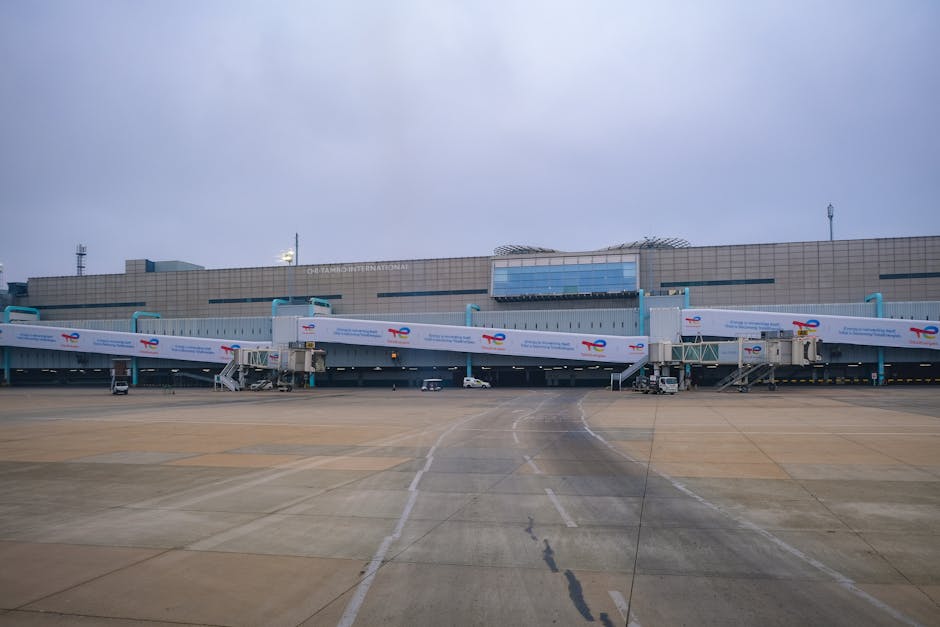
This is the single most common source of missed flights at Incheon, so let’s get it out of the way first. Incheon has two terminals that operate completely independently:
- Terminal 1 (T1): Used by most international carriers including Asiana Airlines, Delta, United, Lufthansa, Air France, and budget carriers like Jeju Air and Jin Air.
- Terminal 2 (T2): Exclusively used by Korean Air and its SkyTeam alliance partners — think Air France (when codesharing on KE), KLM, and China Southern.
- Inter-terminal transit: The free Airport Railroad Express (AREX) shuttle between T1 and T2 takes about 6 minutes, but factor in walking to the station, waiting, and walking out — budget 20–25 minutes minimum.
- The fix: Always confirm your terminal from your e-ticket or boarding pass, not from the airline’s general homepage. Korean Air departures = T2. Almost everything else = T1.
Google Maps, to its credit, does usually identify the correct terminal — but it assumes you’re already at the right one when giving gate directions. It won’t warn you mid-navigation that you’re walking toward the wrong building.
Getting There: AREX vs. Bus vs. Limousine Bus — With Real 2025 Pricing
Incheon is about 52km west of central Seoul, and getting there is genuinely well-organized once you know your options. Here’s a breakdown as of 2025:
- AREX Express Train (직통열차): Seoul Station to Incheon Airport in 43 minutes. Cost: ₩9,500 one-way (approximately $7 USD). Runs every 30–40 minutes from around 5:20am to 10:40pm. Best for travelers near Hongdae, City Hall, or Seoul Station areas.
- AREX All-Stop Train: Takes about 66 minutes but costs only ₩4,150. Stops include Gongdeok, Hongdae (Digital Media City), Gimpo Airport, and more. Great value if you’re not in a rush.
- Airport Limousine Bus (공항버스): These are premium coaches connecting Incheon directly to most major Seoul neighborhoods — Gangnam, Hongdae, Itaewon, Dongdaemun, etc. Fares range from ₩17,000–₩18,000 one-way. Journey time varies 70–100 minutes depending on traffic. Ideal if you have heavy luggage and no subway transfers.
- Taxi/Kakao T: Expect ₩65,000–₩85,000 from central Seoul, up to ₩100,000+ during peak hours. Kakao T (the Korean equivalent of Uber) is the safest and most transparent option — the app shows estimated fares before you book.
One nuance worth noting: if you’re flying out of T2 and you’re taking the AREX, make sure you board at the right station. The express train stops at both T1 and T2, in that order. Miss your stop and you’ll have a tense moment.
Departure Flow: What the Official Guides Don’t Emphasize Enough
The official Incheon Airport website (airport.kr) has solid maps and flight info, but the practical ground-level flow involves a few things first-timers consistently underestimate.
At Terminal 1, the check-in counters are divided into zones A through M. Korean airlines tend to cluster in zones F–G, while international carriers fan out across the rest. Self-check-in kiosks are widely available and genuinely work well — use them if your bag is under the weight limit and you want to skip the queue. Bag drop lines are separate and usually faster than full-service counters.
Security at T1 can get backed up between 7–10am and again around 5–8pm on weekdays. In 2025, Incheon introduced an expanded Smart Security lane using biometric scanning — it’s available in specific lanes near Zone D and Zone H, and it’s noticeably faster. Enrollment is voluntary and takes about 90 seconds at the kiosk before you queue.
At Terminal 2, the layout is more streamlined — fewer carriers, cleaner flow. Korean Air’s self-check-in machines are exceptionally fast, and the premium check-in area for Morning Calm and higher tiers is one of the better lounge experiences in Asia.
Arrivals: Where It Gets Complicated for First Timers
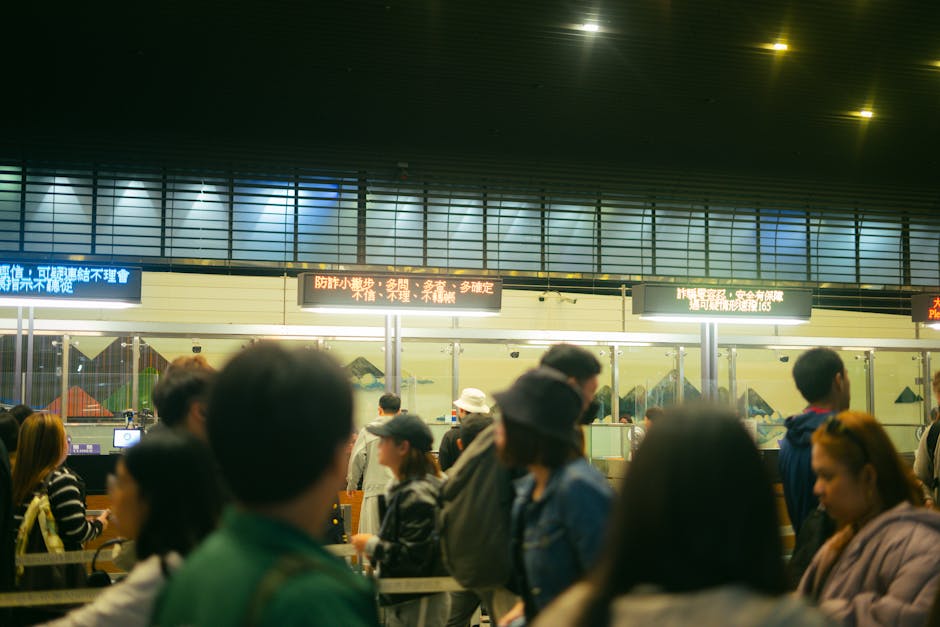
Arriving at Incheon is genuinely easy — the immigration lines have been significantly reduced since 2023 thanks to expanded automated e-gates. Korean nationals and many foreign nationals from countries with reciprocal agreements (including the US, EU countries, Japan, Australia) can use the smart gates without pre-registration as of 2025, cutting average passport control time from 20+ minutes to about 4–6 minutes during off-peak hours.
What to know after baggage claim:
- SIM card / pocket WiFi: Available immediately after customs exit at both T1 and T2. SK Telecom, KT, and LG U+ all have counters. A 10-day tourist SIM with unlimited data typically runs ₩33,000–₩45,000. Pre-booking online (via Klook or the carrier’s website) saves you ₩5,000–₩8,000 and skips the counter queue.
- T-money card: Buy one at the convenience store (GS25 or CU) in the arrivals hall — costs ₩4,000 for the card, then load whatever you need. Works on all Seoul subway lines, buses, and the AREX all-stop train.
- Currency exchange: Rates at the airport are noticeably worse than in Myeongdong or Hongdae. If you can survive on card payments for a day, exchange smaller amounts at the airport and get better rates in the city.
- Luggage storage: Available on B1 of both terminals — useful if you want to explore Seoul before checking into your hotel. Rates run ₩4,000–₩9,000 per bag per day depending on size.
Layover Strategy: What’s Actually Worth Your Time
If you have a layover of 3 hours or more, Incheon has genuinely impressive airside amenities — this isn’t an airport where you stare at a wall. In T1, the Culture Street on the 4th floor has a traditional Korean cultural center, a cinema, and several decent restaurant options. Prices are airport-inflated (expect to pay 30–40% more than city prices), but the jjigae and bibimbap at some of the Korean food counters are legitimately good.
For layovers of 6+ hours, Incheon runs a free Transit Tour program (pre-pandemic it was hugely popular; as of 2025 it’s back in full operation) that takes you on guided mini-tours of Incheon city or into Seoul. You’ll need to register at the Korea Tourism Organization counter in the transit zone. No visa required for most nationalities. The Seoul city tour runs about 5 hours and is genuinely worth it if you’ve never been.
Practical Checklist Before You Go
- Confirm terminal (T1 or T2) from your boarding pass, not just your airline name
- Arrive 3 hours before international departure if checking bags; 2 hours if carry-on only
- Download the Incheon Airport official app — real-time gate updates, wayfinding, and flight status
- If using AREX express, book tickets online at arex.or.kr for a slight discount and reserved seating
- Bring a portable charger — long-haul departure gates at T1 can have limited outlets
- Duty-free pickup: If you pre-ordered at Korean duty-free stores (Lotte, Shilla,신세계), collection counters are past security — don’t look for them in the main terminal building
The honest takeaway here is that Incheon is one of the genuinely well-run airports in the world, but “well-run” means the systems work efficiently when you use them correctly — and stumble badly when you don’t know the layout. The T1/T2 split is the real pitfall. Everything else, once you know it, is surprisingly smooth.
Travel tip from the community: If you’re traveling with a group or coordinating pickups, set your meeting point at the “Meeting Point” pillars in the arrivals hall (clearly marked in four languages) rather than trying to coordinate at the exit gates — the foot traffic near the exits is genuinely chaotic during peak arrival waves, and you’ll thank yourself for picking a fixed, obvious landmark instead.
📚 관련된 다른 글도 읽어 보세요
- Why My First Solar Quote Was Dead Wrong — Real 2025 Home Solar Panel Guide
- Why I Almost Quit Before It Clicked — Real 2025 Guide to Understanding {keyword}
- Why I Almost Quit After Day One — Real 2025 Guide to Starting Jiu Jitsu as a Complete Beginner
태그: Incheon Airport guide, ICN terminal tips, Seoul airport navigation, Korea travel 2025, AREX train Seoul, Incheon Terminal 1 vs 2, airport transit tips
Leave a Reply