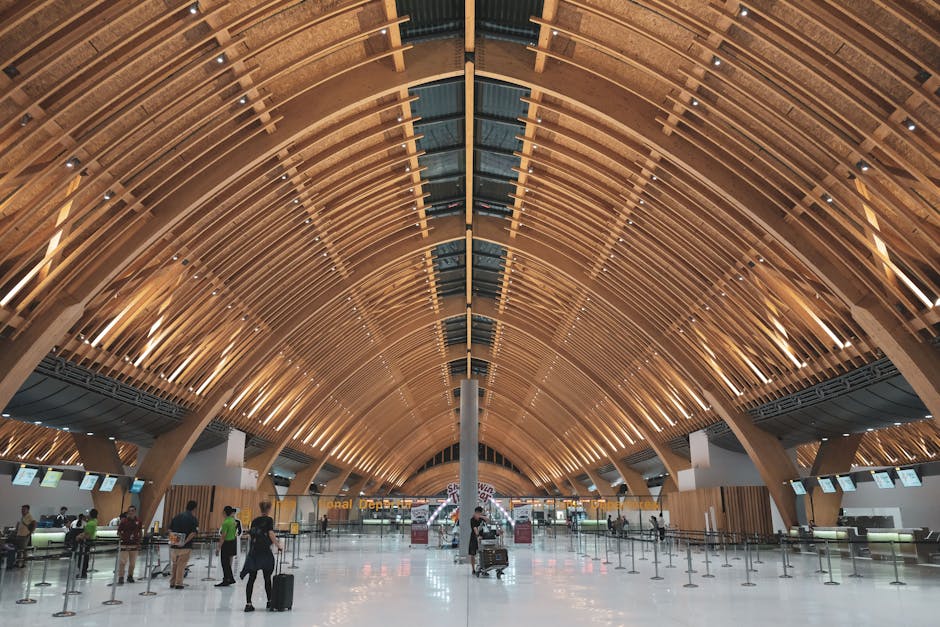
A friend of mine — seasoned traveler, been to 40+ countries — almost got turned away at NAIA Terminal 3 last February because he’d relied on a travel blog from three years ago for his Philippines entry requirements. The immigration officer asked for an onward ticket he hadn’t booked, and he spent 45 sweaty minutes at the airport ticketing counter sorting it out. That story stuck with me, and it’s exactly why I wanted to put together something genuinely current and practical for anyone planning a Philippines trip in 2025.
So let’s walk through this together — not as a brochure, but as the kind of briefing you’d want from someone who’s actually been there recently and paid attention to the details that matter.
Entry Requirements That Actually Apply in 2025
Here’s the thing a lot of outdated guides miss: the Philippines Bureau of Immigration has quietly tightened enforcement on a few key rules that were loosely applied during the post-pandemic recovery period. As of 2025, here’s what you realistically need at the border:
- Onward/Return Ticket: This is non-negotiable and actively checked. Immigration officers at NAIA, Mactan-Cebu, and Clark regularly ask for proof. A booking confirmation on your phone works, but have it ready — not buried in your email.
- Valid Passport: Must be valid for at least six months beyond your intended stay. This catches more travelers than you’d think, especially those on 10-year passports issued in their mid-30s.
- Visa-Free Access: Citizens from 157 countries get 30 days visa-free. This includes the US, UK, EU nations, Australia, Canada, and Japan. The full updated list is at immigration.gov.ph — worth a 2-minute check before you fly.
- Visa Extension: You can extend your stay at any Bureau of Immigration office. First extension adds 29 days and costs around ₱3,030 (~$52 USD). Additional extensions go up incrementally. The Intramuros BI office in Manila is your best bet for efficiency.
- eTravel Registration: The eTravel card (travel.gov.ph) replaced the old One Health Pass and is still required for all international arrivals. Takes about 5 minutes to fill out — do it within 72 hours of departure.
Getting Around: What the Cost Reality Looks Like
Let’s talk numbers, because this is where most budget estimates I’ve seen online fall apart. The Philippines is cheap — but only if you know where the friction points are.
Flights between islands: Cebu Pacific and AirAsia still dominate domestic routes. A Manila–Cebu ticket booked 3–4 weeks out runs ₱800–₱1,800 (~$14–$31). Book within a week of travel and that same seat is ₱3,500–₱5,000. Philippine Airlines is more consistent in pricing but runs 40–60% higher on average. The sweet spot for booking domestic hops is 3–6 weeks ahead.
Ferry travel: 2GO Travel and FastCat are the main operators for inter-island ferries. Manila to Cebu by ferry (21 hours) in a standard cabin runs about ₱1,800–₱2,500. It’s slow, but if you’re island-hopping through Visayas, combining a flight one way and a ferry return is a genuinely practical strategy.
Ground transport in cities: Grab (the regional Uber equivalent) works well in Manila, Cebu, and Davao. Budget ₱120–₱200 for most city-center trips in Manila. Jeepneys are ₱13 base fare (recently updated from ₱12) but routes are confusing for first-timers. The EDSA Carousel bus in Manila is a legitimate option for the airport-to-Makati corridor at ₱163 flat.
Where to Stay: Honest Tier Breakdown
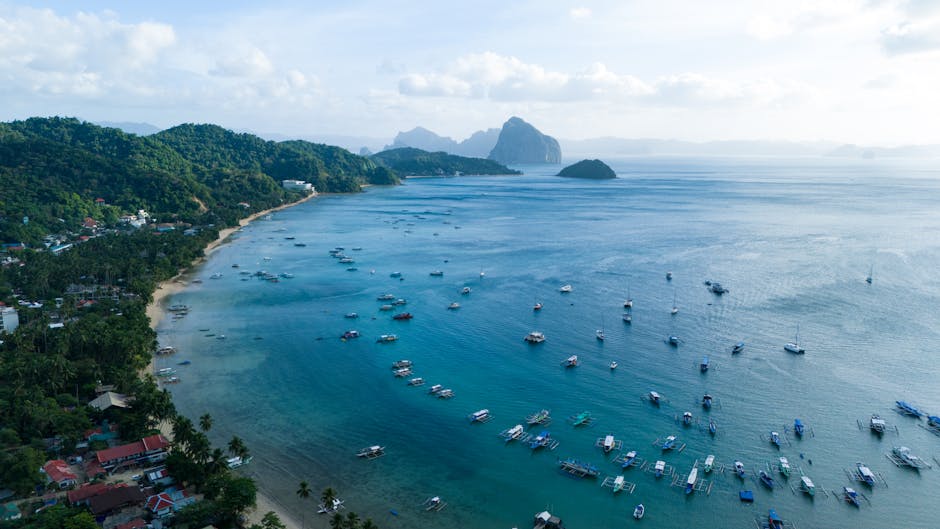
The accommodation market in 2025 has bifurcated pretty sharply. Mid-range inventory (the ₱2,000–₱4,000/night bracket that used to be reliable) has shrunk in key tourist areas like Boracay, El Nido, and Siargao as properties either upgraded to boutique status or declined into budget territory. Here’s a realistic framework:
- Budget (under ₱1,500/night): Hostels in Manila’s Makati/BGC area, family guesthouses in provincial towns. Cleanliness is hit or miss. Check recent reviews on Agoda — it tends to have better Philippines-specific inventory than Booking.com for this tier.
- Mid-range (₱2,500–₱6,000/night): This is your sweet spot for comfort. In El Nido, properties like Spin Designer Hostel (don’t let the name fool you — it has solid private rooms) and mid-tier resorts around Corong-Corong Beach offer genuine value. In Cebu City, the IT Park area has good business hotels at this price.
- Splurge (₱8,000+/night): El Nido Resorts (Pangulasian or Lagen Island) are genuinely world-class but run $250–$450/night. Amanpulo in Palawan is the ceiling at $800+. These are genuinely different experiences — not just marginally better beds.
The Routes That Actually Work in 2025
Here’s where I want to push back on the “classic” 3-week itinerary you’ll see on every travel site. The Manila–Palawan–Boracay circuit is great, but it’s also peak-crowded and peak-priced. Let me offer some alternatives based on what’s working well right now:
The Visayas Loop (10–14 days): Fly into Cebu, take a ferry to Bohol (1.5 hrs, ₱500), then ferry to Siquijor (2 hrs, ₱350), back to Cebu, and fly out. You hit the Chocolate Hills, firefly watching on the Loboc River, and Siquijor’s genuinely uncrowded beaches — all without setting foot in an overbooked resort town.
The Siargao Extended Stay: Siargao still draws surfers but has diversified well. Cloud 9 is the famous break (best September–November for swells), but even non-surfers find General Luna town genuinely pleasant. Budget ₱1,200–₱2,000/night for a room with AC and you can live comfortably for ₱1,500/day total including food and scooter rental (₱500–₱600/day).
Off-season strategy: June–September is technically typhoon season, but Cebu, Bohol, and eastern Mindanao (including Siargao, counterintuitively) are statistically drier during this period due to their geography. Hotel rates drop 25–40%, flights are cheaper, and tourist crowds thin dramatically. If your schedule is flexible, this window is genuinely underrated.
Money, SIM Cards, and the Practical Layer
A few specifics that’ll save you real headaches:
- Currency: Philippine Peso (₱). As of mid-2025, roughly ₱58–₱60 to $1 USD. ATMs are reliable in cities but scarce in remote islands — carry cash when heading to places like Batanes or the Calamian Islands.
- SIM Cards: Get a DITO or Globe SIM at the airport arrivals area. DITO has been genuinely competitive in 2025 — ₱299 for 30 days with 30GB data. Globe’s GoSURF299 is similar. Both work fine in major tourist areas; signal drops in mountainous or remote island interiors regardless of carrier.
- Cashless payments: GCash (local e-wallet) is surprisingly useful even for tourists — you can load it via international card and use it at 7-Eleven, many restaurants, and for Grab payments. Worth setting up if you’re staying more than a week.
- Health considerations: Dengue remains endemic. Use DEET-based repellent, especially at dawn and dusk. Tap water is not safe to drink anywhere — budget ₱20–₱40/day for bottled water or use a Steripen if you’re environmentally conscious about plastic.
What Most Guides Don’t Tell You About Filipino Travel Culture
Beyond logistics, there’s a social layer that makes Philippines travel distinctly different from, say, Thailand or Bali. Filipinos are genuinely warm and helpful to strangers — but there are a few unwritten codes worth knowing. Bargaining is expected at markets but considered rude in established restaurants and shops with posted prices. “Filipino time” is real — social events and some tour departures run 30–60 minutes late, so build buffer into your schedule. And if a local invites you to eat with their family, say yes. That experience will be the one you talk about for years.
Tipping: 10% is standard at restaurants that don’t include a service charge (many do — check the bill). Tour guides, drivers, and hotel staff appreciate ₱100–₱200 for good service. It’s not mandatory but culturally meaningful.
One last thought before you pack: The Philippines rewards flexibility more than almost any other destination I know. Missed a ferry? You’ll probably end up at a beach you hadn’t planned to visit. Rained out of a tour? The family running your guesthouse will almost certainly cook you something memorable instead. The infrastructure gaps that frustrate rigid itinerary-followers are the same gaps that create the most memorable moments. Come with your logistics buttoned up, but hold your plans loosely — that combination gets you the best version of this place.
📚 관련된 다른 글도 읽어 보세요
- Full-Stack Framework Trends 2026: What Every Engineer Should Actually Be Building With Right Now
- Industrial IoT & PLC Integration: A Practicing Engineer’s Guide to Building Smart Automation in 2026
- PLC SCADA Integration System Architecture Strategy 2026: A Field Engineer’s Complete Playbook
태그: []
Leave a Reply