A friend of mine — let’s call him Marcus — texted me last spring, absolutely buzzing. He’d thrown $800 into a penny stock he found on a Reddit thread, and in 48 hours it was up 140%. He cashed out, made a quick $1,100 profit, and immediately reinvested everything into the next hot ticker he found on the same thread. You can probably guess where this story goes. Three months later, he was down $2,300 from his original account. The wins felt enormous. The losses were quiet, slow, and devastating.
That’s the penny stock trap in a nutshell — and it’s exactly why I want to dig into this honestly with you today. Not to scare you off, but to give you the map Marcus never had.
What Actually Are Penny Stocks? (And Why the Definition Matters)
In 2025, the SEC formally defines penny stocks as shares trading below $5 per share — not just the ultra-cheap sub-$1 stuff you see on OTC markets. That distinction matters enormously, because it determines what disclosure protections apply to you as a buyer.
Penny stocks typically trade on one of three venues:
- OTC Markets (Pink Sheets / OTC Bulletin Board): Minimal reporting requirements. Companies here are NOT required to file with the SEC in most cases. High manipulation risk.
- OTC QB (OTCQB Venture Market): Slightly stricter — requires annual SEC certification and a minimum bid price of $0.01. Still speculative.
- OTCQX Best Market: Highest OTC tier. Some legitimate foreign companies list here. Comparatively lower fraud risk, but still not NYSE/NASDAQ.
- NYSE American / Nasdaq Small Cap: These do have listing standards, but stocks that fall below $1 for extended periods face delisting — meaning they can slip from “legit” to “OTC” status fast.
The reason the venue matters: when a stock is on the Pink Sheets with zero SEC filings, you genuinely cannot verify whether the revenue numbers a company claims are real. I’m not being dramatic — the information simply doesn’t exist in audited form.
The Real Numbers Behind Penny Stock Returns (And Losses)
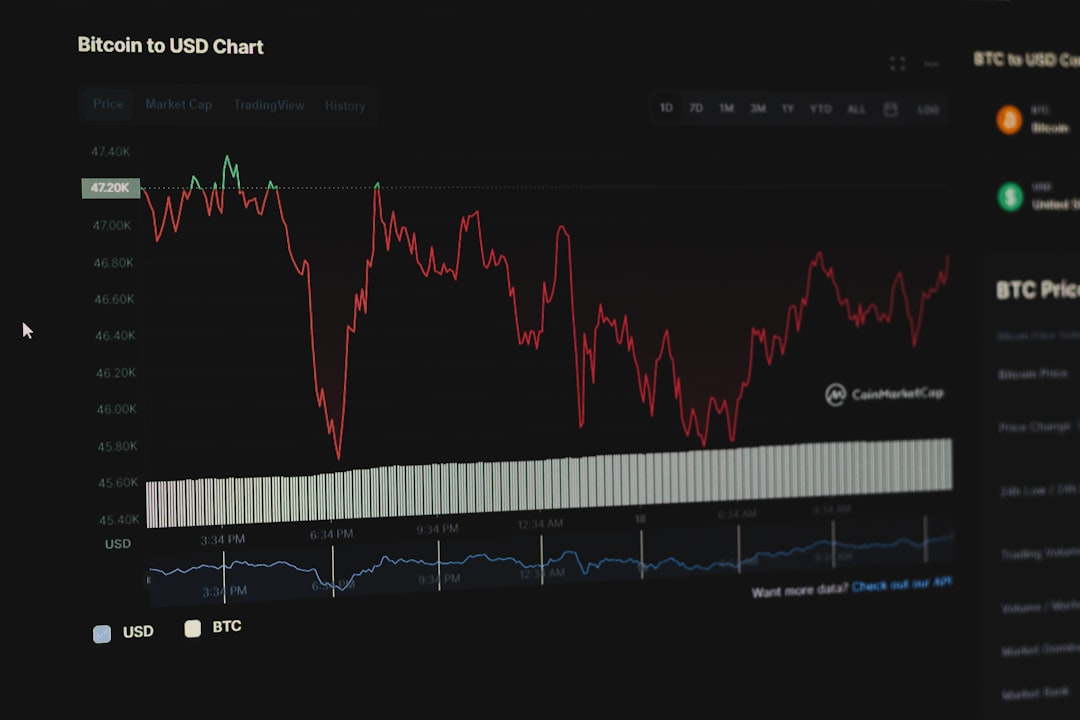
Let’s be brutally honest with data. A 2023 academic study published in the Journal of Financial Economics analyzing over 2 million OTC penny stock trades found that approximately 73% of retail traders lost money in penny stocks over a 12-month horizon. The median loss per retail participant was around -38% of invested capital.
Compare that to the S&P 500’s annualized return of roughly +24.2% in 2023 and an expected long-run average of ~10% — and you start to see the opportunity cost calculation isn’t even close for most people.
Now, the bulls will point to the wins. Yes, there are documented cases:
- NVAX (Novavax) went from ~$4 in early 2020 to over $330 by February 2021 — that’s an 8,150% gain. But it also crashed back to under $10 by 2022. Timing was everything, and most retail buyers who piled in late lost badly.
- AMC Entertainment went from $2 to $72 in the 2021 meme stock frenzy. The vast majority of retail buyers who bought above $20 are still underwater in 2025.
- Legitimate multi-baggers exist — but survivorship bias makes them look more common than they are. For every 10-bagger, there are roughly 200 stocks that went to zero quietly.
The specific condition under which losses happen: when you buy on momentum after a stock has already moved 50%+ in a single day. This is the moment most beginners enter, and it’s almost always the local peak of a pump. The people who profit are the ones who bought days or weeks earlier — often including the promoters themselves.
The Anatomy of a Penny Stock Pump-and-Dump (So You Can Spot It)
This is the part that protects you most. Here’s the typical timeline of a pump-and-dump scheme, which the SEC estimates accounts for a significant portion of unusual penny stock activity:
- Days 1-7 (Accumulation): Operators quietly buy large positions in a thinly traded stock. Volume is low, price barely moves.
- Days 8-10 (Hype Campaign Launch): Mass emails, Discord/Reddit posts, paid “stock alerts” newsletters, and sometimes fake news articles begin circulating. Language is always superlative: “next Tesla,” “100x potential,” “institutional buying imminent.”
- Days 11-13 (The Spike): Retail FOMO buyers flood in. Volume explodes — sometimes 10x-50x average daily volume. Price spikes 100-400%. This is when most beginners see the stock and buy.
- Day 14+ (The Dump): Original operators sell into the buying frenzy. Price collapses 60-80% within days. Retail holders are trapped at the top.
Red flags in real-time: unsolicited stock tips via email or social DM, stocks with under 500K average daily volume suddenly trading 20M+ shares, and companies whose “press releases” reference vague partnerships with no named counterparty.
When Penny Stocks Actually Make Sense (Conditional Framework)
Here’s where I want to be fair — because a blanket “never touch penny stocks” isn’t realistic or useful advice.
If your situation is A (complete beginner, under $5,000 total investment capital): Avoid penny stocks entirely. The volatility will likely trigger emotional decisions, and the position sizes required to make meaningful gains will expose you to catastrophic loss. Index ETFs like VTI or SCHB are genuinely better vehicles while you build your knowledge base.
If your situation is B (intermediate trader, $20,000+ portfolio, have already studied technical analysis): Allocate a maximum of 5% of your portfolio as a dedicated “high-risk speculation” bucket. Treat every penny stock position as if it will go to zero — because statistically, it might. Set hard stop-losses at -15% and honor them without exception.
If your situation is C (experienced trader with sector expertise — biotech, mining, cannabis, etc.): Pre-FDA-approval biotech microcaps and junior mining stocks during resource cycles can generate legitimate asymmetric returns — but only if you can read clinical trial data or geological reports and assess actual catalysts independently. Relying on tips doesn’t qualify.

Tools and Resources That Actually Help in 2025
If you’re going to engage with this space at all, here’s what serious traders are actually using:
- SEC EDGAR (edgar.sec.gov): Free. Check whether a company has filed 10-K, 10-Q reports. If they haven’t, walk away immediately.
- OTC Markets Website (otcmarkets.com): Shows which tier a stock trades in, and flags companies as “Dark” (no current disclosure) — a major red flag.
- Finviz.com Screener: Filter by price under $5, volume over 500K, and float under 50M to find legitimately active small-caps with enough liquidity to exit.
- SEC Litigation Releases: Regularly updated list of companies and individuals charged with securities fraud. Search a company name here before investing.
- Benzinga Pro / Unusual Whales: Real-time news and options flow data. If institutional money is moving into a micro-cap through options, that’s a different signal than a Reddit post.
The Tax Reality Nobody Mentions
One more angle worth considering in 2025: short-term capital gains on penny stocks (positions held under one year) are taxed as ordinary income — meaning if you’re in the 22% federal bracket, you keep only $0.78 of every $1.00 won. Losses can offset gains, but only up to $3,000 per year against ordinary income if you have net capital losses. This math makes the already-difficult win-rate requirements even harder to sustain profitably.
Compare this to long-term ETF investing where qualified dividends and long-term gains are taxed at 0-20% depending on your bracket. The structural tax disadvantage of active penny stock trading is rarely factored into people’s excitement about a 200% gain.
Realistic Alternatives That Offer Growth Without the Minefield
If what you’re truly after is high-growth potential without the fraud risk, here are some vehicles that actually deliver asymmetric upside with better structural protections:
- Small-cap ETFs (IJR, VBR): Diversified exposure to hundreds of small companies. One blows up, you barely notice.
- ARK Innovation ETF (ARKK): High-volatility, high-conviction thematic investing. Controversial, but transparent holdings and no fraud risk.
- Individual small-cap Nasdaq stocks under $10: Same low price point as penny stocks, but with SEC filings, audited financials, and analyst coverage. Examples in 2025 include emerging AI infrastructure and biotech names with Phase 3 data.
- Crowdfunding equity platforms (Republic, StartEngine): Regulated under Regulation Crowdfunding. You’re investing in early-stage private companies with actual legal disclosure documents.
The point isn’t that you can’t seek high returns — it’s that the tools you use to seek them should give you a fighting chance of actually evaluating what you’re buying.
Marcus eventually recovered by putting his remaining capital into a diversified small-cap ETF and, separately, spending six months paper-trading individual stocks before risking real money again. Last I heard, he’s up 31% on the year — slower than his early penny stock win, but sustainable and built on something real.
Editor’s note: If you’re genuinely curious about penny stocks, the best first move is spending 30 days reading 10-K filings of companies you find interesting before you ever buy a single share. That friction alone will filter out 90% of the bad plays — and make the good ones much easier to spot when they show up.
📚 관련된 다른 글도 읽어 보세요
- Edge Computing Meets Full-Stack Web Dev in 2026: A Practicing Engineer’s Field Guide
- 공식 문서에 속지 마라: Node.js vs Bun 실전 벤치마크로 드러난 충격적 수치 2026
- 공식 문서에 속지 마라: 서버리스 아키텍처 풀스택 개발 적용법 2026 실전 가이드
태그: []
Leave a Reply