A few months back, a friend of mine spent nearly two weeks cranking out blog posts, each one carefully written, well-structured, and honestly pretty good reads. Zero traffic. We sat down over coffee and dug into her setup — and the culprit was painfully obvious once we saw it: she’d skipped meaningful keyword research entirely, leaning instead on gut feeling and vague topic ideas. Sound familiar?
That conversation sent me down a rabbit hole of re-examining everything I thought I knew about keyword research, and what I found was equal parts surprising and genuinely actionable. Let’s dig in together.
The Core Problem: Vanity Metrics vs. Intent-Driven Volume
Most beginners (and honestly, plenty of intermediates) chase monthly search volume like it’s the holy grail. A keyword showing 50,000 searches/month looks irresistible — until you notice the keyword difficulty (KD) is sitting at 87/100 on Ahrefs, meaning you’re essentially fighting Forbes, HubSpot, and Wikipedia for page one. That’s not a content strategy; that’s wishful thinking.
What actually moves the needle in 2025 is a framework built around search intent alignment combined with realistic KD thresholds. Here’s a breakdown of the sweet spot most mid-sized blogs can realistically target:
- Monthly Volume: 500–5,000 (low competition, high specificity)
- Keyword Difficulty: Under 35 on Ahrefs or under 40 on Semrush for newer domains
- Intent Match: Informational for awareness, commercial for mid-funnel, transactional for conversion posts
- CPC Indicator: Even if you’re not running ads, a CPC above $1.50 signals commercial value — advertisers don’t bid on worthless queries
- SERP Feature Presence: Featured snippets, People Also Ask boxes = opportunities to own real estate without ranking #1
What the Data Actually Shows in 2025
Semrush’s State of Search Content report (published earlier this year) highlighted a critical shift: long-tail keywords (4+ words) now account for roughly 70% of all search queries, yet most content strategies still overweight head terms. Meanwhile, Google’s continued rollout of AI Overviews (formerly SGE) is reshaping which queries get organic clicks at all — informational queries with clear, factual answers are increasingly absorbed by AI summaries, while nuanced, experience-based content is seeing stronger click-through rates.
This means the old “write a 1,500-word intro post on [broad topic]” play is genuinely losing ground. What’s gaining traction? Hyper-specific, experience-backed content targeting queries like “how to fix [specific error] in [specific tool] without losing data” — the kind of search where the user has already tried three generic solutions and is desperate for something real.
Tools That Actually Deliver (With Honest Limitations)
Let’s talk tools, because this is where a lot of conflicting advice lives. Here’s an honest breakdown based on hands-on use:
- Ahrefs: Best-in-class backlink data and KD scoring. Keyword Explorer is excellent for gap analysis. Downside: starts at $129/month — hard to justify for solo bloggers just starting out.
- Semrush: Stronger for competitive research and topic clusters. Their Keyword Magic Tool surfaces long-tail variations efficiently. Also pricey at $139.95/month for the Pro tier.
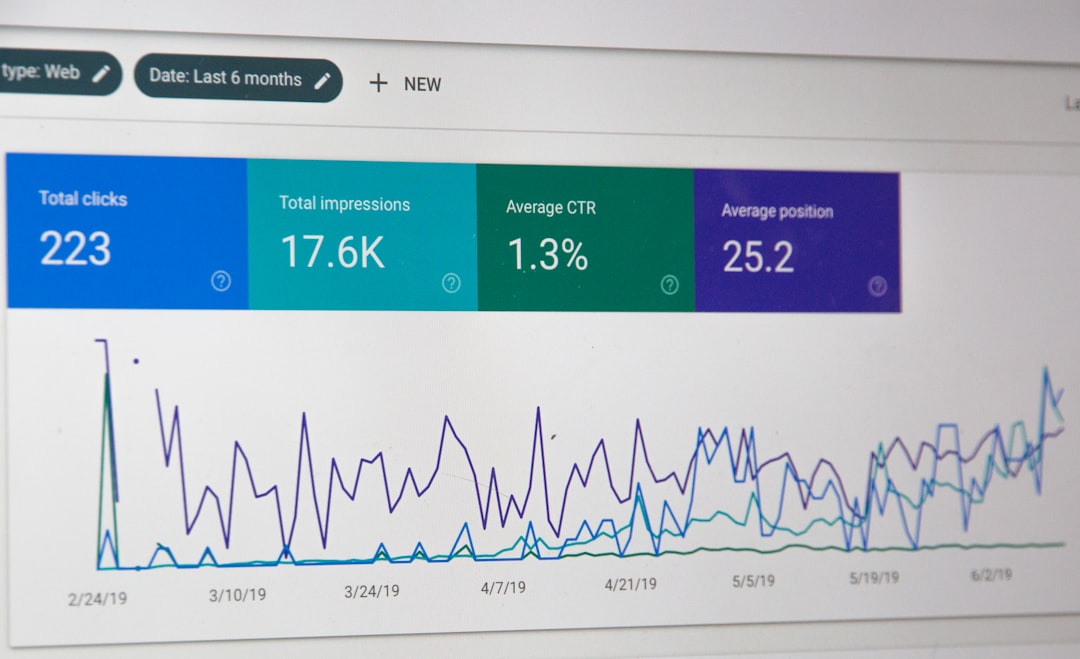
- Google Search Console (Free): Criminally underused. Your actual impression and click data is gold — filter by queries with high impressions but low CTR and you’ve got a ready-made optimization list.
- Keywords Everywhere (Browser Extension): $10 credit-based model. Surprisingly useful for quick volume checks while browsing SERPs naturally.
- AnswerThePublic: Great for surfacing question-based queries. Owned by NP Digital now, free tier is limited but useful for ideation sprints.

Real-World Case: How One Niche Site Tripled Traffic in 4 Months
A case study worth referencing here comes from the Niche Pursuits community (nichepursuits.com), where site owner case studies are documented with actual GA4 data. One creator in the home improvement niche shifted from targeting “best cordless drills” (KD: 72) to a cluster of queries like “cordless drill keeps stopping mid-use fix”, “why does my drill bit slip”, and “how to drill into concrete without a hammer drill” — all with KD scores under 28 and combined monthly volume around 8,400.
The result over 16 weeks: organic sessions went from roughly 2,100/month to 6,800/month. No link-building campaign. No viral social push. Just better keyword targeting aligned to actual user problems at specific stages of frustration.
The Clustering Strategy That Changes the Game
Rather than treating each keyword as an isolated post, the approach gaining the most traction in 2025 is topical authority through keyword clustering. Here’s the simplified version of how it works:
- Pick a core “pillar” topic (e.g., “home network setup”)
- Use a tool like Semrush’s Topic Research or Ahrefs’ Content Gap to find 15–25 related subtopics
- Group them by intent: beginner explainers, troubleshooting guides, product comparisons, step-by-step tutorials
- Build internal linking between all cluster posts pointing back to the pillar page
- Publish at a pace that signals active authority (3–5 cluster posts per pillar before moving on)
Google’s Quality Rater Guidelines emphasize E-E-A-T (Experience, Expertise, Authoritativeness, Trustworthiness) — and topical clusters directly support the “Authoritativeness” dimension by demonstrating comprehensive coverage of a subject area rather than isolated posts that look like content spray.
What to Avoid Right Now
A few patterns that are actively hurting rankings in 2025 based on documented algorithm behavior post-March core updates:
- Keyword stuffing disguised as “natural density”: If you’re manually hitting a 1.5% keyword density target, stop. Google’s natural language understanding has long moved past counting instances.
- Targeting AI Overview queries with thin content: If a query is getting absorbed by Google’s AI summary, your 600-word generic answer isn’t competing — it’s invisible.
- Ignoring seasonal intent shifts: A keyword’s intent can change by month. “Best heaters” in July is a hobbyist query; in October it’s urgent purchase intent. Your content angle needs to match.
The fix isn’t always a new post — sometimes it’s refreshing existing content with current data, adding a genuine first-person experience element, or restructuring to directly answer the query in the first 100 words.
If you’re just getting started and the tool costs feel prohibitive, honestly? Start with Google Search Console plus the free tier of Keywords Everywhere, master those two, and reinvest in Ahrefs or Semrush once your site is generating at least modest ad or affiliate revenue. There’s no shame in scaling your tooling with your actual results.
Bottom line from someone who’s been in the trenches: Keyword research in 2025 isn’t about finding the magic high-volume term — it’s about finding the intersection of real user frustration, realistic competition, and content you can actually write with genuine depth. Get that intersection right, and the traffic follows. Get it wrong, and even technically perfect posts disappear into the void. Start small, stay specific, and let the data guide your next move rather than your gut.
📚 관련된 다른 글도 읽어 보세요
- 2026년 그냥 사면 후회하는 가성비 싱글몰트 위스키 Top 3 — 돈 버리기 전에 읽어라
- Why I Almost Gave Up on Verizon — And What Fixed It in 2025
- 어릴때 이것 키워주지 않으면 후회해도 소용없어요. — 2026년 수학 사고력, 지금 시작 안 하면 진짜 늦습니다
태그: []
Leave a Reply