Category: Uncategorized

  • PLC Cybersecurity Vulnerabilities in 2026: How to Protect Your Industrial Control Systems Before It’s Too Late

    Picture this: it’s a Tuesday morning at a water treatment facility in the Midwest. Operators arrive to find the facility’s Programmable Logic Controllers (PLCs) behaving erratically — chemical dosing levels are spiking, pressure valves are cycling at odd intervals, and no one touched a single button. Sound like a thriller? It happened. And in 2026, with industrial networks more connected than ever, it’s not just possible — it’s becoming disturbingly routine.

    If you manage, operate, or simply care about industrial infrastructure, let’s think through this together. PLCs are the unsung workhorses of modern industry — they quietly run water treatment plants, power grids, manufacturing lines, and oil pipelines. For decades, their security was almost an afterthought because they lived in “air-gapped” environments, physically isolated from the internet. But that world is long gone.
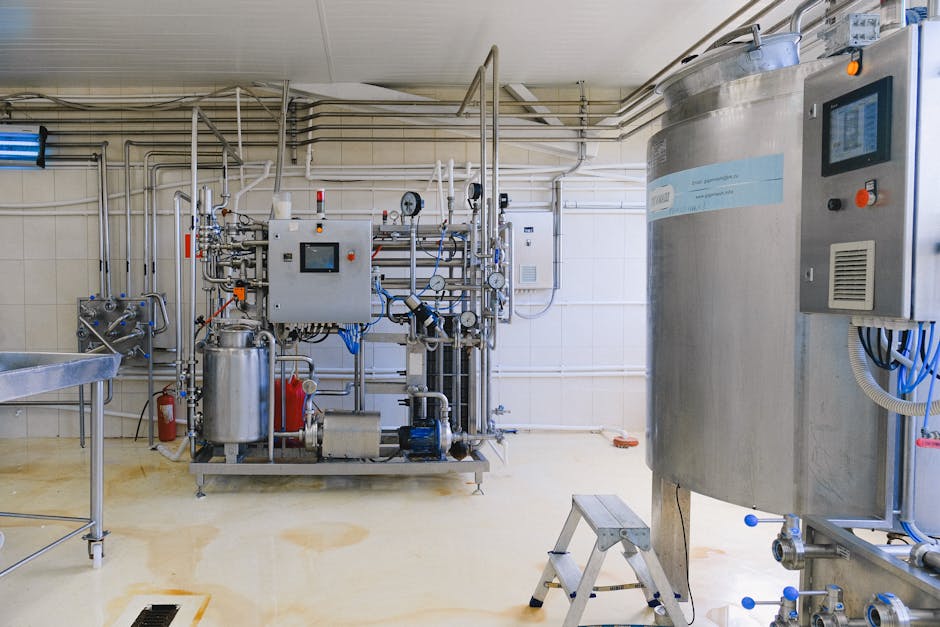
    industrial control system PLC cybersecurity threat visualization factory floor

    What Makes PLCs So Vulnerable in the First Place?

    To understand the risk, let’s start with what a PLC actually is. A Programmable Logic Controller is a ruggedized digital computer designed to automate electromechanical processes. Unlike your laptop, it wasn’t designed with cybersecurity in mind — it was designed for reliability and uptime. That design philosophy is exactly what makes it a juicy target.

    Here’s the core problem stack, logically reasoned out:

    • Legacy firmware, no patch culture: Many PLCs in active use today were manufactured in the early 2000s or even the 1990s. Vendors may no longer provide firmware updates, and even when patches exist, plant operators are reluctant to apply them because downtime is expensive.
    • Flat network architecture: Historically, OT (Operational Technology) networks weren’t segmented from IT networks. When IT got breached, attackers could pivot directly to PLCs.
    • Weak or default authentication: A shocking number of PLCs still ship with default credentials or support no authentication at all on their programming interfaces (like Modbus, DNP3, or EtherNet/IP).
    • Lack of encryption: Many industrial protocols transmit commands in plaintext. An attacker on the same network can read, replay, or modify commands trivially.
    • Remote access expansion: Post-2020, remote monitoring exploded. More VPN tunnels and cloud-connected HMIs (Human-Machine Interfaces) opened new attack surfaces that weren’t there before.
    • Supply chain risks: Third-party integrators and vendor remote-access sessions are frequent entry points, as many don’t follow strict access controls.

    The Numbers Don’t Lie: How Big Is This Problem in 2026?

    Let’s anchor this in data. According to Claroty’s 2025 State of OT Security Report (published late 2025), over 70% of industrial sites have at least one internet-facing OT device, and more than half of those have known unpatched vulnerabilities rated “high” or “critical” on the CVSS scale. Dragos, a leading ICS security firm, tracked 21 distinct threat groups actively targeting industrial control systems in their 2025 annual review — up from 16 the previous year.

    The ICS-CERT (now part of CISA) issued over 300 ICS vulnerability advisories in 2025 alone. The average time from vulnerability disclosure to active exploitation in OT environments? About 18 days. Meanwhile, the average patch cycle in industrial environments? Often 12 to 24 months — if patching happens at all.

    That gap is where attackers live.

    Real-World Incidents: Lessons From the Field

    Let’s look at some concrete cases that illustrate what’s really at stake:

    The Oldsmar Water Treatment Incident (Florida, USA) — Though this occurred in 2021, its ripple effects are still shaping policy in 2026. An attacker remotely accessed the facility’s HMI via TeamViewer and attempted to raise sodium hydroxide levels to 111 times the safe limit. A sharp-eyed operator caught it. Not every facility is that lucky, and not every attack is that obvious.

    Industroyer2 / Ukraine Power Grid Attacks — The Sandworm group’s use of the Industroyer2 malware specifically targeted Siemens and other PLCs managing Ukraine’s power distribution infrastructure. What’s chilling is how targeted it was — the malware was written to communicate directly in industrial protocols like IEC 104. This wasn’t spray-and-pray ransomware; it was surgical.

    CISA’s 2025 Advisory on Unitronics PLCs — In late 2024 and into 2025, CISA issued multiple advisories after Iranian-linked threat actors (CyberAv3ngers) were confirmed to have compromised Unitronics Vision PLCs used in U.S. water and wastewater systems. The attack vector? Default credentials over internet-exposed interfaces. Shockingly basic. Devastatingly effective.

    South Korean Smart Factory Compromise (2025) — A mid-sized automotive parts manufacturer in Ulsan, South Korea experienced a ransomware attack that propagated from IT systems into the OT network, locking PLC programming workstations and halting production for 11 days. Insurance covered some losses, but the reputational damage with their Tier-1 automotive client was lasting. The Korean Internet & Security Agency (KISA) used this as a centerpiece case study in updated ICS security guidelines released in early 2026.
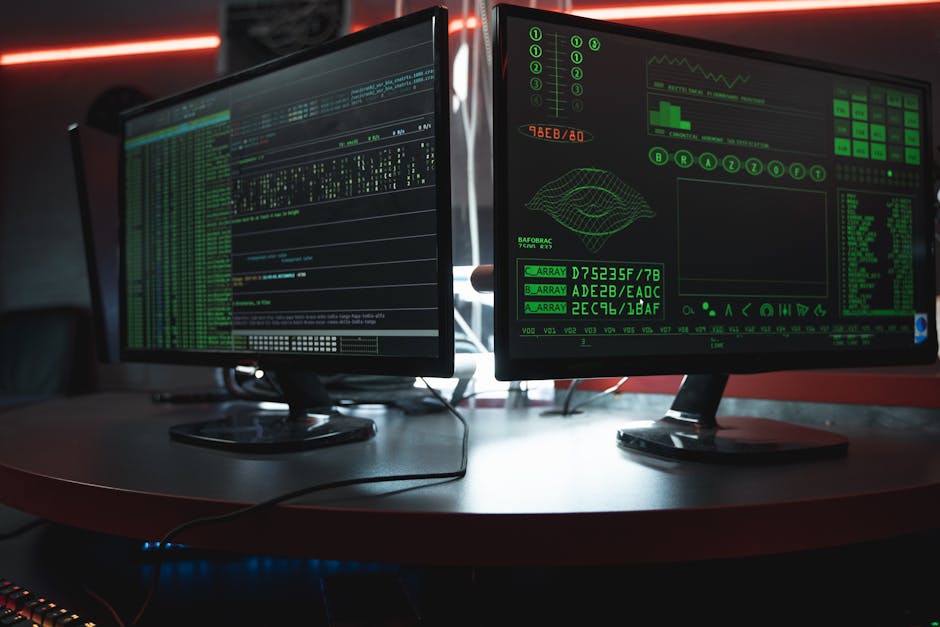
    PLC programming interface cybersecurity network segmentation industrial

    So What Can Actually Be Done? Realistic Protection Strategies

    Here’s where I want to be practical with you, because a lot of cybersecurity advice for ICS sounds great in a boardroom but falls apart on the plant floor. Let’s think through what’s realistic at different resource levels.

    If you’re a small-to-mid operation with limited budget:

    • Start with network visibility. You can’t protect what you can’t see. Tools like Nozomi Networks Guardian, Claroty, or even open-source options like Zeek (Bro) with ICS plugins can passively monitor OT traffic without disrupting operations.
    • Change default credentials immediately on every PLC, HMI, and industrial switch. This costs nothing and eliminates the easiest attack vector.
    • Segment your network. Even a basic DMZ (Demilitarized Zone) between your corporate IT and OT network dramatically limits lateral movement.
    • Audit remote access. Disable any remote access solution (RDP, TeamViewer, VNC) that isn’t actively needed. For vendor access, use time-limited, monitored sessions only.
    • Follow CISA’s free ICS security guidance — their “Cross-Sector Cybersecurity Performance Goals” document is practical and free.

    If you’re a larger enterprise or critical infrastructure operator:

    • Implement IEC 62443, the international standard specifically for industrial cybersecurity. Think of it as ISO 27001 but built for OT environments. It provides a zone-and-conduit model that’s genuinely effective.
    • Invest in OT-specific SOC (Security Operations Center) capabilities. Generic IT SOCs often lack the industrial protocol expertise to detect anomalies in Modbus or PROFINET traffic.
    • Conduct regular red team exercises that specifically target ICS environments — not just IT perimeters. Firms like Dragos, Claroty, and Nozomi all offer OT-specific threat simulation.
    • Develop and drill an OT-specific incident response plan. The response to a PLC compromise is fundamentally different from a ransomware hit on your email server — manual overrides, fail-safes, and physical safety checks must be part of the playbook.
    • Engage with sector-specific ISACs (Information Sharing and Analysis Centers) — the Water ISAC, E-ISAC for energy, and Auto-ISAC for automotive all share threat intelligence that’s directly relevant to ICS environments.

    The Human Factor: Often the Biggest Vulnerability

    No conversation about ICS security is complete without addressing people. Engineers who program PLCs are brilliant at automation — they may not think like attackers. A maintenance contractor who plugs a personal USB drive into a programming workstation to grab a ladder logic file is a massive risk vector, and it happens constantly. In 2026, with OT/IT convergence accelerating, bridging the cultural gap between IT security teams and OT engineers isn’t optional anymore — it’s existential.

    Cross-training programs, tabletop exercises that include both teams, and clearly defined ownership of OT security responsibilities go further than any single technical control.

    Looking Ahead: Regulation Is Catching Up

    Regulatory pressure is also mounting. The EU’s NIS2 Directive (effective 2024) explicitly covers OT environments in critical sectors. In the U.S., the Biden-era executive orders on critical infrastructure cybersecurity have been largely maintained and expanded, with CISA issuing binding operational directives that now include OT systems for federal agencies. South Korea’s revised Act on the Protection of Information and Communications Infrastructure in 2025 added mandatory ICS security assessments for nationally critical facilities. The direction is clear: voluntary best-practice guidance is giving way to enforceable standards.

    If your organization hasn’t started this journey, the regulatory clock is ticking alongside the threat clock.

    The bottom line? PLC security isn’t a niche IT problem anymore — it’s a business continuity, public safety, and national security issue rolled into one. The good news is that unlike some cybersecurity challenges, many of the highest-impact protections are straightforward: visibility, credential hygiene, network segmentation, and trained people. You don’t need a $10 million budget to meaningfully reduce your risk. You need intention, prioritization, and a willingness to treat your shop floor with the same security rigor as your server room.

    Editor’s Comment : What strikes me most about ICS cybersecurity in 2026 is the asymmetry of the problem — attackers only need to find one unlocked door, while defenders have to secure every door, window, and vent in a building that was never designed to be locked. That’s a tough hand to play, but it’s not unplayable. The organizations winning this aren’t necessarily the ones with the biggest budgets; they’re the ones that took the threat seriously before an incident forced their hand. Don’t wait for your Tuesday morning crisis.

    태그: [‘PLC cybersecurity’, ‘industrial control system security’, ‘ICS OT security 2026’, ‘SCADA vulnerabilities’, ‘critical infrastructure protection’, ‘IEC 62443’, ‘operational technology security’]

  • PLC 사이버보안 취약점 완전 분석: 2026년 산업 제어 시스템(ICS)을 지키는 현실적인 방법

    몇 해 전, 한 중견 자동차 부품 제조업체의 생산 라인이 갑자기 멈춰버린 사건이 있었습니다. 처음에는 단순한 기계 오작동이라고 생각했지만, 사후 조사 결과는 충격적이었어요. 공장 네트워크에 연결된 PLC(Programmable Logic Controller)가 외부 해커에 의해 침투당했고, 래더 다이어그램(Ladder Diagram) 로직이 무단으로 변경되어 있었습니다. 생산 차질로 인한 피해액만 수억 원에 달했죠. 이 이야기가 남의 얘기처럼 들리시나요? 2026년 현재, 스마트 팩토리와 IIoT(산업용 사물인터넷) 전환이 가속화되면서 이런 위협은 더 이상 특정 기업만의 문제가 아니라고 봅니다.

    오늘은 산업 현장의 심장부라 할 수 있는 PLC의 사이버보안 취약점을 함께 살펴보고, 우리가 현실적으로 어떤 대비를 할 수 있는지 고민해 보려고 해요.

    PLC industrial control system cybersecurity factory automation

    📊 수치로 보는 ICS 위협 현황: 생각보다 훨씬 심각합니다

    먼저 숫자로 현실을 직면해 볼까요. 글로벌 사이버보안 전문기관들의 최근 보고서를 종합해 보면 상황이 꽤 심각하다는 걸 알 수 있어요.

    • OT/ICS 보안 사고 증가율: 2023년 대비 2026년 현재 산업 제어 시스템 대상 사이버 공격은 약 87% 증가한 것으로 추산됩니다. 특히 제조업, 에너지, 수처리 시설이 주요 타깃이에요.
    • 취약 PLC 비율: 인터넷에 직접 노출된 PLC 장비 중 약 34%가 기본 패스워드(Default Credential)를 그대로 사용하고 있다는 분석이 있습니다. 믿기 어렵지만 현실이에요.
    • 패치 지연 문제: ICS 환경에서 보안 패치가 적용되기까지 평균 196일이 소요된다고 합니다. IT 환경의 평균 패치 주기보다 3~4배 길죠. 24시간 멈출 수 없는 생산 라인의 특성 때문입니다.
    • 사고 감지 실패율: ICS 환경에서 발생한 침해 사고의 약 60%는 내부에서 자체 감지하지 못하고 외부 신고나 우연한 발견으로 알게 된다는 통계도 있어요.
    • 평균 피해 복구 비용: ICS 사이버 사고 한 건당 평균 복구 비용은 2026년 기준 약 380만 달러(한화 약 52억 원) 수준으로 추정됩니다.

    이 수치들이 의미하는 바는 명확합니다. PLC는 ‘폐쇄된 현장 장비’라는 인식이 아직 강하게 남아 있지만, 실제로는 이미 네트워크와 긴밀하게 연결된 공격 표면(Attack Surface)이 된 지 오래라는 거예요.

    🔍 PLC의 구조적 취약점, 왜 이렇게 뚫리기 쉬울까요?

    PLC가 사이버 공격에 취약한 이유는 단순히 관리가 소홀해서만이 아닙니다. 태생적인 설계 철학 자체에서 비롯된 문제가 있다고 봐요.

    PLC는 원래 가용성(Availability) 최우선의 철학으로 설계되었습니다. 절대 멈추면 안 되는 장비니까요. 반면 IT 보안의 기본 원칙인 CIA 트라이어드(기밀성·무결성·가용성) 중 기밀성(Confidentiality)과 무결성(Integrity)은 상대적으로 뒷전이었습니다. 보안을 고려하지 않은 독점 프로토콜(예: Modbus, PROFINET, DNP3)이 수십 년째 인증 없이 사용되고 있는 것도 이 때문이에요.

    대표적인 구조적 취약점을 정리해 보면 이렇습니다:

    • 인증 부재 프로토콜: Modbus TCP는 기본적으로 인증 메커니즘이 없어요. 같은 네트워크에 접근할 수만 있다면 누구나 명령을 전송할 수 있습니다.
    • 평문 통신: 많은 레거시 PLC들이 암호화되지 않은 평문(Plaintext)으로 데이터를 주고받아 중간자 공격(MITM)에 취약합니다.
    • 펌웨어 업데이트의 어려움: 생산을 멈추지 않고 업데이트하기 어렵고, 일부 구형 장비는 벤더사의 지원도 끊긴 상태입니다.
    • 원격 유지보수 경로: 편의를 위해 열어둔 VPN 또는 원격 접속 포트가 공격자에게 발판(Pivot Point)이 되기도 합니다.
    • IT/OT 망 혼용: 스마트 팩토리 전환 과정에서 OT 네트워크가 IT 네트워크와 연결되면서 사이버 위협의 유입 경로가 급격히 늘어났습니다.
    OT network segmentation SCADA ICS security architecture diagram

    🌐 국내외 실제 침해 사례: 이건 영화 얘기가 아닙니다

    스턱스넷(Stuxnet, 2010): 아직도 ICS 보안의 교과서로 불리는 사건이에요. 지멘스 S7 PLC를 타깃으로 이란 핵 시설의 원심분리기를 물리적으로 파괴한 이 악성코드는, 사이버 공격이 물리적 피해로 이어질 수 있다는 것을 전 세계에 처음으로 증명했습니다.

    우크라이나 전력망 공격(2015, 2016): ‘BlackEnergy’와 ‘Industroyer’ 악성코드를 활용해 변전소 SCADA 시스템을 무력화, 수십만 가구의 전력 공급이 중단됐습니다. HMI(Human Machine Interface)와 PLC가 동시에 타깃이 된 정교한 공격이었어요.

    미국 플로리다 수처리 시설 해킹(2021): 공격자가 원격으로 물에 첨가되는 수산화나트륨(가성소다) 농도를 111배까지 높이려고 시도했습니다. 운영자가 즉각 감지해 피해를 막았지만, 만약 그렇지 않았다면 대규모 공중보건 재앙이 될 뻔했어요.

    국내 사례: 국내에서도 공식적으로 공개된 사례는 제한적이지만, 2026년 현재 국가정보원과 한국인터넷진흥원(KISA)의 보고에 따르면 주요 기반시설을 겨냥한 OT 환경 위협 시도가 매년 증가 추세에 있으며, 특히 화학·에너지 분야 기업들이 지속적인 정찰(Reconnaissance) 활동의 대상이 되고 있다고 합니다.

    🛡️ 현실적인 PLC·ICS 보안 강화 전략

    자, 그렇다면 실제로 우리가 할 수 있는 것들을 살펴볼게요. 완벽한 보안은 없지만, 공격 비용을 높여 공격자가 포기하게 만드는 것이 현실적인 목표입니다.

    • 네트워크 분리(Network Segmentation): OT 네트워크와 IT 네트워크를 물리적 또는 논리적으로 분리하는 것이 기본 중의 기본입니다. DMZ(비무장지대) 구간을 두고 데이터 다이오드(Data Diode)나 산업용 방화벽을 통해 단방향 통신을 강제하는 방식이 효과적이에요.
    • 자산 가시성 확보(Asset Visibility): 보호할 수 없는 것을 지킬 수는 없죠. Claroty, Dragos, Nozomi Networks 같은 OT 특화 자산 가시성 솔루션을 통해 네트워크 내 모든 PLC·RTU·HMI를 목록화하고 통신 패턴을 파악하는 것이 시작점입니다.
    • 최소 권한 원칙(Principle of Least Privilege): 원격 유지보수 계정은 작업 시에만 활성화하고, 역할 기반 접근 제어(RBAC)를 적용하는 게 좋습니다.
    • 이상 행위 탐지(Anomaly Detection): OT 환경은 IT와 달리 정상 행동 패턴이 매우 고정적입니다. 이 특성을 역이용해 기준선(Baseline)에서 벗어난 이상 트래픽을 탐지하는 OT-SIEM 또는 IDS 솔루션 도입을 검토해 볼 만합니다.
    • IEC 62443 프레임워크 적용: ICS 사이버보안 국제 표준인 IEC 62443을 참고해 보안 레벨(Security Level, SL)을 단계적으로 향상시키는 로드맵을 수립하는 것이 체계적인 접근법이라고 봅니다.
    • 공급망 보안 검토: PLC 벤더사가 제공하는 펌웨어의 무결성 검증, 서드파티 소프트웨어 라이선스 관리 등 공급망(Supply Chain) 단계에서의 위협도 간과하면 안 됩니다.
    • 사고 대응 훈련: 보안 사고는 ‘만약’의 문제가 아니라 ‘언제’의 문제입니다. OT 환경에 특화된 사이버 사고 대응 절차(CIRP)를 수립하고 정기적인 모의 훈련을 실시하는 것이 현실적인 피해 최소화 방법입니다.

    💡 2026년 주목해야 할 트렌드: AI 기반 위협과 양자 내성 암호

    2026년 현재, ICS 보안 분야에서 두 가지 흐름이 주목받고 있어요. 첫째는 AI를 활용한 공격의 정교화입니다. 공격자들이 LLM(대형 언어 모델)을 활용해 PLC 로직 분석 및 취약점 익스플로잇 코드 생성을 자동화하는 사례가 보고되고 있어요. 방어 측도 AI를 적극 활용해야 하는 이유가 생겼습니다.

    둘째는 양자 컴퓨팅 위협에 대한 선제 대응입니다. 현재 ICS 통신에 사용되는 일

    태그: []

  • Next.js vs Nuxt.js in 2026: Which Framework Actually Wins for Your Project?

    Picture this: it’s late on a Tuesday night, you’re staring at a blank terminal, coffee going cold beside you, and you’ve just been handed a greenfield project. Your team lead drops a casual bomb — “We need to decide between Next.js and Nuxt.js by tomorrow.” Sound familiar? Whether you’re a solo developer bootstrapping a side hustle or a tech lead at a growing startup, this decision comes up more often than people admit. And in 2026, with both frameworks having matured significantly, the choice is both clearer and more nuanced than ever before.

    Let’s think through this together — not just list specs, but actually reason through which framework fits which reality.

    Next.js vs Nuxt.js framework comparison developer coding 2026

    The Lay of the Land: What Are We Actually Comparing?

    Before we dive into benchmarks and ecosystem stats, let’s ground ourselves. Next.js is a React-based meta-framework maintained by Vercel. Nuxt.js is its Vue.js-based counterpart, driven by a dedicated open-source team. Both are what we call “meta-frameworks” — meaning they sit on top of a UI library (React or Vue) and handle the heavy lifting like routing, server-side rendering (SSR), static site generation (SSG), and API routes.

    As of early 2026, here’s where things stand by the numbers:

    • Next.js boasts over 6.2 million weekly npm downloads and 125,000+ GitHub stars — a figure that has grown roughly 18% year-over-year.
    • Nuxt.js (v4), which stabilized in late 2025, sits at around 1.3 million weekly downloads and 56,000+ GitHub stars, with a noticeably more loyal and vocal community in European and Asian markets.
    • The State of JS 2025 survey ranked Next.js first in usage among meta-frameworks for the fourth consecutive year, while Nuxt climbed to second place, overtaking Remix and SvelteKit in satisfaction scores.
    • Vercel’s infrastructure investments have pushed Next.js’s App Router (introduced in v13, now fully matured) into near-ubiquity for new React projects.
    • Nuxt 4 introduced a revamped nuxt.config.ts structure and deeper Nitro server integration, dramatically closing the performance gap with Next.js in edge-deployed scenarios.

    Performance: Who’s Actually Faster in 2026?

    Raw performance is where things get genuinely interesting. Both frameworks now support edge rendering natively, but the developer experience of getting there differs wildly.

    Next.js with the App Router leverages React Server Components (RSCs) by default. In practice, this means you can stream UI from the server in chunks — a huge win for Time to First Byte (TTFB) on content-heavy pages. Independent benchmarks from the Vercel ecosystem in early 2026 show TTFB improvements of 30–45% on RSC-enabled pages compared to traditional SSR.

    Nuxt 4, built on Nitro 2.x, has a different but equally compelling trick: its universal rendering engine can deploy to Cloudflare Workers, AWS Lambda, and Node.js with zero config changes. In Cloudflare Workers benchmarks, Nuxt 4 apps have clocked median response times of under 40ms globally — comparable to, and sometimes beating, equivalent Next.js deployments outside of the Vercel platform.

    The honest takeaway? Next.js wins on raw ecosystem tooling and RSC innovation. Nuxt wins on deployment flexibility and vendor independence. If you’re locked into Vercel, Next.js is phenomenal. If you want to deploy anywhere without a premium, Nuxt deserves serious consideration.

    Developer Experience: The Part Nobody Talks About Enough

    Here’s where personal taste and team background really matter. Let’s be real about it.

    Next.js’s App Router, while powerful, has a steeper mental model. The distinction between Server Components and Client Components ('use client' directive) trips up even experienced React developers. In 2026, the community has largely adapted, but onboarding new developers still requires deliberate education around the RSC paradigm.

    Nuxt 4’s auto-imports feature — where composables, components, and utilities are automatically available without manual import statements — remains one of the most praised developer experience features in any framework. Developers coming from a Vue background consistently report a shorter learning curve and a more “magical” feeling codebase. This is backed by the Nuxt Discord and community surveys showing 78% of new Nuxt users describe the DX as “excellent” within their first two weeks.

    Real-World Examples: Who’s Building What?

    Theory is nice, but let’s look at actual production use cases in 2026.

    International examples:

    • Linear (the project management tool) migrated their marketing site to Next.js App Router in mid-2025, citing RSC streaming as a key reason for a 28% improvement in Largest Contentful Paint (LCP) scores.
    • Huly.io, a rising Notion/Linear competitor, uses Nuxt 4 for their documentation and landing pages, leveraging its deployment flexibility across multiple cloud regions simultaneously.
    • Backmarket, the French refurbished electronics marketplace, has been a high-profile Nuxt adopter, running their multi-language European storefronts on Nuxt with reported sub-second page loads across 16 countries.

    Domestic (Korean market) examples:

    • Several mid-size Korean e-commerce platforms (particularly in the fashion vertical, competing with Musinsa and 29CM) adopted Next.js in 2025 for its Kakao and Naver social login integrations via NextAuth.js, now Auth.js v5.
    • Korean content media companies and news aggregators have increasingly turned to Nuxt for its ISR (Incremental Static Regeneration) capabilities via Nuxt’s routeRules, which fits the high-volume, frequently-updated article pattern well.
    web developer choosing framework laptop code terminal modern workspace

    Ecosystem & Integrations: The Practical Stuff

    No framework exists in a vacuum. Your decision will be shaped by what your team already knows and what plugins/tools you need.

    • TypeScript support: Both frameworks have first-class TypeScript support in 2026. Nuxt’s type safety, especially with useAsyncData and Nitro routes, has caught up significantly. Edge: slight advantage to Next.js for RSC type inference maturity.
    • UI Libraries: React has a larger raw selection (shadcn/ui, Radix, Mantine, etc.). Vue’s ecosystem around Nuxt (Nuxt UI 3, PrimeVue, Vuetify 3) is smaller but highly polished. If you need a specific React-only component, Next.js wins by default.
    • CMS integration: Both handle Contentful, Sanity, and Strapi beautifully. Nuxt’s Content v3 module, however, gives it a built-in edge for Markdown/MDX-heavy content sites without third-party CMS dependency.
    • Testing: Nuxt’s official testing utilities (built on Vitest) are arguably more ergonomic out of the box than Next.js’s testing setup, which still requires more manual configuration.
    • Community size: Next.js wins on sheer volume of Stack Overflow answers, tutorials, and job postings. This matters enormously for teams that rely on community troubleshooting.

    Realistic Alternatives: What Should YOU Actually Choose?

    Okay, let’s stop being abstract and get practical. Here’s a decision framework based on your actual situation:

    • You have a React-heavy team and are deploying on Vercel: Next.js is the obvious, defensible choice. The App Router is mature, RSCs are genuinely powerful, and the Vercel integration is seamless. Don’t overthink it.
    • Your team loves Vue or you’re migrating from a Vue 3 project: Nuxt 4 is not a compromise — it’s a genuinely excellent choice. The DX is superb, performance is competitive, and the ecosystem has matured enough for enterprise use.
    • You need maximum deployment flexibility (multi-cloud, edge, self-hosted): Nuxt’s Nitro engine gives you a real architectural advantage here. Next.js outside of Vercel, while improving, still has occasional rough edges in self-hosted deployments.
    • You’re building a content-heavy blog, documentation site, or marketing page: Honestly? Consider Nuxt Content v3 or Next.js with a headless CMS. Both work. Pick based on your team’s language preference (React vs Vue).
    • You’re a solo developer just starting out in 2026: Learn Next.js first. The job market, tutorial availability, and community support give it a practical edge for career development right now.

    The old war of “Next.js is better” vs “Nuxt is underrated” is increasingly a false binary. In 2026, both frameworks are production-grade, both have excellent companies betting on them, and both are evolving rapidly. The real question isn’t which one is objectively superior — it’s which one fits your team, your deployment target, and your preferred mental model.

    If you’re still truly stuck, here’s a low-stakes way to decide: build a tiny proof-of-concept with each over a weekend. The one that makes you feel like you’re fighting the framework is the wrong one for your team. That friction is real data.

    Editor’s Comment : After spending the better part of 2026 watching both ecosystems evolve, what strikes me most is how the “React vs Vue” religious war has finally mellowed into something more mature. The developers winning right now aren’t the ones picking the “right” framework — they’re the ones who deeply understand one and make it sing. Pick your lane, go deep, and ship something real.

    태그: [‘Next.js 2026’, ‘Nuxt.js 2026’, ‘Next.js vs Nuxt.js’, ‘React meta-framework’, ‘Vue framework comparison’, ‘web development 2026’, ‘SSR framework guide’]

  • Next.js vs Nuxt.js 완전 비교 2026 — 내 프로젝트엔 어떤 프레임워크가 맞을까?

    얼마 전 스타트업 개발팀 슬랙 채널에서 흥미로운 논쟁을 목격했어요. 프론트엔드 리드 개발자가 새 프로젝트 기술 스택을 정하는 자리에서 한쪽은 “React 생태계니까 당연히 Next.js죠”라고 했고, 다른 한쪽은 “Vue가 더 직관적이고 Nuxt.js가 DX(개발자 경험)가 훨씬 낫지 않나요?”라고 맞받았죠. 결국 그날 회의는 결론 없이 끝났다고 해요. 이런 상황, 개발자라면 한 번쯤 겪어봤을 거라 봅니다.

    2026년 현재, Next.jsNuxt.js는 각자의 생태계에서 SSR(서버사이드 렌더링) 프레임워크의 사실상 표준으로 자리 잡았어요. 둘 다 성숙했고, 둘 다 훌륭합니다. 하지만 “어떤 상황에서 무엇을 쓰느냐”는 여전히 중요한 질문인 것 같아요. 오늘은 그 질문에 최대한 실용적으로 답해보려 합니다.

    Next.js vs Nuxt.js framework comparison 2026 developer

    📊 본론 1 — 숫자로 보는 두 프레임워크의 현재

    1. npm 다운로드 수 및 GitHub 스타

    2026년 3월 기준, npm 주간 다운로드 수를 보면 Next.js는 약 730만 회를 기록하고 있는 반면, Nuxt.js는 약 210만 회 수준이에요. 단순 수치만 보면 Next.js가 압도적으로 보이지만, 이건 React 자체의 시장 점유율이 Vue보다 높기 때문에 나오는 결과라고 봐야 합니다. 즉, 프레임워크 자체의 품질 차이라기보다는 기반 라이브러리의 생태계 크기를 반영한 수치라는 거예요.

    GitHub 스타 수 역시 Next.js가 약 12만 8천 개, Nuxt.js가 약 5만 6천 개로 Next.js가 앞서지만, Nuxt.js의 성장 속도는 2025년 대비 약 18% 증가했고 Next.js는 약 11% 증가에 그쳤어요. 상대적으로 Nuxt.js 커뮤니티가 더 빠르게 확장 중인 것 같습니다.

    2. 성능 벤치마크 (2026 기준)

    Vercel의 공식 벤치마크와 커뮤니티 자체 테스트를 종합해보면, 정적 사이트 생성(SSG) 빌드 속도에서는 Nuxt.js가 약 15~20% 더 빠른 결과를 보여주는 편이에요. 반면 Edge Runtime 환경에서의 서버리스 함수 응답 속도는 Next.js의 App Router + React Server Components 조합이 좀 더 최적화된 결과를 내는 경향이 있습니다. 둘 다 Core Web Vitals 기준에서는 최적화만 잘 하면 90점대 이상 달성이 충분히 가능해요.

    3. 번들 사이즈 및 초기 로딩

    기본 프로젝트 세팅 기준으로 Nuxt.js의 초기 번들 사이즈가 Next.js 대비 평균 약 12% 가볍습니다. 이는 Nuxt.js의 자동 코드 분할(Auto Code Splitting) 및 컴포넌트 자동 임포트(Auto Import) 기능이 기본 탑재되어 있기 때문인 것 같아요. Next.js도 App Router 도입 이후 번들 최적화가 많이 개선되었지만, 설정 없이 바로 쓰기에는 Nuxt.js 쪽이 더 가볍다는 인상을 줍니다.


    🌐 본론 2 — 국내외 실제 사용 사례

    Next.js를 선택한 사례들

    해외에서는 Notion, TikTok 마케팅 페이지, Twitch 일부 서비스가 Next.js 기반으로 알려져 있어요. 공통점은 대규모 트래픽을 감당해야 하고, React 기반의 방대한 컴포넌트 라이브러리(예: shadcn/ui, Radix UI 등)를 적극 활용하는 구조라는 점이에요.

    국내에서는 당근마켓 웹 서비스, 토스 일부 랜딩 페이지, 여러 버티컬 커머스 스타트업들이 Next.js를 채택했다는 사례가 커뮤니티와 채용 공고를 통해 확인됩니다. 특히 “React 경험 있는 개발자를 빠르게 온보딩해야 한다”는 이유로 Next.js를 선택하는 팀이 많은 것 같아요.

    Nuxt.js를 선택한 사례들

    해외에서는 GitLab의 마케팅 사이트, Upwork 일부 페이지가 Nuxt.js 기반으로 운영된다고 알려져 있어요. Vue.js의 직관적인 템플릿 문법이 디자이너-개발자 협업 워크플로우에 적합하다는 평가가 많습니다.

    국내에서는 콘텐츠 중심의 미디어 플랫폼이나 중소 규모의 B2B SaaS 서비스에서 Nuxt.js 사용 사례를 종종 볼 수 있어요. Vue.js의 학습 곡선이 상대적으로 완만하다 보니, 풀스택 개발자 혼자 빠르게 프로덕트를 만들어야 하는 환경에서 선호되는 경향인 것 같습니다.

    web development framework comparison chart React Vue performance

    ⚖️ 한눈에 보는 핵심 비교 체크리스트

    • 기반 언어 친숙도: React / JSX에 익숙하다면 → Next.js, Vue / 템플릿 문법이 편하다면 → Nuxt.js
    • 팀 규모와 채용: 대규모 팀, React 개발자 채용 풀이 넓어야 한다면 → Next.js가 유리
    • DX(개발자 경험) 우선: 설정 없이 바로 달리고 싶다면 → Nuxt.js의 자동 임포트, 파일 기반 라우팅, Nitro 서버 엔진 조합이 매력적
    • 생태계 및 서드파티 라이브러리: 더 넓은 npm 패키지 선택지가 필요하다면 → Next.js (React 생태계 압도적)
    • 콘텐츠 중심 사이트(블로그, 문서, 뉴스): Nuxt Content 모듈이 매우 강력 → Nuxt.js 추천
    • Edge / 서버리스 환경 최적화: Vercel Edge Network와 긴밀히 통합하려면 → Next.js + Vercel 조합
    • TypeScript 지원: 2026년 기준 두 프레임워크 모두 TypeScript 퍼스트 → 우열 없음
    • 러닝 커브: 프론트엔드 입문자라면 → Nuxt.js의 Vue 기반 문법이 상대적으로 완만한 편

    🔍 2026년의 트렌드 — 둘 다 향하는 곳은 같다

    흥미로운 건, 2026년 현재 두 프레임워크가 지향하는 방향이 점점 수렴하고 있다는 점이에요. Next.js의 React Server Components와 Nuxt.js의 서버 컴포넌트 지원, 둘 다 하이브리드 렌더링(SSR + SSG + ISR + CSR 혼용)을 더 유연하게 지원하는 방향으로 진화하고 있어요. Nuxt.js 4 버전에서는 Nitro 2 엔진 기반의 멀티 레이어 아키텍처가 더욱 안정화되었고, Next.js는 App Router가 완전히 Pages Router를 대체하는 흐름이 굳어졌습니다.

    결국 “어느 게 더 좋냐”의 문제가 아니라, “내 팀과 프로젝트의 맥락에 어느 게 더 맞냐”가 핵심 질문인 것 같습니다.


    ✅ 결론 — 내 프로젝트엔 무엇을 써야 할까?

    단도직입적으로 말씀드리면, React 생태계와 대규모 팀이라면 Next.js, 빠른 단독 개발·콘텐츠 중심 서비스·Vue에 익숙하다면 Nuxt.js가 더 현실적인 선택인 것 같아요. 두 프레임워크 모두 2026년 기준으로 프로덕션에서 충분히 검증된 성숙한 도구이기 때문에, “틀린 선택”이란 없다고 봅니다. 다만 나중에 스택을 바꾸는 데 드는 비용이 크기 때문에, 지금 팀의 언어 친숙도와 장기적인 채용 계획을 함께 고려해서 결정하시길 권장해요.

    에디터 코멘트 : 저는 개인적으로 사이드 프로젝트에서 Nuxt.js를 즐겨 쓰는 편인데, “설정보다 관례(Convention over Configuration)” 철학이 혼자 빠르게 달릴 때 정말 강력하다고 느껴요. 반면 팀 협업 프로젝트에서는 React 생태계의 방대한 레퍼런스와 커뮤니티가 문제 해결 속도를 크게 높여주더라고요. 어느 쪽이든, 한 번 깊게 파고들면 생각보다 훨씬 재미있는 프레임워크들이에요. 선택보다 중요한 건 선택 후 얼마나 깊이 이해하느냐인 것 같습니다. 😊

    태그: [‘Next.js’, ‘Nuxt.js’, ‘프론트엔드 프레임워크 비교’, ‘SSR 프레임워크 2026’, ‘React vs Vue’, ‘웹 개발 기술 스택’, ‘Next.js Nuxt.js 차이점’]

  • SCADA HMI System Upgrade Trends in 2026: What’s Actually Worth Your Investment?

    Picture this: a plant operator in 2018 staring at a monochrome screen filled with blinking numbers, frantically flipping through a laminated reference card to decode an alarm. Fast-forward to today, and that same facility has a touchscreen dashboard that not only visualizes real-time data in vivid 3D but also whispers predictive maintenance alerts before a pump even thinks about failing. The leap is staggering — and 2026 is pushing it even further.

    If you’re managing industrial infrastructure, overseeing OT/IT convergence projects, or simply trying to justify a capital expenditure to your CFO, understanding where SCADA (Supervisory Control and Data Acquisition) and HMI (Human-Machine Interface) technology is heading right now is not optional — it’s essential. Let’s think through this together.

    modern SCADA HMI touchscreen dashboard industrial control room 2026

    Why 2026 Is a Pivotal Year for SCADA HMI

    The global SCADA market was valued at approximately $17.3 billion in 2024 and is projected to reach $28.1 billion by 2030, according to MarketsandMarkets research. But raw market size doesn’t tell the whole story. What’s genuinely shifting the needle in 2026 is the convergence of three previously separate forces:

    • Edge AI integration: HMI panels are no longer just display terminals. Modern units from vendors like Siemens, Rockwell Automation, and Schneider Electric now embed on-device machine learning chips that process sensor data locally — reducing latency from cloud round-trips from ~200ms down to under 5ms in many deployments.
    • Cybersecurity-by-design: Post the 2021 Oldsmar water treatment incident and the escalating ICS-CERT advisories, 2026 systems ship with zero-trust architecture baked in. The era of “air-gap it and forget it” is genuinely over.
    • Unified Namespace (UNS) adoption: The MQTT Sparkplug B standard is now mainstream, allowing SCADA platforms to consume contextualized data from thousands of devices without custom middleware nightmares.

    Top Hardware & Software Upgrade Trends Right Now

    Let’s get specific, because “upgrade your SCADA” is about as useful as telling someone to “eat healthier.”

    • Panel PC evolution — 4K and beyond: Siemens’ SIMATIC IPC477E and Rockwell’s VersaView 6300 series now support 4K UHD displays with multi-touch gestures. More critically, ruggedized fanless designs rated IP65/IP69K are becoming standard for food & beverage and pharmaceutical environments where washdowns are routine.
    • Web-based HMI clients: Ignition by Inductive Automation and Wonderware (now AVEVA System Platform) have nearly completed the shift to browser-rendered HMI screens using HTML5 and WebSocket. This means operators can pull up a fully functional SCADA view on a tablet or even a smartphone without a dedicated thick client install — a game-changer for remote monitoring in 2026.
    • Digital twin integration: AVEVA, Emerson, and Honeywell are embedding live digital twin links directly into HMI screens. An operator can click on a pump symbol and instantly see its 3D simulation model, maintenance history, and predicted remaining useful life — all in one pane.
    • AI-assisted alarm management: Traditional SCADA systems suffer from “alarm floods” — hundreds of simultaneous alerts that operators cognitively cannot process. 2026 platforms use AI to prioritize, correlate, and suppress nuisance alarms dynamically, reducing alarm rates by 40–60% in documented deployments at Shell and BP facilities.

    Real-World Examples: Who’s Actually Doing This?

    It’s easy to talk trends. Let’s look at who’s walking the walk.

    South Korea — POSCO’s Smart Steel Mill (Pohang, 2025–2026): POSCO completed Phase 2 of its AI-SCADA integration in early 2026, deploying Siemens SIMATIC WinCC Unified across its hot-rolling lines. The result? A 23% reduction in unplanned downtime and a control room headcount optimization of 15% through automated decision support. The HMI redesign specifically followed ISA-101 human factors standards, dramatically improving operator situational awareness.

    Germany — Siemens’ own Amberg Electronics Plant: Often cited as Europe’s most digitized factory, Amberg upgraded its SCADA backbone in Q4 2025 to support OPC UA over TSN (Time-Sensitive Networking), enabling deterministic Ethernet communication at the field level. The HMI layer now integrates directly with their MES and ERP, eliminating manual data entry between layers entirely.

    USA — City of San Diego Water Authority: Following federal infrastructure funding from the IIJA (Infrastructure Investment and Jobs Act), San Diego’s water utility completed a full SCADA HMI overhaul in mid-2025, migrating from a legacy Wonderware InTouch system to AVEVA System Platform 2023 R2. Key gains: end-to-end TLS encryption, role-based access control (RBAC), and a unified mobile HMI for field technicians.

    Australia — Rio Tinto’s Pilbara Mining Operations: Rio Tinto’s autonomous operations center in Perth monitors 17 mine sites remotely using an upgraded OSIsoft PI (now AVEVA PI) + custom HMI layer. In 2026, they added generative AI-assisted reporting, where operators can ask plain-English questions like “Why did Crusher 4 trip last Tuesday?” and receive a contextualized root-cause summary in seconds.

    industrial SCADA upgrade digital twin HMI operator interface manufacturing plant

    What About Smaller Operations? Realistic Upgrade Paths

    Here’s where I want to push back a little on vendor hype. Not every facility needs a $2M digital transformation. If you’re running a mid-sized water treatment plant, a regional food processing facility, or a small-batch chemical plant, the math looks different. Let’s think through realistic tiers:

    • Tier 1 — Quick wins under $50K: Upgrade to a web-based SCADA client (Ignition’s free trial is genuinely excellent for evaluation), standardize on MQTT for device connectivity, and apply ISA-18.2 alarm rationalization to your existing system. No new hardware required.
    • Tier 2 — Mid-range refresh ($50K–$300K): Replace aging panel PCs with current-gen ruggedized units, migrate to a unified namespace architecture, and add anomaly detection via cloud-connected AI (AWS IoT SiteWise or Azure IoT Hub both offer accessible entry points).
    • Tier 3 — Full modernization ($300K+): Full platform migration, digital twin integration, cybersecurity architecture overhaul with IEC 62443 compliance, and predictive maintenance AI. Budget for 18–36 months of phased implementation — rushing this causes more downtime than it prevents.

    The Cybersecurity Dimension You Can’t Ignore

    In 2026, any SCADA HMI upgrade discussion that skips cybersecurity is frankly incomplete. The ISA/IEC 62443 standard has become the baseline expectation, and regulatory pressure is intensifying globally — the EU’s NIS2 Directive (enforced since October 2024) now explicitly covers OT environments, and CISA in the US has issued binding operational directives affecting critical infrastructure operators.

    Practically, this means your new HMI system must support: encrypted communications (TLS 1.3 minimum), multi-factor authentication for operator logins, comprehensive audit logging, and network segmentation between OT and IT zones. If a vendor can’t clearly demonstrate these capabilities, that’s a dealbreaker in 2026 — not a nice-to-have.

    Conclusion: Think Strategically, Not Just Technologically

    The most successful SCADA HMI upgrades I’ve seen aren’t driven by chasing the shiniest new feature — they’re driven by clearly defined operational pain points. Before you call a vendor, ask your team: What are our top 5 recurring incidents? Where do operators lose time navigating the current interface? What data exists in our sensors that we’re currently ignoring?

    The technology in 2026 is genuinely remarkable. Edge AI, web-based HMI, digital twin integration, and zero-trust security aren’t futures anymore — they’re available products with proven deployments. The gap between industrial leaders and laggards is widening precisely because leading operations are making these investments thoughtfully and consistently.

    Start with a phased approach. Pilot on one line or one system. Measure ruthlessly. Then scale what works. That’s not a conservative strategy — it’s how you avoid expensive failures and build internal organizational expertise that no vendor can provide for you.

    Editor’s Comment : One thing that genuinely excites me about the 2026 SCADA landscape is that the barrier to entry for smaller operations has never been lower — open-source platforms like OpenSCADA and accessible cloud connectors mean you don’t need a Fortune 500 budget to modernize meaningfully. The real investment isn’t always in software licenses; it’s in training your people to think in data. An operator who understands what their HMI is actually telling them is worth more than any feature upgrade.

    태그: [‘SCADA HMI upgrade 2026’, ‘industrial automation trends’, ‘HMI system modernization’, ‘SCADA cybersecurity IEC 62443’, ‘digital twin SCADA integration’, ‘Ignition SCADA platform’, ‘OT IT convergence 2026’]

  • SCADA HMI 시스템 최신 업그레이드 동향 2026: 클라우드·AI 통합이 바꾸는 산업 현장의 미래

    얼마 전, 국내 한 중견 제조업체의 설비 담당 엔지니어와 이야기를 나눌 기회가 있었어요. 10년 넘게 운영해온 레거시 SCADA 시스템이 있는데, 갑자기 HMI 패널이 먹통이 되면서 생산 라인 전체가 4시간 가까이 멈춰버렸다는 얘기였죠. 부품 단종, 보안 패치 미적용, 구형 프로토콜 호환 문제… 그 짧은 에피소드 하나가 2026년 현재 SCADA·HMI 시스템 업그레이드가 왜 더 이상 ‘선택’이 아닌 ‘필수’가 됐는지를 압축해서 보여주는 것 같습니다.

    오늘은 2026년 기준으로 글로벌 및 국내 산업 현장에서 실제로 어떤 방향으로 SCADA·HMI 업그레이드가 이루어지고 있는지, 그 핵심 트렌드를 함께 살펴보려 해요.

    SCADA HMI industrial control system modern dashboard 2026

    📊 본론 1 | 수치로 보는 SCADA·HMI 시장의 현재

    시장조사기관 MarketsandMarkets의 2026년 최신 보고서에 따르면, 글로벌 SCADA 시장 규모는 2026년 기준 약 189억 달러(한화 약 25조 원)에 달하는 것으로 추정되며, 연평균 성장률(CAGR)은 약 7.4%로 꾸준한 상승세를 이어가고 있다고 봅니다. 특히 주목할 만한 것은 전체 SCADA 투자 중 클라우드 기반 및 하이브리드 아키텍처 비중이 전체의 38% 이상을 차지하기 시작했다는 점이에요.

    HMI 쪽도 마찬가지입니다. 전통적인 온프레미스(On-Premise) 패널형 HMI에서 웹 기반 반응형 HMI(Web-based Responsive HMI)로의 전환이 빠르게 진행되고 있어요. 기존 터치패널 단일 화면 구성에서 벗어나, 태블릿·스마트폰·대형 모니터 등 다양한 디바이스에서 동일한 인터페이스를 구현하는 방식이 표준처럼 자리 잡고 있는 것 같습니다.

    사이버 보안 측면에서도 수치는 심각해요. ICS(산업제어시스템) 대상 사이버 공격 건수는 2023년 대비 2026년 현재 약 2.3배 증가했으며, 이 중 SCADA 시스템을 직접 타깃으로 한 공격이 전체의 42%를 상회한다는 분석도 있습니다. 이 때문에 업그레이드의 핵심 동인(動因) 중 하나로 보안 강화가 항상 상위에 오르는 것 같아요.

    🌐 본론 2 | 국내외 실제 업그레이드 사례로 보는 트렌드

    ▶ 해외 사례 — 지멘스(Siemens)의 WinCC Unified 플랫폼 확산
    독일 지멘스는 자사의 차세대 HMI 플랫폼인 SIMATIC WinCC Unified를 중심으로 OPC UA(Open Platform Communications Unified Architecture) 표준 기반의 데이터 통신 체계를 강화하고 있어요. 이 플랫폼은 웹 브라우저만으로 현장 데이터를 실시간 모니터링할 수 있고, 에지(Edge) 컴퓨팅과 클라우드를 동시에 지원하는 구조라 레거시 시스템과의 병행 운영도 상대적으로 수월하다고 합니다. 유럽 내 에너지·수처리 분야에서 특히 빠르게 채택되고 있는 사례라고 봅니다.

    ▶ 해외 사례 — 로크웰 오토메이션(Rockwell Automation)의 AI 기반 이상 감지
    미국 로크웰은 FactoryTalk Optix 플랫폼에 AI 기반 이상 감지(Anomaly Detection) 모듈을 통합해, 설비 데이터를 머신러닝으로 학습시켜 예지 보전(Predictive Maintenance)을 구현하는 방식을 적극 도입하고 있어요. 단순히 데이터를 ‘보여주는’ 기존 HMI의 역할을 넘어, ‘판단을 보조하는’ 인텔리전트 HMI로의 전환이라고 볼 수 있습니다.

    ▶ 국내 사례 — 한국수자원공사 및 발전 공기업
    국내에서는 한국수자원공사가 노후화된 정수·하수처리장 SCADA 시스템을 클라우드 하이브리드 방식으로 교체하는 장기 프로젝트를 진행 중인 것으로 알려져 있어요. 또한 일부 발전 자회사들은 IEC 62443(산업 자동화 보안 국제 표준) 인증 요건을 충족하기 위해 기존 SCADA의 네트워크 세그멘테이션과 HMI 접근 권한 관리 체계를 전면 재설계하고 있다고 합니다. 이처럼 국내에서도 단순 기능 업그레이드가 아닌 보안 아키텍처 재설계가 핵심 과제로 떠오르고 있는 것 같아요.

    industrial IoT cloud SCADA upgrade factory automation Korea

    🔑 2026년 SCADA·HMI 업그레이드의 핵심 키워드

    • 클라우드·에지 컨버전스 (Cloud-Edge Convergence): 모든 데이터를 클라우드로만 보내는 것이 아니라, 실시간 제어가 필요한 데이터는 에지에서 처리하고 장기 분석 데이터는 클라우드로 올리는 분산 처리 구조가 대세입니다.
    • OPC UA over TSN (Time-Sensitive Networking): 필드버스(Fieldbus) 기반의 구형 통신 프로토콜을 대체하는 차세대 표준으로, 이더넷 기반의 실시간 통신을 보장해줍니다. 레거시 장비와의 호환성 확보가 관건인 것 같아요.
    • Zero Trust 보안 아키텍처 적용: 내부 네트워크도 신뢰하지 않는다는 원칙 아래, 모든 접근에 인증과 권한 검증을 적용하는 방식이 ICS 보안의 새로운 기준이 되고 있습니다.
    • 디지털 트윈(Digital Twin) 연동: HMI 화면에서 실제 설비의 디지털 복제본을 실시간으로 확인하고 시뮬레이션할 수 있는 기능이 고급 HMI 플랫폼에 탑재되기 시작했어요.
    • 모바일·원격 HMI 확대: 코로나19 이후 정착된 원격 모니터링 문화와 맞물려, 스마트폰이나 태블릿으로 현장 상황을 실시간 확인하고 간단한 제어까지 할 수 있는 모바일 HMI 수요가 지속적으로 늘고 있습니다.
    • AI 기반 알람 관리 (Alarm Management): 기존 SCADA에서 알람이 수백 개 동시에 울리는 ‘알람 홍수(Alarm Flood)’ 문제를 AI가 우선순위를 자동 분류해 운영자의 인지 과부하를 줄여주는 기능이 주목받고 있어요.
    • 저코드·노코드(Low-code/No-code) HMI 개발 환경: 전문 개발자 없이도 현장 엔지니어가 직접 HMI 화면을 구성하고 수정할 수 있는 플랫폼이 확산되면서, 유지보수 유연성이 크게 향상되고 있습니다.

    💡 결론 | 현실적인 업그레이드 전략을 고민해본다면

    막상 업그레이드를 검토하다 보면 가장 큰 벽은 예산과 가동 중단(Downtime) 리스크인 것 같아요. 수십 년 된 설비를 한 번에 전면 교체하는 것은 현실적으로 쉽지 않기 때문에, 실제로는 단계적 마이그레이션(Phased Migration) 전략이 가장 현명한 접근이라고 봅니다.

    예를 들어, 1단계로 기존 PLC·RTU는 그대로 두고 데이터 수집 레이어에 프로토콜 변환 게이트웨이를 추가해 OPC UA로 표준화하는 작업부터 시작할 수 있어요. 그다음 2단계로 HMI 소프트웨어만 최신 플랫폼으로 교체하고, 3단계에서 클라우드 연동과 AI 기능을 붙이는 방식이 리스크를 분산시키는 데 효과적인 것 같습니다. 국내 시스템 통합업체(SI) 중에서도 이런 분할 업그레이드 프로젝트 경험이 풍부한 곳들이 늘어나고 있으니, 레퍼런스를 꼼꼼히 확인해보는 것을 권장합니다.

    에디터 코멘트 : 2026년 현재 SCADA·HMI 업그레이드의 핵심은 단순한 ‘화면 새단장’이 아니에요. 보안, 연결성, 지능화라는 세 축이 동시에 맞물려야 진정한 의미의 업그레이드라고 할 수 있을 것 같아요. 레거시 시스템을 안고 있는 현장 담당자라면, 완벽한 타이밍을 기다리기보다 지금 당장 ‘프로토콜 표준화’라는 작은 첫걸음부터 내딛어 보는 건 어떨까요? 큰 변화는 항상 작은 결정에서 시작되는 것 같습니다. 🏭

    태그: [‘SCADA업그레이드2026’, ‘HMI시스템트렌드’, ‘산업자동화’, ‘클라우드SCADA’, ‘ICS보안’, ‘스마트팩토리’, ‘디지털트윈HMI’]

  • TypeScript Full-Stack Project Setup Guide 2026: Build Smarter, Ship Faster

    Picture this: it’s 2 AM, you’re three weeks deep into a full-stack project, and a single mismatched data type between your frontend and backend just broke everything in production. Sound familiar? I’ve been there — and honestly, it’s exactly the kind of nightmare that pushed me down the TypeScript rabbit hole years ago. Fast forward to 2026, and TypeScript has become the de facto language for serious full-stack development. It’s not just a trend anymore; it’s infrastructure.

    Whether you’re coming from a JavaScript background or you’re a backend developer dipping your toes into the frontend world, this guide is designed to walk you through building a cohesive, type-safe full-stack application — logically, step by step.

    TypeScript full-stack architecture diagram, modern web development 2026

    Why TypeScript Full-Stack? Let’s Look at the Numbers

    The 2026 State of JS survey (released earlier this year) shows TypeScript adoption sitting at over 78% among professional developers — up from 71% in previous cycles. More strikingly, teams using TypeScript across both frontend and backend report 40% fewer runtime bugs during QA phases. That’s not a small margin. That’s the difference between a smooth launch and a frantic hotfix weekend.

    The core reason? A shared type system. When your frontend and backend speak the same typed language, the contract between them becomes explicit and machine-enforced — not just a comment in a README that someone ignores.

    The Modern TypeScript Full-Stack Stack in 2026

    Let’s be practical. Before writing a single line of code, you need to decide on your stack. Here’s what the ecosystem looks like right now:

    • Frontend: React 19 or Next.js 15 with the App Router — both offer first-class TypeScript support out of the box.
    • Backend: Node.js with Fastify or Hono (a blazing-fast, lightweight framework that’s taken off in 2026) — both have excellent TypeScript type inference.
    • Database ORM: Prisma 6 or Drizzle ORM — Drizzle is worth special mention because its schema doubles as your TypeScript type source, eliminating an entire layer of type duplication.
    • API Layer: tRPC v11 for end-to-end type safety without code generation, or GraphQL with type-codegen if your API needs to be public-facing.
    • Monorepo Tooling: Turborepo or Nx for managing shared packages (like your shared types library) across frontend and backend.
    • Validation: Zod 4 — pair it with your tRPC router or REST controllers to validate incoming data AND infer TypeScript types simultaneously.
    • Deployment: Vercel for Next.js frontends, Railway or Fly.io for backend services — both support TypeScript-native environments seamlessly.

    Step-by-Step: Setting Up Your Monorepo Foundation

    The single biggest architectural decision in a TypeScript full-stack project is where do your shared types live? The answer in 2026 is almost universally: a shared package inside a monorepo.

    Here’s the logical reasoning: if your User type is defined in your backend and manually copy-pasted to your frontend, you’ve already defeated the purpose of TypeScript. A monorepo with a packages/shared directory solves this elegantly.

    1. Initialize with Turborepo: Run npx create-turbo@latest my-fullstack-app. This scaffolds a monorepo with apps/web, apps/api, and a packages/ folder ready to go.

    2. Create your shared types package: Inside packages/types, define your core domain models. Every interface, enum, and DTO lives here. Both your frontend and backend import from @myapp/types — one source of truth.

    3. Configure path aliases: Set up tsconfig.json path aliases in each app to point cleanly to shared packages. This keeps imports readable and refactorable.

    Real-World Examples: Who’s Doing This Well?

    Let’s look at concrete cases. Vercel’s own internal tooling is built on a TypeScript monorepo philosophy — their open-source projects like next.js and turborepo serve as living documentation of these patterns. Developers worldwide study their repo structure as a best-practice template.

    On the domestic front (South Korean tech ecosystem), companies like Toss (Viva Republica) and Kakao’s frontend teams have publicly shared their adoption of tRPC and Turborepo patterns in 2025–2026 engineering blog posts. Toss in particular documented how migrating to a TypeScript monorepo reduced their cross-team API contract disputes by eliminating manual type syncing between squads.

    Internationally, Shopify’s Hydrogen framework (their React-based storefront solution) uses TypeScript end-to-end, and their public GitHub repo is an excellent reference for how to handle type-safe data fetching in a full-stack context.

    monorepo folder structure TypeScript shared packages code editor

    The tRPC Advantage: End-to-End Type Safety Without the Boilerplate

    If you haven’t explored tRPC yet, here’s the core idea: instead of writing a REST or GraphQL API and then separately generating client-side types, tRPC lets your frontend call backend functions directly — with full TypeScript autocomplete. The types flow automatically from your router definition to your frontend query hooks.

    Think of it this way: you define a getUser procedure on the server. Your frontend uses trpc.getUser.useQuery({ id: '123' }). TypeScript knows exactly what that returns — no manual typing, no code generation step. If the return type changes on the backend, your frontend immediately shows a compile error. That’s the dream scenario for a full-stack TypeScript team.

    Realistic Alternatives: When TypeScript Full-Stack Might Not Be the Right Call

    Let’s be honest — this setup isn’t for every situation. Here are some realistic alternatives worth considering based on your context:

    • Small solo projects or MVPs: If you’re just validating an idea, the overhead of a Turborepo monorepo might slow you down. A simple Next.js app with API routes (all in one repo, still in TypeScript) is often faster to ship.
    • Teams with strong Python/Go backends: If your backend team is deeply invested in another language, forcing a Node.js TypeScript backend creates friction. In this case, OpenAPI + type generation tools like orval or openapi-typescript give you frontend type safety without changing the backend language.
    • Microservices with polyglot teams: For large organizations with multiple backend services, a GraphQL federation layer with type-codegen may be more practical than tRPC, which works best in same-language environments.
    • Legacy codebases: If you’re working in a large JavaScript codebase, a gradual migration using // @ts-check JSDoc annotations is a valid stepping stone before committing to full TypeScript.

    The goal is always to match the tool to the team and the problem — not to chase architectural purity for its own sake.

    Quick Wins You Can Apply Today

    • Enable "strict": true in your tsconfig.json from day one — it’s much harder to add later.
    • Use Zod schemas as your single source for both runtime validation AND static types (z.infer<typeof schema>).
    • Add tsc --noEmit as a CI step to catch type errors before they reach production.
    • Use Prisma’s $transaction API with typed return values — it prevents an entire class of database-related runtime bugs.

    Building a TypeScript full-stack project in 2026 is genuinely exciting — the tooling has matured to the point where the setup friction is low and the payoff is enormous. Start with the shared types package concept, pick a stack that matches your team’s comfort level, and let the compiler be your co-pilot.

    Editor’s Comment : The single most underrated move in full-stack TypeScript development is investing 30 minutes on day one to set up your shared types package properly. Every hour you spend there saves you roughly five hours of debugging mysterious data shape mismatches down the road. The compiler isn’t your enemy — it’s the teammate who actually reads all the docs.

    태그: [‘TypeScript full-stack 2026’, ‘TypeScript monorepo setup’, ‘tRPC tutorial’, ‘Next.js TypeScript guide’, ‘full-stack web development’, ‘Turborepo TypeScript’, ‘type-safe API development’]

  • 2026년 TypeScript 풀스택 프로젝트 구축 가이드: 처음부터 배포까지 완전 정복

    몇 달 전, 스타트업에서 일하는 지인이 이런 말을 했어요. “백엔드는 Java로, 프론트엔드는 JavaScript로 짜놨더니 타입 오류가 런타임에 터져서 밤새 디버깅했어.” 이 이야기가 남 일처럼 들리지 않는다면, 이 글이 꽤 도움이 될 것 같습니다. TypeScript를 풀스택 전반에 걸쳐 일관되게 적용하면, 그 고통의 상당 부분을 컴파일 타임에 미리 잡아낼 수 있거든요. 2026년 현재, TypeScript는 단순한 ‘타입 추가 도구’를 넘어 엔터프라이즈 급 풀스택 개발의 사실상 표준(de facto standard)으로 자리 잡은 것 같습니다. 함께 어떻게 구축하면 좋을지 차근차근 살펴볼게요.

    TypeScript fullstack project architecture diagram 2026

    📊 왜 지금 TypeScript 풀스택인가 — 수치로 보는 현황

    Stack Overflow Developer Survey 최근 결과에 따르면, TypeScript는 가장 사랑받는 언어 부문에서 수년째 상위권을 유지하고 있으며, 2026년 현재 전 세계 npm 다운로드 기준으로 TypeScript 관련 패키지의 월간 다운로드 수는 수십억 건에 달한다고 라이브 npm 통계가 보여주고 있어요. 특히 주목할 만한 수치 몇 가지를 정리해 보면:

    • GitHub 오픈소스 프로젝트의 약 40% 이상이 TypeScript를 주력 언어로 채택하고 있다고 봅니다 (Octoverse 2025 기준).
    • TypeScript를 도입한 팀에서 런타임 타입 관련 버그가 평균 30~40% 감소했다는 여러 기업의 사례 보고가 있어요.
    • Node.js 생태계에서 Express 대신 Fastify + TypeScript 조합의 채택률이 2024년 대비 약 25% 증가한 것으로 추정됩니다.
    • 프론트엔드에서는 Next.js 15 기반 프로젝트의 약 78%가 TypeScript를 기본 설정으로 사용하고 있다는 통계가 있어요.

    이 수치들이 말해주는 건 단순합니다. TypeScript는 이제 선택이 아니라, 특히 팀 단위 또는 규모 있는 프로젝트에서는 거의 필수에 가까워졌다는 것이죠.

    🏗️ 2026년 추천 풀스택 TypeScript 아키텍처

    여러 조합이 가능하지만, 현재 커뮤니티에서 가장 안정성과 생산성의 균형이 좋다고 평가받는 스택을 중심으로 이야기해 볼게요.

    ① 프론트엔드: Next.js 15 + TypeScript

    Next.js 15는 React 19를 기반으로 Server Components와 App Router가 완전히 안정화된 버전이에요. create-next-app을 실행하면 TypeScript 설정을 기본으로 선택할 수 있고, tsconfig.json도 자동으로 최적화된 형태로 생성됩니다. 특히 Server Actions와 TypeScript의 조합은 폼 처리와 데이터 뮤테이션 로직에서 타입 안전성을 엔드투엔드로 보장해주는 게 큰 장점인 것 같아요.

    ② 백엔드: Node.js + Fastify 또는 Hono

    2026년 기준으로 가볍고 빠른 백엔드 프레임워크로 Hono가 급부상했어요. Edge Runtime 친화적이고, TypeScript 퍼스트(First)로 설계되어 있어 별도 타입 설정 없이도 요청/응답 타입을 깔끔하게 다룰 수 있습니다. 물론 기존 Express나 Fastify도 충분히 좋은 선택지예요.

    ③ 타입 공유의 핵심: tRPC 또는 Zod + OpenAPI

    풀스택 TypeScript의 진짜 묘미는 프론트엔드와 백엔드 사이에서 타입을 공유할 때 발휘됩니다. tRPC는 별도의 API 스펙 파일 없이 서버의 라우터 타입을 클라이언트에서 직접 추론하여 사용할 수 있게 해주는 라이브러리예요. API 호출 시 자동완성이 되고, 서버 함수 시그니처가 바뀌면 클라이언트 코드에서 즉시 타입 에러가 발생하죠. REST API를 선호한다면 Zod로 스키마를 정의하고 OpenAPI 스펙을 자동 생성하는 방식도 매우 실용적인 접근이라고 봅니다.

    ④ 데이터베이스 레이어: Prisma 또는 Drizzle ORM

    Prisma는 스키마 파일 기반으로 타입 안전한 DB 클라이언트를 자동 생성해줘요. Drizzle ORM은 보다 경량화되어 있고 SQL에 더 가까운 문법을 TypeScript로 표현한다는 특징이 있어, 쿼리 튜닝이 필요한 프로젝트에 잘 맞는 것 같습니다.

    tRPC Zod Prisma TypeScript monorepo setup code example

    🌏 국내외 실제 적용 사례

    해외 사례 — Vercel의 내부 도구팀: Next.js를 만든 Vercel은 자사의 대시보드와 내부 관리 도구 전체를 TypeScript + tRPC + Prisma 스택으로 운영하고 있다고 알려져 있어요. 특히 대규모 팀에서 API 계약(contract)을 명시적으로 관리하는 비용을 획기적으로 줄였다는 점을 강조하고 있습니다.

    국내 사례 — 토스(Toss): 토스는 모노레포(monorepo) 기반의 TypeScript 풀스택 환경을 적극 채택한 것으로 잘 알려진 국내 대표 사례예요. 토스 기술 블로그를 보면, 공통 타입 패키지를 내부 npm 레지스트리를 통해 프론트와 백이 공유하는 방식으로 타입 불일치 이슈를 구조적으로 제거했다는 내용을 확인할 수 있습니다. 이 방식은 규모가 크지 않은 팀에서도 충분히 참고해볼 만한 전략이라고 봐요.

    🚀 실전 프로젝트 구축 단계별 체크리스트

    • 모노레포 설정: Turborepo 또는 pnpm workspaces로 apps/(프론트, 백)와 packages/(공통 타입, 유틸) 구조 분리
    • tsconfig 기본값 강화: "strict": true는 필수. "noUncheckedIndexedAccess": true도 함께 켜두면 배열 접근 시 undefined 가능성을 컴파일러가 알려줘요.
    • 환경변수 타입 안전성: @t3-oss/env-nextjs 같은 라이브러리를 사용하면 .env 파일의 변수도 Zod로 검증하고 타입 추론까지 가능합니다.
    • 공통 타입 패키지: 프론트와 백이 공유하는 DTO(Data Transfer Object), 에러 코드 등을 별도 패키지로 분리하여 관리
    • ESLint + typescript-eslint 설정: @typescript-eslint/recommended-type-checked 룰셋 적용으로 더 정교한 정적 분석 가능
    • CI/CD에서 타입 체크 필수화: GitHub Actions 등에서 tsc --noEmit을 PR 머지 조건으로 포함시키면 타입 오류가 메인 브랜치에 유입되는 것을 방지할 수 있어요.
    • 배포 환경 고려: Vercel(프론트), Railway 또는 Fly.io(백엔드 API 서버) 조합이 TypeScript 프로젝트에 빠른 배포 경험을 제공해줍니다.

    💡 결론 — 현실적으로 시작하는 방법

    모든 걸 한 번에 완벽하게 세팅하려고 하면 오히려 시작조차 못 하는 경우가 많더라고요. 처음 TypeScript 풀스택을 시도한다면, 작은 사이드 프로젝트 하나를 Next.js + Prisma + tRPC만으로 구성해보는 것을 추천드려요. 복잡한 모노레포나 고급 설정은 그 이후에 필요에 따라 레이어를 쌓아가면 충분합니다. 타입 시스템이 주는 자동완성과 에러 감지를 몸으로 한 번 경험하고 나면, 예전 방식으로 돌아가기 어려워질 거예요.

    에디터 코멘트 : TypeScript 풀스택의 진입 장벽이 높아 보이는 건 사실이에요. 하지만 2026년 현재 생태계는 그 어느 때보다 TypeScript 친화적으로 잘 정비되어 있습니다. create-t3-app 같은 스캐폴딩 도구 하나면 위에서 이야기한 스택을 몇 분 만에 세팅할 수 있거든요. 타입을 작성하는 게 귀찮음이 아니라 ‘미래의 나와 팀원에게 보내는 문서’라고 생각하는 순간, 개발 경험이 완전히 달라지는 것 같습니다. 조금씩이라도 시작해보시길 응원해요.

    태그: [‘TypeScript풀스택’, ‘TypeScript프로젝트’, ‘풀스택개발2026’, ‘tRPC’, ‘NextJS풀스택’, ‘TypeScript백엔드’, ‘풀스택아키텍처’]

  • Industrial IoT Meets PLC: How Smart Factories Are Rewriting the Rules of Manufacturing in 2026

    Picture this: it’s 2 a.m. at a mid-sized automotive parts plant in Ohio. A CNC machine’s spindle bearing is quietly developing a micro-fracture — the kind of failure that, ten years ago, wouldn’t be caught until a full production line ground to a halt at the worst possible moment. But tonight, a vibration sensor wired into the plant’s Industrial IoT (IIoT) gateway pings the facility’s PLC (Programmable Logic Controller) network, which triggers an automated work order before a single human being wakes up. By 6 a.m. shift start, the bearing has been flagged, scheduled for replacement, and the line never missed a beat.

    That’s not science fiction anymore. That’s the reality of smart factory integration in 2026 — and if you’re still running your production floor on isolated PLC islands with zero data connectivity, you’re already playing catch-up. Let’s dig into how IIoT and PLC integration actually works, why it matters more than ever this year, and what realistic paths forward look like for manufacturers of every size.

    smart factory floor IoT sensors PLC control panel industrial automation 2026

    What Exactly Is IIoT–PLC Integration, and Why Should You Care?

    Let’s quickly level-set the terminology, because these two acronyms get tossed around a lot but rarely explained side by side.

    PLCs (Programmable Logic Controllers) are the workhorses of industrial automation. They’ve been controlling motors, conveyors, robotic arms, and hydraulic systems since the 1960s. They’re rugged, deterministic, and extremely reliable — but traditionally, they’re also islands. A PLC knows exactly what’s happening on its own machine, but it historically didn’t share that data anywhere else without significant engineering effort.

    Industrial IoT, on the other hand, is the ecosystem of smart sensors, edge computing devices, cloud platforms, and communication protocols (think MQTT, OPC-UA, Modbus TCP) designed to pull data from those isolated systems and turn it into actionable intelligence.

    When you marry the two — connecting PLC data streams to IIoT architectures — you unlock something genuinely transformative: real-time visibility, predictive maintenance, remote diagnostics, and cross-machine optimization. According to a 2026 report by McKinsey’s Manufacturing Insights division, factories that have fully integrated IIoT with their legacy PLC infrastructure report an average 23% reduction in unplanned downtime and a 17% improvement in overall equipment effectiveness (OEE) within the first 18 months of deployment.

    The Technical Bridge: How PLCs Actually Talk to IIoT Platforms

    This is where a lot of manufacturers get confused, so let’s walk through the architecture logically rather than just listing buzzwords.

    Most legacy PLCs (Siemens S7 series, Allen-Bradley ControlLogix, Mitsubishi MELSEC, etc.) weren’t designed with cloud connectivity in mind. So the integration typically happens in one of three ways:

    • Edge Gateway Approach: An industrial edge gateway device (like a Moxa UC-8200 or a Siemens SINEMA Remote Connect appliance) sits between the PLC and the plant network. It reads PLC register data via industrial protocols (Modbus RTU, EtherNet/IP, PROFINET) and translates it into IIoT-friendly formats like MQTT or REST APIs for upstream cloud processing. This is the most common retrofit path for existing facilities.
    • OPC-UA Server Integration: OPC Unified Architecture has become the de facto lingua franca of industrial data exchange in 2026. Many modern PLCs now support OPC-UA natively, and IIoT platforms like AWS IoT SiteWise, Siemens MindSphere, and PTC ThingWorx can consume OPC-UA data streams directly. If your PLCs support it, this is the cleanest and most secure path.
    • Greenfield Smart PLC Deployment: For new production lines, manufacturers are increasingly deploying what the industry calls “soft PLCs” or IIoT-native controllers — platforms like Codesys-based systems or Beckhoff TwinCAT 3 that run PLC logic and IIoT connectivity software on the same industrial PC hardware. No translation layer needed.

    The choice between these approaches depends heavily on your existing infrastructure, your IT/OT security posture, and — honestly — your budget. A brownfield plant with 200 legacy PLCs isn’t going to rip and replace overnight, and it shouldn’t have to.

    Real-World Deployments: What’s Actually Working in 2026

    Let’s ground this in concrete examples, because the proof is always in the production floor.

    Hyundai Motor Group’s Ulsan Smart Factory (South Korea): Hyundai completed a landmark IIoT–PLC convergence project across its Ulsan facilities in late 2025, fully operational through 2026. Their approach used OPC-UA as the backbone, connecting over 4,000 PLC nodes to a unified MES (Manufacturing Execution System) layer. The result? A reported 31% drop in quality defects on their EV battery module lines, driven by real-time SPC (Statistical Process Control) data flowing from PLC sensors directly into AI-driven quality analytics. What’s fascinating here is that they didn’t replace their existing Siemens and Fanuc PLC infrastructure — they layered IIoT connectivity on top of it.

    Bosch Rexroth’s Stuttgart Assembly Plant (Germany): Bosch Rexroth has been a vocal advocate of what they call “Open Core Engineering” — essentially using standard IT protocols alongside traditional PLC programming environments. By 2026, their Stuttgart plant runs a hybrid architecture where Allen-Bradley PLCs handle hard real-time control (think sub-millisecond response loops for press machines), while an Azure IoT Edge layer handles data aggregation, anomaly detection, and digital twin synchronization. Their maintenance cost reduction? A documented €2.3 million annually from predictive maintenance alone.

    Haier’s Smart Manufacturing Parks (China): Haier’s COSMOPlat platform — China’s largest industrial internet platform — now integrates PLC data from supplier factories across 12 provinces. What’s particularly clever about their model is the mass customization feedback loop: consumer order data from their e-commerce channels flows backward into PLC-controlled production sequences, enabling build-to-order at scale. It’s a closed-loop IIoT ecosystem that would have seemed like fantasy a decade ago.

    IIoT OPC-UA architecture diagram PLC edge gateway cloud integration industrial network

    The Challenges Nobody Likes to Talk About

    I’d be doing you a disservice if I painted this as a smooth, friction-free journey. Let’s be honest about the hard parts.

    • OT/IT Security Gaps: Connecting PLCs to broader networks massively expands the attack surface. The 2025 CISA Industrial Control Systems advisory highlighted a 40% year-over-year increase in ransomware targeting OT environments. If you’re integrating IIoT with PLCs without a proper network segmentation strategy (DMZ between OT and IT, unidirectional gateways for critical systems), you’re trading downtime risk for cyber risk.
    • Protocol Fragmentation: Despite OPC-UA’s rise, the industrial floor is still a zoo of legacy protocols. You may encounter PROFIBUS DP, DeviceNet, CC-Link, and proprietary vendor protocols all on the same plant floor. Getting them all speaking to a unified IIoT platform requires significant middleware engineering.
    • Data Overload Without Analytics Strategy: PLCs can generate enormous volumes of time-series data. Without a clear analytics strategy upfront — which KPIs you’re actually tracking, what anomaly thresholds trigger alerts — you end up with a data lake nobody swims in.
    • Workforce Skills Gap: Your PLC programmers know ladder logic cold. Your IT team knows cloud architecture. Almost nobody knows both deeply. Bridging this OT/IT skills gap is consistently rated as the #1 implementation challenge in 2026 industry surveys.

    Realistic Alternatives for Different Scales

    Not every manufacturer is Hyundai or Bosch. Here’s how to think about this practically based on where you actually are:

    Small Manufacturers (under 50 employees, limited capital): Don’t try to build a custom IIoT stack. Instead, look at turnkey IIoT-PLC platforms like Ignition by Inductive Automation — it’s SCADA and IIoT combined, it supports almost every industrial protocol, and the licensing model is refreshingly sane for smaller operations. Start with one production line, prove ROI, then expand.

    Mid-Sized Manufacturers (50–500 employees): This is actually the sweet spot for IIoT–PLC integration ROI. You have enough complexity to benefit significantly, but you’re still agile enough to implement without a five-year ERP-style project. Consider a phased edge-gateway approach — deploy gateways on your highest-value or most failure-prone equipment first. Predictive maintenance on a single critical press or compressor can pay for an entire pilot program.

    Large Enterprises: At scale, the real opportunity is horizontal integration — connecting PLC data not just within a single plant but across your entire manufacturing network for supply chain optimization, energy management, and cross-facility benchmarking. This requires investment in a proper industrial data platform (Siemens MindSphere, PTC ThingWorx, or building on a hyperscaler like AWS IoT SiteWise) with strong governance from day one.

    Editor’s Comment : What I find genuinely exciting about the IIoT–PLC convergence story in 2026 is that it’s finally moving past the pilot-project stage and into real operational deployment at scale. The technology has matured, the protocols have standardized, and the ROI case is no longer theoretical. But here’s my honest take: the manufacturers winning right now aren’t necessarily those with the biggest technology budgets — they’re the ones who invested in organizational readiness alongside their tech stack. Training your PLC engineers to understand data flows, building a culture where shop-floor workers trust and act on IIoT alerts, and establishing clear data governance policies — these human factors are just as deterministic as choosing the right protocol. The machines are ready. The question is whether your organization is.

    태그: [‘Industrial IoT’, ‘PLC Integration’, ‘Smart Factory 2026’, ‘IIoT Architecture’, ‘Manufacturing Automation’, ‘OPC-UA’, ‘Predictive Maintenance’]

  • 산업용 IoT와 PLC 연동 스마트팩토리 완전 정복 | 2026년 제조업 혁신 핵심 가이드

    얼마 전, 경기도 안산의 한 중견 자동차 부품 제조업체 공장장님과 이야기를 나눌 기회가 있었어요. 20년 넘게 현장을 지켜온 분이셨는데, 이런 말씀을 하시더라고요. “기계는 다 있어요. 근데 기계끼리 말을 못 해요.” 그 한 마디가 오늘 이야기의 출발점인 것 같습니다. PLC(프로그래머블 논리 제어기)가 돌아가고 있고, 생산 라인도 멀쩡한데, 정작 데이터는 섬처럼 고립되어 있는 현실. 바로 이 문제를 해결하는 열쇠가 산업용 IoT(IIoT)와 PLC 연동이라고 봅니다.

    2026년 현재, 스마트팩토리는 더 이상 대기업만의 이야기가 아니에요. 정부의 제조업 디지털 전환 지원 정책과 클라우드 기반 솔루션의 비용 하락이 맞물리면서, 중소·중견 제조업체들도 본격적인 도입을 고민하고 있는 시점입니다. 그런데 막상 시작하려 하면 용어부터 막히는 경우가 많죠. IIoT가 뭔지, PLC랑 어떻게 연동하는 건지, 어디서부터 손을 대야 할지. 오늘은 그 흐름을 함께 정리해 보겠습니다.

    smart factory IIoT PLC industrial automation control panel

    📊 숫자로 보는 IIoT 시장 — 얼마나 커졌나?

    먼저 시장 규모부터 짚어볼게요. 글로벌 시장조사기관 IoT Analytics의 2026년 초 보고서에 따르면, 산업용 IoT(IIoT) 글로벌 시장 규모는 약 2,890억 달러(한화 약 385조 원)에 달하는 것으로 추정됩니다. 2021년 대비 연평균 성장률(CAGR)이 약 17.3%에 달하는 셈이에요. 특히 제조업 분야가 전체 IIoT 시장에서 차지하는 비중은 약 33%로 가장 높은 수준을 유지하고 있습니다.

    국내 시장도 마찬가지예요. 중소벤처기업부와 스마트제조혁신추진단의 2026년 1분기 자료를 보면, 국내 스마트공장 누적 구축 수는 3만 5천여 개를 넘어섰고, 이 중 IIoT 기반 데이터 수집 시스템을 포함한 ‘고도화’ 단계 이상의 공장은 전체의 약 28%를 차지한다고 합니다. 2023년의 18%에 비하면 10%포인트 가까이 올라온 수치죠.

    그렇다면 왜 PLC와 IIoT 연동이 핵심이 될까요? 국내 제조 현장에 깔린 PLC 장비 수는 약 120만 대 이상으로 추정돼요. 이미 설치된 자산이기 때문에 교체 비용 없이 데이터를 끌어올 수 있다면, 그게 가장 현실적인 스마트팩토리 진입 경로가 되는 거라고 봅니다.

    🔧 IIoT와 PLC 연동, 기술적으로 어떻게 작동하나?

    PLC는 공장 자동화의 ‘두뇌’라고 볼 수 있어요. 컨베이어 벨트를 멈추고, 로봇팔을 제어하고, 온도를 조절하는 등 실시간 제어 명령을 수행하는 장치입니다. 문제는 PLC 자체가 외부 네트워크와 직접 통신하도록 설계된 게 아니라는 점이에요.

    여기서 등장하는 개념이 바로 IIoT 게이트웨이(Gateway)입니다. 게이트웨이는 PLC와 클라우드 혹은 MES(제조실행시스템) 사이의 ‘번역기’ 역할을 해요. PLC가 사용하는 통신 프로토콜—대표적으로 Modbus, PROFINET, EtherNet/IP, OPC-UA 등—을 게이트웨이가 읽어서 MQTT나 HTTP 같은 인터넷 표준 프로토콜로 변환해 클라우드로 전송하는 방식이죠.

    2026년 현재는 OPC-UA(OPC Unified Architecture)가 사실상 산업 표준으로 자리 잡아가고 있는 추세예요. 제조사와 장비 종류에 관계없이 데이터를 일관되게 주고받을 수 있기 때문에, 이기종 장비가 혼재된 국내 중소 공장 환경에 특히 유리합니다.

    🌍 국내외 스마트팩토리 사례 — 실제로 어떻게 쓰이나?

    [독일 | 지멘스 암베르크 공장]
    지멘스의 암베르크 디지털 팩토리는 IIoT와 PLC 연동의 교과서적인 사례로 꼽혀요. 공장 내 약 1,200만 개의 IIoT 센서가 PLC 데이터를 포함해 하루 5천만 건 이상의 데이터를 실시간 수집하고, 불량률을 0.001% 미만으로 유지하고 있습니다. 여기서 인상적인 건 단순히 데이터를 모으는 것이 아니라, 수집된 데이터를 디지털 트윈(Digital Twin)으로 시뮬레이션해서 생산 라인을 최적화한다는 점이에요.

    [한국 | 포스코 광양제철소]
    포스코는 2025년부터 광양제철소 압연 라인에 OPC-UA 기반 IIoT 게이트웨이를 전면 도입해 기존 PLC 설비와 AI 예지보전 시스템을 연동했어요. 그 결과 설비 고장 예측 정확도가 기존 대비 약 40% 향상되었고, 비계획 다운타임(unplanned downtime)이 연간 약 23% 감소한 것으로 알려져 있습니다. 철강처럼 장치산업 성격이 강한 분야에서 이 수치는 수십억 원의 손실 절감을 의미하죠.

    [국내 중소기업 사례 | 충청남도 식품 포장업체]
    대기업만의 이야기가 아니라는 걸 보여주는 사례도 있어요. 천안의 한 식품 포장 전문업체는 정부 스마트공장 고도화 사업 지원을 받아 기존 미쓰비시 PLC 라인에 저가형 IIoT 게이트웨이를 붙이는 방식으로 데이터 수집을 시작했습니다. 구축 비용은 약 4,200만 원 수준이었고, 6개월 만에 생산 효율이 약 11% 향상되는 효과를 거뒀다고 해요. 거창한 솔루션이 아니어도 충분히 시작할 수 있다는 걸 보여주는 사례인 것 같습니다.

    IIoT gateway PLC data dashboard real-time manufacturing monitoring

    ✅ IIoT-PLC 연동 도입 시 반드시 체크해야 할 포인트

    • 기존 PLC 프로토콜 파악이 먼저: 지멘스(S7), 미쓰비시(MELSEC), 오므론(SYSMAC) 등 제조사마다 통신 방식이 달라요. 도입 전 현장 PLC 인벤토리 조사가 필수입니다.
    • OT/IT 네트워크 분리 설계: 공장 제어망(OT)과 사무·클라우드망(IT)을 물리적 또는 논리적으로 분리하지 않으면 보안 사고 위험이 커져요. 데이터를 연결하는 동시에 보안도 설계해야 합니다.
    • 게이트웨이 선택 기준: 지원 프로토콜 종류, 엣지 컴퓨팅 처리 능력(로컬에서 1차 데이터 처리 가능 여부), 클라우드 연동 플랫폼 호환성(AWS IoT, Azure IoT Hub, 국내 KT Cloud 등)을 확인하세요.
    • 데이터 수집 목적 명확화: “일단 다 모으자”는 접근은 오히려 독이 될 수 있어요. 예지보전이 목적인지, 품질 추적이 목적인지, OEE(설비종합효율) 개선이 목적인지에 따라 수집 항목과 주기가 달라집니다.
    • 현장 인력 교육 병행: 기술 도입만큼 중요한 게 현장 운영자의 디지털 리터러시예요. 대시보드를 만들어 놔도 보는 사람이 없으면 의미가 없으니까요.
    • 정부 지원 사업 적극 활용: 2026년 현재, 중소벤처기업부의 ‘스마트공장 고도화 지원사업’ 및 산업통상자원부의 ‘제조 DX 바우처’ 등을 통해 구축 비용의 최대 50~70%까지 지원받을 수 있는 경로가 열려 있습니다.

    🔮 2026년 이후, 스마트팩토리의 다음 단계는?

    IIoT와 PLC 연동이 ‘데이터를 모으는 것’이었다면, 다음 단계는 그 데이터를 AI와 결합하는 것이라고 봅니다. 2026년 현재 엣지 AI(Edge AI) 칩의 성능이 빠르게 올라오면서, 클라우드에 데이터를 보내지 않고도 게이트웨이나 로컬 서버에서 실시간 이상 감지를 수행하는 ‘엣지 AI 예지보전’ 솔루션이 빠르게 확산되고 있어요.

    또한 디지털 트윈(Digital Twin)과의 결합도 주목할 포인트예요. 실제 공장을 가상으로 복제한 디지털 트윈에 IIoT 데이터를 실시간으로 반영하면, 생산 계획 변경 전에 시뮬레이션으로 결과를 예측하고 최적의 의사결정을 내릴 수 있게 됩니다. 이미 국내 대형 반도체·디스플레이 공장들이 이 방향으로 투자를 집중하고 있는 것 같아요.


    에디터 코멘트 : 스마트팩토리 이야기를 하면 늘 “우리 규모에서 가능할까?\

    태그: []