A friend of mine — let’s call her Maya — spent nearly $800 on a popular home security system last spring. Cameras, motion sensors, a smart doorbell, the whole package. Three months later, someone walked off with her Amazon packages while the camera was recording. The footage? Blurry, laggy, and stored on a cloud she hadn’t paid to unlock. That conversation over coffee is literally what sent me down a six-week rabbit hole into what home security actually means in 2025.
And honestly? I came out the other side with a completely different picture than what most “best home security” listicles will tell you.
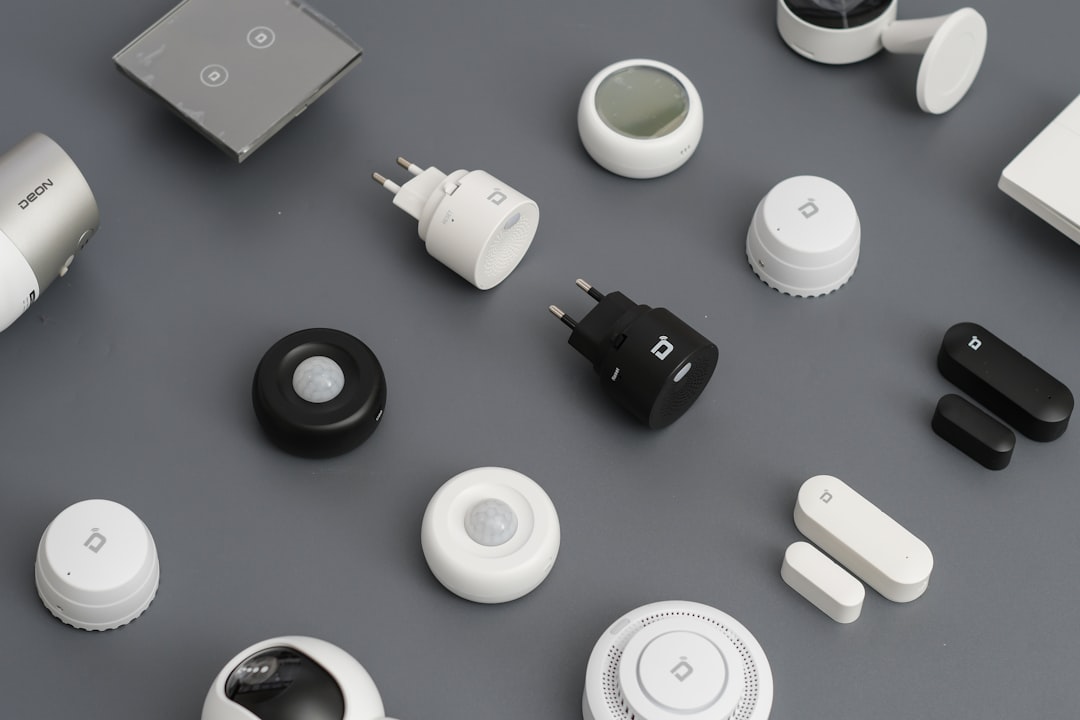
The “Security Theater” Problem Nobody Talks About
Here’s the uncomfortable truth: a lot of home security products are designed to look reassuring rather than actually deter or respond to threats. According to a 2025 report by the Electronic Security Association (ESA), roughly 43% of burglaries still occur at homes with visible security signage or cameras — because opportunistic thieves have learned that many consumer-grade systems have gaps.
The most common failure points I found after digging through user forums (Reddit’s r/homesecurity, SafeWise community boards, and Wirecutter’s long-form reviews) come down to three categories:
- False sense of monitoring: Many entry-level systems offer “24/7 monitoring” that actually means automated alerts — not a human watching your feed. Response times can lag 8–15 minutes.
- Cloud storage paywalls: Systems like Ring and SimpliSafe lock video history behind subscriptions. Without paying $10–$20/month, your camera is essentially a live-view-only device.
- Wi-Fi dependency vulnerabilities: If your router goes down — or worse, if someone jams the signal (yes, RF jammers are a real tactic) — many systems go completely dark.
- Resolution vs. storage trade-offs: 4K cameras generate massive files. Most budget cloud plans throttle you to 1080p or less, and local NVR storage requires ongoing maintenance.
What the Numbers Actually Say About Home Break-Ins in 2025
Let me ground this in some data, because the fear-marketing in this industry is intense. According to FBI Uniform Crime Report projections updated for 2025, burglary rates in the US have continued a decade-long downward trend — down approximately 32% compared to 2015 figures. The average loss per burglary sits around $2,800, and the majority (roughly 60%) still involve forced entry through doors or windows — not high-tech bypasses.
This matters because it tells you where to actually spend your money. Reinforced door frames, quality deadbolts, and bright exterior lighting have statistically more impact on deterrence than a $400 smart camera system with a monthly fee. That’s not me being contrarian — that’s what criminologists at Rutgers University’s Center on Public Security Studies have been saying for years.
So Which Systems Actually Hold Up in 2025?
I spent time cross-referencing professional security installer forums, consumer reports, and hands-on YouTube teardowns to narrow the field. Here’s how the major players shake out right now:
- SimpliSafe (2025 refresh model): Best for renters. No professional installation required, cellular backup built-in (critical for jammer resistance), and a $20/month Pro plan that includes actual human dispatch. Downside: proprietary ecosystem — you can’t mix in third-party sensors easily.
- Arlo Pro 5S cameras: Genuinely impressive 4K HDR with color night vision. Local USB storage option means no mandatory subscription. Battery life averages 3–4 months on default settings, dropping to 6–8 weeks with motion-heavy areas. If you set sensitivity too high, expect Error Code 8 (motion overload/queue overflow) in the app.
- Eufy Security (HomeBase 3): Strong value play. Local NVR storage standard, no monthly fees, and Face ID recognition has improved significantly. Privacy-conscious users should note the 2022 data exposure incident — Eufy has since added end-to-end encryption, but the trust repair is ongoing.
- Google Nest Cam (wired): Excellent AI object detection — distinguishes between a person, animal, and vehicle reliably. But it’s deeply tied to the Google ecosystem. If you’re not already in that world, integration friction is real.
- DIY Hybrid: Reolink + Home Assistant: For the technically comfortable, running a local NVR with Reolink cameras (~$60–90/camera) through Home Assistant gives you full control, zero cloud fees, and custom automation rules. Setup takes 4–6 hours if you’re patient; budget another 2 for troubleshooting RTSP stream authentication errors.
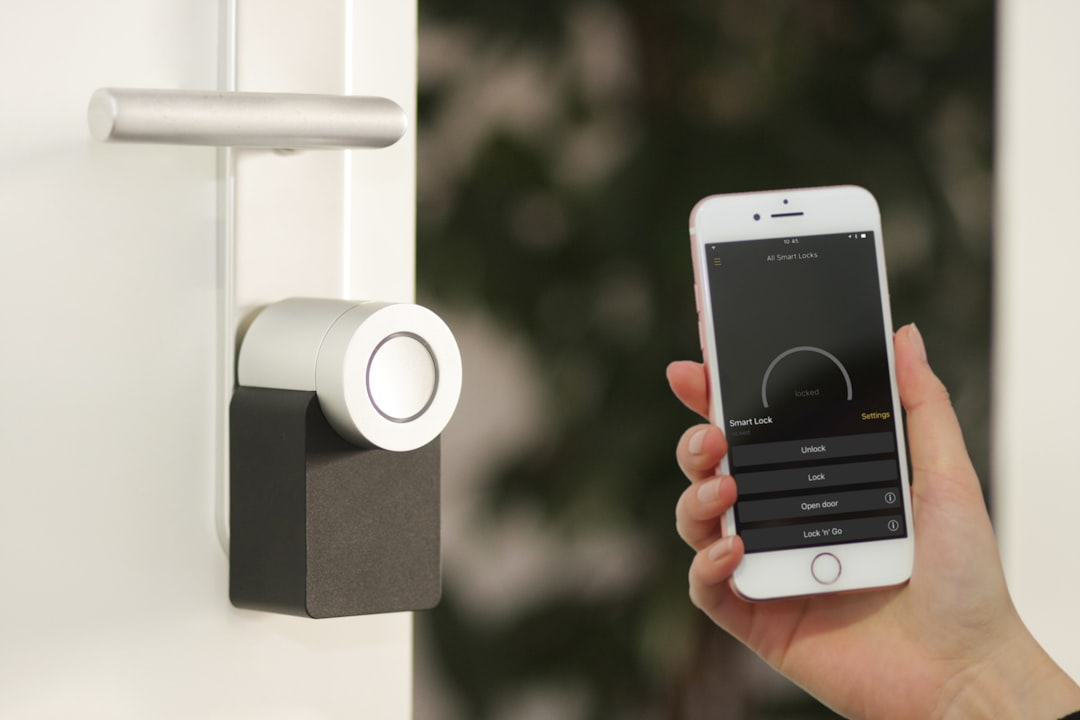
The Real Cost Breakdown Over 3 Years
This is where a lot of buying decisions get made emotionally rather than mathematically. Let’s run the numbers on two common paths:
Option A — Ring Alarm Pro + Ring Doorbell Pro 2: Upfront hardware ~$380. Ring Protect Pro subscription: $20/month = $720 over 3 years. Total 3-year cost: approximately $1,100. What you get: decent ecosystem, Alexa integration, whole-home internet backup via Eero (actually useful during outages).
Option B — Eufy HomeBase 3 + 2 cameras + video doorbell: Upfront hardware ~$450. Monthly fees: $0 (local storage). Total 3-year cost: approximately $450. What you get: true local control, no recurring cost, slightly steeper initial setup curve.
If your situation is rental apartment, tech-averse, want zero setup hassle → go SimpliSafe or Ring. If your situation is homeowner, privacy-conscious, willing to spend a weekend on setup → Eufy or the DIY Reolink route will save you money and give you more control.
The Pieces Most People Skip (But Shouldn’t)
After all the research, the biggest insight I came away with is that physical hardening is still the highest-ROI security investment most households aren’t making. Specifically:
- Door frame reinforcement kits (like Door Armor MAX, ~$100): Most residential doors fail at the frame, not the lock. A standard kick takes about 150 lbs of force on a hollow door frame — reinforced steel strikes can push that to 1,800+ lbs.
- Smart lighting with motion triggers: Studies from the University of Chicago Crime Lab consistently show that improved exterior lighting correlates with meaningful crime reduction — sometimes more than camera systems.
- Window and sliding door pins: A $3 wooden dowel in a sliding track has stopped more break-ins than many people realize.
None of that is glamorous. None of it shows up in “10 Best Smart Home Security Systems” articles. But it works.
Where Does That Leave Us?
Home security in 2025 is genuinely better than it was five years ago — AI detection has reduced false alerts meaningfully, cellular backup has become more standard, and local storage options have expanded. But the marketing has also gotten more sophisticated at selling you features that sound essential but often aren’t.
Before spending anything, ask yourself: What’s my actual threat model? Package theft? A camera on the porch. Overnight intrusion? Frame reinforcement + professional monitoring matters more than camera resolution. Peace of mind while traveling? A cellular-backed system with human dispatch is worth the monthly fee.
The worst outcome is what happened to Maya — spending significant money on a system that looked comprehensive but had fundamental gaps nobody told her about upfront.
💬 Drop a comment below: What’s your current setup, and what’s the one thing you wish you’d known before buying it? I’m especially curious whether anyone’s had success with the Home Assistant DIY route — that’s my next deep-dive project and I’d love to compare notes.
📚 관련된 다른 글도 읽어 보세요
- 2026년 그냥 사면 후회하는 가성비 싱글몰트 위스키 Top 3 — 돈 버리기 전에 읽어라
- Best Backend Web Frameworks in 2026: A Battle-Tested Engineer’s Guide to Picking the Right One
- Why I Almost Gave Up on Capsule Wardrobes — The 2026 Honest Rethink
태그: []
Leave a Reply